The Tarot Revealed

 82
82

The Tarot Revealed
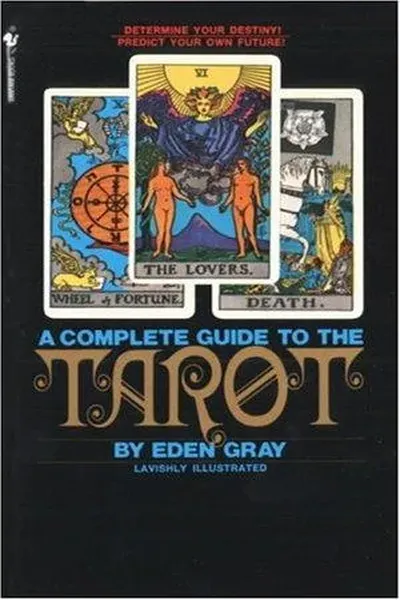
Eden Gray’s The Tarot Revealed offers a grounded entry point into the Rider-Waite-Smith system, a deck that has shaped modern Tarot practice since its 1909 debut. Gray’s strength lies in her clear, straightforward presentation of card meanings, avoiding the often-overwrought language found in lesser guides. She meticulously details the symbolism of each card, from the Fool's journey to the finality of the World, and provides practical advice on constructing and interpreting spreads.
However, the book’s very clarity can sometimes feel limiting. While excellent for beginners, those with prior knowledge might find its interpretations somewhat conventional, lacking the deeper psychological or kabbalistic layers explored by later authors. For instance, her explanation of the Three of Swords, while accurate in its depiction of sorrow, doesn't immediately push towards the complex emotional processing that the card can represent. Despite this, for anyone seeking a solid, no-nonsense foundation in reading the Rider-Waite-Smith Tarot, Gray's work remains a dependable resource. It’s a functional primer that gets the job done.
📝 Description
82
### What It Is The Tarot Revealed, first published in 1960 by Eden Gray, presents a comprehensive introduction to the practice and interpretation of Tarot cards. It focuses primarily on the Rider-Waite-Smith deck, a pivotal design in Tarot history established in 1909. The book breaks down the symbolism and meanings of both the Major and Minor Arcana, offering guidance for understanding spreads and developing intuitive reading skills. It aims to demystify the Tarot for newcomers while providing a solid foundational text for those seeking to deepen their practice.
### Who It's For This work is ideal for individuals new to Tarot, seeking a clear, structured approach to learning. It suits those who appreciate a methodical explanation of card meanings and their application in readings. Readers interested in the Rider-Waite-Smith system, specifically, will find its detailed examinations of this deck particularly valuable. It's also beneficial for anyone looking to move beyond superficial interpretations and understand the archetypal narratives embedded within the Tarot.
### Historical Context Published in 1960, The Tarot Revealed emerged during a period of renewed interest in esoteric studies and occult traditions in the West. Following World War II, there was a surge in popular engagement with subjects like astrology, mysticism, and divination, partly fueled by figures like Dion Fortune and the wider Theosophical movement. Gray's work tapped into this burgeoning interest, offering a accessible guide that contrasted with more dense or academic occult texts of the time. Its focus on the Rider-Waite-Smith deck also reflects the growing influence of Arthur Edward Waite's system, which had become a dominant force in Tarot studies since its inception.
### Key Concepts The book systematically explores the archetypal meanings of the 78 Tarot cards, dividing them into the 22 Major Arcana and the 56 Minor Arcana. It explains the significance of the four suits (Wands, Cups, Swords, Pentacles) and the court cards (Page, Knight, Queen, King). Gray emphasizes the importance of the card's position within a spread, detailing various layouts such as the Celtic Cross. A core concept is the development of intuition, presented not as a mystical gift but as a skill honed through diligent study and practice with the card imagery and meanings.
💡 Why Read This Book?
• Gain a foundational understanding of the 78 Rider-Waite-Smith Tarot cards, including the distinct symbolism of the Major and Minor Arcana, as meticulously detailed by Gray. • Learn practical methods for constructing and interpreting Tarot spreads, such as the Celtic Cross layout, enabling you to apply card knowledge immediately. • Develop interpretive skills by studying the archetypal narratives and meanings presented for each card, fostering a disciplined approach to intuitive readings.
⭐ Reader Reviews
Honest opinions from readers who have explored this book.
❓ Frequently Asked Questions
When was The Tarot Revealed first published and by whom?
The Tarot Revealed was first published in 1960 by Eden Gray, making it a foundational text in mid-20th century Tarot literature.
What Tarot deck does Eden Gray primarily focus on in her book?
Eden Gray primarily focuses on the Rider-Waite-Smith Tarot deck, a widely used and influential deck first published in 1909.
What is the structure of the Tarot deck as explained in the book?
The book explains the Tarot deck as consisting of 78 cards, divided into the 22 Major Arcana and the 56 Minor Arcana, further broken down into four suits.
Does The Tarot Revealed teach different card spreads?
Yes, the book teaches various card spreads, with a notable emphasis on the popular Celtic Cross layout for divination.
Is this book suitable for absolute beginners to Tarot?
Yes, The Tarot Revealed is specifically designed for beginners, offering a clear and structured introduction to Tarot interpretation.
What historical period influenced the writing of The Tarot Revealed?
The book was written in 1960, reflecting the post-war surge in interest in esoteric studies and occult traditions in the Western world.
🔮 Key Themes & Symbolism
Archetypal Meanings
The work systematically unpacks the archetypal narratives embedded within the 78 cards of the Rider-Waite-Smith deck. Gray meticulously details the symbolic language of both the Major Arcana, such as the Fool's journey through life's stages, and the Minor Arcana, which represent the everyday experiences within the four suits: Wands, Cups, Swords, and Pentacles. Each card is presented as a distinct symbol carrying a specific message, encouraging readers to understand the underlying human experiences and universal themes they represent. This approach moves beyond simple fortune-telling to explore the psychological and spiritual dimensions of the cards.
The Rider-Waite-Smith System
A central focus is the Rider-Waite-Smith deck, designed by Arthur Edward Waite and illustrated by Pamela Colman Smith, first published in 1909. Gray’s exposition is deeply rooted in the specific imagery and interpretations established by this particular deck. The book explains the significance of its unique visual elements, from the detailed scenes on the pip cards of the Minor Arcana to the nuanced figures of the court cards. This dedication to a single, influential deck makes the book an excellent resource for understanding the system that has become a standard in modern Tarot practice.
Practical Divination and Intuition
Beyond card meanings, The Tarot Revealed provides practical instruction on the art of Tarot reading. Gray details various popular spreads, including the widely recognized Celtic Cross, explaining how to lay out cards and interpret their relationships within a given spread. She stresses the importance of developing intuition, framing it not as an unexplainable phenomenon but as a skill cultivated through dedicated study, practice, and a deep engagement with the symbolism of the cards. This practical aspect equips readers with the tools to conduct their own readings effectively.
Esoteric Foundations
While presented accessibly, the book is grounded in esoteric principles that informed the creation of the Rider-Waite-Smith deck. Gray touches upon the symbolic connections and archetypal patterns that link Tarot to broader mystical traditions. The interpretation of suits, numbers, and court cards often draws from established symbolic systems, providing a glimpse into the deeper currents of Western esotericism. The book serves as an entry point for understanding how Tarot can be used as a tool for self-reflection and spiritual exploration within these traditions.
💬 Memorable Quotes
“The Fool represents new beginnings and innocence.”
— This statement encapsulates the foundational meaning of The Fool card, signifying a leap of faith, potential, and the start of a new cycle, devoid of preconceived notions or burdens.
“The Minor Arcana depict the everyday experiences of life.”
— This highlights the distinction between the Major Arcana's archetypal journeys and the Minor Arcana's focus on the more common, mundane aspects of human existence across various situations.
“Understanding the court cards involves recognizing their personality archetypes.”
— This interpretation emphasizes that the Page, Knight, Queen, and King represent not just people, but also specific character traits, energies, or roles that can manifest within a reading.
“The position of a card in a spread is crucial for interpretation.”
— This points to the importance of context in Tarot readings, suggesting that a card's meaning is significantly modified by the question asked and its placement relative to other cards.
“Practice with the cards will help develop intuitive understanding.”
— This encourages consistent engagement with Tarot, framing intuition not as a mystical endowment but as a skill honed through repeated study and application of card meanings.
🌙 Esoteric Significance
Tradition
The Tarot Revealed is firmly situated within the Western Esoteric tradition, particularly as it relates to the symbolic system of the Rider-Waite-Smith deck. This deck, conceived by Arthur Edward Waite, draws heavily on Hermeticism, Kabbalah, and Renaissance occultism. Gray’s work, while aiming for accessibility, transmits these foundational influences by systematically explaining the archetypal meanings and symbolic connections that Waite and Pamela Colman Smith encoded into the cards, thus serving as a gateway to understanding Tarot's place within this lineage.
Symbolism
Key symbols explored include the archetypal journey of the Major Arcana, from the unnumbered Fool representing pure potential and innocence, to the World card signifying completion and integration. The four suits of the Minor Arcana—Wands (action, spirit), Cups (emotions, relationships), Swords (intellect, conflict), and Pentacles (material world, manifestation)—are presented with their distinct elemental associations. The book also details the symbolism of the Court Cards, which represent different facets of personality and stages of development within each suit.
Modern Relevance
Gray's straightforward approach continues to influence introductory Tarot literature. Contemporary practitioners and teachers often reference her work as a foundational text for understanding the Rider-Waite-Smith system. Schools of modern witchcraft, intuitive development courses, and even some psychological counseling approaches that utilize archetypal imagery can trace a lineage back to the accessible explanations of Tarot symbolism popularized by works like The Tarot Revealed.
👥 Who Should Read This Book
• Absolute beginners seeking a clear, step-by-step introduction to Tarot interpretation, particularly those drawn to the Rider-Waite-Smith deck. • Students of Western Esotericism interested in understanding the foundational symbolism and archetypes that underpin a major divinatory system. • Aspiring Tarot readers looking for practical guidance on constructing and interpreting card spreads, such as the Celtic Cross, to develop their reading skills.
📜 Historical Context
Eden Gray's The Tarot Revealed, published in 1960, emerged during a period of significant resurgence in Western esoteric studies. Following the trauma of World War II, many sought meaning and order in spiritual and mystical traditions. The groundwork for this interest had been laid by earlier movements like Theosophy and figures such as Aleister Crowley and Dion Fortune. Gray's work specifically capitalized on the growing popularity of the Rider-Waite-Smith Tarot deck, which had been established in 1909 and distinguished itself with Pamela Colman Smith's vibrant illustrations and Arthur Edward Waite's innovative approach to the Minor Arcana. While Waite himself published extensively on the Tarot, Gray offered a more accessible, beginner-friendly guide that contrasted with the more complex or esoteric interpretations found in works by contemporaries like Paul Foster Case. The book’s clear methodology resonated with a public eager for practical instruction in divination and self-exploration, helping to solidify the Rider-Waite-Smith deck as a dominant force in 20th-century Tarot practice.
📔 Journal Prompts
The Fool's journey and its representation of new beginnings.
The elemental associations of the four suits: Wands, Cups, Swords, and Pentacles.
Interpreting the Court Cards as personality archetypes.
The significance of the Celtic Cross spread in divination.
Developing intuitive understanding through consistent card study.
🗂️ Glossary
Major Arcana
The 22 trump cards of the Tarot deck, representing significant life events, archetypal figures, and spiritual lessons. They chart a symbolic journey from creation to completion.
Minor Arcana
The 56 cards of the Tarot deck divided into four suits (Wands, Cups, Swords, Pentacles), representing everyday occurrences, challenges, and experiences in life.
Rider-Waite-Smith Deck
A highly influential Tarot deck first published in 1909, known for its detailed illustrations by Pamela Colman Smith and Arthur Edward Waite's symbolic system, particularly its scenic Minor Arcana.
Spread
A specific arrangement or layout of Tarot cards used for divination or self-reflection, designed to provide answers or insights into a particular question or situation.
Celtic Cross
A popular and comprehensive 10-card Tarot spread used to explore a situation in depth, examining its influences, challenges, potential outcomes, and underlying factors.
Wands
One of the four suits in the Minor Arcana, typically associated with the element of fire, representing action, creativity, passion, energy, and ambition.
Cups
One of the four suits in the Minor Arcana, typically associated with the element of water, representing emotions, relationships, intuition, love, and feelings.