The complete book of Tarot
 80
80

The complete book of Tarot
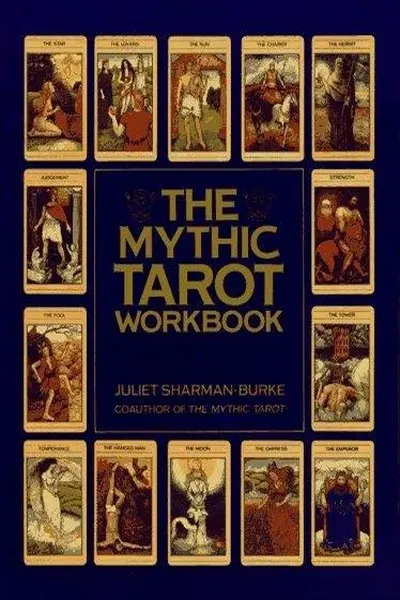
Juliet Sharman-Burke's 1985 volume, The Complete Book of Tarot, serves as a solid, if somewhat conventional, entry point into the vast world of Tarot. Its strength lies in its clear, systematic presentation of card meanings and spreads, making the often-intimidating subject accessible. The layout is logical, progressing from the Major Arcana to the Minor Arcana and offering practical advice on interpretation. However, the work occasionally feels constrained by its 1980s origins, sometimes leaning towards a more deterministic view of divination than contemporary practice might allow. A particularly illustrative section is its detailed breakdown of the court cards, which provides nuanced character sketches beyond simple archetypes. While it may lack the radical revisionism of some modern Tarot scholarship, its foundational clarity remains a significant asset for newcomers. It is a dependable guide for those starting their Tarot path.
📝 Description
80
### What It Is
The Complete Book of Tarot, first published in 1985 by Juliet Sharman-Burke, offers a comprehensive guide to the art and practice of Tarot reading. It presents the Tarot as a system of divination and self-exploration, detailing the meanings of the Major and Minor Arcana. The work is structured to guide readers through the historical context, symbolic language, and practical application of the cards, aiming to demystify the process for both novices and those with some prior experience.
### Who It's For
This book is intended for individuals seeking a thorough introduction to Tarot. It caters to those interested in understanding the historical development of Tarot cards and their symbolic significance, as well as those wanting to learn how to perform readings. Readers who appreciate a structured approach to esoteric subjects, moving from foundational knowledge to practical techniques, will find this guide beneficial. It is suitable for solitary study or as a resource for group learning.
### Historical Context
Emerging in the mid-1980s, a period marked by renewed interest in esoteric studies and personal growth movements, Sharman-Burke's work contributed to the growing accessibility of Tarot. It arrived at a time when Tarot was moving beyond niche occult circles into broader popular culture, influenced by earlier works like A.E. Waite's Pictorial Key to the Tarot (1910). The book reflects the era's inclination towards psychological interpretations of Tarot alongside traditional divinatory uses.
### Key Concepts
Central to the book is the exploration of the Tarot as a symbolic language, a mirror to the psyche and the unfolding of life's journey. Sharman-Burke emphasizes the archetypal nature of the Major Arcana figures, such as The Fool and The High Priestess, as representing universal human experiences and developmental stages. The Minor Arcana are presented as reflecting the practicalities and fluctuations of daily life, with the suits (Wands, Cups, Swords, Pentacles) offering frameworks for understanding different energies and situations.
💡 Why Read This Book?
• Learn the foundational meanings of the 78 cards, from The Fool to the Ten of Pentacles, understanding their archetypal significance as presented by Sharman-Burke in the original 1985 publication. • Grasp the symbolism of the four suits—Wands, Cups, Swords, and Pentacles—and how they represent different aspects of human experience and action. • Discover practical methods for card spreads, including the Celtic Cross, enabling you to apply Tarot knowledge to personal inquiry and reflection.
⭐ Reader Reviews
Honest opinions from readers who have explored this book.
❓ Frequently Asked Questions
When was The Complete Book of Tarot first published?
The Complete Book of Tarot by Juliet Sharman-Burke was first published in 1985, marking its entry into the esoteric literature landscape during a period of growing interest in Tarot.
What is the significance of the Major Arcana in Sharman-Burke's book?
Sharman-Burke presents the Major Arcana as representing significant life events, spiritual lessons, and archetypal forces that shape a person's journey, acting as a map of inner development.
How does the book explain the Minor Arcana?
The book details the Minor Arcana through the four suits—Wands, Cups, Swords, and Pentacles—explaining how they correspond to everyday situations, challenges, and actions in life.
Does the book offer guidance on performing Tarot readings?
Yes, The Complete Book of Tarot provides practical instruction on how to lay out cards for readings and interpret their combined meanings, including various common spreads.
Is this book suitable for absolute beginners to Tarot?
Absolutely. The book is structured to guide newcomers through the basics, from understanding individual card meanings to performing simple readings, making it accessible for those new to the subject.
What historical context influenced the writing of this book?
Published in 1985, the book emerged during a resurgence of interest in occult and esoteric studies, reflecting a contemporary approach to Tarot that blended divination with psychological insights.
🔮 Key Themes & Symbolism
Archetypes of the Major Arcana
Sharman-Burke explores the 22 Major Arcana cards not merely as random images but as profound archetypes representing universal human experiences and stages of development. Figures like The Magician, The Chariot, and The World are presented as symbolic representations of powers, challenges, and transformations inherent in the life cycle. The work emphasizes understanding these cards as keys to unlocking deeper self-awareness and recognizing patterns in one's personal narrative. Their sequence often mirrors a journey of initiation and self-discovery, offering a framework for personal growth.
The Four Suits as Life Elements
The Minor Arcana are systematically broken down into the four suits: Wands, Cups, Swords, and Pentacles. Sharman-Burke assigns distinct elemental and experiential qualities to each suit, linking Wands to creativity and action (Fire), Cups to emotions and relationships (Water), Swords to intellect and conflict (Air), and Pentacles to the material world and physical well-being (Earth). This framework allows readers to interpret the number cards and court cards within their respective suits, providing context for the nuances of daily life and specific situations.
Tarot as a Divinatory and Reflective Tool
Beyond mere fortune-telling, the book positions Tarot as a sophisticated tool for divination and introspection. It guides readers on how to formulate questions and interpret card combinations to gain insight into present circumstances and potential future trajectories. The emphasis is on using the cards as a mirror to the subconscious, facilitating clarity and offering perspectives that might otherwise remain hidden. Practical advice on laying out cards in various spreads, such as the Celtic Cross, is provided to enhance this reflective practice.
Historical Evolution of Tarot
While focusing on interpretation, the book touches upon the historical lineage of Tarot cards. It acknowledges their origins, likely in 15th-century Italy, and their subsequent development through various decks and interpretive traditions. This historical grounding provides context for the symbolic language and meanings presented, situating Sharman-Burke's approach within a broader lineage of Tarot scholarship and practice that evolved from early cartomancy to complex divinatory systems.
💬 Memorable Quotes
“The Tarot is a mirror of the soul.”
— This concise statement encapsulates the book's core philosophy: that the Tarot cards reflect an individual's inner state, subconscious thoughts, and the unfolding of their personal destiny.
“Each Major Arcana card represents a fundamental stage or experience in life.”
— This highlights the archetypal nature of the Major Arcana, suggesting they map out significant transitions and universal human lessons rather than mere random occurrences.
“The suits of Wands, Cups, Swords, and Pentacles correspond to elemental forces and life domains.”
— This interpretation clarifies the structured system of the Minor Arcana, associating each suit with a specific element and a category of human experience or activity.
“Interpreting the cards requires understanding their relationships within a spread.”
— This emphasizes that Tarot reading is not just about memorizing individual card meanings but about discerning the dynamic interplay and narrative formed by cards placed together.
“The Court Cards represent people or personality aspects.”
— This points to the nuanced role of the Page, Knight, Queen, and King, indicating they can signify actual individuals or particular character traits and attitudes within a reading.
🌙 Esoteric Significance
Tradition
This work primarily aligns with the Western Esoteric tradition, particularly its modern manifestation which emphasizes psychological interpretation and personal growth alongside divination. It draws implicitly from Hermetic principles regarding correspondence between the microcosm (human) and macrocosm (universe), and utilizes archetypal symbolism reminiscent of Jungian psychology, which itself engaged with esoteric imagery. While not strictly Kabbalistic or Gnostic, it employs a structured symbolic system akin to those traditions, presenting the Tarot as a map of consciousness and spiritual progression.
Symbolism
Key symbols explored include the Fool's journey, representing initiation and the unfolding of potential, and the archetypal figures of the Major Arcana, such as The High Priestess (intuition, hidden knowledge) and The Emperor (structure, authority). The four suits—Wands (creativity/action), Cups (emotions/relationships), Swords (intellect/conflict), and Pentacles (material world/practicality)—function as core symbolic motifs, each representing a distinct elemental domain and set of human experiences central to understanding life's complexities.
Modern Relevance
The Complete Book of Tarot continues to be relevant for contemporary practitioners seeking a clear, foundational understanding of Tarot. Its systematic approach and emphasis on archetypal meanings resonate with modern psychological and self-help applications of Tarot. While newer decks and interpretive frameworks have emerged, Sharman-Burke's work provides a solid grounding for understanding the Rider-Waite-Smith system, which remains a dominant influence in contemporary Tarot practice and study for many practitioners and educators.
👥 Who Should Read This Book
• Aspiring Tarot readers seeking a structured introduction to the 78 cards and their meanings. • Individuals interested in the archetypal symbolism of the Major Arcana and their connection to life's journey. • Students of esoteric traditions looking for a comprehensive guide to a foundational divinatory system.
📜 Historical Context
Juliet Sharman-Burke's The Complete Book of Tarot, published in 1985, emerged during a significant resurgence of interest in esoteric studies in the West. This period, the 1970s and 1980s, saw a proliferation of popular occult and New Age literature, making subjects like Tarot, astrology, and witchcraft more accessible to a wider audience. The book built upon foundational works from earlier in the 20th century, such as Arthur Edward Waite's Pictorial Key to the Tarot (1910), which had already established a widely recognized system of card meanings and symbolism, often tied to the Rider-Waite-Smith deck. Sharman-Burke's approach reflects the era's inclination towards integrating psychological interpretation with traditional divinatory practices. While figures like Dion Fortune had explored the occult deeply in the preceding decades, the 1980s saw a more mainstream engagement with these topics. The book's comprehensive nature and structured approach contributed to its reception as a reliable guide for a generation exploring Tarot beyond niche occult circles.
📔 Journal Prompts
The Fool's journey through the Major Arcana.
Reflections on the elemental correspondences of the suits.
Interpreting The High Priestess in a personal reading.
The symbolic meaning of The Emperor's structure.
Applying the lessons of the Minor Arcana's numbered cards.
🗂️ Glossary
Major Arcana
The 22 trump cards of a Tarot deck, typically representing significant life events, spiritual lessons, and archetypal forces that guide a person's journey.
Minor Arcana
The 56 cards in a Tarot deck divided into four suits (Wands, Cups, Swords, Pentacles), representing the everyday events, challenges, and circumstances of life.
Wands
One of the four suits of the Minor Arcana, associated with the element of Fire, representing creativity, passion, action, inspiration, and will.
Cups
One of the four suits of the Minor Arcana, associated with the element of Water, representing emotions, relationships, intuition, love, and feelings.
Swords
One of the four suits of the Minor Arcana, associated with the element of Air, representing intellect, thoughts, communication, conflict, and challenges.
Pentacles
One of the four suits of the Minor Arcana, associated with the element of Earth, representing the material world, finances, work, health, and practical matters.
Court Cards
The four face cards in each suit of the Minor Arcana: Page, Knight, Queen, and King, which can represent people, personality types, or specific situations.