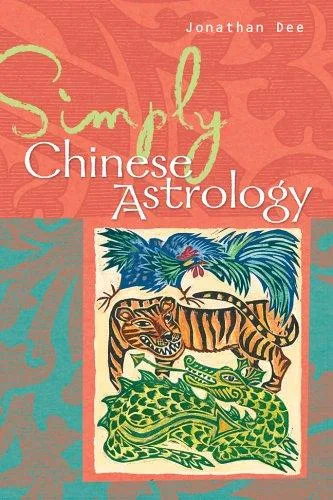
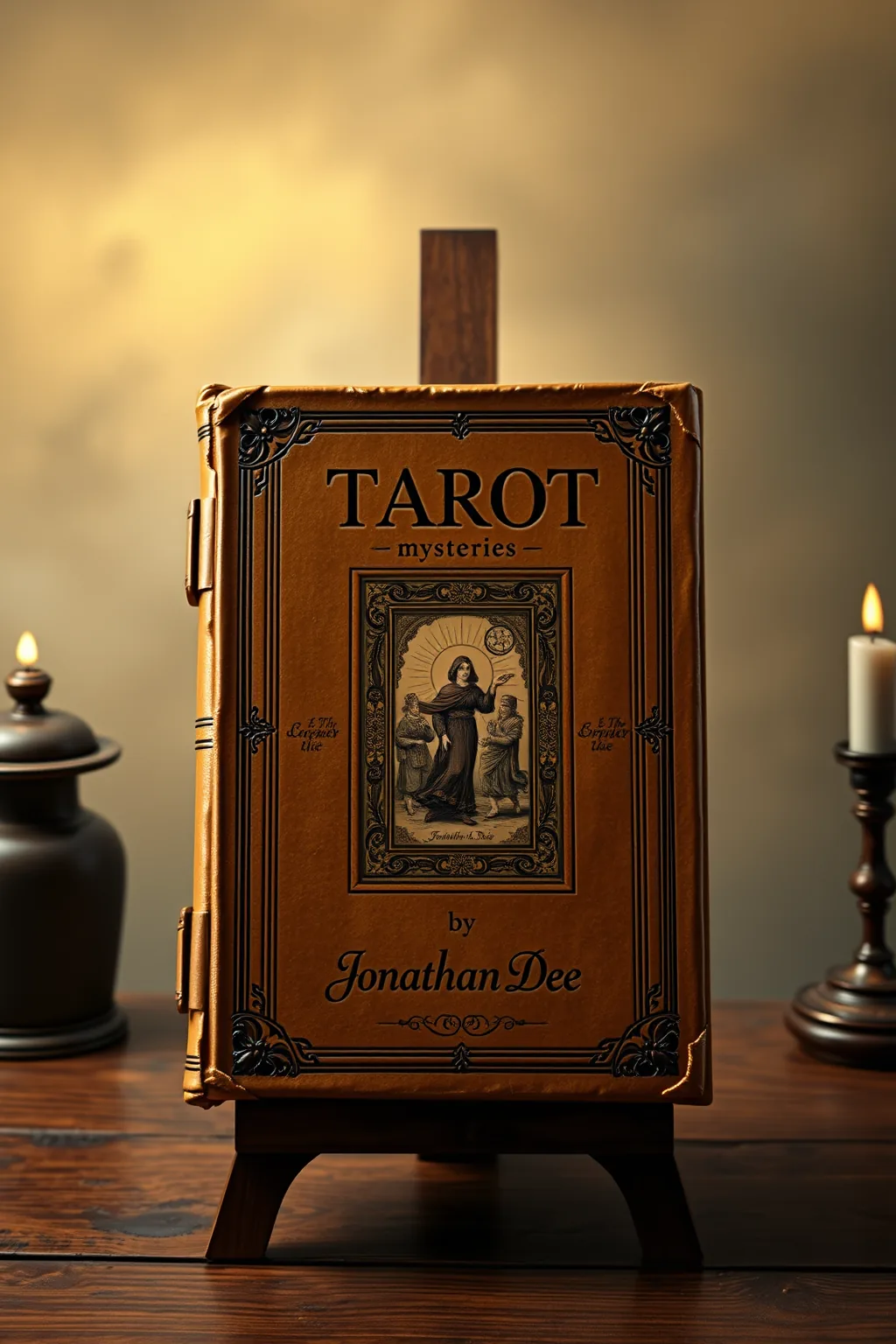
Tarot mysteries
 84
84

Tarot mysteries
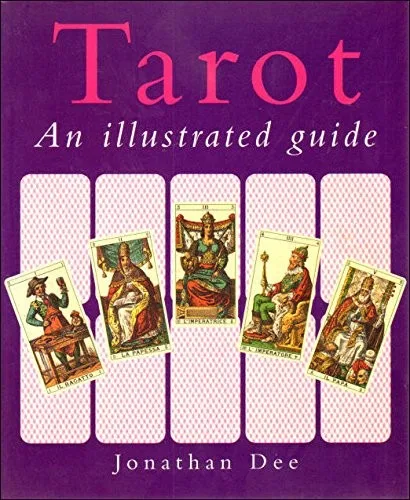
Jonathan Dee's "Tarot Mysteries" attempts to elevate the conversation around the Tarot from simple fortune-telling to a more profound symbolic language. The strength of the book lies in its systematic approach, attempting to link the Tarot's imagery to broader philosophical currents, particularly those influenced by Hermeticism and Kabbalah. Dee’s exposition on the relationship between the alchemical process and the Major Arcana, specifically the progression through stages like nigredo, albedo, and rubedo, is a compelling section that offers a unique interpretive lens. However, the work occasionally feels like it’s striving for a profundity that isn't fully realized, sometimes becoming dense without always providing sufficient clarity for complex ideas. The integration of Jungian psychology, while present, could have been more deeply explored to connect archetypal theory more explicitly to the card imagery. Ultimately, "Tarot Mysteries" offers a valuable, albeit sometimes academically dry, perspective for those seeking a deeper symbolic understanding of the Tarot.
📝 Description
84
### What It Is Tarot Mysteries by Jonathan Dee offers an exploration into the esoteric dimensions of the Tarot, moving beyond simple divination to examine its deeper symbolic and philosophical underpinnings. First published in 2016, the work positions the Tarot not merely as a predictive tool but as a complex system of archetypes and correspondences that mirror universal psychological and spiritual principles.
### Who It's For This book is intended for readers who possess a foundational understanding of Tarot or symbolic systems and seek a more rigorous, academic engagement. It appeals to those interested in the history of occultism, comparative mythology, and the philosophical applications of esoteric symbolism. It is less suited for absolute beginners seeking straightforward card meanings or quick divinatory techniques.
### Historical Context The publication of Tarot Mysteries in 2016 places it within a modern resurgence of interest in esoteric traditions, often viewed through academic lenses. Dee's work can be seen as a contemporary contribution to a lineage of scholarship that includes figures like A.E. Waite and Paul Foster Case, who themselves sought to imbue the Tarot with deeper mystical significance. The book engages with occult history without necessarily adhering strictly to the doctrines of any single historical society.
### Key Concepts Central to Tarot Mysteries is the idea of the Tarot as a 'Book of Wisdom' or a 'Mirror of the Soul.' Dee explores concepts such as the Kabbalistic Tree of Life, alchemical symbolism, and Jungian archetypes as they relate to the Tarot trumps and court cards. The work emphasizes the interconnectedness of these symbolic systems, suggesting the Tarot acts as a unified map of consciousness and the cosmos.
💡 Why Read This Book?
• Understand the Tarot as a symbolic map of consciousness, drawing parallels between the Major Arcana and alchemical stages as detailed in the book's exploration of the *nigredo*. • Explore the interconnectedness of Tarot symbolism with Hermetic principles and Kabbalistic correspondences, gaining insights not readily available in basic Tarot guides. • Gain a more nuanced appreciation for the Tarot's historical esoteric lineage, particularly its engagement with concepts dating back to the early 20th-century occult revival.
⭐ Reader Reviews
Honest opinions from readers who have explored this book.
❓ Frequently Asked Questions
What historical esoteric traditions does Jonathan Dee's "Tarot Mysteries" reference?
The book references Hermeticism, Kabbalah, and alchemical traditions, placing the Tarot within a lineage of Western esoteric thought that seeks to understand cosmic and psychological principles through symbolic systems.
How does "Tarot Mysteries" differ from standard Tarot guidebooks?
Unlike standard guidebooks focused on divination, "Tarot Mysteries" delves into the Tarot as a philosophical and symbolic language, exploring its connections to alchemy and archetypal psychology.
When was "Tarot Mysteries" first published?
Jonathan Dee's "Tarot Mysteries" was first published in 2016, placing it within a contemporary academic and esoteric interest in the Tarot's deeper meanings.
What is the primary audience for "Tarot Mysteries"?
The book is best suited for intermediate to advanced Tarot students, scholars of esotericism, and those interested in comparative mythology and symbolic systems who seek a more in-depth analysis.
Does the book offer practical divination methods?
While it explores the symbolic depth that informs divination, "Tarot Mysteries" primarily focuses on understanding the Tarot's philosophical and esoteric framework rather than providing specific predictive techniques.
What specific symbolic systems are explored in relation to the Tarot?
The work examines the Tarot's relationship with the Kabbalistic Tree of Life, alchemical processes (like *nigredo* and *albedo*), and Jungian archetypes.
🔮 Key Themes & Symbolism
The Tarot as a Hermetic Map
This work positions the Tarot as a sophisticated system of correspondences akin to the Hermetic principle of 'As Above, So Below.' Dee investigates how the 78 cards, particularly the Major Arcana, can be understood as a microcosm reflecting macrocosmic structures and processes. It explores the inherent order and interconnectedness within the deck, suggesting it serves as a mnemonic device and a symbolic map for understanding the universe and the human psyche, drawing parallels to the Kabbalistic Tree of Life and its pathways.
Alchemical Symbolism in the Arcana
A significant focus is placed on interpreting the Tarot's archetypal journey through the lens of alchemical transformation. Dee examines how the stages of the Great Work—such as the *nigredo* (blackening), *albedo* (whitening), and *rubedo* (reddening)—are mirrored in the progression of the Major Arcana. This approach imbues the cards with a sense of dynamic process and spiritual evolution, suggesting the Tarot is a guide for inner transformation and the purification of the soul, moving from a primal state to one of integration.
Archetypes and the Collective Unconscious
Drawing upon psychological concepts, particularly those influenced by Carl Jung, "Tarot Mysteries" explores the archetypal figures and situations represented by the Tarot cards. The book suggests that these archetypes are not merely arbitrary symbols but fundamental patterns of human experience and consciousness, residing within the collective unconscious. Understanding these archetypes through the Tarot can lead to greater self-awareness and insight into the universal dynamics that shape human lives and interactions.
Beyond Divination: Esoteric Philosophy
Dee shifts the emphasis from the Tarot as a tool for prediction to its role as a vehicle for esoteric wisdom and philosophical inquiry. The book argues that the true value of the Tarot lies in its capacity to illuminate complex spiritual and metaphysical concepts. It encourages readers to engage with the cards intellectually and intuitively, using them as a framework for contemplation on existence, consciousness, and the nature of reality, rather than solely for fortune-telling.
💬 Memorable Quotes
“The Tarot deck functions as a symbolic representation of the alchemical stages of transformation.”
— This interpretation highlights the book's core thesis that the Tarot is not static but a dynamic process, mirroring the arduous journey of spiritual and psychological purification described in alchemy.
“Each card is a key, unlocking a deeper understanding of the Kabbalistic pathways.”
— This emphasizes the interconnectedness of Tarot and Kabbalah, suggesting that the cards serve as access points to a complex system of spiritual cosmology and consciousness.
“The Fool's journey represents the initial descent into the material world and the subsequent path of self-discovery.”
— This paraphrased concept illustrates the book's use of the archetypal Fool's journey to explain the soul's experience in the world and the process of individuation.
“Archetypes within the Tarot reveal universal patterns of human experience.”
— This concept underscores the book's psychological dimension, proposing that the Tarot's imagery taps into fundamental, shared aspects of the human psyche.
“The true mystery of the Tarot lies in its philosophical and spiritual implications, not its divinatory accuracy.”
— This highlights the author's intent to elevate the Tarot from a predictive tool to a profound system of esoteric philosophy and self-understanding.
🌙 Esoteric Significance
Tradition
Tarot Mysteries is deeply rooted in the Western Esoteric Tradition, drawing significantly from Hermeticism and Kabbalah. It interprets the Tarot not as an isolated system but as a nexus point where various esoteric currents converge. The work aligns with the Hermetic ideal of understanding the universe through symbolic correspondences and with the Kabbalistic Tree of Life as a map of creation and consciousness. It departs from purely divinatory interpretations, emphasizing the Tarot's role as a philosophical and psychological text for spiritual development.
Symbolism
Key symbols explored include the alchemical stages of transformation, particularly the *nigredo*, *albedo*, and *rubedo*, which Dee maps onto the progression of the Major Arcana, representing stages of spiritual purification. The Kabbalistic Tree of Life is another central motif, with the Tarot cards seen as keys to understanding its paths and Sephiroth. The archetypal figures within the deck, such as The Fool or The Magician, are examined as potent symbols of universal human experiences and psychological states.
Modern Relevance
In contemporary esoteric practice and scholarship, "Tarot Mysteries" resonates with those seeking to integrate psychological depth with traditional Hermetic and Kabbalistic frameworks. It informs modern approaches to Tarot reading that prioritize self-awareness and inner transformation over simple prediction. Thinkers and practitioners interested in the intersection of psychology, comparative mythology, and Western esotericism find Dee's work a valuable resource for understanding the Tarot's enduring symbolic power.
👥 Who Should Read This Book
• Students of Hermeticism and Kabbalah seeking to understand the Tarot's place within these traditions. • Jungian psychology enthusiasts interested in exploring archetypes through a symbolic system. • Intermediate to advanced Tarot practitioners looking to deepen their theoretical understanding beyond basic interpretations.
📜 Historical Context
Published in 2016, Jonathan Dee's "Tarot Mysteries" emerges in an era where esoteric subjects are increasingly examined through academic and psychological lenses, moving beyond the purely occultist circles of the late 19th and early 20th centuries. Dee’s work can be situated within this contemporary discourse, which acknowledges the historical significance of figures like A.E. Waite and Eliphas Lévi, who sought to systematize and imbue the Tarot with deeper meaning. While Waite, a prominent member of the Hermetic Order of the Golden Dawn, famously commissioned Rider-Waite deck artwork to reflect his esoteric interpretations, Dee's book engages with these traditions without necessarily belonging to a specific society. The intellectual currents of Jungian psychology, with its focus on archetypes and the collective unconscious, also heavily inform Dee’s approach, providing a framework for understanding the Tarot’s symbolic language that gained traction in the mid-20th century and continues to influence esoteric studies.
📔 Journal Prompts
Reflect on the concept of the Tarot as a 'Book of Wisdom' and how this perspective alters your view of the cards.
Consider the alchemical stage of *nigredo* as represented in the Major Arcana; what personal 'darkening' might this correspond to?
How does the symbolic journey of The Fool, as presented in the book, mirror your own path of self-discovery?
Explore the connection between a specific Tarot archetype and a Jungian archetype discussed in the text.
What insights does the integration of Kabbalistic pathways offer to your understanding of a particular Tarot spread?
🗂️ Glossary
Hermeticism
A religious, philosophical, and esoteric tradition based on writings attributed to Hermes Trismegistus. It emphasizes principles like 'As Above, So Below' and seeks knowledge of the divine and the cosmos through mystical insight and symbolic interpretation.
Kabbalah
A system of Jewish mysticism that explores the nature of God and the universe through esoteric interpretations of scripture, often represented by the Tree of Life diagram.
Nigredo
The first stage of alchemical transformation, often symbolized by blackness and decay. It represents a process of dissolution, purification, and confronting the shadow self before regeneration can occur.
Albedo
The second stage of alchemy, symbolized by whiteness or moonlight. It follows the *nigredo* and represents purification, illumination, and the emergence of a refined essence.
Rubedo
The final stage of alchemy, symbolized by redness or the rising sun. It signifies completion, integration, and the achievement of the philosopher's stone or spiritual perfection.
Archetype
In Jungian psychology, a universal, inherited pattern of thought or imagery derived from the collective unconscious, often manifesting in myths, symbols, and dreams.
Major Arcana
The trump cards of a Tarot deck (typically 22 cards), representing significant life lessons, spiritual archetypes, and major turning points in a person's journey.