Tarot
 71
71

Tarot
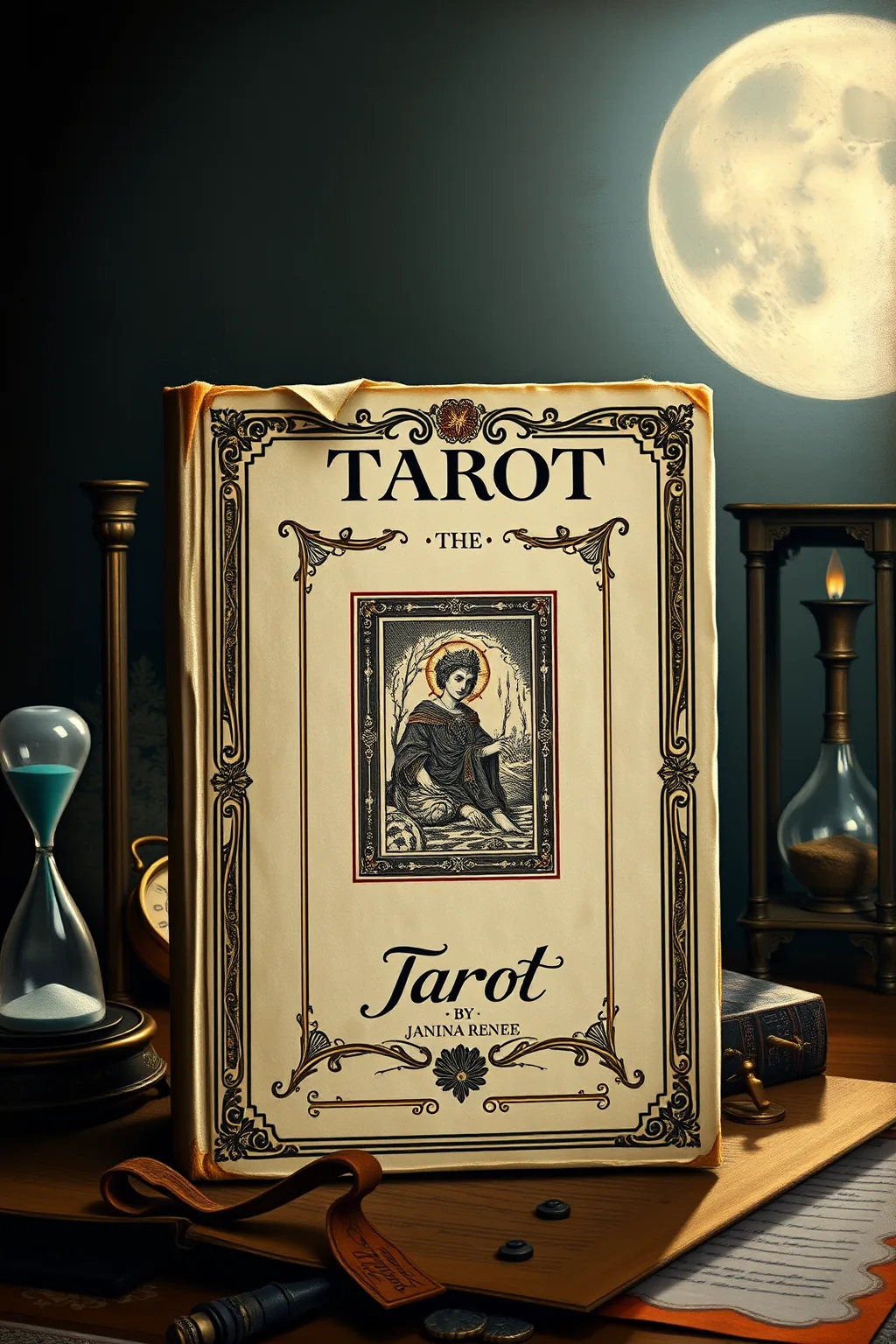
Janina Renee's Tarot, from its 2000 debut, offers a robust framework for understanding the cards that distinguishes itself from the deluge of simpler guides. Its strength lies in its methodical approach, dissecting the 78 cards through the lens of Qabalistic and astrological correspondences, a method that provides substantial depth. The work attempts to anchor the Tarot in a broader esoteric tradition, moving it from mere fortune-telling to a symbolic language. However, its academic tone, while valuable, can sometimes feel detached; the section on the Minor Arcana, for instance, while thorough, might leave readers yearning for more practical, applied examples to fully integrate the dense theoretical material. Despite this, the book provides a solid foundation for those wishing to engage with the Tarot on a more intellectual and historically informed level. It serves as a valuable resource for the dedicated student.
📝 Description
71
### What It Is Tarot, by Janina Renee, first published in 2000, presents a comprehensive exploration of the iconic card system. It moves beyond simple divinatory interpretations to examine the Tarot's rich symbolic language and its roots in esoteric traditions. The work offers a structured approach to understanding the 78 cards, categorizing them and detailing their correspondences with various mystical and philosophical systems.
### Who It's For This book is aimed at serious students of the Tarot who seek a deeper, more scholarly understanding of the cards. It is suitable for those who have moved past introductory material and are interested in the theoretical underpinnings and historical context of the Tarot. Readers looking for an academic perspective on Tarot symbolism and its place within Western esotericism will find this text particularly beneficial.
### Historical Context Renee's work emerged in the year 2000, a period when Tarot scholarship was increasingly seeking to connect the cards to their historical and philosophical origins. This era saw a growing academic interest in Western esotericism, with scholars like Antoine Faivre examining the genealogy of esoteric thought. Unlike purely popular guidebooks of the time, Renee's Tarot engaged with this scholarly trend by referencing historical esoteric frameworks, positioning the cards not just as tools for divination but as a complex symbolic language with a lineage.
### Key Concepts The book systematically breaks down the Tarot into its constituent parts, such as the Major Arcana, Minor Arcana, and the court cards, detailing their individual meanings and interrelationships. It explores the Tarot's connection to Qabalah, astrology, and various mythological archetypes. Renee emphasizes the Tarot as a mirror to the human psyche and a map of spiritual development, presenting a coherent system for interpretation that integrates these diverse esoteric elements.
💡 Why Read This Book?
• Gain a structured understanding of the 78 Tarot cards by learning their categorization within the Major and Minor Arcana, as detailed in Renee's methodical approach. • Explore the Tarot's connections to Qabalah and astrology, as presented in the book, to deepen your interpretation beyond simple symbolism. • Appreciate the Tarot as a symbolic language with historical roots, informed by the book's examination of esoteric frameworks, offering a unique perspective on its development since 2000.
⭐ Reader Reviews
Honest opinions from readers who have explored this book.
❓ Frequently Asked Questions
What is the primary focus of Janina Renee's Tarot book?
Janina Renee's Tarot, first published in 2000, primarily focuses on understanding the Tarot as a complex symbolic language with roots in esoteric traditions, moving beyond simple divination to explore its philosophical and mystical underpinnings.
How does Renee's book contextualize the Tarot historically?
The book contextualizes the Tarot within Western esoteric traditions, referencing systems like Qabalah and astrology. It situates the work within scholarship that began seriously examining esotericism around the year 2000.
What esoteric systems are explored in relation to the Tarot in this book?
The book explores the Tarot's relationships with Qabalah, astrology, and various mythological archetypes, presenting them as integral components of the cards' symbolic meaning.
Who is the intended audience for this Tarot book?
This book is intended for serious students of the Tarot who desire a deeper, more scholarly understanding, moving beyond introductory divinatory practices to engage with the theoretical and historical aspects.
Does Janina Renee's Tarot offer practical divination techniques?
While it provides a strong theoretical and symbolic foundation, the book's primary emphasis is on understanding the structure and esoteric connections of the Tarot, rather than offering a manual of specific divination techniques.
When was Janina Renee's Tarot first published?
Janina Renee's Tarot was first published in the year 2000.
🔮 Key Themes & Symbolism
Symbolic Language of the Cards
Renee posits the Tarot as a profound symbolic language, moving beyond mere predictive functions. Each card, from the Fool to the World, is presented as a glyph encoding complex psychological, spiritual, and philosophical concepts. The book meticulously details how these symbols interrelate, forming a coherent system that can illuminate the querent's inner landscape and external circumstances. This interpretation encourages a deeper, more reflective engagement with the cards, viewing them as tools for self-discovery rather than just fortune-telling devices.
Qabalistic and Astrological Correspondences
A central theme is the integration of Qabalistic and astrological frameworks with the Tarot. The work systematically maps the Hebrew alphabet and the Tree of Life onto the Major Arcana, and astrological signs, planets, and elements onto the Minor Arcana. This approach, prevalent in esoteric circles since the late 19th century, provides a structured method for understanding the deeper meaning and interconnectedness of the cards, offering a rich interpretive layer for practitioners familiar with these systems.
Archetypes and the Psyche
The book explores the Tarot as a mirror to the human psyche, aligning its archetypal figures and scenarios with Jungian psychology and broader mythological patterns. The Major Arcana, in particular, are presented as a map of the soul's journey and spiritual development. This perspective frames the Tarot not just as an external divinatory tool but as an internal guide, facilitating introspection and the recognition of universal human experiences and developmental stages.
Esoteric Lineage and Scholarship
Renee situates her work within the broader context of Western esoteric traditions. By referencing historical esoteric systems and philosophical concepts, she anchors the Tarot in a lineage of mystical thought that predates its popularization. This scholarly approach, evident in the book's publication year of 2000, aims to provide a more grounded and historically informed understanding of the Tarot, distinguishing it from purely modern or New Age interpretations.
💬 Memorable Quotes
“The Tarot is a symbolic language, a map of consciousness.”
— This interpretation highlights the book's core thesis: that the Tarot functions not just as a predictive tool but as a profound system of symbols that can chart the terrain of the human mind and spirit.
“Each card resonates with Qabalistic and astrological energies.”
— This paraphrased concept emphasizes the book's method of connecting Tarot imagery to specific elements within Qabalah and Western astrology, suggesting a layered system of meaning.
“The Major Arcana depict the archetypal journey of the soul.”
— This points to the book's view of the Major Arcana as a narrative of spiritual development and self-discovery, akin to mythological quests or psychological individuation processes.
“Understanding the Minor Arcana requires grasping their elemental and numerical significance.”
— This interpretation underscores the book's detailed approach to the Minor Arcana, suggesting that their meanings are derived from their association with the four elements and numerical values.
“The Tarot serves as a bridge between the seen and unseen worlds.”
— This paraphrased concept suggests the Tarot's function as a tool for accessing or understanding subtle realities, acting as an intermediary between the material and the spiritual or psychological realms.
🌙 Esoteric Significance
Tradition
Renee's work firmly situates itself within the Western Esoteric Tradition, particularly drawing from Hermeticism and Qabalah. It aligns with the late 19th and 20th-century development of Tarot scholarship that sought to systematize the cards' meanings by linking them to the Tree of Life and astrological correspondences. This approach departs from earlier, more intuitive or purely folk-divinatory uses, instead presenting the Tarot as an integral part of a larger, coherent system of occult philosophy and cosmology, reflecting a scholarly impulse within esotericism.
Symbolism
Key symbols explored include the Fool's journey, representing the initiation or the soul's descent into manifestation, and the High Priestess, often linked to the subconscious, intuition, and the hidden mysteries of the Qabalistic path. The suit symbols (Wands, Cups, Swords, Pentacles) are detailed in their elemental associations (Fire, Water, Air, Earth), connecting the Minor Arcana to the fundamental building blocks of the cosmos as understood in Hermetic philosophy.
Modern Relevance
Contemporary practitioners of Western esotericism, Qabalistic studies, and depth psychology continue to draw upon Renee's methodical approach. Her work provides a foundational text for those seeking to integrate Tarot study with astrological charts or Qabalistic meditations. Modern schools of occultism and esoteric psychology often reference or build upon the structured interpretive frameworks she established, utilizing the Tarot as a tool for self-exploration and understanding spiritual development in the 21st century.
👥 Who Should Read This Book
• Students of Western Esotericism seeking to understand the Tarot's place within Hermetic and Qabalistic frameworks, benefiting from its detailed correspondences. • Aspiring Tarot readers who wish to move beyond basic meanings and engage with the cards' symbolic depth and historical context. • Comparative religion and philosophy scholars interested in how symbolic systems like the Tarot encode complex metaphysical ideas and archetypal narratives.
📜 Historical Context
Janina Renee's Tarot, published in 2000, emerged during a period of burgeoning academic interest in Western esotericism. Scholars like Antoine Faivre were actively defining and tracing the genealogy of esoteric traditions, and this scholarly atmosphere provided fertile ground for works that sought to contextualize occult practices within a historical and philosophical framework. Renee's book distinguished itself from the more popular, divinatory-focused Tarot literature by engaging deeply with established esoteric systems. It positioned the Tarot not merely as a tool for fortune-telling but as a complex symbolic language with roots stretching back through Qabalistic and astrological traditions. This approach aligned with a broader intellectual current seeking to understand occultism as a significant, albeit often marginalized, current within Western thought. While not directly engaging in public debate or facing censorship, its scholarly rigor offered a counterpoint to purely intuitive or New Age interpretations that dominated some popular circles, providing a more structured and historically grounded perspective for dedicated students.
📔 Journal Prompts
The Fool's journey as a map of consciousness.
Mapping Qabalistic principles onto the Major Arcana.
Interpreting the elemental significance of the Minor Arcana suits.
The archetypal figures within the court cards.
Connecting Tarot symbolism to personal psychological development.
🗂️ Glossary
Major Arcana
The set of 22 trump cards in a Tarot deck, often seen as representing significant life lessons, archetypal energies, and spiritual milestones in a querent's journey.
Minor Arcana
The 56 cards of a Tarot deck, divided into four suits (Wands, Cups, Swords, Pentacles), which typically represent the more mundane events, challenges, and circumstances of daily life.
Qabalah
A complex system of Jewish mysticism and esoteric philosophy that uses symbolic interpretation, particularly of the Hebrew alphabet and the Tree of Life, to understand the divine and the cosmos.
Astrological Correspondences
The system of assigning specific astrological signs, planets, or elements to Tarot cards, thereby enriching their symbolic meaning and interpretive potential within an esoteric framework.
Archetype
In psychology and mythology, a universal, archaic pattern or image that derives from the collective unconscious and is believed to influence behavior and personality.
Hermeticism
A philosophical and religious tradition based on the purported teachings of Hermes Trismegistus, emphasizing divine wisdom, the interconnectedness of all things, and the power of the mind.
Elemental Dignities
A concept within Tarot interpretation where the strength or weakness of a card's meaning is determined by its relationship to the elements (Fire, Water, Air, Earth) and its position in a spread.