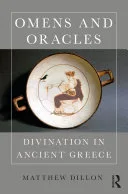
Omens and Oracles
 80
80

Omens and Oracles



Matthew Dillon's Omens and Oracles offers a sober, scholarly survey of how ancient Greeks consulted the divine. It commendably details the mechanics of various divination types, from bird omens to dream interpretation, and situates them within the societal structures that relied upon them. The examination of oracular centers and the circulation of written prophecies provides a solid overview. However, the work occasionally feels more like a catalog than an analysis, lacking deeper engagement with the psychological or philosophical underpinnings that made these practices so potent for the Greeks. The chapter detailing haruspicy, while informative, could benefit from more comparative context with other cultures. Ultimately, Omens and Oracles is a useful, if somewhat dry, resource for understanding the practical application of divination in ancient Greece.
📝 Description
80
### What It Is Omens and Oracles examines the integral role of divination within ancient Greek society. Dillon's work meticulously details the diverse methods employed for seeking divine guidance, exploring their specific applications and underlying purposes. The book addresses both the public pronouncements of oracular centers and the more private, often written, forms of prophecy.
### Who It's For This text is intended for scholars of classical antiquity, religious studies students, and enthusiasts of ancient divination practices. It serves those interested in the intersection of belief, ritual, and societal function in the Greek world, particularly those seeking to understand how oracles and omens shaped decision-making and worldview.
### Historical Context Published in 2017, Omens and Oracles situates itself within contemporary scholarship on ancient Greek religion and social history. It engages with the long-standing academic discourse on Greek prophecy, a field that has seen significant contributions since the foundational work of scholars like Walter Burkert. The book addresses a period where such practices were deeply embedded in civic and personal life, from the Pindaric odes referencing divine signs to the widespread reliance on oracular pronouncements from Delphi.
### Key Concepts The volume dissects various divinatory techniques, including augury (interpreting bird flight), haruspicy (examining animal entrails), astrology, and oneiromancy (dream interpretation). It highlights the function of oracular sites like Delphi and Dodona, as well as the circulation of written oracle collections, demonstrating a comprehensive approach to understanding ancient Greek foresight.
💡 Why Read This Book?
• You will learn about specific Greek divinatory practices, such as haruspicy (interpreting entrails) and augury (observing birds), gaining practical knowledge of their mechanics as detailed in the book. • Understand the function of major oracular centers like Delphi and Dodona, appreciating their historical significance and the processes involved in receiving prophetic pronouncements. • Discover the cultural importance of dream interpretation (oneiromancy) in ancient Greece, exploring how written guides and societal beliefs shaped the understanding of nocturnal visions.
⭐ Reader Reviews
Honest opinions from readers who have explored this book.
❓ Frequently Asked Questions
What is haruspicy as discussed in Omens and Oracles?
Haruspicy, as explored in Matthew Dillon's work, is a form of divination involving the examination of the entrails of sacrificed animals, particularly cattle. Priests would meticulously analyze the size, shape, and condition of organs like the liver and lungs to divine the will of the gods.
How did ancient Greeks use bird omens (augury)?
The book explains that augury involved observing the flight, calls, and feeding habits of birds. Specific species and their actions were interpreted as divine signs, often by trained officials known as augurs, influencing decisions in both public and private life.
What role did written oracles play in ancient Greece?
Omens and Oracles notes that beyond pronouncements from oracular sites, written collections of prophecies were in circulation. These could be consulted by individuals seeking guidance, offering a more accessible form of divination compared to traveling to major sanctuaries.
Which oracular centers are highlighted in the book?
Matthew Dillon's study specifically addresses prominent oracular centers such as Delphi, renowned for its Pythia, and Dodona, associated with the ancient oracle of Zeus and its rustling oak leaves.
When was Omens and Oracles first published?
Omens and Oracles by Matthew Dillon was first published on July 14, 2017. This date places it within contemporary academic discourse on classical antiquity.
What is oneiromancy according to the book?
Oneiromancy refers to the practice of dream interpretation, a significant form of divination discussed in Omens and Oracles. The book covers the availability of numerous texts dedicated to deciphering the meanings contained within dreams.
🔮 Key Themes & Symbolism
Divination and Society
The work meticulously details how various forms of divination were not mere superstitious curiosities but integral components of ancient Greek societal structure. From state decisions influenced by oracular pronouncements at Delphi to personal guidance sought through dream analysis, the book illustrates prophecy's pervasive impact on public and private life. It examines how these practices structured belief systems and facilitated communication with the divine realm.
Methods of Prophecy
Omens and Oracles categorizes and explains a wide array of divinatory techniques. This includes celestial phenomena, the flight and calls of birds (augury), the inspection of animal entrails (haruspicy), and the interpretation of dreams (oneiromancy). Each method is presented with its specific application, ritualistic context, and the purpose it served in seeking divine knowledge or assurance.
Oracular Centers and Texts
The book highlights the significance of established oracular sites, such as Delphi, as central hubs for receiving prophetic messages. It also addresses the parallel importance of written collections of oracles and extensive literature on dream interpretation. This dual focus underscores the accessibility and varied forms through which divine will was believed to be communicated and recorded.
Interpreting Divine Signs
A core theme is the structured approach to interpreting signs from the gods. Whether through the complex patterns of entrails or the subtle movements of birds, the Greeks developed sophisticated systems for understanding these omens. The work explores how these interpretations were codified and transmitted, forming a crucial part of their religious and intellectual heritage.
💬 Memorable Quotes
“Chapters bring together key types of divining, such as from birds, celestial phenomena, the entrails of sacrificed animals and dreams.”
— This concise summary from the blurb highlights the book's structured approach. It promises a systematic exploration of the primary methods ancient Greeks employed to seek divine insight, covering both natural signs and internal experiences.
“Oracular centres delivered prophetic pronouncements to enquirers, but in addition, there were written collections of oracles in circulation.”
— This statement emphasizes the dual nature of accessible prophecy in ancient Greece: the official pronouncements from revered sanctuaries and the more widespread, portable form of written oracles.
“Many books were available on how to interpret dreams.”
— This points to the significant cultural and intellectual investment in oneiromancy, the interpretation of dreams, indicating that dream analysis was a formalized practice with dedicated literature.
“Addressing the role which divination played in ancient Greek society...”
— This opening phrase from the blurb sets the stage for a socio-historical analysis, positioning divination not just as a practice but as a vital element interwoven into the fabric of Greek life.
“...how each was utilised and for what purpose.”
— This phrase underscores the book's focus on the practical application and intended function of different divinatory methods, moving beyond mere description to explore their utility.
🌙 Esoteric Significance
Tradition
While not strictly within a singular esoteric lineage like Hermeticism or Kabbalah, Omens and Oracles contributes to the broader field of Western Esotericism by providing foundational knowledge of ancient divinatory systems. It details practices that have historically informed or been adopted by various esoteric traditions seeking direct communication with the divine or hidden knowledge.
Symbolism
The book explores symbols inherent in natural phenomena and ritualistic acts. Bird flight patterns (augury) and the intricate formations of animal entrails (haruspicy) were seen as direct symbolic messages from the gods. Dreams (oneiromancy) also served as a symbolic language, requiring specialized interpretation to unlock their divine significance.
Modern Relevance
Contemporary practitioners of Neo-Paganism, Hellenistic Reconstructionism, and various forms of modern divination often draw upon the historical methods detailed in works like Omens and Oracles. Understanding these ancient systems provides a basis for modern ritual development and the revival of ancestral practices.
👥 Who Should Read This Book
• Students of Classical Studies and Ancient History: Gain a comprehensive understanding of how divination permeated Greek society, influencing decisions and shaping worldviews. • Aspiring Diviners and Occult Enthusiasts: Learn the mechanics and historical context of foundational divinatory practices like augury and oneiromancy, essential for comparative study. • Comparative Religion Scholars: Explore the role of prophecy and divine communication in one of antiquity's most influential civilizations, for broader cross-cultural analysis.
📜 Historical Context
Matthew Dillon's Omens and Oracles, published in 2017, enters a field rich with scholarship on ancient Greek religion and divination. It follows in the tradition of scholars like Walter Burkert, whose work explored the structure and function of Greek religious practices. The book addresses a period spanning from the Archaic to the Hellenistic eras, when divination was deeply embedded in civic and personal life, influencing everything from military campaigns to personal relationships. While Greek philosophical movements like Stoicism began to question or reinterpret traditional divination, practices like consulting the oracle at Delphi remained influential well into the Roman period. The reception of such works within academia is generally focused on their contribution to understanding ancient belief systems and social structures, rather than widespread public debate.
📔 Journal Prompts
The function of oracular centers like Delphi in shaping public policy.
Specific methods of interpreting bird omens (augury) and their perceived divine messages.
The cultural significance attributed to dreams and the practice of oneiromancy.
The process of haruspicy and the analysis of animal entrails.
The role of written oracle collections versus direct consultation.
🗂️ Glossary
Augury
A practice of divination based on observing the flight, calls, and feeding habits of birds. Specific species and their actions were interpreted as divine signs.
Haruspicy
A form of divination involving the examination of the entrails of sacrificed animals, most notably the liver, to discern divine will.
Oneiromancy
The practice of interpreting dreams to gain insight or divine guidance. Numerous texts existed dedicated to deciphering dream symbolism.
Oracular Centers
Specific religious sites, such as Delphi and Dodona, where individuals or emissaries could consult deities through designated intermediaries for prophetic pronouncements.
Prophecy
The foretelling or declaration of future events, typically believed to be inspired by divine revelation.
Omens
Events or signs, often perceived as supernatural, believed to portend future occurrences, good or bad.
Pythia
The high priestess of the Temple of Apollo at Delphi, who delivered prophecies inspired by the god.