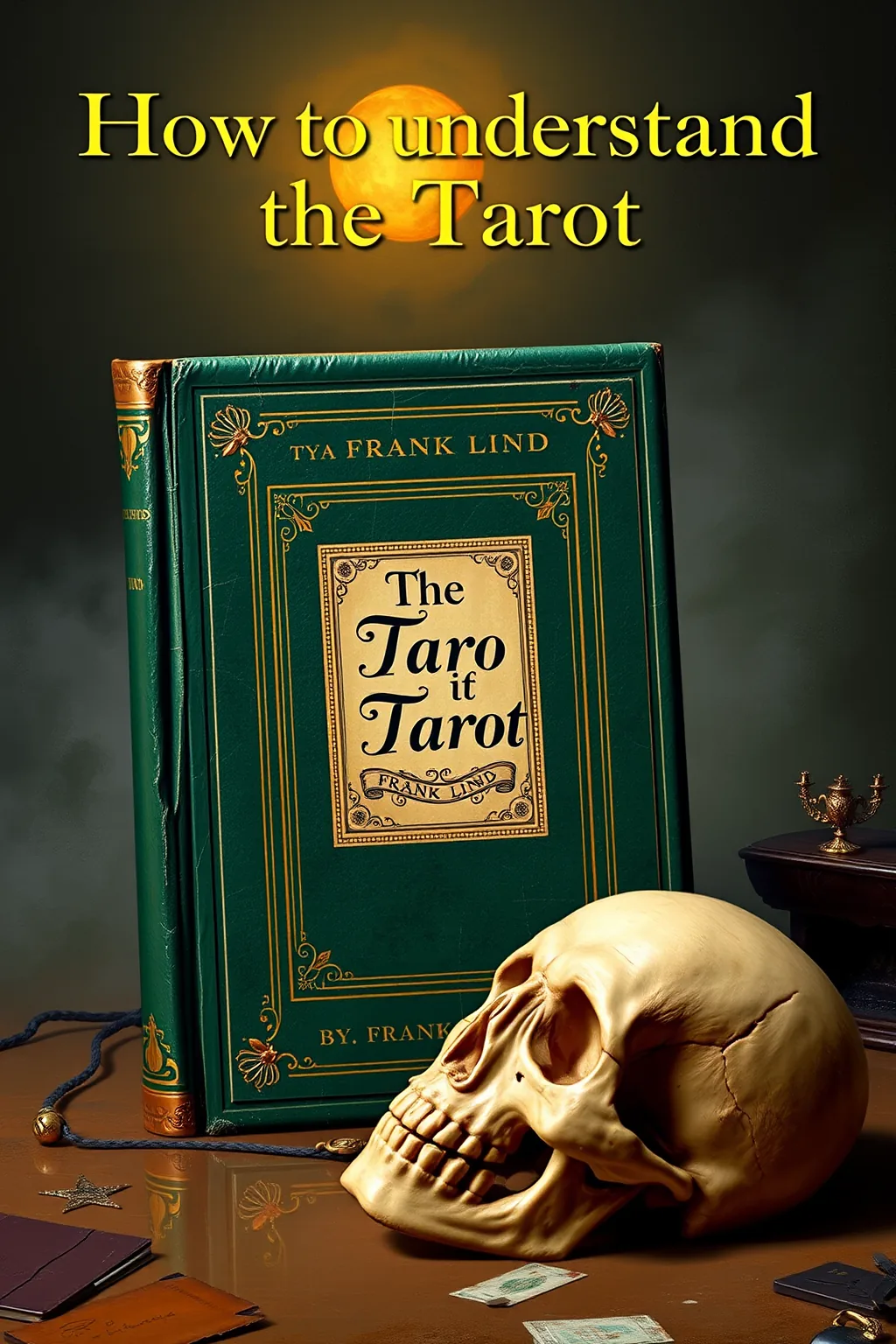
How to Understand the Tarot
 80
80

How to Understand the Tarot
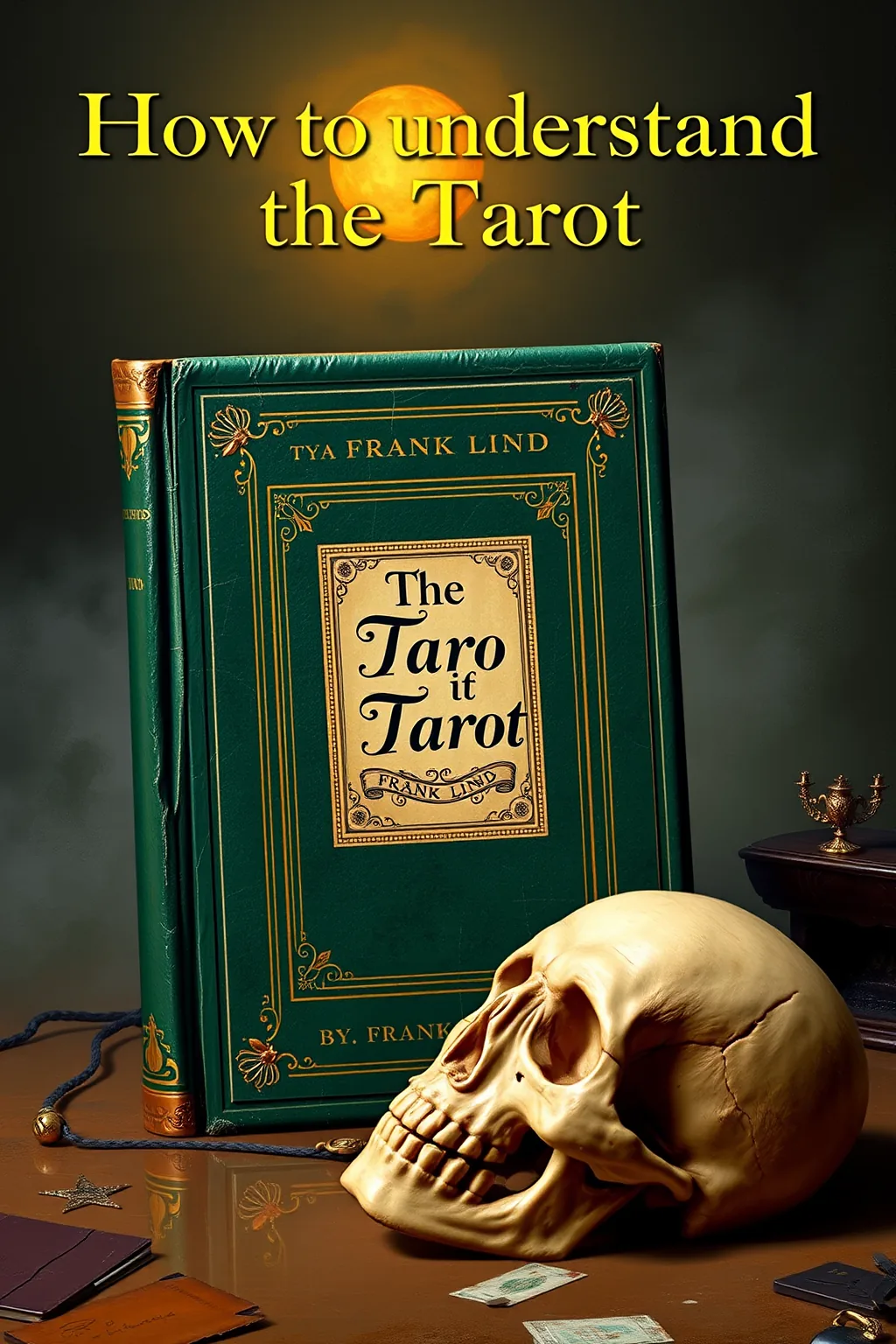
Frank Lind’s 1969 guide attempts to demystify the Tarot by presenting its structure as a coherent system. The strength lies in its methodical approach to the Major Arcana, framing them as stages of a spiritual or psychological progression. Lind’s explanation of the Fool’s Journey is particularly clear for newcomers. However, the treatment of the Minor Arcana can feel somewhat rote, lacking the deeper interpretive nuance found in later works. A passage discussing the relationship between the court cards and the elemental suits offers a glimpse into his structured thinking, but could benefit from more illustrative examples. Overall, it's a competent, if somewhat dated, primer for the earnest student.
📝 Description
80
### What It Is Frank Lind’s *How to Understand the Tarot*, first published in 1969, offers a foundational approach to the divinatory art. It moves beyond mere card meanings, aiming to equip the reader with a framework for interpreting the interconnectedness of the Major and Minor Arcana. The work presents the Tarot not as a fixed oracle but as a symbolic language for exploring psychological landscapes and spiritual potential.
### Who It's For This text is suited for those beginning their serious study of Tarot, particularly those interested in its historical roots and symbolic depth rather than solely predictive outcomes. It appeals to individuals seeking a structured understanding of the cards that can be applied to personal development and self-inquiry. Readers who appreciate a methodical, less sensationalist approach to esoteric subjects will find value here.
### Historical Context Published during a period of burgeoning interest in occultism and Eastern philosophies in the West, *How to Understand the Tarot* emerged alongside a wave of esoteric revivalism. The 1960s saw figures like Idries Shah popularizing Sufi teachings, and Dion Fortune's influential writings on Tarot and Western Mystery traditions were already well-established. Lind's work participates in this milieu by offering a guide that bridges traditional symbolism with emerging psychological insights.
### Key Concepts The book systematically breaks down the structure of the Tarot deck, explaining the archetypal significance of the Major Arcana and the elemental associations of the Minor Arcana. It emphasizes the importance of the Fool’s Journey as a narrative arc through the Major Arcana, illustrating personal growth and spiritual unfolding. Lind also addresses the practicalities of card layouts and the intuitive process of reading, encouraging a synthesis of learned knowledge and inner perception.
💡 Why Read This Book?
• Gain a foundational understanding of the Tarot's structure, as Lind meticulously details the symbolic relationships between the Major and Minor Arcana, differentiating it from simpler meaning-based guides. • Grasp the concept of the Fool's Journey as presented in the book, learning how this narrative arc can illuminate personal development and spiritual progression. • Develop a more disciplined approach to Tarot interpretation by studying Lind's emphasis on methodical card layouts and the synthesis of symbolic knowledge with intuition, a practice honed since the book's 1969 publication.
⭐ Reader Reviews
Honest opinions from readers who have explored this book.
❓ Frequently Asked Questions
When was Frank Lind's 'How to Understand the Tarot' first published?
Frank Lind's 'How to Understand the Tarot' was first published in 1969, positioning it within the late 1960s wave of interest in esoteric studies and alternative philosophies.
What is the primary focus of 'How to Understand the Tarot'?
The book focuses on providing a structured, systematic approach to understanding the Tarot, emphasizing the interconnectedness of the cards and the symbolic language they represent, rather than just listing individual meanings.
Does the book cover both Major and Minor Arcana?
Yes, 'How to Understand the Tarot' systematically breaks down both the Major and Minor Arcana, explaining their archetypal significance and elemental associations.
Is this book suitable for advanced Tarot readers?
While it provides a solid foundation, its methodical and introductory nature makes it most suitable for beginners or those seeking a structured revisit of core principles rather than advanced interpretive techniques.
What historical period does the book's publication date relate to?
Published in 1969, the book is situated within the late 1960s, a period marked by a significant resurgence of interest in occultism, mysticism, and Eastern spiritual traditions in Western culture.
Does Lind discuss the Fool's Journey?
Yes, the work specifically addresses the Fool's Journey as a central narrative arc within the Major Arcana, illustrating themes of personal growth and spiritual development.
🔮 Key Themes & Symbolism
Tarot as Symbolic Language
Lind posits the Tarot as a profound symbolic language, a visual lexicon for exploring the human psyche and spiritual path. The work emphasizes that understanding the archetypes and their interplay unlocks deeper meaning beyond simple divinatory answers. This perspective aligns with esoteric traditions that view cosmic and human phenomena as encoded messages accessible through symbolic interpretation.
The Fool's Journey Archetype
Central to Lind's approach is the narrative of the Fool's Journey through the Major Arcana. This concept frames the Tarot deck as a map of spiritual evolution and psychological maturation, where each card represents a stage or challenge encountered on the path to self-realization. It offers a framework for personal growth and understanding life's transformative phases.
Methodical Interpretation
The book advocates for a structured, analytical method in reading the Tarot, moving beyond rote memorization of card meanings. Lind stresses the importance of understanding the relationships between cards, the influence of spreads, and the integration of intellectual knowledge with intuitive perception for a holistic interpretation.
Elemental and Numerical Structure
Lind meticulously details the inherent structure of the Tarot, focusing on the elemental correspondences within the Minor Arcana (Wands, Cups, Swords, Pentacles) and the significance of numerical sequences. This systematic breakdown provides a logical foundation for interpreting the cards' messages within their respective suits and series.
💬 Memorable Quotes
“The Tarot is a mirror to the soul.”
— This highlights the book's view of the Tarot as an introspective tool, reflecting the user's inner state and potential rather than an external, deterministic force.
“Each card is a step on the Fool's path.”
— This emphasizes the narrative structure of the Major Arcana, presenting them as sequential stages in a journey of personal and spiritual development.
“Meaning arises from the combination, not just the individual card.”
— This underscores Lind's focus on interpretive context and the interplay between cards in a spread, promoting a holistic reading approach.
“The suits represent fundamental forces of existence.”
— This points to the book's exploration of the elemental associations (Fire, Water, Air, Earth) within the Minor Arcana and their broader symbolic significance.
“Intuition must be guided by knowledge.”
— Lind suggests that effective Tarot reading requires a balance between learned symbolism and personal inner knowing, advocating for a disciplined yet sensitive approach.
🌙 Esoteric Significance
Tradition
This work fits within the modern Western Esoteric tradition, particularly influenced by the symbolic interpretations that gained traction in the late 19th and early 20th centuries, partly through the Hermetic Order of the Golden Dawn and subsequent interpretations by figures like A.E. Waite. Lind’s approach emphasizes psychological and archetypal symbolism, aligning with the integration of esoteric knowledge with emerging psychological theories.
Symbolism
Key symbols include the archetypal figures of the Major Arcana, representing stages of consciousness and life's challenges. The Fool's Journey narrative is paramount, framing the sequence as a path of initiation. Furthermore, the elemental correspondences of the Minor Arcana (Wands as Fire, Cups as Water, Swords as Air, Pentacles as Earth) are explored as fundamental forces shaping experience.
Modern Relevance
Lind's structured approach continues to inform contemporary Tarot pedagogy, especially for those seeking a foundational understanding before exploring more complex or specialized decks. His emphasis on the Fool's Journey and archetypal psychology resonates with modern practitioners who view Tarot as a tool for self-exploration and personal growth, influencing practices in Jungian-oriented Tarot study.
👥 Who Should Read This Book
• Aspiring Tarot students seeking a clear, methodical introduction to the deck's structure and symbolic language, moving beyond simple keyword meanings. • Individuals interested in the psychological and archetypal dimensions of the Tarot, who appreciate viewing the cards as a map for personal development. • Readers of esoteric literature from the mid-20th century looking to understand foundational texts that contributed to the Tarot's resurgence in popular culture.
📜 Historical Context
Frank Lind’s *How to Understand the Tarot*, published in 1969, arrived during a vibrant period for esoteric thought in the West. The counterculture movement embraced mysticism, and interest in the occult, Eastern religions, and psychological exploration surged. This era saw figures like Timothy Leary exploring consciousness and authors such as Idries Shah introducing Sufi concepts. While established figures like Dion Fortune had already explored Tarot within Western Mystery traditions, Lind’s work offered a more systematic, less overtly ceremonial approach. It contributed to the growing accessibility of Tarot study, moving it from niche occult circles towards a broader audience interested in self-discovery and symbolism, amidst popular interest in psychology and Jungian archetypes.
📔 Journal Prompts
The Fool's Journey as a metaphor for personal initiation.
Interpreting the elemental associations of the Minor Arcana suits.
How the archetypal figures of the Major Arcana manifest in daily life.
Synthesizing knowledge with intuition in Tarot readings.
The significance of the Fool card as a starting point for spiritual exploration.
🗂️ Glossary
Major Arcana
The trump cards of the Tarot deck, typically numbered 0 to 21, representing significant life events, archetypal forces, and spiritual lessons.
Minor Arcana
The four suits (Wands, Cups, Swords, Pentacles) of the Tarot deck, each containing ten numbered cards and four court cards, reflecting daily life, circumstances, and challenges.
Fool's Journey
A conceptual framework interpreting the sequence of the Major Arcana as a narrative of spiritual growth and self-discovery, starting with The Fool.
Archetype
In Jungian psychology and esoteric studies, a universal, inherited pattern of thought or imagery derived from the experience of the species, often represented in Tarot cards.
Elemental Correspondences
The association of Tarot suits or cards with the classical elements: Wands with Fire, Cups with Water, Swords with Air, and Pentacles with Earth.
Spread
A specific arrangement of Tarot cards laid out for interpretation, designed to address particular questions or explore specific themes.
Divination
The practice of seeking knowledge of the future or the unknown by supernatural means, often through tools like the Tarot.