Everyday witch A to Z
 81
81

Everyday witch A to Z
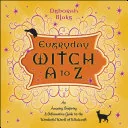
Deborah Blake’s "Everyday Witch A to Z" presents a refreshingly straightforward approach to a subject often shrouded in arcane jargon. Its alphabetical structure is its greatest asset, functioning as a readily accessible reference for both neophytes and those seeking to clarify specific terms. For instance, the entry on "Casting a Circle" offers a clear, step-by-step method that avoids unnecessary complexity. However, the book’s breadth sometimes comes at the expense of depth; while it introduces a vast array of topics, it occasionally feels more like a glossary than a profound exploration. The limitation lies in its brevity, which, while aiding accessibility, may leave some readers wanting more detailed theoretical underpinnings or historical context for certain practices. Blake’s strength is her ability to distill complex ideas into digestible explanations, making witchcraft feel less intimidating. It’s a solid, practical primer for the aspiring practitioner.
📝 Description
81
### What It Is Everyday Witch A to Z by Deborah Blake, first published in 2008, offers a comprehensive alphabetical guide to the principles and practices of modern witchcraft. It functions as a lexicon and a practical manual, demystifying a wide array of topics relevant to the solitary practitioner or small coven. The book covers everything from foundational concepts like deities and ethics to specific magical tools, spell components, and ritual structures. It aims to make esoteric knowledge accessible and applicable to daily life, bridging the gap between theoretical occultism and lived magical experience.
### Who It's For This work is primarily intended for individuals new to witchcraft or those seeking a structured reference for common magical terminology and practices. It caters to the solitary witch who may not have access to a formal coven or mentor, providing clear explanations and actionable advice. Those interested in understanding the diverse facets of contemporary Pagan and Wiccan traditions will find it a useful introductory text. It’s also suitable for experienced practitioners looking for a quick refresher or a different perspective on familiar subjects.
### Historical Context Published in 2008, "Everyday Witch A to Z" emerged during a period of significant growth and diversification within the Neopagan and witchcraft movements. The internet had already become a substantial platform for sharing esoteric knowledge, yet accessible, well-organized compendiums like Blake’s filled a need for structured learning. This era saw many authors attempting to synthesize disparate traditions and present witchcraft in a way that felt both ancient and relevant to modern life, moving away from some of the more rigid structures of earlier Wiccan traditions established by figures like Gerald Gardner in the mid-20th century.
### Key Concepts The book systematically explores numerous facets of witchcraft. Central to its approach is the concept of the "Everyday Witch," emphasizing that magical practice is not confined to special occasions but can be integrated into daily routines. It covers elemental correspondences, the Wheel of the Year, various forms of divination, and the ethical considerations of magic use. The alphabetical format ensures that readers can easily look up specific terms, such as "Amulets," "Chakras," or "Wards," and find concise, practical explanations designed for immediate application.
💡 Why Read This Book?
• Gain practical knowledge on specific magical tools and their uses, such as understanding the purpose and construction of an "Amulet" as detailed in the book's relevant section, enabling you to create your own protective charms. • Learn about the cyclical nature of magical practice by exploring "The Wheel of the Year," allowing you to align your rituals with seasonal shifts and natural energies, fostering a deeper connection to Earth's rhythms. • Discover clear definitions for common witchcraft terminology, like "Chakras," empowering you to understand energy systems and apply this knowledge to personal well-being and spiritual development.
⭐ Reader Reviews
Honest opinions from readers who have explored this book.
❓ Frequently Asked Questions
What is the primary purpose of Deborah Blake's "Everyday Witch A to Z"?
The book serves as an alphabetical guide and practical manual for modern witchcraft, aiming to demystify a wide range of esoteric topics and make them accessible for daily practice.
Who is the intended audience for "Everyday Witch A to Z"?
It is primarily aimed at beginner witches, solitary practitioners, or those new to Pagan and Wiccan traditions seeking a structured introduction to magical concepts and terminology.
When was "Everyday Witch A to Z" first published?
The book was first published in 2008, reflecting the growing interest and accessibility of witchcraft information in the early 21st century.
Does the book cover specific deities or pantheons?
Yes, the book addresses concepts related to deities, often discussing them in the context of modern witchcraft practices and personal connections rather than adhering to a single pantheon.
Is "Everyday Witch A to Z" suitable for experienced practitioners?
While ideal for beginners, experienced practitioners may find it a useful quick reference for clarifying terms or exploring Blake's specific interpretations and practical approaches to familiar subjects.
What kind of magical practices does the book discuss?
It covers a broad spectrum, including divination, spellcraft, ritual structure, correspondences, ethical considerations, and the use of magical tools and components.
🔮 Key Themes & Symbolism
Practical Application of Magic
Blake emphasizes that witchcraft is not an abstract philosophy but a series of actionable techniques integrated into everyday life. The book's structure itself, an alphabetized lexicon, facilitates quick access to practical advice on topics ranging from specific herbs and their uses to the construction of protective "Wards." It moves beyond mere theory, offering concrete steps for rituals, spellcasting, and creating sacred space, encouraging readers to see magic as a tool for tangible change and personal empowerment.
The Solitary Practitioner
A significant focus is placed on supporting the solitary witch, who practices magic outside of a formal coven structure. The book provides the foundational knowledge and reference points that might otherwise be gained through group learning. Concepts like "Casting a Circle" are explained with clarity, enabling an individual to establish a sacred space for personal practice. This approach acknowledges the growing number of individuals drawn to witchcraft independently, offering them a reliable and accessible resource for their spiritual path.
Accessible Esotericism
The work aims to demystify occult subjects, presenting them in a clear, straightforward manner. It breaks down complex ideas, such as "Chakras" or the "Wheel of the Year," into easily understandable components. By avoiding overly academic or archaic language, Blake makes esoteric knowledge approachable for a broad audience. This accessibility is crucial for fostering confidence in new practitioners and for integrating magical understanding into the fabric of modern living, bridging the gap between the mystical and the mundane.
Ethical Witchcraft
Blake implicitly and explicitly addresses the ethical dimensions of magical practice. While not a central theme in every entry, the underlying principle of responsible magic use is present. The focus on personal growth and positive manifestation, rather than manipulation or harm, guides the reader toward constructive magical endeavors. This aligns with contemporary ethical frameworks in many Pagan and Wiccan traditions that prioritize consent, personal responsibility, and minimizing negative impact.
💬 Memorable Quotes
“Magic is a tool, not a crutch.”
— This concise statement highlights the book's pragmatic approach, suggesting that magical practices should be used to enhance one's life and capabilities rather than as a substitute for personal effort or responsibility.
“The Wheel of the Year turns, bringing change and renewal.”
— This reflects the cyclical understanding of time prevalent in many witchcraft traditions, emphasizing natural rhythms and the ongoing process of transformation throughout the year.
“Everyday magic is simply living with intention.”
— This interpretation suggests that the core of practical witchcraft lies in mindful awareness and purposeful action, integrating spiritual principles into mundane activities.
“Know thyself, know thy craft.”
— This aphorism underscores the importance of self-awareness and study in developing one's magical abilities and understanding the principles of witchcraft.
“Tools are extensions of your will.”
— This highlights the symbolic and practical importance of magical implements, viewing them not as inherently powerful but as conduits that amplify the practitioner's focused intention.
🌙 Esoteric Significance
Tradition
The work aligns broadly with contemporary eclectic witchcraft and Neo-Paganism, drawing inspiration from various sources including Wicca, folk magic, and New Age spiritualities. It departs from highly structured, initiatory traditions by emphasizing personal interpretation and a solitary path. Its alphabetical format functions as a modern grimoire, making established esoteric concepts readily available without requiring adherence to a specific lineage or coven structure.
Symbolism
Key symbols include "The Wheel of the Year," representing the cyclical nature of life, death, and rebirth observed through seasonal festivals, and "Chakras," which are energy centers in the body adopted from yogic traditions, used here to understand personal energetic balance and spiritual development. "Amulets" also feature prominently as symbols of protective intent and focused magical energy.
Modern Relevance
This book continues to be relevant for practitioners of modern eclectic witchcraft and those exploring spiritual paths online. Its clear, accessible definitions make it a foundational text for many beginner courses and online communities. Thinkers and practitioners focused on practical spirituality, self-empowerment through ritual, and integrating magic into daily life find its approach valuable and adaptable to current spiritual trends.
👥 Who Should Read This Book
• Aspiring witches seeking a comprehensive yet accessible introduction to fundamental concepts, terminology, and practices, particularly those interested in solitary practice. • Individuals exploring Neopaganism or alternative spiritual paths who need a clear reference guide for common witchcraft terms and ethical considerations. • Those looking for a practical, alphabetically organized resource to quickly look up and understand specific magical tools, components, or ritual elements for immediate application.
📜 Historical Context
Published in 2008, "Everyday Witch A to Z" arrived as the internet had democratized access to esoteric knowledge, yet a need persisted for organized, beginner-friendly compendiums. The early 21st century saw a surge in Neopaganism and witchcraft, with authors like Scott Cunningham and Raymond Buckland having already laid significant groundwork. Blake’s work contributed to this landscape by offering a distinctly modern, accessible alphabetized format. Unlike some earlier, more ritualistically rigid Wiccan traditions, Blake’s approach embraced eclectic practices and solitary paths. The book emerged in an era where witchcraft was increasingly visible, moving from fringe counter-culture to a more recognized spiritual option, though still occasionally facing misperceptions fueled by older media portrayals. Its reception was generally positive among those seeking practical, non-dogmatic introductions to the craft.
📔 Journal Prompts
The concept of "Everyday Magic" and its integration into daily routines.
Reflecting on the purpose and construction of personal "Amulets."
Understanding the cyclical nature represented by "The Wheel of the Year."
Exploring the significance of "Casting a Circle" for personal practice.
Identifying how "Chakras" relate to personal well-being and spiritual balance.
🗂️ Glossary
A to Z Format
A method of organization where information is presented in alphabetical order, allowing for quick reference and easy lookup of specific terms or concepts.
Amulet
An object believed to possess protective or magical properties, often worn or carried by an individual to ward off harm or attract good fortune.
Casting a Circle
A ritual practice used in many witchcraft traditions to create a sacred or protected space for magical work, often involving visualization and spoken words.
Chakras
Energy centers within the body, originating from Hindu yogic traditions, often discussed in witchcraft for their role in physical, emotional, and spiritual balance.
Divination
The practice of seeking knowledge of the future or the unknown by supernatural means, using tools like tarot cards, runes, or scrying.
Solitary Practitioner
An individual who practices witchcraft or other spiritual paths independently, without formal affiliation to a coven or group.
The Wheel of the Year
A cyclical calendar representing the eight major festivals (sabbats) observed in many Wiccan and Neo-Pagan traditions, marking the changing seasons.