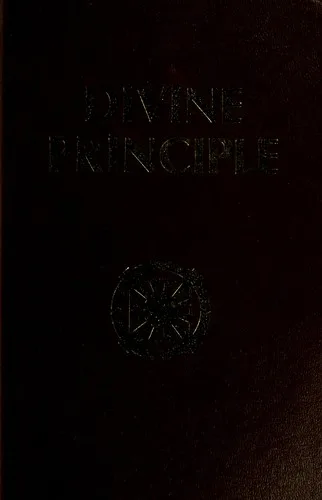
A Beginner's Guide To Tarot
 83
83

A Beginner's Guide To Tarot
Kathleen Olmstead's "A Beginner's Guide To Tarot" offers a commendable, no-nonsense introduction to a practice often shrouded in mystique. Its strength lies in its clarity; Olmstead avoids the often-dense jargon that can deter newcomers. The explanations of the Major Arcana, particularly how cards like The Fool and The World function as archetypal anchors, are well-articulated. However, the book's brevity, while an asset for beginners, means that deeper dives into the historical or philosophical underpinnings of specific cards, such as the nuanced symbolism within the suit of Swords, are somewhat limited. A particularly effective section is its straightforward approach to the court cards, presenting them as distinct personalities rather than mere hierarchical markers. For its intended audience, this guide provides a solid, if not exhaustive, foundation for engaging with tarot readings.
📝 Description
83
Kathleen Olmstead's 2014 book demystifies the 78-card tarot deck for newcomers.
A Beginner's Guide To Tarot by Kathleen Olmstead aims to make the 78-card tarot deck understandable for individuals new to cartomancy. The book details the deck's structure and symbolism in clear terms, breaking down the practice into manageable parts. It is written for those curious about tarot's use in self-discovery and divination. Readers will learn about the Major and Minor Arcana, simple spreads, and how to interpret card meanings for personal questions regarding relationships, career, and life decisions. The author addresses readers who may have felt intimidated by other tarot literature.
The guide focuses on the deck's division into the 22 Major Arcana, which represent life lessons and archetypes, and the 56 Minor Arcana, which reflect daily events. It highlights the significance of the four suits—Wands, Cups, Swords, and Pentacles—and the numbered cards within the Minor Arcana, explaining their narrative flow. The central idea is that mastering these elements allows access to personal guidance and insight.
Tarot, originating in 15th-century Italy, evolved from a game into a tool for divination and esoteric study. Figures like Eliphas Lévi in the 19th century contributed to its occult associations. Modern tarot practices often reference systems like the Rider-Waite-Smith deck or Aleister Crowley's Thoth deck. Olmstead's guide enters this tradition by offering a clear pathway for beginners, connecting the historical practice to contemporary personal inquiry.
💡 Why Read This Book?
• Learn the fundamental structure of a 78-card tarot deck, including the distinct roles of the 22 Major Arcana and 56 Minor Arcana, as detailed in the book's introductory sections. • Gain practical skills for interpreting card meanings by understanding the core symbolism of the four suits (Wands, Cups, Swords, Pentacles) and their associated elements. • Develop the ability to perform simple tarot readings for yourself or others by following the accessible instructions on basic spreads presented in the guide.
⭐ Reader Reviews
Honest opinions from readers who have explored this book.
❓ Frequently Asked Questions
What is the historical origin of the tarot deck?
The tarot deck originated in 15th-century Northern Italy, initially as a card game called 'tarocchi'. It wasn't until the late 18th century that occultists began exploring its divinatory and symbolic potential, leading to its widespread use in esoteric practices.
How many cards are in a standard tarot deck, and what are the main divisions?
A standard tarot deck contains 78 cards. These are divided into the 22 Major Arcana, which represent significant life events and archetypes, and the 56 Minor Arcana, further broken down into four suits (Wands, Cups, Swords, Pentacles).
What are the four suits in the Minor Arcana and their general meanings?
The four suits are Wands (often associated with inspiration, creativity, and action), Cups (emotions, relationships, and intuition), Swords (intellect, conflict, and challenges), and Pentacles (material world, finances, and practicality).
Does this book teach how to read tarot for others?
Yes, "A Beginner's Guide To Tarot" provides instructions for performing basic tarot readings. It guides readers through interpreting card combinations and applying them to common questions about life, friendships, and careers.
When was "A Beginner's Guide To Tarot" first published?
"A Beginner's Guide To Tarot" by Kathleen Olmstead was first published on September 30, 2014. This edition aims to offer a contemporary and accessible entry into the study of tarot.
What is the difference between the Major and Minor Arcana?
The Major Arcana cards represent significant life lessons, spiritual journeys, and archetypal forces, often indicating major turning points. The Minor Arcana cards reflect the day-to-day events, challenges, and circumstances encountered in life.
🔮 Key Themes & Symbolism
Archetypal Journey
The Major Arcana are presented as stages in a universal human journey, beginning with The Fool and culminating with The World. This framework provides a narrative structure for understanding life's significant transitions and lessons. Each card embodies an archetype that individuals may encounter or embody at various points in their lives, offering insights into personal growth and spiritual development.
The Four Elements
Olmstead details how the four suits of the Minor Arcana—Wands, Cups, Swords, and Pentacles—are each aligned with one of the four classical elements: Fire, Water, Air, and Earth, respectively. This elemental correspondence is crucial for understanding the nature of the energies and situations each suit represents, linking the mundane to the cosmic.
Divinatory Interpretation
The book emphasizes tarot's utility as a tool for divination and self-reflection. It guides readers on how to ask questions and interpret the symbolic language of the cards to gain clarity on friendships, careers, and personal matters. The focus is on practical application for understanding patterns and potential future outcomes.
Structure of the Deck
A core theme is the systematic breakdown of the 78-card deck. This includes understanding the numerical progression within each suit of the Minor Arcana and the distinct roles of the court cards (Page, Knight, Queen, King) as messengers or personalities within a reading. This structural understanding is foundational for accurate interpretation.
💬 Memorable Quotes
Direct passages from the work, attributed to the author.
“The Major Arcana represent the great archetypes of life's journey.”
— This statement highlights the book's approach to the Major Arcana as foundational spiritual lessons and universal patterns of human experience, rather than just individual cards.
“Each suit in the Minor Arcana corresponds to an element: Wands to Fire, Cups to Water, Swords to Air, and Pentacles to Earth.”
— This emphasizes the symbolic system linking the suits to elemental energies, a key concept for beginners to grasp the underlying nature of the cards' meanings.
“Understanding the court cards can reveal distinct personalities or approaches to situations.”
— This interpretation focuses on the book's advice to view court cards as active agents or characters, offering dynamic insights beyond simple keywords.
“Patterns repeat in life, and tarot can illuminate why.”
— This interpretation points to the book's utility in self-analysis, suggesting tarot can reveal recurring themes or lessons, aiding personal growth and breaking negative cycles.
💡 Key Ideas
Editorial paraphrase of the work's core concepts — not direct quotes.
Tarot can help you discover how you can take hold of your future.
This paraphrased concept underscores the book's practical and empowering message: tarot is a tool for gaining agency and making informed choices about one's path.
🌙 Esoteric Significance
Tradition
This work aligns with the modern Western esoteric tradition that views tarot as a symbolic language for self-discovery and divination, a practice significantly shaped by 19th-century occultists. While not looking at complex Kabbalistic or Hermetic correspondences as deeply as some predecessors, it serves as an accessible gateway, introducing core concepts like archetypes and elemental associations that are central to these traditions.
Symbolism
Key symbols include the archetypal figures of the Major Arcana, such as The Magician representing will and manifestation, and The High Priestess embodying intuition and the subconscious. The four suits of the Minor Arcana—Wands (Fire), Cups (Water), Swords (Air), and Pentacles (Earth)—represent fundamental forces and experiences, providing a framework for understanding the flow of energy and events.
Modern Relevance
Olmstead's guide appeals to contemporary practitioners of mindfulness and self-help who use tarot as a psychological tool for introspection. It connects to the ongoing interest in intuitive arts and personal development, providing a foundational understanding for those exploring modern spiritual practices or engaging with systems like Jungian psychology through symbolic interpretation.
👥 Who Should Read This Book
• Aspiring cartomancers seeking a clear, step-by-step introduction to the 78-card tarot deck and its basic interpretation principles. • Individuals interested in self-reflection and personal growth who wish to explore tarot as a tool for understanding life patterns and potential futures. • Those curious about the symbolism and historical context of tarot but intimidated by more complex esoteric literature.
📜 Historical Context
Published in 2014, Kathleen Olmstead's "A Beginner's Guide To Tarot" enters a field already rich with diverse traditions. The modern popularization of tarot for divination largely began in the late 18th century with figures like Antoine Court de Gébelin and later occultists such as Eliphas Lévi and the Hermetic Order of the Golden Dawn in the late 19th and early 20th centuries. These groups integrated tarot into complex systems of Western esotericism, often linking it to Kabbalah and astrology. The Rider-Waite-Smith deck, illustrated by Pamela Colman Smith and published in 1909, became a dominant force, influencing countless subsequent decks and interpretations. Olmstead's work, while acknowledging this lineage, specifically aims to simplify the entry into tarot for a contemporary audience, offering a direct, less academically dense approach compared to foundational texts like A.E. Waite's "The Pictorial Key to the Tarot" (1910).
📔 Journal Prompts
The Fool's journey: Trace the arc from The Fool to The World in your own life's narrative.
Elemental balance: Assess the current influence of Fire, Water, Air, and Earth in your daily life.
Court card archetypes: Identify which court card (Page, Knight, Queen, King) best represents your current approach to challenges.
The Lovers' dichotomy: Reflect on a significant choice and the energies represented by The Lovers card.
The Wheel of Fortune's cycles: Consider a recent turn of events and how it aligns with the concept of cyclical change.
🗂️ Glossary
Major Arcana
The 22 trump cards in a tarot deck, representing significant life lessons, spiritual archetypes, and major events or turning points in a person's journey.
Minor Arcana
The 56 cards in a tarot deck, divided into four suits, which typically represent everyday events, challenges, and circumstances encountered in life.
Wands
One of the four suits in the Minor Arcana, often associated with the element of Fire. It relates to inspiration, creativity, passion, action, and spiritual pursuits.
Cups
One of the four suits in the Minor Arcana, associated with the element of Water. It governs emotions, relationships, intuition, love, and feelings.
Swords
One of the four suits in the Minor Arcana, associated with the element of Air. It represents intellect, thoughts, communication, conflict, challenges, and truth.
Pentacles
One of the four suits in the Minor Arcana, associated with the element of Earth. It relates to the material world, finances, career, health, and practical matters.
Court Cards
The four picture cards in each suit of the Minor Arcana: Page, Knight, Queen, and King. They can represent people, personality types, or specific approaches to situations.