フルーツバスケット 15

 72
72

フルーツバスケット 15
Volume 15 of Natsuki Takaya's "Fruits Basket" arrives with the narrative momentum of a series well into its stride. The continued exploration of Tohru Honda's unwavering empathy against the backdrop of the Sohma family's complex curse remains the work’s central pillar. A particular strength lies in the nuanced portrayal of Akito Sohma's internal struggles, offering glimpses into the psychological toll of his perceived divine role. However, the pacing in this particular installment can feel somewhat deliberate, occasionally slowing the overall narrative progression. The handling of Kyo's volatile emotional state, while consistent with his character arc, sometimes verges on repetitive. Despite this, the series' consistent focus on healing and understanding through connection makes even its slower moments meaningful. The narrative, by 2004, had solidified its unique blend of whimsy and emotional weight.
📝 Description
72
Published in 2004, Fruits Basket volume 15 continues Tohru Honda's entanglement with the cursed Sohma family.
This installment of Natsuki Takaya's "Fruits Basket" series, released in 2004, picks up the story of Tohru Honda and her connection to the Sohma family. The narrative follows Tohru as she interacts with members of the family, each bound by a curse that causes them to transform into animals of the Chinese zodiac when embraced by someone of the opposite sex. The volume develops the ongoing plotlines and character relationships established in earlier books.
Readers invested in the saga of "Fruits Basket" will find this volume a natural progression of the story. It appeals to those who appreciate narratives centered on character development, exploring themes of familial bonds, past traumas, and the healing power of human connection. The story balances everyday life with its supernatural premise, offering a blend of slice-of-life elements rooted in folklore.
The "Fruits Basket" manga, which began serialization in 1998, draws heavily on the lore of the Chinese zodiac. This ancient system provides the framework for the Sohma family's curse, where each member embodies an animal spirit due to an old pact. This supernatural affliction is not merely a plot device; it shapes the characters' emotional lives, leading to isolation and internal struggles. The narrative examines how these folkloric constraints affect the characters' daily existence as they seek acceptance and freedom from their inherited burdens.
💡 Why Read This Book?
• Gain insight into the specific dynamics of the Sohma family curse as it impacts characters in Volume 15, understanding how ancient pacts manifest in modern relationships. • Witness Tohru Honda's persistent kindness as she navigates the intricate emotional landscape of the Sohma household, offering a model for empathetic interaction. • Explore the psychological underpinnings of Akito Sohma's character, examining the burdens of leadership and isolation within a family bound by supernatural constraints.
⭐ Reader Reviews
Honest opinions from readers who have explored this book.
❓ Frequently Asked Questions
When was Fruits Basket Volume 15 originally published in Japan?
Fruits Basket Volume 15 was first published in Japan in 2004, continuing the serialization of Natsuki Takaya's acclaimed shojo manga series.
What is the central premise of the Fruits Basket manga?
The manga follows Tohru Honda, an orphan who discovers the Sohma family's secret: they are cursed to transform into animals of the Chinese zodiac when hugged by someone of the opposite sex.
Who is the author of Fruits Basket?
The author of Fruits Basket is Natsuki Takaya, who began publishing the series in 1998.
What are the main themes explored in Fruits Basket?
Key themes include family trauma, acceptance, overcoming adversity, the impact of curses (both literal and metaphorical), and the power of empathy and human connection.
Is Volume 15 a good starting point for new readers?
No, Volume 15 is part of an ongoing series that began in 1998. It is recommended to start from the beginning to fully appreciate the character development and plot.
What genre does Fruits Basket fall under?
Fruits Basket is primarily categorized as shojo manga, often incorporating elements of romance, comedy, drama, and supernatural fiction.
🔮 Key Themes & Symbolism
The Sohma Curse's Manifestation
This volume continues to explore the tangible and intangible effects of the Sohma family's zodiac curse. The narrative illustrates how the curse isn't merely a physical transformation but a deep-seated psychological burden, affecting relationships, self-perception, and the characters' ability to form bonds. The specific animal forms, tied to the ancient Chinese zodiac cycle, serve as constant reminders of their inherited affliction, isolating them from normal society and creating unique challenges in their daily lives.
Tohru's Empathetic Influence
Tohru Honda's role as a catalyst for change remains central. Her unwavering kindness and acceptance begin to chip away at the hardened emotional defenses of the Sohmas, particularly those who have suffered most under the curse. She represents an external force of unconditional positive regard, challenging the family's ingrained patterns of abuse and neglect and offering a path toward healing by simply being present and understanding.
Internalized Family Trauma
The volume explores the generational trauma within the Sohma family, where the curse has fostered an environment of fear, control, and emotional abuse. Characters grapple with the legacy of their predecessors, particularly Akito Sohma's authoritarian rule and the psychological damage it inflicts. This exploration highlights how familial dysfunction, exacerbated by the supernatural curse, can create deep-seated emotional scars that require significant effort to overcome.
Seeking Freedom and Belonging
Despite the oppressive nature of the curse and family structure, the characters persistently seek a sense of freedom and belonging. This volume shows individuals within the Sohma family striving to break free from the predetermined roles and expectations imposed upon them. Their journey is one of self-discovery, learning to define themselves beyond the curse and finding solace and connection with others who understand their unique struggles.
💬 Memorable Quotes
Direct passages from the work, attributed to the author.
“Tohru Honda's empathy offers a path to healing.”
— This captures the essence of Tohru's character, emphasizing her role as a source of comfort and understanding that helps the cursed Sohmas confront their emotional pain.
“Akito Sohma's isolation fuels his control.”
— This interpretation focuses on Akito's character, suggesting that his loneliness and unique position within the family contribute to his authoritarian behavior and the oppressive atmosphere.
“Breaking free from inherited burdens is a central quest.”
— This reflects the overarching theme of characters striving to escape the destiny imposed by the family curse and their ancestors' actions, seeking personal liberation.
“Connection with others can alleviate suffering.”
— This captures the narrative's emphasis on relationships as a means of support and healing, showing how shared experiences and understanding help characters cope with their afflictions.
💡 Key Ideas
Editorial paraphrase of the work's core concepts — not direct quotes.
The Sohma family's curse is a deep psychological burden.
This paraphrased concept highlights that the zodiac transformations are more than just a physical phenomenon; they represent a profound internal struggle impacting the characters' mental and emotional well-being.
🌙 Esoteric Significance
Tradition
While "Fruits Basket" is not explicitly a work of traditional Western esotericism like Hermeticism or Kabbalah, it draws heavily on Eastern folklore and cyclical cosmology, particularly the Chinese zodiac. The concept of the curse and its connection to ancient pacts and animal spirits can be seen as a narrative exploration of karmic imprints and inherited burdens, concepts that find parallels in various spiritual traditions. The narrative's focus on purification, emotional release, and finding inner peace echoes themes found in spiritual and mystical paths seeking transcendence over worldly suffering.
Symbolism
The most prominent symbol is the Chinese zodiac itself, with each animal representing specific personality traits and archetypes that the Sohma family members embody. The Cat, notably absent from the zodiac in the story's lore, serves as a symbol of exclusion and longing. Akito's god-like status within the family and the estate represents a form of imposed divinity or spiritual authority that is ultimately shown to be a source of suffering rather than enlightenment.
Modern Relevance
Contemporary manga and anime artists continue to explore themes of inherited trauma, mental health, and the search for belonging, often with supernatural or fantastical elements that echo "Fruits Basket." The series' success paved the way for other shojo manga to tackle more mature emotional and psychological issues. Modern readers and creators are drawn to its nuanced portrayal of complex family relationships and its message of hope through empathy, making it a touchstone for stories that blend the mundane with the mystical.
👥 Who Should Read This Book
• Fans of Natsuki Takaya's "Fruits Basket" series seeking the continuation of Tohru Honda's journey and the Sohma family's saga. • Readers interested in character-driven narratives that explore complex family dynamics, emotional healing, and the impact of curses or inherited burdens. • Individuals who appreciate shojo manga that balances lighthearted moments with profound explorations of psychological themes and interpersonal relationships.
📜 Historical Context
Natsuki Takaya's "Fruits Basket" manga, with Volume 15 released in 2004, emerged during a vibrant period for shojo manga globally. The series first appeared in "Hana to Yume" in 1998, a magazine known for its popular romantic and fantasy titles. By the early 2000s, "Fruits Basket" had already achieved significant international recognition, bolstered by anime adaptations that premiered in 2001. This period saw a surge in the popularity of Japanese popular culture worldwide, with manga and anime becoming mainstream phenomena. While not directly engaging with academic esoteric traditions, Takaya's work tapped into a cultural fascination with folklore, mythology (specifically the Chinese zodiac), and the psychological underpinnings of family dynamics, themes that resonated widely. The series gained critical attention for its blend of lighthearted comedy and serious emotional depth, distinguishing itself from simpler romance titles and earning a devoted readership that appreciated its more complex characterizations and thematic explorations.
📔 Journal Prompts
The Sohma family curse and its impact on character interactions.
Tohru Honda's unwavering empathy in challenging situations.
Akito Sohma's internal conflict and its outward manifestations.
The symbolism of animal transformations within the narrative.
Moments of seeking freedom from familial or societal expectations.
🗂️ Glossary
Shojo Manga
A category of Japanese comics and graphic novels targeted at young female readers. It often features romance, emotional drama, and coming-of-age themes, though genres can vary widely.
Chinese Zodiac
A traditional classification scheme based on the lunar calendar that assigns an animal and its reputed attributes to each year in a repeating 12-year cycle. The animals are Rat, Ox, Tiger, Rabbit, Dragon, Snake, Horse, Goat, Monkey, Rooster, Dog, and Pig.
Curse
In the context of "Fruits Basket," a supernatural affliction binding the Sohma family members to zodiac animal spirits, causing them to transform when embraced by someone of the opposite sex or under emotional distress.
Tohru Honda
The protagonist of "Fruits Basket," an orphaned high school girl whose kindness and empathy become a crucial influence on the cursed members of the Sohma family.
Sohma Family
A wealthy and prominent family in "Fruits Basket," many of whose members are afflicted by the zodiac curse, leading to isolation and emotional turmoil.
Akito Sohma
The enigmatic and authoritarian head of the Sohma family, who holds significant power over the cursed members and is central to the family's complex dynamics and trauma.
Kyo Sohma
A central character cursed to transform into the Cat, often depicted as hot-headed but with a deep-seated vulnerability and a complex relationship with Tohru and Akito.
🔮 Readers Also Liked
Browse all →







More by 高屋奈月
All books →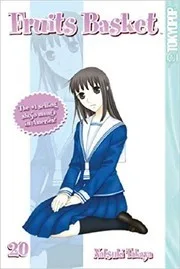





More Free Astrology & Cosmology Books
View all →