Vedic Astrology
 80
80

Vedic Astrology
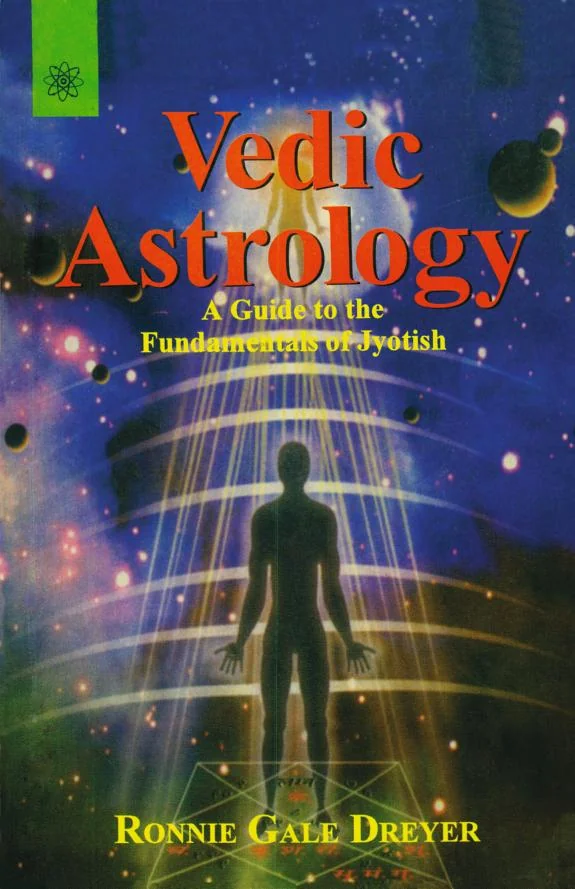
Ronnie Gale Dreyer’s *Vedic Astrology* offers a commendably clear path into Jyotish for those unfamiliar with its intricate structure. The author succeeds in demystifying concepts like the Nakshatras and Dasha systems, which can often feel opaque to newcomers. A particular strength lies in the book’s systematic approach to chart interpretation, moving logically through planetary placements, house rulerships, and divisional charts. However, the book, while excellent for beginners, may leave more experienced Vedic astrologers wanting deeper explorations of advanced predictive techniques or nuanced philosophical discussions. The original blurb's praise for its 'dazzling tour de force' feels slightly overstated for a foundational text; it is more accurately a solid, well-organized primer. Still, for anyone ready to wade into the ocean of Vedic astrology, as the blurb suggests, this book provides an excellent, stable place to begin. It is a worthy contribution to the expanding body of Vedic astrological literature available in English.
📝 Description
80
Ronnie Gale Dreyer and James Braha's 2005 book introduces the ancient Indian system of Jyotish.
This book lays out the core principles of Vedic astrology, known as Jyotish. It explains how planets (grahas) and zodiac signs (rashis) function within the house system (bhava). The text covers the Nakshatras, or lunar mansions, which add another layer to chart interpretation. It also discusses the Dasha systems, which are methods for timing events. The authors present birth charts not just as predictions, but as indicators of destiny and karma.
The approach taken here is structured, moving past simple meanings to show how these elements combine. The goal is to help readers understand a birth chart as a map of a person's life path. It aims to provide a solid grasp of the interpretive and predictive techniques central to this astrological tradition.
Vedic astrology, or Jyotish, is an ancient system originating in India. Its texts are thousands of years old, though systematic study and translation in the West gained momentum in the late 20th and early 21st centuries. This book emerged during a period of increased interest in Eastern philosophical and spiritual traditions among Western audiences. Jyotish is often studied alongside other Indian sciences and philosophies, such as Vedanta and Yoga, due to its shared cosmological and karmic frameworks.
💡 Why Read This Book?
• Gain a foundational understanding of Karma as expressed through astrological charts, learning how planetary configurations at birth, as detailed in chapters on Grahas and Rashis, are seen as the manifestation of past life actions. • Grasp the predictive power of the Vimshottari Dasha system, a core timing mechanism in Vedic astrology, and understand how its planetary periods are calculated and interpreted to forecast life events. • Explore the nuanced layers of interpretation provided by the 27 Nakshatras, the lunar mansions, and discover how specific Nakshatras, like Ardra, can offer detailed insights into individual characteristics and potential life experiences.
⭐ Reader Reviews
Honest opinions from readers who have explored this book.
❓ Frequently Asked Questions
What is the primary difference between Vedic astrology and Western astrology?
Vedic astrology, or Jyotish, uses a sidereal zodiac which aligns with the fixed stars, differing from the tropical zodiac used in Western astrology. Jyotish also places a strong emphasis on lunar mansions (Nakshatras) and unique planetary periods (Dashas) for prediction.
When was Vedic Astrology by Ronnie Gale Dreyer first published?
The book 'Vedic Astrology' by Ronnie Gale Dreyer was first published on January 1, 2005.
Is Vedic Astrology suitable for complete beginners?
Yes, this book is specifically recommended for newcomers to Vedic astrology. It provides a structured and accessible introduction to its fundamental principles and interpretive techniques.
What are Nakshatras in Vedic astrology?
Nakshatras are lunar mansions, dividing the ecliptic into 27 segments. They offer a more detailed and nuanced layer of interpretation than the 12 zodiac signs, providing deeper insights into personality and events.
Can Vedic Astrology help in understanding life challenges?
Yes, Vedic astrology views the birth chart as a map of karma. By understanding planetary placements, Dashas, and Nakshatras, individuals can gain insight into the roots of their challenges and potential paths forward.
Who else contributed to the understanding of Vedic Astrology in English around the time of this book's publication?
Around the early 2000s, alongside Ronnie Gale Dreyer, authors like K. N. Rao and Hart de Fouw were also instrumental in disseminating Vedic astrology knowledge in English.
🔮 Key Themes & Symbolism
Karma and Destiny
The book positions Vedic astrology as a framework for understanding karma, the principle of action and consequence across lifetimes. Charts are presented not as rigid fate, but as a map of one's karmic inheritance and the potential pathways available. It explains how planetary positions, particularly the influence of malefic planets or challenging yogas, can be interpreted as the unfolding of past actions, offering a perspective on life's circumstances through a lens of cosmic justice and spiritual evolution.
The Lunar Mansions (Nakshatras)
Central to Vedic interpretation, the Nakshatras represent a finer division of the zodiac than the standard 12 signs. This work details the unique characteristics, ruling deities, and symbolic meanings associated with each of the 27 Nakshatras. Understanding these lunar mansions, such as the fiery Krittika or the nurturing Rohini, allows for a more precise delineation of personality traits, psychological tendencies, and specific life events, adding a rich layer of complexity to chart analysis.
Predictive Timing (Dasha Systems)
A hallmark of Jyotish is its sophisticated system of planetary periods, or Dashas, which govern the timing of events throughout life. The book focuses on the widely used Vimshottari Dasha system, explaining how these periods are calculated based on the Moon's Nakshatra at birth. It illustrates how shifts in Dasha periods, such as entering a Jupiter or Saturn Mahadasha, can signify major transitions, opportunities, or challenges, providing a framework for forecasting life's unfolding narrative.
Planetary Yogas and Influences
The interplay of planets (Grahas) within signs (Rashis) and houses (Bhavas) forms the core of astrological interpretation. This text explains how specific planetary combinations, known as Yogas, can create potent influences, either auspicious or challenging. It explores how conjunctions, oppositions, and planetary rulerships, such as the strength of a Jupiter-Sun combination, can indicate specific strengths, weaknesses, or destined outcomes, guiding readers to interpret these celestial formations within a chart.
💬 Memorable Quotes
Direct passages from the work, attributed to the author.
“This is a book that I would recommend to anyone who is thinking of learning Vedic Astrology.”
— This early endorsement highlights the book's accessibility and suitability for individuals beginning their study of Jyotish.
“A worthy contribution to the limited although expanding number of vedic books.”
— This statement underscores the book's value within the context of its publication year, acknowledging the growing but still developing body of Vedic astrological literature in English.
“A dazzling tour de force on a topic that needs elucidation for modern astrologers.”
— This phrase suggests the book's comprehensive and impressive handling of Vedic astrology, aiming to clarify its principles for contemporary practitioners.
“Readers thinking about taking a dip in the ocean of vedic astrology will find this book an excellent place to wade in.”
— This metaphor emphasizes the book's role as a gentle, supportive entry point for those curious about Vedic astrology, positioning it as a safe and manageable introduction.
“Vedic veterans will find this book an excellent place to wade in.”
— This suggests that even experienced practitioners might find value in the book, perhaps as a reference or a refresher on foundational concepts.
🌙 Esoteric Significance
Tradition
Vedic Astrology, or Jyotish, belongs to the vast corpus of Indic spiritual and philosophical sciences, deeply intertwined with Vedic cosmology and concepts of Dharma and Karma. It is distinct from Western Hermetic or Kabbalistic traditions, though comparative studies often explore parallels. Jyotish functions as a sacred science, offering insights into the divine order and the unfolding of individual destiny within a cosmic framework, serving as a tool for spiritual self-understanding and alignment.
Symbolism
Key symbols include the Grahas (planets), such as Saturn (Shani) representing discipline and consequence, and Jupiter (Guru) symbolizing wisdom and expansion. The Rashis (zodiac signs) and Bhavas (houses) further delineate life areas and energies. The Nakshatras, or lunar mansions, are particularly potent symbols, each with unique deities and mythologies, offering intricate layers of meaning beyond the broader zodiacal divisions.
Modern Relevance
Contemporary practitioners of Vedic astrology, including many who engage with comparative systems, draw heavily on foundational texts like Dreyer's work. Thinkers in the consciousness studies and transpersonal psychology fields also find Jyotish a valuable lens for exploring the relationship between the psyche and cosmic cycles. Its emphasis on karma and destiny continues to resonate with individuals seeking meaning and purpose in a rapidly changing world.
👥 Who Should Read This Book
• Aspiring Vedic astrologers seeking a clear, structured introduction to Jyotish principles, including the basics of planetary influences, house systems, and the Nakshatras. • Western astrologers interested in expanding their astrological repertoire by learning a different predictive and interpretive system that emphasizes karma and lunar cycles. • Students of comparative religion and esotericism looking to understand the philosophical underpinnings and practical application of a major Indian spiritual science.
📜 Historical Context
Ronnie Gale Dreyer's *Vedic Astrology*, published in 2005, emerged during a period of significant Western interest in Eastern esoteric traditions. While Jyotish has ancient roots, its systematic introduction to a broader English-speaking audience gained momentum in the late 20th and early 21st centuries. Authors like K. N. Rao were already publishing influential works on Vedic astrology, offering complex predictive techniques. Dreyer's book aimed to synthesize and clarify these principles for a readership potentially more familiar with Western astrology. The early 2000s saw a growing academic and popular engagement with comparative systems of divination and cosmology, with Dreyer's work contributing to this expanding discourse, providing a structured approach amidst a burgeoning field.
📔 Journal Prompts
The role of Saturn (Shani) in one's birth chart and its karmic implications.
Personal reflections on the Vimshottari Dasha periods experienced.
How the Nakshatra of the Moon shapes daily emotional patterns.
Interpreting the significance of specific Graha-Rashi combinations.
Mapping personal life events to the twelve Bhavas (houses).
🗂️ Glossary
Jyotish
The Sanskrit term for Vedic astrology, literally meaning 'the science of light.' It encompasses the study of celestial bodies to understand cosmic influences on earthly life and individual destiny.
Graha
Literally 'seizer,' referring to the nine celestial bodies (Sun, Moon, Mars, Mercury, Jupiter, Venus, Saturn) and the lunar nodes (Rahu, Ketu) used in Vedic astrology for predictive interpretation.
Rashi
The twelve zodiac signs used in Vedic astrology, corresponding to the divisions of the ecliptic. These are similar to Western zodiac signs but are calculated using the sidereal zodiac.
Bhava
The twelve houses of the astrological chart, representing different areas of life such as self, wealth, siblings, home, children, health, marriage, and spirituality.
Nakshatra
A lunar mansion; one of the 27 divisions of the ecliptic, each spanning 13 degrees and 20 minutes. They provide a more detailed layer of interpretation than the Rashi signs.
Dasha
A system of planetary periods used in Vedic astrology to time life events. The Vimshottari Dasha system is the most common, based on the Moon's Nakshatra at birth.
Yoga
A specific combination of planets or planetary placements in a birth chart that is believed to produce a particular result or influence, often indicating destiny or significant life events.
This book appears in 1 collection
🔮 Readers Also Liked
Browse all →









From the “Vedic Astrology” Collection
View all →








More Free Astrology & Cosmology Books
View all →