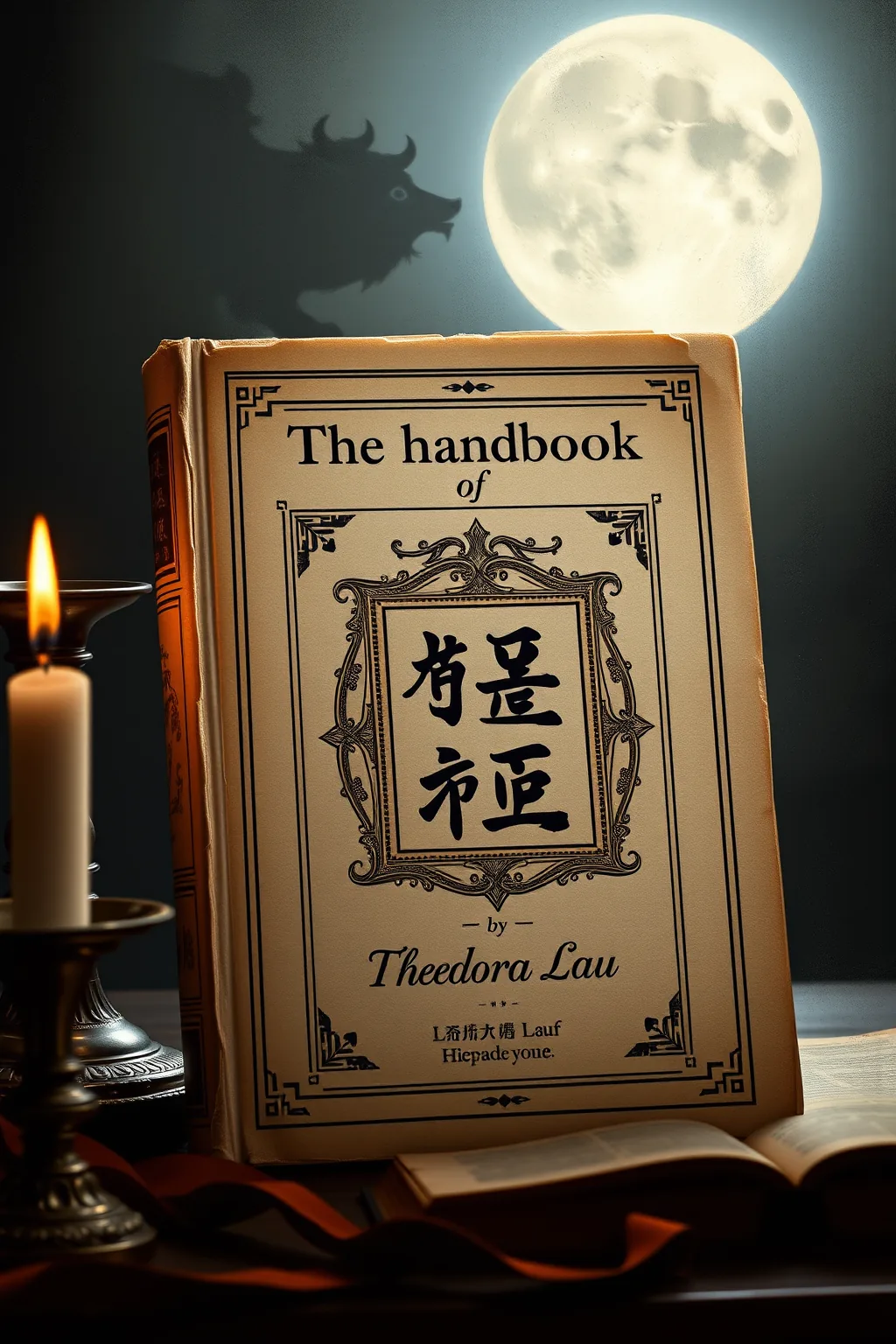
The Handbook of Chinese Horoscopes
 79
79

The Handbook of Chinese Horoscopes
Theodora Lau's Handbook of Chinese Horoscopes offers a straightforward, accessible entry into a complex astrological system. Its strength lies in its clarity, presenting the twelve animal signs and their core attributes without excessive jargon, making it suitable for newcomers. The work explores the cyclical nature of the zodiac and its elemental influences, providing a solid foundation for understanding. However, the book's primary limitation is its lack of depth regarding the more intricate calculations and historical evolution of Chinese astrology, such as the Five Elements and the Yin/Yang interactions, which are only touched upon. A particular passage detailing the compatibility between the Dragon and the Rabbit highlights the book's tendency towards generalized advice rather than nuanced analysis. Ultimately, it serves as a useful primer but falls short of being a definitive scholarly resource.
📝 Description
79
Theodora Lau's Handbook of Chinese Horoscopes, first published in 2018, decodes the 12 zodiac animals.
This volume introduces the twelve animals of the Chinese zodiac and their associated traits. It examines the system of Chinese astrology, which is based on a lunar calendar and a 12-year cycle. The book details the personality qualities, strengths, weaknesses, and compatibilities for individuals born under each animal sign. This provides a way to understand personal destiny and relationships.
The handbook is for anyone interested in the Chinese zodiac, from beginners to those seeking more knowledge. It acts as a practical manual for self-discovery, analyzing relationships, and learning about the effect of celestial cycles on human life. Readers familiar with detailed astrological systems and those who wish to compare them to Western traditions will find it useful.
The system of Chinese astrology has a history of thousands of years, preceding many Western astrological traditions. Its beginnings are tied to ancient Chinese cosmology, philosophy such as Taoism, and the creation of the lunisolar calendar. Unlike the solar-based Western zodiac, Chinese astrology primarily follows the moon. The character of each year is defined by one of the twelve zodiac animals and one of the five elements.
Chinese astrology is an ancient system with roots in Taoist philosophy and cosmology, predating many Western traditions. It uses a lunisolar calendar where the character of the year is determined by one of twelve animals and one of five elements. This cyclical view of time and fortune contrasts with Western astrology's solar focus. The book centers on the Twelve Earthly Branches, linking each animal sign to specific qualities and interactions that shape relationships and life paths.
💡 Why Read This Book?
• Gain a clear understanding of the 12 Chinese zodiac animals and their associated personality traits, offering insights you won't find in general Western astrology. • Explore the concept of the 12-year lunar cycle and its impact on character and destiny, providing a unique cyclical perspective on life events. • Discover the foundational principles of Chinese animal compatibility, enabling a new way to analyze relationships beyond typical Western astrological pairings.
⭐ Reader Reviews
Honest opinions from readers who have explored this book.
❓ Frequently Asked Questions
When was Theodora Lau's The Handbook of Chinese Horoscopes first published?
Theodora Lau's The Handbook of Chinese Horoscopes was first published in 2018, making it a relatively recent compilation of traditional Chinese astrological knowledge.
What are the twelve animals in the Chinese zodiac?
The twelve animals of the Chinese zodiac, in order, are the Rat, Ox, Tiger, Rabbit, Dragon, Snake, Horse, Goat, Monkey, Rooster, Dog, and Pig.
How does the Chinese zodiac differ from the Western zodiac?
The Chinese zodiac is based on a 12-year lunar cycle, with each year assigned an animal sign, while the Western zodiac is based on the sun's position in relation to constellations over a 12-month solar cycle.
Does the book discuss compatibility between zodiac signs?
Yes, the handbook explores the compatibility and potential conflicts between the twelve animal signs, offering guidance on interpersonal relationships based on birth year.
Is The Handbook of Chinese Horoscopes suitable for beginners?
Yes, the book is designed to be accessible to beginners, clearly explaining the core concepts and characteristics of each zodiac animal without overly technical language.
What historical period influenced the development of Chinese astrology?
Chinese astrology's development is rooted in ancient China, with origins dating back thousands of years, intertwined with early Chinese cosmology and the lunisolar calendar.
🔮 Key Themes & Symbolism
The Twelve Animal Archetypes
The core of the work rests on the distinct personalities and characteristics attributed to the twelve animals of the Chinese zodiac. Each animal—Rat, Ox, Tiger, Rabbit, Dragon, Snake, Horse, Goat, Monkey, Rooster, Dog, Pig—is presented as embodying specific virtues, flaws, and inherent tendencies. The book examines how these archetypes manifest in individuals born under their influence, offering a framework for self-understanding and recognizing patterns in behavior and life paths. This system provides a cyclical narrative of human experience, with each animal representing a distinct phase or quality within the greater cosmic order.
Lunar Cycle and Time
Unlike solar-based systems, Chinese astrology operates on a lunisolar calendar, with a 12-year cycle where each year is dominated by a specific animal. The Handbook of Chinese Horoscopes elucidates this cyclical understanding of time, suggesting that the energies and characteristics of the ruling animal influence the events and temperaments of that year. This perspective contrasts with linear Western conceptions of time, emphasizing instead a recurring pattern of cosmic influences that shape human lives and societal trends across generations.
Interpersonal Dynamics and Compatibility
A significant aspect explored is the intricate web of relationships and compatibility among the twelve zodiac signs. The book details which animal signs are naturally harmonious, which may face challenges, and how these interactions can play out in friendships, family dynamics, and romantic partnerships. Understanding these compatibilities offers a lens through which to navigate social interactions, fostering greater empathy and awareness of differing perspectives based on inherent astrological influences.
Elemental Influences (Brief Overview)
While primarily focused on the animals, the handbook touches upon the foundational concept of the five elements (Wood, Fire, Earth, Metal, Water) that are intrinsically linked to the zodiac cycle in traditional Chinese cosmology. These elements, combined with the Yin and Yang principles, further refine the characteristics of each animal year and the individuals born within them. The interplay of elements adds a layer of complexity, suggesting that a person's astrological profile is a nuanced combination of their animal sign and its elemental affinity.
💬 Memorable Quotes
Direct passages from the work, attributed to the author.
“The Rat is intelligent, adaptable, and quick-witted.”
— This concise statement captures the primary characteristics of the Rat, highlighting its mental agility and capacity for navigating diverse situations, a foundational trait for understanding its role in the zodiac.
“The Ox is diligent, dependable, and strong.”
— This highlights the Ox's core attributes of perseverance, reliability, and inherent strength, portraying it as a stable and hardworking force within the cyclical order of the Chinese zodiac.
“Dragon years are often associated with power and good fortune.”
— This interpretation points to the Dragon's auspicious status in Chinese culture, linking its presence to periods of enhanced energy, success, and positive cosmic alignment.
“Compatibility between signs can be complex, involving more than just surface traits.”
— This suggests that the book's analysis of relationships goes beyond simple pairings, implying a deeper consideration of how different zodiac energies interact and influence one another.
“Each animal sign represents a unique phase in the 12-year cycle.”
— This emphasizes the cyclical and sequential nature of the Chinese zodiac, framing each animal not in isolation but as a distinct part of a larger, repeating cosmic rhythm.
🌙 Esoteric Significance
Tradition
This work aligns with the broader tradition of Chinese metaphysical arts, often referred to as 'Xuanxue' (玄學), or 'Profound Learning'. While not strictly Hermetic or Kabbalistic, it shares with these traditions a focus on understanding cosmic order and its influence on human life. Chinese astrology is deeply integrated with Taoist philosophy, cosmology, and the principles of Yin and Yang. It seeks to map the macrocosm (universe) onto the microcosm (human experience) through cyclical patterns and symbolic correspondences, aiming for harmony and alignment with natural forces.
Symbolism
The primary symbols are the twelve animals themselves, each representing a distinct energetic quality and archetypal pattern within the 12-year cycle. For instance, the Dragon symbolizes power, nobility, and good fortune, while the Rabbit signifies gentleness, caution, and artistic inclination. Another key symbolic layer, though less detailed in this specific handbook, is the association with the Five Elements (Wood, Fire, Earth, Metal, Water), which imbue each animal year with specific qualities and influence interactions, representing the dynamic forces of creation and transformation.
Modern Relevance
In contemporary Esotericism, Chinese astrology continues to be a significant practice, particularly for those interested in comparative systems or Eastern philosophies. It influences modern practices in Feng Shui, Traditional Chinese Medicine (TCM), and personal development. Thinkers and practitioners focusing on cyclical time, archetypal psychology, and cross-cultural spiritual studies often incorporate its principles. Its enduring appeal lies in its accessible yet profound framework for understanding personality, relationships, and the flow of life's events.
👥 Who Should Read This Book
• Individuals new to East Asian astrology seeking a clear, accessible introduction to the twelve zodiac animals and their core characteristics. • Those interested in comparative astrology who wish to understand the fundamental differences and similarities between Chinese and Western zodiac systems. • Readers exploring self-discovery and relationship dynamics through the lens of ancient astrological frameworks, seeking a cyclical and archetypal approach.
📜 Historical Context
The system of Chinese astrology, which The Handbook of Chinese Horoscopes engages with, has roots stretching back millennia, deeply embedded in ancient Chinese cosmology and the development of the lunisolar calendar. Its philosophical underpinnings are often linked to Taoist principles and the concept of the Five Elements (Wu Xing). This tradition developed independently of Hellenistic astrology that influenced Western traditions, offering a distinct cyclical worldview. While the specific compilation by Theodora Lau dates to 2018, the knowledge it presents is ancient, with its core principles established by the Han Dynasty (206 BCE – 220 CE) at the latest. It coexisted with and sometimes competed against other forms of divination and philosophical inquiry in China, such as I Ching studies. The enduring popularity of the Chinese zodiac demonstrates its cultural significance, a persistence not matched by many contemporary astrological schools of the era.
📔 Journal Prompts
The Rat's intelligence and adaptability: how can these traits be cultivated in your current challenges?
Reflect on the Ox's diligence: identify one area where you can apply more consistent effort this week.
Consider the Dragon's symbolism of power: in what non-aggressive ways can you assert your influence?
Analyze the Rabbit's gentleness: how can more diplomacy improve your interactions with difficult people?
Explore the Horse's association with freedom: what steps can you take towards greater personal autonomy?
🗂️ Glossary
Chinese Zodiac
A repeating 12-year cycle, with each year represented by an animal sign (Rat, Ox, Tiger, Rabbit, Dragon, Snake, Horse, Goat, Monkey, Rooster, Dog, Pig), believed to influence personality and fortune.
Lunar Cycle
The basis of the Chinese calendar, where months are determined by the phases of the moon. The zodiac cycle is tied to this 12-year lunar progression.
Animal Signs
The twelve creatures (Rat to Pig) that each govern a year in the Chinese zodiac, imparting specific characteristics to those born in that year.
Compatibility
The study of how well individuals born under different animal signs are likely to get along, based on traditional astrological principles of harmony and conflict.
Earthly Branches (Di Zhi)
The ancient Chinese system of twelve terms representing the twelve animals and corresponding to months, hours, and directions, forming the foundation of the zodiac.
Five Elements (Wu Xing)
A classical Chinese philosophical concept describing the dynamic relationships between metal, wood, water, fire, and earth, which are often integrated with the zodiac animals.
Yin and Yang
A fundamental concept in Chinese philosophy representing complementary, interconnected, and interdependent forces, influencing the characteristics of the zodiac animals and years.
🔮 Readers Also Liked
Browse all →









More by Theodora Lau
All books →





More Free Astrology & Cosmology Books
View all →