Karmic Astrology
 73
73

Karmic Astrology
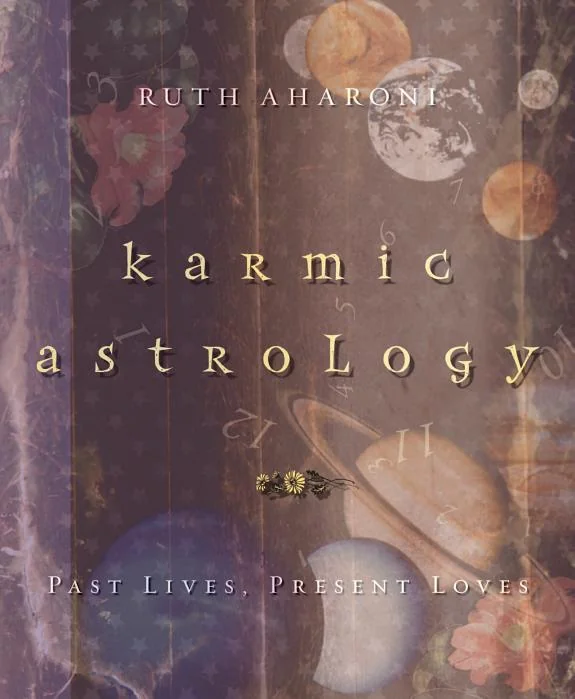
Ruth Aharoni’s "Karmic Astrology" offers a focused approach to understanding natal charts as maps of soul progression. The strength of the work lies in its systematic linkage of specific astrological elements—such as the lunar nodes, Saturn, and house placements—to karmic patterns and past-life echoes. Aharoni avoids overly abstract discussions, instead providing practical interpretative guidelines. For instance, her analysis of the South Node as representing an area of karmic familiarity and potential stagnation, while the North Node signifies the soul's growth direction, is particularly lucid. However, the book occasionally leans towards a deterministic interpretation of karma, which might feel limiting to readers who view karmic influences as more fluid or open to conscious redirection. The 2007 publication date places it firmly within a specific wave of metaphysical exploration, which, while informative, means some concepts may feel familiar to those who have engaged with similar literature from that era. Ultimately, "Karmic Astrology" serves as a valuable, if somewhat conventional, guide for those wishing to explore the karmic dimensions of their birth chart.
📝 Description
73
Ruth Aharoni's 2007 book, Karmic Astrology, interprets birth charts through past-life influences.
Karmic Astrology, by Ruth Aharoni, presents a method for interpreting the birth chart by considering past-life influences and karmic imprints. The book suggests that celestial configurations at birth reveal recurring patterns and soul lessons from previous incarnations. It moves beyond standard astrological interpretation to address the energetic and spiritual underpinnings of an individual's life path, as shown by planetary positions, aspects, and nodal axes.
This work is for individuals seeking a deeper spiritual understanding of their astrological charts and life experiences. It appeals to those interested in karma and reincarnation, and how these metaphysical principles may manifest in relationships and life events. Astrologers, both amateur and professional, can expand their interpretive methods with a focus on soul evolution.
Karmic Astrology emerged in 2007 within a continuing interest in spiritual interpretations of astrology. It builds on earlier explorations of psychological and archetypal dimensions by authors like Dane Rudhyar and Liz Greene. The early 2000s saw a rise in metaphysical literature that integrated karma and past lives into established systems. Aharoni's work offers a specific astrological framework for understanding these karmic imprints.
💡 Why Read This Book?
• Understand how your Lunar Nodes, as detailed in chapter 4, signify your soul's evolutionary path and karmic lessons, offering a unique perspective beyond conventional astrological interpretations. • Learn to interpret Saturn's placement and aspects in your birth chart to identify areas of karmic debt and the specific challenges your soul is meant to overcome in this lifetime. • Gain insight into how relationships, particularly significant ones, may be influenced by karmic connections, using Aharoni's framework for analyzing synastry and composite charts.
⭐ Reader Reviews
Honest opinions from readers who have explored this book.
❓ Frequently Asked Questions
What is the primary focus of Ruth Aharoni's "Karmic Astrology"?
The book focuses on interpreting astrological birth charts as indicators of karmic imprints and past-life influences, aiming to provide insight into soul lessons and evolutionary paths.
When was "Karmic Astrology" first published?
"Karmic Astrology" by Ruth Aharoni was first published in 2007.
Does the book discuss specific astrological placements related to karma?
Yes, the book specifically examines the Lunar Nodes, Saturn, planetary aspects, house placements, and elements to identify karmic characteristics and past-life footprints.
Is this book suitable for beginners in astrology?
While it assumes some basic astrological knowledge, the book's clear explanations of karmic concepts make it accessible to dedicated beginners interested in a spiritual dimension of astrology.
How does "Karmic Astrology" differ from standard astrological texts?
It distinguishes itself by framing astrological interpretation within the context of reincarnation and karma, focusing on soul evolution and past-life influences rather than solely on present-life personality traits.
What kind of insights can readers expect regarding relationships?
Readers can expect insights into how karmic connections might manifest in significant relationships, using astrological analysis to understand recurring patterns and soul-level dynamics.
🔮 Key Themes & Symbolism
Lunar Nodes and Soul Path
Aharoni posits the Lunar Nodes (North and South) as critical indicators of karmic direction. The South Node is presented as a point of origin, representing karmic familiarity, talents carried from past lives, and potential areas of comfort that can become stagnation points. Conversely, the North Node signifies the soul's intended growth trajectory in this incarnation, highlighting lessons to be learned and new experiences to embrace. Understanding this nodal axis is key to grasping one's karmic blueprint and the evolutionary journey the soul is undertaking.
Saturn as Karmic Taskmaster
The planet Saturn is depicted as a significant agent of karma within the astrological chart. Its placement by sign, house, and aspects reveals areas where individuals face karmic lessons, restrictions, and responsibilities stemming from past actions or unfulfilled obligations. Aharoni suggests that confronting and working through Saturnian challenges is essential for spiritual maturation and the resolution of karmic debts. This involves accepting limitations, developing discipline, and ultimately mastering the lessons Saturn presents.
Planetary Aspects and Karmic Echoes
Beyond individual planetary placements, Aharoni explores how aspects between planets in a birth chart can reveal karmic relationships and patterns. Tense aspects like squares and oppositions are often interpreted as areas of karmic tension or unresolved issues that require integration. Harmonious aspects, such as trines and sextiles, can indicate karmic gifts or innate abilities carried forward. The interplay of these connections provides a nuanced view of how past-life energies continue to influence present-life dynamics and relationships.
The Role of Houses and Elements
The book also details how the twelve houses of the astrological chart and the four classical elements (Fire, Earth, Air, Water) contribute to the karmic narrative. Dominant houses or elements can point to areas of life where karmic focus is strongest or where specific past-life energies are most likely to manifest. For example, a strong emphasis on the 7th house might indicate significant karmic lessons related to partnership and relationships, while an abundance of Fire element could suggest past-life experiences involving passion, action, or spiritual seeking.
💬 Memorable Quotes
Direct passages from the work, attributed to the author.
“The South Node shows us where we are coming from, our karmic baggage.”
— This concise statement captures Aharoni's view of the South Node as a repository of past-life experiences and tendencies. It implies that recognizing these inherited patterns is the first step toward understanding the karmic challenges and opportunities presented in the current life.
“Saturn’s position indicates the area where we must mature and take responsibility.”
— This highlights Saturn's role not just as a restrictive force, but as a catalyst for growth. It suggests that confronting the difficulties associated with one's Saturn placement is crucial for karmic resolution and the development of inner strength and wisdom.
“The North Node points to the direction our soul needs to evolve.”
— This emphasizes the aspirational and developmental aspect of the North Node. It serves as a guiding star, indicating the soul's intended growth path and the experiences or qualities that need to be cultivated in the present life for karmic completion.
“Karmic footprints are visible in the astrological birth chart.”
— This core assertion frames the entire book, suggesting that the celestial map at birth is not arbitrary but contains encoded information about past lives and their karmic consequences, accessible through astrological interpretation.
“Aspects reveal the interplay of karmic energies between different parts of our psyche.”
— This interpretation of planetary aspects points to their function in illustrating how various facets of the self, often influenced by past-life dynamics, interact and create specific patterns of challenge and harmony within the individual.
🌙 Esoteric Significance
Tradition
This work operates within the broad Western esoteric tradition, specifically drawing from modern astrological interpretations that integrate concepts of reincarnation and karma, often influenced by Theosophical ideas and Eastern spiritual philosophies. It departs from strictly predictive or purely psychological astrology by focusing on the soul's evolutionary journey across lifetimes. Aharoni's approach places astrological symbolism in service of understanding karmic patterns and spiritual growth, aligning it with lineages that view the cosmos as a reflection of divine or universal laws governing existence.
Symbolism
Key symbols include the Lunar Nodes (North and South), representing the soul's past-life momentum and future evolutionary direction, respectively. Saturn is heavily symbolic, functioning as the 'Lord of Karma,' denoting lessons, responsibilities, and limitations that carry karmic weight. Planetary aspects are also viewed symbolically, not just as geometric relationships but as indicators of karmic dynamics and the integration of past-life energies into the present consciousness. The placement of planets within the twelve houses further symbolizes the specific life arenas where karmic work is most pertinent.
Modern Relevance
Contemporary practitioners of evolutionary astrology, a branch heavily focused on past lives and soul purpose, frequently reference the foundational work on lunar nodes and Saturnian karma exemplified by Aharoni's book. Modern spiritual counselors and metaphysical coaches often utilize similar frameworks to guide clients seeking to understand recurring life patterns and perceived destiny. The book's approach continues to inform discussions on destiny versus free will within spiritual communities and influences contemporary explorations of consciousness and personal transformation through the lens of astrological symbolism.
👥 Who Should Read This Book
• Individuals interested in exploring the spiritual dimensions of their birth chart and understanding life patterns through the concept of karma. • Astrologers seeking to expand their interpretative techniques beyond standard personality analysis to include past-life influences and soul evolution. • Students of esoteric philosophy and comparative religion looking for practical applications of karmic principles within a Western astrological framework.
📜 Historical Context
Published in 2007, "Karmic Astrology" arrived during a period when esoteric and spiritual interpretations of astrology were gaining considerable traction within New Age and self-help circles. This era saw a continued exploration of psychological astrology, pioneered by figures like Dane Rudhyar in the mid-20th century, but with an increasing emphasis on reincarnation and soul evolution. Aharoni's work builds upon this foundation, offering a structured approach to karmic interpretation distinct from, for example, the more archetypal focus found in the writings of Carl Jung or later proponents like James Hillman, who explored the psyche through myth and symbol. While not a mainstream academic field, works like Aharoni's contributed to a popular discourse on destiny, free will, and the spiritual significance of individual life paths, often engaging with concepts drawn from Eastern philosophies like Hinduism and Buddhism, which posit karma and rebirth as central tenets. The reception within esoteric communities was generally positive, aligning with a growing desire for deeper meaning beyond material existence.
📔 Journal Prompts
The karmic lessons indicated by your Saturn placement.
Reflections on the South Node's influence in your chart and life experiences.
Identifying North Node aspirations and the steps toward fulfilling them.
Karmic echoes in significant relationships, as suggested by planetary aspects.
The elemental balance of your chart and its karmic implications.
🗂️ Glossary
Karmic Footprints
Astrological indicators within a birth chart that are interpreted as evidence of past-life experiences, lessons, and unresolved energies carried into the present incarnation.
Lunar Nodes
The two points where the Moon's orbit intersects the ecliptic (the Sun's apparent path). In karmic astrology, the North Node represents soul growth and future direction, while the South Node signifies past-life patterns and soul familiarity.
Saturn
In karmic astrology, Saturn is often viewed as the 'Lord of Karma,' representing limitations, responsibilities, fears, and the lessons that must be learned through discipline and maturity to resolve past karmic debts.
Planetary Aspects
The geometric angles formed between planets in a birth chart, interpreted as indicators of how different energies and karmic influences interact within the individual psyche and life.
Houses
The twelve divisions of the astrological chart, each representing a different area of life experience. Their occupancy by planets and their rulers can signify specific arenas for karmic manifestation and learning.
Elements
The four classical elements (Fire, Earth, Air, Water) associated with astrological signs and planets, used to describe fundamental energies and their balance or imbalance within a chart, offering clues to karmic predispositions.
Soul Evolution
The concept that the soul undergoes a process of learning and growth across multiple lifetimes, with the astrological chart providing a map of this developmental journey.
This book appears in 1 collection
🔮 Readers Also Liked
Browse all →









From the “Astrology” Collection
View all →






More Free Astrology & Cosmology Books
View all →