Chinese Astrology

 78
78

Chinese Astrology
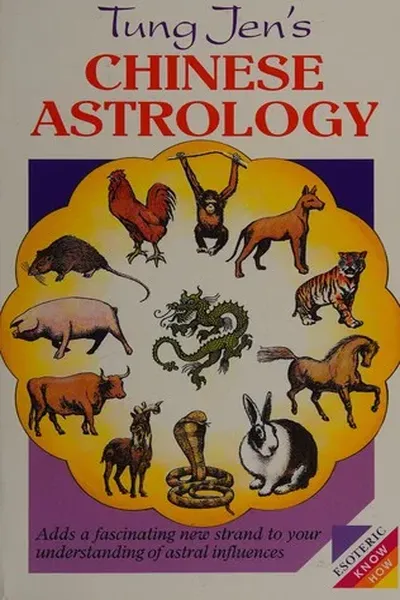
Sherman Tai's *Chinese Astrology* arrives as a solid entry in the Esoteric Library's collection, presenting a clear exposition of a system often obscured by popular simplification. The book's strength lies in its systematic breakdown of the Five Elements and their complex interactions with the zodiac animals, moving beyond mere animal archetypes to reveal the underlying energetic principles. Tai's explanation of the creation and control cycles of the elements is particularly lucid, offering a framework for understanding elemental balance and imbalance. However, the text occasionally feels overly didactic, particularly in its early chapters, which could benefit from more illustrative examples or case studies to ground the theoretical concepts. The section on animal compatibility, while informative, sometimes resorts to broad generalizations that might not satisfy those seeking nuanced individual readings. Despite these minor shortcomings, the book provides a valuable and accessible overview for anyone wishing to move beyond superficial zodiacal sign descriptions and engage with the deeper mechanics of Chinese astrological calculation and interpretation. It serves as a dependable resource for understanding this ancient tradition.
📝 Description
78
Sherman Tai's *Chinese Astrology*, published in 2001, introduces the Chinese zodiac and its cosmology.
Tai's book maps the twelve animal signs of the Chinese zodiac, detailing their characteristics and how they relate to personality and destiny. It goes further than just individual sign traits, examining the Five Elements—Wood, Fire, Earth, Metal, and Water—and their interactions. The book also touches on Yin and Yang principles and the role of celestial bodies within this system. It is written for anyone wanting to grasp the basics of Chinese astrology, whether for personal understanding or comparison with other traditions. Beginners to Eastern astrology will find it accessible, and those with some knowledge can use it to learn more about the system's workings. Readers interested in how astrology applies to relationships, careers, or life paths will find practical advice. It also speaks to those curious about cultural systems distinct from Western archetypes.
This work situates Chinese astrology, a practice rooted in millennia of astronomical observation and Taoist philosophy, within a modern context. Unlike Western astrology's focus on planetary positions, the Chinese system relies on the lunar calendar and Jupiter's cycle. Tai's book makes these ancient concepts, which emphasize cosmic harmony and cyclical time, available to a contemporary audience interested in esoteric thought.
💡 Why Read This Book?
• Gain a foundational understanding of the Twelve Earthly Branches and their associated animal characteristics, learning what makes each sign distinct beyond common stereotypes. • Explore the dynamic interplay of the Five Elements (Wood, Fire, Earth, Metal, Water) and their cycles, a core concept for interpreting elemental influences on personality and events. • Discover the principles of animal compatibility and conflict within the Chinese zodiac, enabling a more informed perspective on interpersonal relationships as detailed in the text.
⭐ Reader Reviews
Honest opinions from readers who have explored this book.
❓ Frequently Asked Questions
What is the significance of the Five Elements in Chinese Astrology?
The Five Elements—Wood, Fire, Earth, Metal, and Water—are fundamental to Chinese astrology, representing different energies and phases. Their cyclical interactions (creation and destruction) influence the characteristics of each year, animal sign, and individual Bazi, dictating balance and potential challenges.
How does Chinese Astrology differ from Western Astrology?
Unlike Western astrology, which primarily uses the solar calendar and planetary positions, Chinese astrology is based on a lunisolar calendar and the twelve-year cycle of animal signs. It emphasizes the interaction of these animals with the Heavenly Stems and Five Elements.
When was Sherman Tai's Chinese Astrology first published?
Sherman Tai's *Chinese Astrology* was first published on December 1, 2001, making it a relatively contemporary introduction to this ancient system.
What is the Bazi or Eight Characters?
Bazi, meaning 'Eight Characters', is an individual's unique astrological chart in Chinese cosmology. It is derived from the year, month, day, and hour of birth, combining Heavenly Stems and Earthly Branches to form a detailed blueprint of one's destiny and personality.
Can Chinese Astrology predict the future?
Chinese astrology is understood as a system for interpreting potentials and tendencies, rather than absolute prediction. By analyzing the Bazi and the energies of the current year, one can gain insight into likely opportunities and challenges.
Are all Rats or Oxen the same in Chinese Astrology?
No, while the animal sign provides a general framework, individual characteristics are refined by the associated Heavenly Stem and Element for that specific birth year, as well as the Bazi derived from the full birth time.
🔮 Key Themes & Symbolism
The Twelve Animal Signs
The book meticulously details the characteristics of the twelve animals of the Chinese zodiac: Rat, Ox, Tiger, Rabbit, Dragon, Snake, Horse, Goat, Monkey, Rooster, Dog, and Pig. Each animal is presented with its inherent traits, strengths, weaknesses, and typical behaviors. Tai emphasizes that these are not rigid definitions but rather energetic archetypes that influence personality, relationships, and life paths. The cyclical nature of these twelve signs, represented by the Earthly Branches, forms the backbone of the yearly astrological calendar and individual horoscopes, offering a framework for understanding cosmic rhythms.
The Five Element Theory
Central to understanding the nuances of Chinese astrology is the Five Element theory (Wu Xing). Sherman Tai explains how Wood, Fire, Earth, Metal, and Water interact through generative (creation) and destructive (control) cycles. These elements are linked to the Heavenly Stems and imbue each year, month, day, and hour with a specific energetic quality. The book illustrates how the balance or imbalance of these elements within an individual's Bazi can affect their health, fortune, and temperament, providing a dynamic layer of interpretation beyond the animal signs alone.
Bazi: The Eight Characters
The concept of Bazi, or the Eight Characters, is presented as the most detailed method of Chinese astrological analysis. Derived from the precise birth time (year, month, day, hour), the Bazi consists of four pairs of Heavenly Stems and Earthly Branches. Tai guides readers through the process of understanding how these components combine, interact, and influence an individual's destiny. This personalized chart offers useful insights into a person's inherent potential, challenges, and the unfolding of their life journey.
Animal Compatibility and Relationships
Sherman Tai addresses the practical application of Chinese astrology in understanding interpersonal dynamics. The book outlines the compatibility and conflict relationships between the twelve zodiac animals, based on their elemental associations and inherent natures. This section provides readers with tools to navigate relationships, whether romantic, familial, or professional, by understanding potential harmonies and frictions that arise from differing astrological configurations.
💬 Memorable Quotes
Direct passages from the work, attributed to the author.
“The twelve animal signs are not mere symbols, but representations of distinct energetic qualities shaping our existence.”
— This highlights the core principle that the zodiac animals in Chinese astrology are seen as active forces, embodying specific energies that influence human lives and the environment, rather than static symbolic representations.
“Understanding the cycles of creation and destruction among the Five Elements unlocks deeper astrological interpretation.”
— This emphasizes the dynamic nature of the Five Element theory. The book explains how these cycles are essential for interpreting the complex interactions within a Bazi chart and the flow of energies throughout time.
“Each birth hour carries a unique energetic signature, contributing to the intricate set of the Bazi.”
— This points to the granular detail of Chinese astrology, where not just the day but the specific hour of birth plays a critical role. It illustrates how the Bazi is built from multiple layers of temporal and elemental information.
“Compatibility between signs arises from shared elemental affinities or complementary energies.”
— This interpretation focuses on the practical aspect of relationship analysis in Chinese astrology. It suggests that understanding elemental connections between zodiac signs is fundamental to assessing harmony and discord in relationships.
💡 Key Ideas
Editorial paraphrase of the work's core concepts — not direct quotes.
Elemental balance is the key to harmonious living within the cosmic order.
This paraphrased concept underscores the importance of equilibrium among the Five Elements in Chinese cosmology. Achieving balance is presented as crucial for well-being and alignment with natural cycles, as detailed in the book's exploration of Bazi.
🌙 Esoteric Significance
Tradition
Chinese astrology is an integral part of the Taoist cosmological framework, emphasizing harmony with the natural order (Tao) and the cyclical flow of universal energy (Qi). It aligns with broader Chinese metaphysical traditions that view the cosmos as an interconnected web of forces. Unlike Hermetic or Kabbalistic systems focused on divine emanations or angelic hierarchies, Chinese astrology is primarily concerned with the observable patterns of nature—celestial cycles, elemental transformations, and their direct influence on earthly phenomena and human destiny. It seeks to understand and align oneself with these natural rhythms for optimal well-being.
Symbolism
Key symbols include the Twelve Animals, each representing a year and embodying distinct archetypal energies and personality traits, influencing human character and fortune. The Five Elements (Wood, Fire, Earth, Metal, Water) are also crucial, symbolizing fundamental forces and their dynamic interplay through creation and destruction cycles. Together, these elements and animals form the basis of the Bazi (Eight Characters), a personal astrological chart where complex symbolic interactions reveal an individual's destiny and life path.
Modern Relevance
In contemporary times, Chinese astrology, as presented by works like Tai's, continues to be relevant for those seeking alternative frameworks for self-understanding and life planning. It is integrated into popular wellness trends, relationship counseling, and business strategy consulting in East Asian cultures and increasingly in the West. Thinkers and practitioners exploring comparative cosmology, Eastern philosophies, and holistic approaches to life often draw upon its principles. Its emphasis on cyclical time, elemental balance, and interconnectedness offers a counterpoint to more linear and individualistic Western paradigms.
👥 Who Should Read This Book
• Individuals new to Eastern astrological systems seeking a clear, structured introduction to the principles of the Chinese zodiac and the Five Elements. • Those interested in comparative astrology who wish to understand how different cultural traditions interpret cosmic influences on human life. • Readers looking for practical insights into understanding personal strengths, weaknesses, and relationship dynamics through the lens of animal signs and elemental interactions.
📜 Historical Context
The practice of Chinese astrology boasts a history stretching back thousands of years, deeply embedded in ancient Chinese cosmology, astronomy, and philosophy, particularly Taoism. Its development predates the common era, evolving from early observations of celestial bodies and the lunar calendar. By the Han Dynasty (206 BCE – 220 CE), its core principles were largely established, influencing imperial court practices and popular culture alike. The system's reliance on the lunisolar calendar and the cyclical progression of the twelve animal signs, along with the Five Elements, distinguishes it significantly from the solar-centric Western astrology that gained prominence in Europe during Hellenistic and later periods. When Sherman Tai's work was published in 2001, it entered a global landscape where Eastern esoteric traditions were increasingly being explored by Western audiences, often through the lens of comparative spirituality and self-help. While specific reception events for Tai's book are not widely documented, its emergence coincided with a growing interest in cross-cultural astrological systems, a trend exemplified by authors like Stephen Karcher who also explored Eastern wisdom traditions.
📔 Journal Prompts
The Rat's inherent adaptability and the Ox's steadfastness: which quality feels more present in your current life situation?
Reflect on the Five Elements' creation cycle: how might applying the 'Wood creating Fire' principle manifest in your creative pursuits?
Consider your birth year's animal sign: what primary traits do you recognize in yourself?
Analyze the potential for harmony or conflict between your animal sign and a close friend's, based on their elemental associations.
How does the concept of cyclical time, as seen in the twelve-year zodiac, influence your perception of personal growth?
🗂️ Glossary
Bazi
Literally 'Eight Characters,' this refers to an individual's unique astrological chart in Chinese cosmology, derived from the year, month, day, and hour of birth. It consists of four pairs of Heavenly Stems and Earthly Branches.
Earthly Branches (Di Zhi)
The twelve terrestrial cyclical signs, represented by the animals of the Chinese zodiac (Rat, Ox, Tiger, etc.). They correspond to specific periods of time and are a fundamental component of the Bazi.
Heavenly Stems (Tian Gan)
The ten cyclical signs that are paired with the Earthly Branches. They are associated with the Five Elements in their Yin and Yang forms and add another layer of interpretation to the Bazi.
Five Elements (Wu Xing)
The fundamental forces or phases in Chinese cosmology: Wood, Fire, Earth, Metal, and Water. They are believed to interact in cycles of creation and destruction, influencing all phenomena.
Lunisonar Calendar
A calendar system that tracks both the phases of the Moon (lunar) and the position of the Sun (solar). Chinese astrology primarily uses a lunisolar calendar for its cycles.
Qi (Chi)
The vital life force or energy that permeates the universe in Chinese philosophy. It is believed to flow through all things and is influenced by the interplay of Yin and Yang and the Five Elements.
Yin and Yang
The ancient Chinese philosophical concept of complementary, interconnected, and interdependent dualities. Yin represents passive, dark, and feminine principles, while Yang represents active, light, and masculine principles.
This book appears in 1 collection
🔮 Readers Also Liked
Browse all →








From the “Chinese Astrology” Collection
View all →









More Free Astrology & Cosmology Books
View all →