Simple Guide to Vedic Astrology

 62
62

Simple Guide to Vedic Astrology

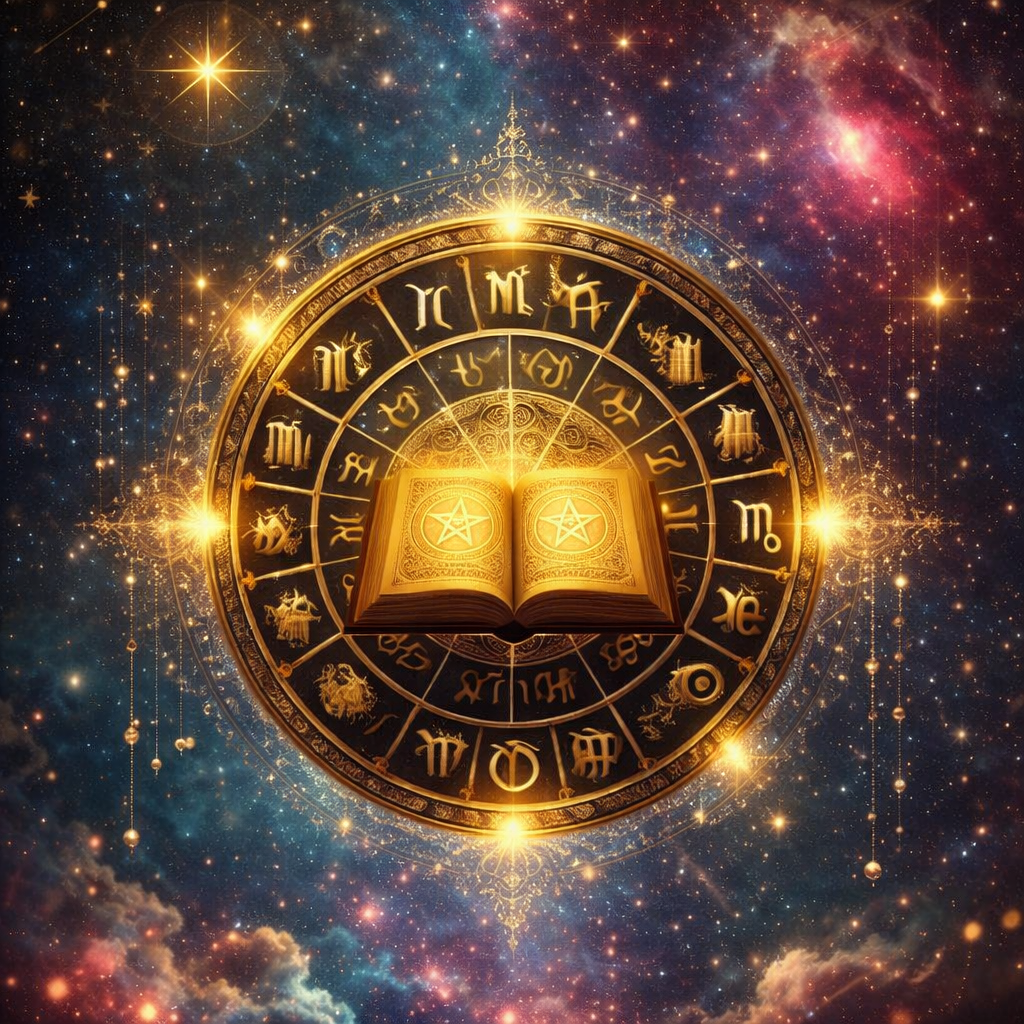

Aloysius Aseervatham's 'Simple Guide to Vedic Astrology' is a rare gem, offering an accessible yet profound entry into the sacred science of Jyotisha. Aseervatham eschews jargon for clarity, yet retains the deep esoteric resonance of this ancient system. He skillfully unpacks the complex planetary interactions and house significations, revealing their karmic implications and spiritual lessons. This guide is particularly strong in its emphasis on understanding the 'why' behind astrological influences, fostering a deeper connection to one's personal cosmic narrative. It is an indispensable resource for anyone seeking to move beyond superficial horoscopes and engage with the soul-stirring wisdom of Vedic astrology.
📝 Description
62
Aloysius Aseervatham's 'Simple Guide to Vedic Astrology' was published to demystify Jyotisha for the modern reader.
This book explains the principles of Jyotisha, the traditional Indian system of astrology. It details how planetary positions and constellations at the time of birth are interpreted to understand an individual's life path. The author focuses on the symbolic meaning behind celestial movements rather than simple fortune-telling. The text explains that Vedic astrology is not about fixed destiny but about understanding energetic influences and karmic patterns.
Aseervatham aims to make the complex system of Vedic astrology accessible. The guide is written for those seeking greater self-understanding and spiritual awareness. It presents the system as a tool to comprehend the cycles of life and the soul's development. The book connects everyday experiences with deeper spiritual concepts, intending to help readers approach their lives with a more informed perspective based on this ancient tradition.
Vedic astrology, or Jyotisha, is a system rooted in ancient Indian cosmology and philosophy. It is considered one of the Vedangas, or auxiliary disciplines of the Vedas, intended to support the understanding of sacred texts. Its practice is tied to concepts of karma, reincarnation, and the subtle energies that shape human experience and destiny. Unlike Western astrology, Jyotisha primarily uses the sidereal zodiac and incorporates lunar mansions (nakshatras) and planetary periods (dashas) as key interpretive tools, aiming for a more direct correlation with observed cosmic cycles and their impact on earthly life.
💡 Why Read This Book?
Unlock the profound wisdom of the cosmos and gain a deeper understanding of your life's purpose. This guide offers an accessible gateway to the ancient science of Vedic astrology, revealing the hidden karmic patterns and spiritual lessons encoded in your birth chart. Ideal for seekers of self-knowledge, spiritual practitioners, and anyone curious about the interconnectedness of the universe.
⭐ Reader Reviews
Honest opinions from readers who have explored this book.
❓ Frequently Asked Questions
What is Vedic Astrology (Jyotisha)?
Vedic Astrology, or Jyotisha, is an ancient Indian system of astrology that uses celestial positions at the time of birth to understand an individual's life path, personality, and karmic influences. It's considered a 'science of light,' offering insights into the soul's journey.
Is Vedic Astrology deterministic?
Vedic Astrology is not strictly deterministic. While it reveals predispositions and karmic tendencies, it emphasizes free will and the potential for spiritual growth and transformation. The chart is a map, not a fixed destination.
What are the key differences between Vedic and Western Astrology?
The primary difference lies in the zodiac used: Vedic astrology uses the sidereal zodiac (fixed stars), while Western astrology uses the tropical zodiac (based on seasons). Vedic astrology also places a greater emphasis on planetary periods (dashas) and lunar mansions (nakshatras).
How can Vedic Astrology help me understand myself better?
By analyzing your birth chart, Vedic astrology reveals your innate strengths, challenges, karmic patterns, and potential life themes. This self-awareness allows for greater acceptance, informed decision-making, and alignment with your soul's purpose.
Do I need prior knowledge of astrology to read this book?
No, 'Simple Guide to Vedic Astrology' is designed for beginners. Aloysius Aseervatham breaks down complex concepts into easily digestible explanations, making it an ideal starting point for those new to the subject.
🔮 Key Themes & Symbolism
The Cosmic Blueprint of Karma
This theme explores the profound concept of karma as understood through Vedic astrology. It explores how the celestial arrangement at birth reflects past actions and influences present circumstances, serving as a divine map of one's karmic journey. Readers will discover how planetary placements and aspects are not merely random occurrences but encoded lessons and opportunities for spiritual evolution, offering a framework for understanding life's challenges and blessings as integral parts of a larger cosmic design aimed at soul growth.
Planetary Symbolism and Divine Influence
This section illuminates the archetypal energies of the planets within the Vedic system. Each celestial body is presented not just as a physical entity but as a potent symbol representing specific psychological tendencies, life lessons, and divine forces. The guide elucidates how these planetary energies interact and manifest in an individual's life, highlighting their role in shaping personality, relationships, and destiny. Understanding this symbolism empowers readers to work consciously with these energies, fostering balance and harmony.
Navigating Life's Cycles with Jyotisha
Here, the focus shifts to the practical application of Vedic astrology in understanding and navigating life's inevitable cycles. The book introduces concepts like planetary periods (dashas) and transits, demonstrating how they influence different phases of life. It offers a framework for anticipating shifts, recognizing opportune moments, and facing challenges with wisdom and resilience. This theme empowers readers to move beyond reactive living, fostering a proactive approach to personal growth and spiritual alignment with the cosmic rhythm.
💬 Memorable Quotes
Direct passages from the work, attributed to the author.
“Your birth chart is the soul's diary.”
— This evocative metaphor suggests that the astrological chart holds deeply personal and spiritual insights into one's inner landscape and life journey.
“Jyotisha illuminates the unseen threads of destiny.”
— This highlights the esoteric function of Vedic astrology as a tool for perceiving and understanding the subtle, interconnected forces that shape our lives.
“Embrace the cosmic dance of your life.”
— This encourages a harmonious and accepting approach to life's events, viewing them as part of a larger, divinely orchestrated movement.
“Wisdom lies in understanding the celestial currents.”
— This points to the practical benefit of astrological study: gaining insight and foresight by comprehending the underlying cosmic influences.
💡 Key Ideas
Editorial paraphrase of the work's core concepts — not direct quotes.
The stars do not command, they counsel.
This quote emphasizes the guiding, rather than dictatorial, nature of astrological influences, highlighting free will and the potential for conscious navigation.
🌙 Esoteric Significance
Tradition
Vedic Astrology belongs to the rich esoteric tradition of Jyotisha, a system deeply embedded within the spiritual and philosophical field of ancient India. It is considered one of the six Vedangas, auxiliary disciplines associated with the Vedas. Its esoteric nature lies in its view of the cosmos as a reflection of the divine and the individual soul's journey through cycles of karma and spiritual evolution. It seeks to unveil the subtle energies and divine intelligence that govern existence, offering pathways to self-realization and liberation.
Symbolism
The symbolism in Vedic astrology is multi-layered and profound. Planets represent archetypal forces and divine energies, the zodiac signs embody fundamental qualities and archetypes, and the houses signify different areas of life experience. The Nakshatras, or lunar mansions, add a layer of intricate symbolism, representing specific cosmic energies and evolutionary stages. The interplay of these symbols forms a complex language that, when understood, reveals the intricate set of an individual's destiny and spiritual purpose.
Modern Relevance
In the modern era, Vedic astrology offers a powerful antidote to the fragmentation and alienation often experienced in contemporary life. It provides a framework for understanding personal challenges within a larger cosmic context, fostering a sense of interconnectedness with the universe. Its emphasis on karma and spiritual growth appeals to individuals seeking deeper meaning and purpose. Furthermore, its cyclical perspective offers guidance in navigating uncertainty, promoting resilience and a more conscious, aligned way of living in an ever-changing world.
👥 Who Should Read This Book
This 'Simple Guide to Vedic Astrology' is an indispensable companion for a broad spectrum of seekers. **Beginners** will find its clear explanations and accessible language a welcoming entry point into this ancient science. **Spiritual practitioners** and **seekers of self-knowledge** will discover clear insights into their karmic patterns and soul's purpose, aiding their personal and spiritual growth. **Aspiring astrologers** will gain a solid foundational understanding of Vedic principles, setting the stage for deeper study. Even **skeptics** curious about ancient wisdom traditions will find its philosophical depth and practical applications compelling.
📜 Historical Context
Vedic astrology, or Jyotisha, traces its roots back thousands of years to the ancient Vedic civilization of India, deeply intertwined with the Vedas, the foundational scriptures of Hinduism. Its development occurred during a period of profound philosophical inquiry and astronomical observation. Early texts like the Vedanga Jyotisha, dating back to the late Vedic period, laid the groundwork for its mathematical and astronomical principles. Over centuries, it evolved, absorbing influences and integrating complex systems like the Nakshatras (lunar mansions) and the Dasha systems (planetary periods). Jyotisha was not merely a predictive tool but a vital component of a holistic worldview, guiding religious rituals, auspicious timings for significant events, and personal well-being. Its continuous practice and transmission through oral tradition and manuscripts have preserved its rich heritage, making it one of the world's oldest continuously practiced astrological systems.
📔 Journal Prompts
Reflect on a recurring challenge in your life. How might your birth chart, as described in this guide, offer a new perspective on its karmic roots or spiritual lesson?
Identify one planetary influence discussed in the book that strongly appeals to your personality. How does this energy manifest in your daily life?
Consider the concept of 'free will' versus 'destiny' in the context of Vedic astrology. How do you envision balancing these two forces in your own life?
If your birth chart is a 'soul's diary,' what is one entry you are eager to understand more deeply after reading this guide?
How can the symbolic language of Vedic astrology be applied to foster greater self-compassion and understanding in your interactions with others?
🗂️ Glossary
Jyotisha
The Sanskrit term for Vedic Astrology, literally meaning 'science of light.' It encompasses the study of celestial bodies and their influence on earthly affairs and human lives.
Rashi
The Sanskrit term for zodiac sign in Vedic astrology. There are 12 Rashis, each associated with specific characteristics and energies, derived from the sidereal zodiac.
Graha
The Sanskrit term for planet in Vedic astrology. It refers to the Sun, Moon, and the five visible planets (Mercury, Venus, Mars, Jupiter, Saturn), as well as the lunar nodes (Rahu and Ketu).
Bhava
The Sanskrit term for house in Vedic astrology. There are 12 Bhavas, each representing a different sphere of life, such as self, wealth, siblings, home, children, health, relationships, and career.
Nakshatra
Lunar mansions or constellations in Vedic astrology. There are 27 Nakshatras, each with its own ruling deity, symbol, and characteristics, providing a more detailed astrological analysis.
This book appears in 2 collections
🔮 Readers Also Liked
Browse all →









From the “Astrology” Collection
View all →







More Free Astrology & Cosmology Books
View all →