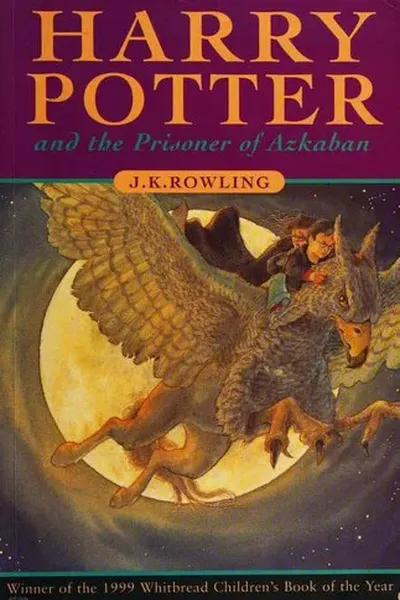
The alchymist's journal

 78
78

The alchymist's journal
Connell's "The Alchymist's Journal" presents a compelling, albeit deliberately opaque, portrait of alchemical obsession. The strength lies in its atmospheric evocation of a solitary, consuming pursuit. The journal format effectively mirrors the fragmented and often recursive nature of alchemical study. However, the deliberate lack of external context or a conventional plot can render the alchemist's motivations somewhat impenetrable for readers unfamiliar with the symbolic lexicon of the art. A passage describing the "coniunctio" of opposites, while evocative, demands significant prior knowledge to fully appreciate its alchemical significance. The work offers a fascinating glimpse into the alchemist's mind, but its rewards are best reaped by those already inclined towards the subject. It is a textured immersion rather than a straightforward exploration.
📝 Description
78
Evan S. Connell's The Alchymist's Journal, published in 1992, presents a fictional alchemist's private writings.
This fictional journal details the obsessive pursuits of an alchemist through his personal writings. The narrative unfolds as a mosaic of thoughts, observations, and procedural accounts, chronicling his experiments, philosophical ponderings, and the esoteric quest for transformation. The work offers a window into the alchemist's inner world and his engagement with the symbolic language of alchemy, rather than a straightforward plot. It is intended for readers interested in the historical and philosophical underpinnings of alchemy, particularly those who appreciate introspective and symbolically rich narratives. The book appeals to individuals drawn to the intersection of personal transformation and ancient esoteric traditions. Scholars of early modern European thought and those exploring the history of science and metaphysics will find material for contemplation, though it is not a guide to practical alchemy.
Published in 1992, Connell's novel taps into the rich legacy of alchemical literature, flourishing from the late Middle Ages through the Renaissance and into the 17th century. It engages with core alchemical concepts like the Great Work and the Philosopher's Stone. The book adds a fictional layer to the ongoing fascination with alchemical practitioners, echoing the cultural imagination surrounding figures like Paracelsus and Nicolas Flamel. Its fragmented narrative and focus on subjective experience align with postmodern literary trends.
💡 Why Read This Book?
• Gain insight into the symbolic language of alchemy, particularly the concept of the "Great Work," which mirrors internal processes of transformation. • Understand the solitary nature of esoteric pursuits, as depicted through the alchemist's detailed (though often cryptic) experimental logs from 1992. • Experience a narrative structure that mimics the fragmented and introspective nature of alchemical texts, offering a unique literary form.
⭐ Reader Reviews
Honest opinions from readers who have explored this book.
❓ Frequently Asked Questions
Is 'The Alchymist's Journal' a factual account of alchemical practices?
No, 'The Alchymist's Journal' is a work of fiction presented as a journal. While it draws heavily on historical alchemical concepts and symbolism, it is an imaginative exploration by Evan S. Connell, not a historical record or a practical guide.
What is the main goal of the alchemist in the book?
The alchemist's primary goal is the pursuit of the "Great Work," which traditionally involves the transmutation of base metals into gold and the creation of the Philosopher's Stone, symbolizing ultimate transformation and spiritual enlightenment.
When was 'The Alchymist's Journal' first published?
Evan S. Connell's 'The Alchymist's Journal' was first published in 1992, contributing to a period of renewed interest in esoteric subjects.
What kind of symbolism does the book employ?
The book utilizes rich alchemical symbolism, including the "coniunctio" (union of opposites), the Philosopher's Stone, and various metals and elements, all interpreted through a lens of personal and spiritual transformation.
Is this book suitable for beginners in alchemy?
While it offers an atmospheric depiction, it is not a didactic text. Beginners might find the dense symbolism and introspective style challenging without supplementary reading on alchemical traditions.
Does the book mention specific historical alchemists?
The book focuses on its fictional alchemist's personal journey rather than directly engaging with specific historical figures like Paracelsus or Nicolas Flamel, though their legacy informs the context.
🔮 Key Themes & Symbolism
The Pursuit of Transformation
The journal chronicles the alchemist's relentless quest for the Major work, the Great Work. This central theme explores the dual nature of alchemical pursuit: the literal attempt to transmute metals and the metaphorical journey of spiritual and psychological purification. The text illustrates how the alchemist's external experiments are deeply intertwined with his internal state, reflecting the Hermetic maxim "as above, so below." The narrative emphasizes the dedication, isolation, and symbolic understanding required for such a profound undertaking.
Symbolic Language of Alchemy
Connell intricately ties the complex symbolic language of alchemy into the alchemist's writings. Terms like the Philosopher's Stone, the "coniunctio" (union of opposites), and the various stages of the alchemical process (nigredo, albedo, citrinitas, rubedo) are presented not merely as technical terms but as keys to understanding deeper spiritual and psychological truths. The journal demonstrates how alchemists used allegorical and often esoteric imagery to encode their knowledge, making the text a study in deciphering this rich, layered form of communication.
The Alchemist's Inner World
Beyond the laboratory work, the journal offers a window into the alchemist's psyche. His obsessions, doubts, moments of perceived breakthrough, and philosophical musings are laid bare. This focus on the subjective experience highlights the personal cost and reward of dedicating oneself to an esoteric discipline. The narrative explores themes of solitude, the search for meaning, and the existential questions that arise from confronting the mysteries of existence and transformation, as exemplified by the alchemist's solitary endeavors post-1992.
Alchemy as a Metaphor
The work invites an interpretation of alchemy as a metaphor for personal growth and self-realization. The transmutation of lead into gold becomes a symbol for the transformation of the base self into a more refined, enlightened state. The alchemist's journey, fraught with challenges and requiring immense patience and insight, parallels the human struggle for self-improvement and spiritual awakening. This metaphorical reading elevates the alchemist's quest beyond mere material gain to a profound exploration of the human condition.
💬 Memorable Quotes
Direct passages from the work, attributed to the author.
“The Great Work is not merely a process of distillation, but of purification of the soul.”
— This interpretation highlights the dual nature of alchemy, suggesting that the physical processes described in alchemical texts are allegorical for inner spiritual development and the refinement of one's character.
“Each substance holds its own secret fire, waiting for the proper key.”
— This phrase emphasizes the alchemical belief in the inherent potential within all matter, and the necessity of precise knowledge and timing to unlock that potential for transformation.
“The "coniunctio" is the union of opposites, a balance sought in both the vessel and the self.”
— This points to a core alchemical concept, the sacred marriage of masculine and feminine principles or opposing forces, presented as essential for achieving wholeness, both cosmically and individually.
“He sought the Philosopher's Stone not for gold, but for the understanding it promised.”
— This suggests the alchemist's ultimate motivation transcends material wealth, focusing instead on the gnosis and profound wisdom believed to be contained within the legendary alchemical substance.
“The laboratory is a mirror to the hidden chambers of the mind.”
— This interpretation links the physical space of alchemical experimentation to the internal field of the practitioner, implying that the processes observed externally reflect internal psychological and spiritual states.
🌙 Esoteric Significance
Tradition
The work is firmly rooted in the Western Hermetic tradition, drawing heavily on the symbolic language and philosophical underpinnings of classical alchemy. It aligns with the Hermetic principle of "as above, so below," viewing the physical processes of transmutation as reflections of spiritual and psychological evolution. The journal's narrative structure and introspective focus also echo the personal, initiatory nature often found in Gnostic and Rosicrucian literature, emphasizing inner gnosis over exoteric doctrine.
Symbolism
Central symbols include the "Great Work" (Major work), representing the ultimate goal of alchemical perfection, and the Philosopher's Stone, a legendary substance embodying spiritual enlightenment and material transformation. The concept of the "coniunctio" (union of opposites) is also crucial, symbolizing the integration of dualistic forces within the alchemist and the cosmos. These symbols are not merely decorative but serve as the very grammar of the alchemist's understanding and pursuit.
Modern Relevance
Contemporary practitioners of Hermeticism and depth psychologists continue to find value in Connell's portrayal. The work serves as a fictional case study for understanding the psychological dimensions of esoteric practice, particularly the intense focus and symbolic reasoning involved. It speaks to modern explorations of consciousness, the search for meaning in a secular age, and the enduring human fascination with transformation, echoing themes found in contemporary Jungian analysis and spiritual inquiry.
👥 Who Should Read This Book
• Students of Hermeticism and Western Esotericism: Gain a fictionalized yet symbolically rich perspective on the core concepts and practices of alchemy. • Readers interested in the intersection of literature and philosophy: Explore how narrative can be used to depict complex psychological and esoteric quests. • Scholars of comparative religion and intellectual history: Understand the enduring legacy and symbolic resonance of alchemical traditions in the late 20th century.
📜 Historical Context
Evan S. Connell's "The Alchymist's Journal," published in 1992, arrived at a time when esoteric studies were gaining academic traction and popular fascination. The late 20th century saw a resurgence of interest in Gnosticism, Hermeticism, and various forms of Western esotericism, partly fueled by scholars like Frances Yates and practitioners exploring Jungian psychology's links to alchemy. Connell's work taps into this milieu, presenting a fictionalized exploration of alchemical pursuits that carries the introspective turn in literature and philosophy. While not directly engaging with contemporaries like Italo Calvino, who also played with narrative forms and hidden knowledge, Connell's novel contributes to a broader cultural conversation about myth, symbolism, and the quest for meaning. The reception of such works often highlighted their potential to illuminate psychological depths, positioning them as valuable, if unconventional, contributions to understanding the human drive for transformation.
📔 Journal Prompts
Reflect on the alchemist's understanding of the "Great Work" beyond its literal interpretation.
Consider the symbolic meaning of the "coniunctio" as presented in the journal.
Analyze the alchemist's internal struggles as mirroring external experimental challenges.
How does the concept of the "Philosopher's Stone" function as a metaphor in the text?
Explore the relationship between the "secret fire" and the alchemist's own inner drive.
🗂️ Glossary
Great Work (Major work)
The ultimate alchemical process, traditionally involving the transmutation of base metals into gold and the creation of the Philosopher's Stone, symbolizing spiritual perfection and enlightenment.
Philosopher's Stone
A legendary alchemical substance believed to possess the power to transmute base metals into gold and to grant immortality or eternal youth.
Coniunctio
Literally 'union' or 'conjunction,' this alchemical stage represents the sacred marriage of opposites, often symbolized by male and female principles, integrated to achieve wholeness.
Transmutation
The alchemical process of changing one element or substance into another, most famously the transformation of base metals like lead into noble metals like gold.
Secret Fire
An alchemical term referring to the subtle, hidden heat or energy required for the alchemical process, often interpreted as a divine spark or vital force.
Nigredo
The first stage of the alchemical process, often called 'blackening,' symbolizing dissolution, chaos, and the breakdown of the initial matter before transformation can occur.
As Above, So Below
A fundamental Hermetic principle stating that the microcosm (humanity, the Earth) reflects the macrocosm (the universe, the divine), and vice versa.
🔮 Readers Also Liked
Browse all →









More by Evan S. Connell
All books →
More Free Alchemy & Hermeticism Books
View all →