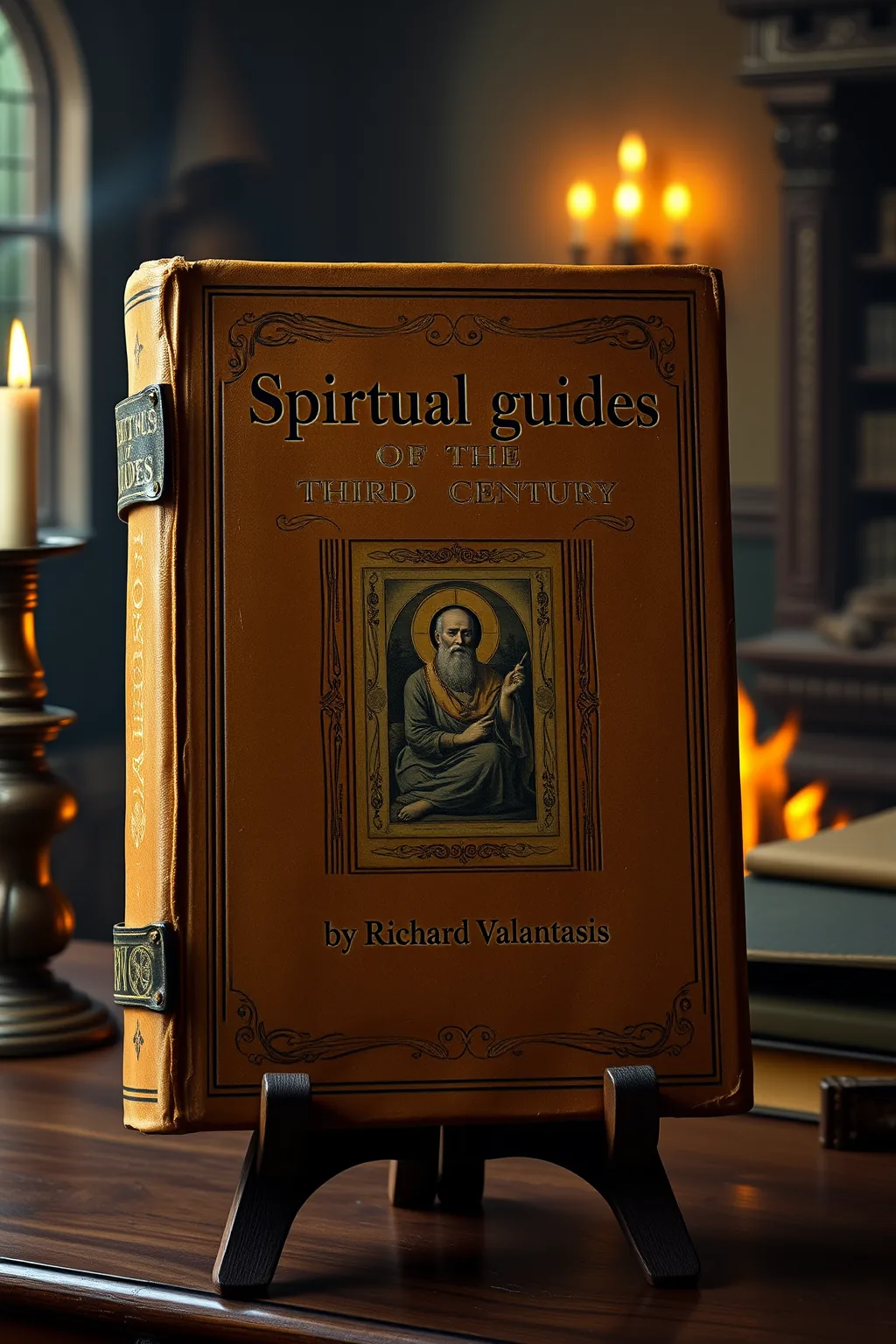
Spiritual guides of the third century
 71
71

Spiritual guides of the third century
Richard Valantasis’s "Spiritual Guides of the Third Century" presents a dense, academic exploration of foundational figures in early Christian asceticism. The strength lies in its meticulous reconstruction of their teachings and practices, moving beyond simple biographical accounts to analyze the philosophical underpinnings. Valantasis compellingly argues for the distinctiveness of these early guides, particularly in their emphasis on experiential knowledge and disciplined practice. However, the book’s academic rigor can also be its limitation; the prose is often dry, and the focus remains squarely on historical and theological analysis rather than devotional engagement. A particular point of interest is Valantasis's treatment of the concept of 'gnosis' as it was being adapted and reinterpreted within these nascent Christian communities. Ultimately, it serves as a valuable resource for scholars but less so for the casual seeker of spiritual inspiration.
📝 Description
71
Richard Valantasis's 1991 study examines third-century Christian ascetics and their spiritual guidance.
Richard Valantasis's 1991 book reconstructs the lives and teachings of early Christian ascetics and monastic figures. It moves past simple biographies to analyze the theological and practical contributions of these individuals to emergent spiritual practices. The work is intended for serious students of early Christianity, comparative religion, and the history of spiritual traditions. It will particularly interest those focused on the foundational texts and figures of Western monasticism and ascetical theology. Readers looking for devotional material might find its academic tone less suited to their needs.
Valantasis's study emerged in 1991 amidst a resurgence of academic attention on early Christian history and the origins of monasticism. The book engages with scholarship that aimed to understand the social and philosophical forces shaping early Christian asceticism, looking beyond exclusively theological explanations. This period also saw scholars like Peter Brown examining the broader cultural environment of late antiquity.
The text investigates concepts such as spiritual guidance, ascetic discipline, and the pursuit of divine knowledge within the specific context of the 3rd century CE. It discusses how figures like Antony the Great and Pachomius developed models for communal and solitary spiritual life, influencing later Christian traditions.
This book sits within the study of Christian esotericism, focusing on the practical application of spiritual knowledge in the formative centuries of the tradition. It examines individuals who sought direct experience of the divine through disciplined practices, a hallmark of many esoteric paths. The focus on internal transformation and the development of techniques for spiritual advancement aligns it with broader esoteric concerns, even within a historical context.
💡 Why Read This Book?
• Gain a precise understanding of the ascetic disciplines advocated by figures like Antony the Great, moving beyond generalized notions of early Christian austerity. • Discover the specific philosophical influences, such as Neoplatonism, that shaped the spiritual teachings of the 3rd century, as detailed by Valantasis. • Learn about the practical organizational structures of early monastic communities, as illuminated by the author's analysis of figures like Pachomius and his rule.
⭐ Reader Reviews
Honest opinions from readers who have explored this book.
❓ Frequently Asked Questions
What is the primary focus of "Spiritual Guides of the Third Century"?
The book primarily focuses on the lives, teachings, and spiritual practices of influential ascetic and monastic figures in the 3rd century CE, examining their theological contributions and the development of early Christian spiritual disciplines.
Who was Richard Valantasis?
Richard Valantasis was a scholar of religion known for his work on early Christianity, Gnosticism, and comparative spirituality. His 1991 publication, "Spiritual Guides of the Third Century," is a key work in understanding the historical development of Christian asceticism.
What historical period does the book cover?
The book specifically covers the 3rd century CE, a pivotal era for the formation of Christian monasticism and ascetical theology, exploring the development of spiritual guidance and practice during this time.
Are there specific figures discussed in "Spiritual Guides of the Third Century"?
Yes, the work explores key figures such as Antony the Great, often considered the father of Christian monasticism, and Pachomius, known for establishing the first Christian monasteries. It analyzes their roles as spiritual guides.
What kind of approach does Valantasis take in this book?
Valantasis employs a scholarly, historical, and theological approach. He aims to reconstruct and analyze the teachings and practices of these early guides, situating them within the broader intellectual and religious context of late antiquity.
Is "Spiritual Guides of the Third Century" suitable for devotional reading?
While informative, the book is primarily an academic study. Its scholarly tone and analytical focus are more suited for students and researchers of religious history and early Christianity than for devotional reading.
🔮 Key Themes & Symbolism
Ascetic Discipline
The text meticulously details the rigorous ascetic practices undertaken by early Christian figures in the 3rd century. This involved not merely abstinence but a holistic approach to spiritual formation, encompassing prayer, fasting, manual labor, and the cultivation of virtues like humility and obedience. Valantasis examines how these disciplines were seen as essential tools for achieving spiritual insight and attaining union with the divine, distinguishing them from mere self-denial. The work highlights the structured nature of these practices, often guided by experienced spiritual leaders, forming the bedrock of nascent monastic communities.
Spiritual Guidance
Central to Valantasis's study is the role of the 'spiritual guide' in 3rd-century Christianity. These were individuals, often hermits or elders, who possessed profound spiritual experience and wisdom, offering counsel and direction to others seeking a deeper relationship with God. The book explores the methods of guidance employed, including direct instruction, correction, and the modeling of a virtuous life. It emphasizes the reciprocal relationship between guide and disciple, crucial for reading through the challenges of the spiritual path and fostering personal transformation within the emerging Christian tradition.
Theological Development
Valantasis traces the burgeoning theological ideas that underpinned the ascetic movements of the 3rd century. The work explores how concepts of divine knowledge (gnosis), the nature of the soul, and the pursuit of holiness were articulated and integrated into a coherent spiritual framework. It examines the influence of existing philosophical traditions, such as Neoplatonism, and how they were adapted or synthesized within a Christian context. This section illuminates how the practical experiences of ascetics informed and shaped Christian doctrine during a formative period.
Origins of Monasticism
This theme focuses on the foundational stages of Christian monasticism, as exemplified by figures like Antony the Great and Pachomius. The book details the transition from solitary asceticism to the establishment of organized communities. Valantasis analyzes the organizational principles, rules, and communal life that characterized these early 'monasteries.' It underscores how these nascent structures provided a stable environment for spiritual growth, mutual support, and the preservation of spiritual teachings, laying the groundwork for the monastic traditions that would flourish in subsequent centuries.
💬 Memorable Quotes
Direct passages from the work, attributed to the author.
“Spiritual guides provided a map for reading through the inner life.”
— This interpretation emphasizes the practical, directional role of the figures discussed. They offered not just abstract theology but concrete advice for the personal spiritual journey.
💡 Key Ideas
Editorial paraphrase of the work's core concepts — not direct quotes.
The aim was not merely to avoid sin, but to achieve a state of spiritual purity and direct knowledge of God.
This paraphrase captures the essence of the ascetic pursuit described by Valantasis, emphasizing its proactive, transformative goal beyond simple avoidance of wrongdoing. It highlights the aspiration for divine communion.
The discipline of the body was seen as integral to the liberation of the spirit.
This paraphrase highlights a core tenet of early asceticism: the interconnectedness of physical and spiritual well-being. The control and training of the body were considered essential for spiritual advancement.
Early Christian communities developed distinct practices for communal prayer and work.
This statement summarizes Valantasis's exploration of the organizational structures of early monasticism, underscoring the structured, communal nature of spiritual life that emerged in the 3rd century.
Experiential knowledge of the divine was the ultimate goal.
This paraphrase captures the emphasis on direct, lived experience of God, which Valantasis identifies as a key objective for the spiritual guides and their disciples in the 3rd century.
🌙 Esoteric Significance
Tradition
This work primarily situates itself within the historical study of early Christianity, specifically focusing on the development of asceticism and proto-monasticism. While not strictly an esoteric text itself, it illuminates the roots of practices and contemplative traditions that later became central to various esoteric and mystical streams within Western spirituality, including Hermeticism and Gnosticism, which often drew inspiration from early Christian contemplative masters.
Symbolism
The symbolism explored implicitly relates to the ascetic's journey: the desert represents purification and spiritual testing; silence signifies the inner stillness required for divine communion; and light often symbolizes divine revelation or gnosis. These motifs, while common in Christian literature, are examined by Valantasis through the lens of lived practice and the guides' teachings, highlighting their role in spiritual transformation.
Modern Relevance
Contemporary contemplative practices, mindfulness movements, and certain schools of depth psychology often echo the principles of disciplined self-awareness and inner transformation championed by the 3rd-century guides discussed. Thinkers and practitioners interested in the historical foundations of sustained meditation, spiritual direction, and the integration of challenging life experiences into a spiritual path find resonance with these early figures.
👥 Who Should Read This Book
• Students of early Christian history and theology seeking to understand the formative figures and practices that shaped Western monasticism. • Scholars of comparative religion interested in the origins of asceticism and spiritual discipline across different traditions. • Individuals exploring the historical roots of contemplative prayer and spiritual direction in Western culture.
📜 Historical Context
Richard Valantasis’s "Spiritual Guides of the Third Century" emerged in 1991, a period marked by sophisticated academic engagement with late antiquity and the origins of Christianity. Scholarship was moving beyond purely theological analyses to explore the social, cultural, and philosophical contexts that shaped early Christian thought and practice. Valantasis’s work contributed to this trend by examining the ascetical and monastic movements, which were nascent yet foundational during the 3rd century. This era saw the consolidation of Christian identity following periods of persecution and the emergence of influential figures like Antony the Great. The book implicitly engaged with scholars like Peter Brown, whose work illuminated the broader social dynamics of late antiquity. While not a direct polemic, Valantasis's detailed reconstruction of these spiritual guides offered a counterpoint to purely institutional histories, emphasizing the vital role of individual spiritual experience and disciplined practice in shaping the future of Christianity.
📔 Journal Prompts
The spiritual discipline of Antony the Great: how might its core principles be adapted to modern challenges?
Reflections on the concept of 'gnosis' as presented in the context of 3rd-century Christian guides.
What does the emphasis on communal structure in Pachomius's rule suggest about enduring human needs for spiritual community?
Consider the role of the desert as a spiritual landscape in the lives of these early figures.
Analyze the qualities Valantasis attributes to a successful spiritual guide.
🗂️ Glossary
Asceticism
A spiritual discipline characterized by self-denial, rigorous self-control, and the pursuit of spiritual perfection through practices like fasting, prayer, and abstinence from worldly pleasures.
Monasticism
A religious way of life characterized by the renunciation of worldly pursuits and the devotion to spiritual activities, often involving communal living under vows.
Gnosis
In this context, refers to spiritual knowledge or insight, often understood as a direct, experiential apprehension of the divine, distinct from purely intellectual understanding.
Spiritual Guide
An experienced individual who provides counsel, direction, and support to others on their spiritual journey, often based on personal wisdom and divine inspiration.
Late Antiquity
The historical period spanning roughly from the 3rd to the 8th century CE, characterized by significant cultural, religious, and political transformations in the Mediterranean world.
Theology
The systematic study of the nature of the divine and, more broadly, of religious belief and practice; in this context, focusing on early Christian doctrines.
Hermit/Eremitic Life
A way of life characterized by solitude and withdrawal from society, often for religious devotion and contemplation, practiced by figures like early desert fathers.
🔮 Readers Also Liked
Browse all →








More by Richard Valantasis
All books →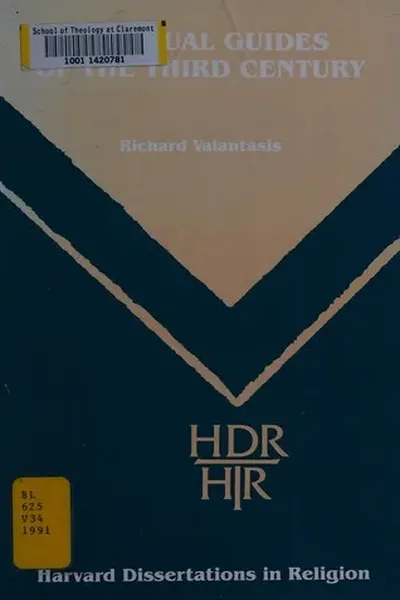



More Free Alchemy & Hermeticism Books
View all →