Dictionary of Occult, Hermetic, and Alchemical Sigils
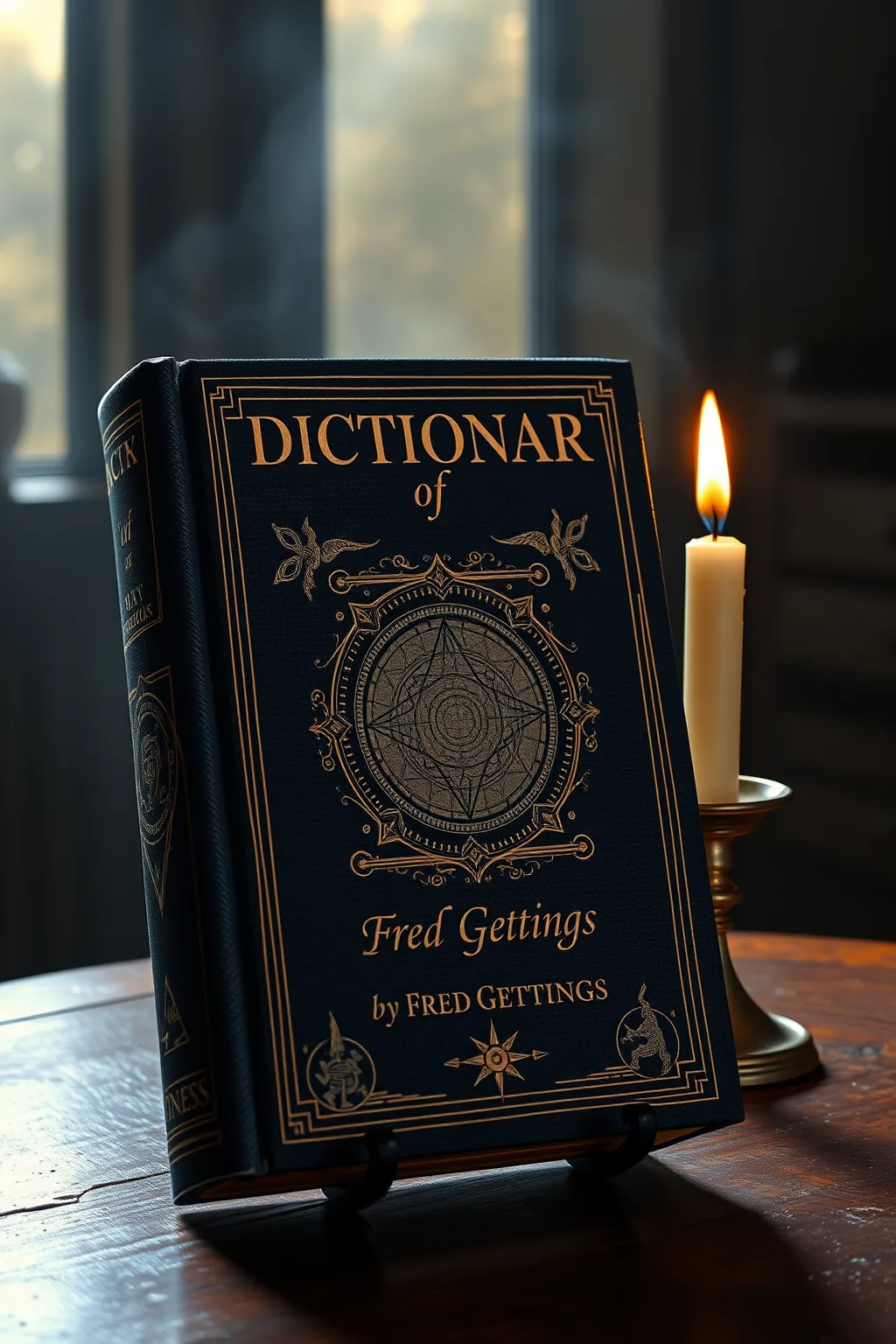
 72
72

Dictionary of Occult, Hermetic, and Alchemical Sigils
Fred Gettings' "Dictionary of Occult, Hermetic, and Alchemical Sigils" offers a meticulously researched compendium that, for the most part, succeeds in demystifying a complex visual lexicon. Its strength lies in the sheer breadth of symbols covered, presenting them with a scholarly detachment that avoids the common pitfalls of sensationalism. The historical context provided for many glyphs, particularly those tied to alchemical processes or Hermetic philosophy, is illuminating. However, the book's academic rigor can sometimes lead to a density that requires considerable reader concentration. For instance, the section on planetary sigils, while accurate, could benefit from more direct visual comparisons to contemporary magical diagrams. Despite this minor reservation, Gettings provides an invaluable resource for anyone serious about understanding the symbolic language of Western esotericism. It stands as a foundational reference, indispensable for serious students.
📝 Description
72
Fred Gettings' Dictionary of Occult, Hermetic, and Alchemical Sigils, published in 1981, deciphers the visual language of esoteric traditions.
Fred Gettings' 1981 dictionary meticulously catalogues and explains a wide range of symbols, glyphs, and characters used in occult, Hermetic, and alchemical practices over centuries. This volume acts as a reference, clarifying the origins and applications of these visual forms and the hidden meanings they carry. It is a scholarly work that grounds the interpretation of sigils within their historical and philosophical contexts, offering a rigorous approach to a subject often treated sensationally.
This book is valuable for students of Western Esotericism, including those studying Hermeticism, alchemy, Kabbalah, and ceremonial magic. Art historians focused on symbolic imagery, philosophers interested in symbolic representation, and individuals attempting to understand the visual codes in historical mystical texts and artifacts will also find it useful. Researchers and practitioners can both benefit from its detailed entries.
Published in 1981, Gettings' work emerged during a period of increased academic and popular engagement with esoteric subjects, building upon earlier scholarship. Unlike popular books that often sensationalized occult topics, Gettings provided a more academic study. This was at a time when the academic study of magic and esoteric traditions was beginning to gain acceptance, moving beyond simple dismissal and recognizing its historical and philosophical significance.
💡 Why Read This Book?
• Gain a foundational understanding of alchemical and Hermetic visual language, learning how symbols like the Mercury symbol (☿) represent complex concepts, as detailed in the book's extensive glossary. • Decipher the meaning behind specific symbols encountered in historical occult texts or artifacts, such as the various astrological and elemental glyphs catalogued by Gettings, enriching your research. • Understand the historical development and cross-cultural transmission of esoteric symbols, appreciating how figures like those associated with the Hermetic Order of the Golden Dawn utilized and adapted these ancient signs.
⭐ Reader Reviews
Honest opinions from readers who have explored this book.
❓ Frequently Asked Questions
What is the primary focus of Fred Gettings' Dictionary of Occult, Hermetic, and Alchemical Sigils?
The book's primary focus is on cataloging and explaining the visual language of occult, Hermetic, and alchemical traditions. It provides detailed entries on numerous sigils, glyphs, and symbols, exploring their meanings, origins, and historical applications.
When was the Dictionary of Occult, Hermetic, and Alchemical Sigils first published?
The Dictionary of Occult, Hermetic, and Alchemical Sigils was first published in 1981, marking a significant contribution to the study of esoteric symbolism during that period.
Who would benefit most from reading this dictionary?
Students of Western esotericism, including Hermeticism, alchemy, Kabbalah, and ceremonial magic, will find it invaluable. Art historians, philosophers, and anyone interested in deciphering symbolic codes in historical mystical works will also find it highly beneficial.
Does the book offer practical applications for sigil use?
While the book is primarily a scholarly reference, its detailed explanations of sigil origins and meanings provide the foundational knowledge necessary for practical application within esoteric practices. It illuminates the 'why' behind their use.
How does Gettings approach the interpretation of these symbols?
Gettings approaches interpretation with scholarly rigor, grounding explanations in historical context and cross-referencing symbols across different traditions. He avoids speculative leaps, focusing on documented usage and philosophical underpinnings.
Is this book suitable for beginners in occult studies?
Yes, it is suitable for beginners who approach the subject with an academic mindset. While dense, its structured format and clear explanations make it an excellent starting point for understanding esoteric symbolism systematically.
🔮 Key Themes & Symbolism
The Language of Alchemy
This theme explores the symbolic shorthand developed by alchemists to represent substances, processes, and philosophical concepts. Gettings details how symbols for metals (like gold's sun symbol ☉), planets, and operations (calcination, distillation) form a complex, often coded, visual language. Understanding these sigils is crucial for interpreting alchemical texts from authors like Paracelsus or Basil Valentine, revealing the spiritual and material transformations central to the Great Work.
Hermetic Glyphs and Correspondences
The book examines the glyphs associated with Hermetic philosophy, particularly those linked to the seven classical planets and their perceived influences. It examines how these symbols, such as Mars' symbol ♂, were used not just astrologically but also in magical operations and amuletic creation, reflecting the Hermetic principle of 'as above, so below.' Gettings illustrates the interconnectedness of celestial bodies, elements, and human endeavors within this framework.
Sigils as Keys to Power
A central theme is the function of sigils as conceptual keys or talismans. Gettings discusses how specific combinations of lines and forms were believed to hold inherent power, capable of invoking specific forces or energies. This section touches upon the creation and activation of sigils, exploring the intent and belief systems required for them to operate within magical paradigms, drawing from traditions that influenced figures like John Dee.
Evolution of Symbolic Forms
This theme addresses how symbols change and adapt across different eras and cultures. Gettings traces the lineage of certain sigils, showing their roots in ancient Egyptian hieroglyphs, Greek letters, or Kabbalistic traditions, and their subsequent modifications through the Middle Ages and Renaissance. It highlights the dynamic nature of esoteric symbolism and its persistent use in representing universal archetypes and hidden knowledge.
💬 Memorable Quotes
Direct passages from the work, attributed to the author.
“Alchemical symbols for metals correspond to planetary rulers and spiritual states.”
— This interpretation reflects Gettings' exploration of the deep correspondence systems within alchemy. It underscores how the symbol for gold (☉) isn't merely a representation of the metal but also linked to the Sun and potentially a state of spiritual perfection or enlightenment.
“The transformation of lead into gold mirrors the alchemist's own spiritual purification.”
— This interpretation captures a fundamental Hermetic and alchemical axiom discussed by Gettings. It illustrates how the physical processes described in alchemy were seen as allegorical representations of the inner, spiritual journey of the practitioner towards enlightenment or perfection.
💡 Key Ideas
Editorial paraphrase of the work's core concepts — not direct quotes.
The sigil is a condensation of meaning, a visual encapsulation of a complex idea or force.
This paraphrased concept highlights the core function of sigils as described by Gettings: they are not random marks but intentionally designed symbols that pack immense informational and energetic value into a compact form, acting as potent mnemonic devices and conceptual shortcuts.
The visual representation of elements often carried operative significance.
This paraphrased concept emphasizes that elemental symbols (fire 🔥, water 💧, air ☁️, earth 🌍) were more than abstract representations; they were integral to magical practices, talismans, and rituals, providing a means to invoke or manipulate these fundamental forces.
Many occult symbols have roots in ancient Greek or Hebrew alphabets.
This statement, paraphrased from Gettings' work, points to the etymological and historical depth of esoteric symbols. It suggests that understanding the original linguistic or cultural context of letters and characters can unlock layers of meaning within their sigil forms.
🌙 Esoteric Significance
Tradition
This work is deeply rooted in the Western Esoteric Tradition, particularly drawing from Hermeticism, Alchemy, and Kabbalah. It serves as a bridge, codifying the visual languages that underpin these interwoven streams of thought. Gettings' approach aligns with a scholarly interpretation of these traditions, focusing on historical usage and philosophical underpinnings rather than purely devotional or practical magical application. It fits within the lineage of esoteric encyclopedias that aim to systematize and clarify complex symbolic systems.
Symbolism
The book extensively details symbols such as the Ouroboros (a serpent eating its tail), representing cyclicality, self-sufficiency, and the eternal return, a motif central to Gnostic and Hermetic cosmology. It also covers planetary sigils, like Jupiter's (♃), which not only denote the celestial body but also its associated qualities, metals, and spiritual correspondences within alchemical and astrological frameworks, illustrating the holistic worldview of these traditions.
Modern Relevance
Contemporary practitioners of ceremonial magic, chaos magic, and modern occultism frequently reference Gettings' dictionary. Thinkers and artists exploring symbolic systems in contemporary culture also draw upon its meticulous cataloging. Its influence can be seen in the renewed interest in sigil magic and the systematic study of esoteric iconography, providing a reliable source for understanding the foundational symbols used by earlier practitioners and theorists.
👥 Who Should Read This Book
['• Students of Western Esotericism: Those studying Hermeticism, Alchemy, Kabbalah, Rosicrucianism, or ceremonial magic will find this an indispensable reference for understanding the visual language of their chosen fields.', '• Art Historians and Symbolism Researchers: Individuals interested in the history and meaning of symbols across cultures, particularly those focusing on pre-modern and esoteric visual cultures, will benefit from its detailed entries.', '• Aspiring Practitioners of Sigil Magic: Those seeking to create or understand sigils for magical purposes will gain a solid grounding in the historical context, forms, and potential meanings of these potent symbols.']
📜 Historical Context
Fred Gettings' "Dictionary of Occult, Hermetic, and Alchemical Sigils" arrived in 1981, a period marked by a growing academic legitimacy for the study of Western Esotericism, spurred by scholars like Frances Yates and her key work "Giordano Bruno and the Hermetic Tradition" (1964). The late 20th century saw a surge in popular interest alongside more rigorous scholarly investigation into occult traditions. Gettings' book distinguished itself from more speculative popularizations by offering a systematic, reference-based approach. While occult and esoteric studies were gaining ground, they still navigated a landscape where mainstream academia often viewed them with skepticism. The book engaged with a rich lineage, drawing from Kabbalistic, Gnostic, and Hermetic sources, and provided a valuable counterpoint to earlier, less critically rigorous compilations. Its publication contributed to the professionalization of the field, offering a tool for both researchers and practitioners.
📔 Journal Prompts
The planetary symbol for Mars (♂): what does its visual form suggest about the qualities of Mars in Hermetic thought?
Analyze the concept of the Ouroboros as presented in the book; how does its cyclical nature relate to alchemical processes?
Reflect on the connection between a specific alchemical sigil for a metal and its associated planet, as detailed in Gettings' work.
Consider the visual elements common across different sigils for 'spirit' or 'air' as cataloged in this dictionary.
How might the historical context of sigil creation, as described by Gettings, influence their perceived efficacy?
🗂️ Glossary
Sigil
A symbol, glyph, or character used in occult traditions to represent a concept, entity, or force. Sigils are often created through specific processes and are believed to carry inherent magical or symbolic power.
Hermeticism
A philosophical and religious tradition based on the purported teachings of Hermes Trismegistus. It emphasizes esoteric knowledge, the correspondence between the macrocosm and microcosm, and the pursuit of divine wisdom.
Alchemy
An ancient proto-scientific and philosophical tradition focused on the transformation of matter, particularly the transmutation of base metals into gold and the discovery of the elixir of life. It is also understood as a spiritual discipline.
Glyph
A symbol or character, often pictorial or abstract, used to represent a word, syllable, or concept. In occult contexts, glyphs are frequently employed as sigils.
Ouroboros
An ancient symbol depicting a serpent or dragon eating its own tail. It represents cyclicality, eternity, self-sufficiency, and the concept of the 'Great Work' in alchemy and other esoteric traditions.
Kabbalah
A system of Jewish mysticism that explores the nature of God and the creation of the universe through esoteric interpretations of scripture and symbolic frameworks, often involving divine names and emanations (Sefirot).
Correspondence
In esoteric thought, the belief in symbolic relationships between different levels of reality (e.g., planets, elements, metals, human organs). The principle 'As above, so below' exemplifies this concept.















![The Kybalion [A Study Of The Hermetic Philosophy Of Ancient Egypt And Greece].pdf (PDFy mirror)](/img/thumb/the-kybalion-a-study-of-the-hermetic-philosophy-of-ancient-egypt-and-greece-pdf-pdfy-mirror.webp)