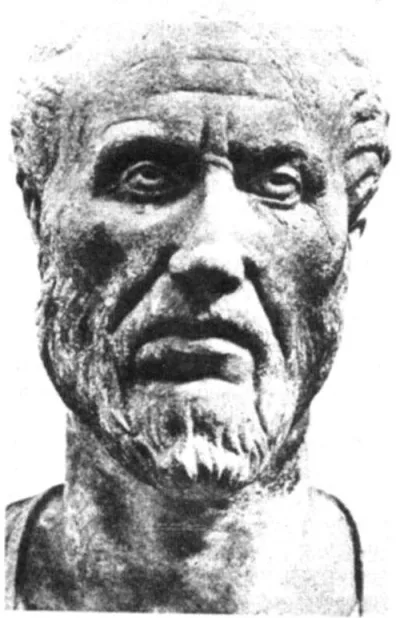
International Society for Neoplatonic Studies. Annual Conference
Neoplatonism, emerging in the 3rd century AD, is a philosophical system derived from Plato, emphasizing monism and influencing Western thought.
Neoplatonism, also known as late Platonism, is a philosophical tradition that originated in the 3rd century AD, building upon the ideas of Plato within the context of Hellenistic philosophy and religion. It is characterized by a series of thinkers rather than a strict set of doctrines, though a common thread is monism, the belief that all reality originates from a singular principle called "the One". The movement began with Ammonius Saccas and his student Plotinus and continued through several distinct periods until the 6th century, with significant centers of learning in Alexandria and Athens.
This philosophical system had a profound and lasting impact on the subsequent development of Western philosophy and religion. Its ideas were explored and integrated by Christian, Jewish, and Muslim scholars throughout the Middle Ages. Thinkers like al-Farabi, Avicenna, Maimonides, and later Thomas Aquinas, as well as mystics like Meister Eckhart and Renaissance figures such as Marsilio Ficino, all engaged with and were influenced by Neoplatonic concepts. The tradition's influence extends into modern-day spirituality, demonstrating its enduring relevance.
Origins and Development
Neoplatonism emerged in the 3rd century AD, evolving from Platonic philosophy within the broader Hellenistic intellectual landscape. While the term itself is a modern construct used to distinguish Plotinus and his followers from the historical Plato, it signifies a new interpretation of Platonic thought. The tradition traces its roots to Ammonius Saccas and his most prominent student, Plotinus (c. 205–271 AD). Following Plotinus, Neoplatonism developed through distinct phases, including the work of Porphyry (3rd-4th century), Iamblichus (3rd-4th century), and the flourishing of academies in Alexandria and Athens during the 5th and 6th centuries. This intellectual lineage synthesized elements from Greek philosophy, particularly Middle Platonism and Neopythagoreanism, with religious and mystical traditions.
Key Thinkers and Ideas
Central to Neoplatonism is the concept of "the One," a supreme, indivisible, and transcendent principle from which all reality emanates. Plotinus, considered the father of Neoplatonism, articulated this idea, positing that "the One" is beyond all categories of existence and comprehension. His student, Porphyry, further developed Neoplatonic thought and authored significant commentaries, including a biography of Plotinus. Iamblichus expanded the system, introducing a complex hierarchy of divine beings and emphasizing the practice of "theurgy" or divine-working as a means for the soul's return to divinity. Later figures like Hypatia, a philosopher and mathematician, led the Platonist school in Alexandria, contributing to the continuation of these philosophical studies.
Enduring Influence
The impact of Neoplatonism on subsequent intellectual history is substantial. During the Middle Ages, its ideas permeated the works of Christian, Jewish, and Muslim scholars, influencing figures such as Thomas Aquinas, Solomon ibn Gabirol, and Maimonides. Islamic philosophers like al-Farabi and Avicenna incorporated Neoplatonic elements into their own philosophical systems. Mystics like Meister Eckhart drew inspiration from Neoplatonism for their contemplative practices, and Renaissance thinkers like Marsilio Ficino and Giovanni Pico della Mirandola revived and adapted these ideas. The tradition's influence continued into the 19th century and remains a significant thread in modern spirituality and philosophy.
Key Ideas
- Monism: The doctrine that all reality can be derived from a single principle, "the One".
- The One: A supreme, transcendent, and indivisible principle beyond all being and non-being.
- Theurgy: A practice, particularly emphasized by Iamblichus, involving divine-working or ritual to facilitate the soul's return to divinity.
Notable Quotes
“The gods have proclaimed Christ to have been most pious, but the Christians are a confused and vicious sect.”