Dante Alighieri
Dante Alighieri
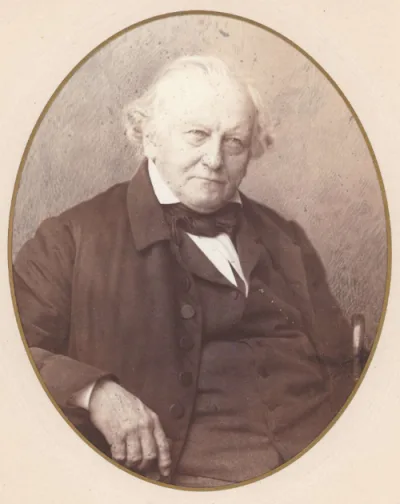
Dante Alighieri was a pivotal Italian poet whose "Divine Comedy" shaped the Italian language and Western literary tradition.
Dante Alighieri, born likely in May 1265 in Florence, was a significant Italian poet, writer, and philosopher. He is primarily renowned for his epic poem, the "Divine Comedy," originally titled "Comedìa." This work is considered a masterpiece of the Middle Ages and a foundational text of the Italian language. Breaking from the scholarly tradition of using Latin, Dante championed the vernacular, specifically the Tuscan dialect, in his writings. His treatise "De vulgari eloquentia" argued for the literary merit of vernacular languages, and his use of Florentine dialect in works like "The New Life" and "Divine Comedy" was instrumental in standardizing modern Italian.
Dante's influence extends beyond language; he is a major figure in Western literature. His vivid portrayals of Hell, Purgatory, and Heaven have profoundly impacted art and literature. He is credited with inventing the "terza rima" rhyme scheme. Alongside Petrarch and Boccaccio, he is celebrated as one of the "three crowns" of Italian literature, earning the title "il Sommo Poeta" (the Supreme Poet).
His early life involved political engagement within the Guelph faction of Florence. He participated in battles and entered public service through the Physicians' and Apothecaries' Guild. His life was also marked by a profound, idealized love for Beatrice Portinari, whom he met in childhood and who became a central figure and spiritual guide in his poetry, particularly in the "Vita Nuova" and the "Divine Comedy."
Literary Innovation and the Vernacular
Dante Alighieri distinguished himself by writing in the vernacular, specifically his native Tuscan dialect, at a time when Latin dominated scholarly and literary pursuits. This choice was revolutionary, as many contemporary Italian poets drew heavily from French or Provençal traditions. Dante's "De vulgari eloquentia" served as an early scholarly defense of using vernacular languages for literature. His decision to employ the Florentine dialect in significant works such as "The New Life" (1295) and the "Divine Comedy" was crucial in establishing the standardized Italian language we know today. This paved the way for future Italian literary giants like Petrarch and Boccaccio, who followed his precedent in using their native tongue for significant artistic expression.
Influence and Legacy
Considered a national poet of Italy and a towering figure in Western literature, Dante Alighieri's impact is immense. His imaginative depictions of the afterlife—Hell, Purgatory, and Heaven—have served as a wellspring of inspiration for countless works of Western art and literature. His influence reached English writers like Geoffrey Chaucer, John Milton, and Alfred Tennyson. Furthermore, Dante is credited with the invention of the "terza rima," an interlocking three-line rhyme scheme that became a significant poetic form. He is often referred to as the "father" of the Italian language and is known as "il Sommo Poeta" (the Supreme Poet), forming part of the "three crowns" of Italian literature alongside Petrarch and Boccaccio.
Early Life and Beatrice
Born around May 1265 in Florence, Dante's early life was shaped by the city's political landscape, particularly the Guelph-Ghibelline conflict. His family belonged to the Guelph faction. He participated in the Battle of Campaldino in 1289. A pivotal figure in his life was Beatrice Portinari, whom he first met as a child and claimed to have fallen in love with instantly. Though he married Gemma Donati, his profound spiritual and poetic connection remained with Beatrice, whom he depicted as a semi-divine guide in his works, notably the "Vita Nuova" and the "Divine Comedy." Her death in 1290 deeply affected him, leading him to seek solace in classical literature.
Education and Intellectual Development
Details about Dante's formal education are scarce, suggesting he likely studied privately or in religious schools in Florence. He was deeply influenced by Tuscan poetry, particularly the works of Guido Guinizelli, whom he considered a mentor. He also engaged with the poetry of the troubadours and the classical Latin writers like Virgil and Cicero. His intellectual development was further shaped by philosophical studies at religious institutions, where he participated in theological debates. His association with poets like Guido Cavalcanti and Brunetto Latini marked him as a leader of the "dolce stil nuovo" (sweet new style), a literary movement focused on exploring love and its complexities.
Key Ideas
- Championing the vernacular language for literary expression
- Portrayal of the afterlife (Hell, Purgatory, Heaven)
- Courtly love and its spiritualization
- The "dolce stil nuovo" (sweet new style) of poetry
Books by Dante Alighieri
12 free public domain books · Read online or download