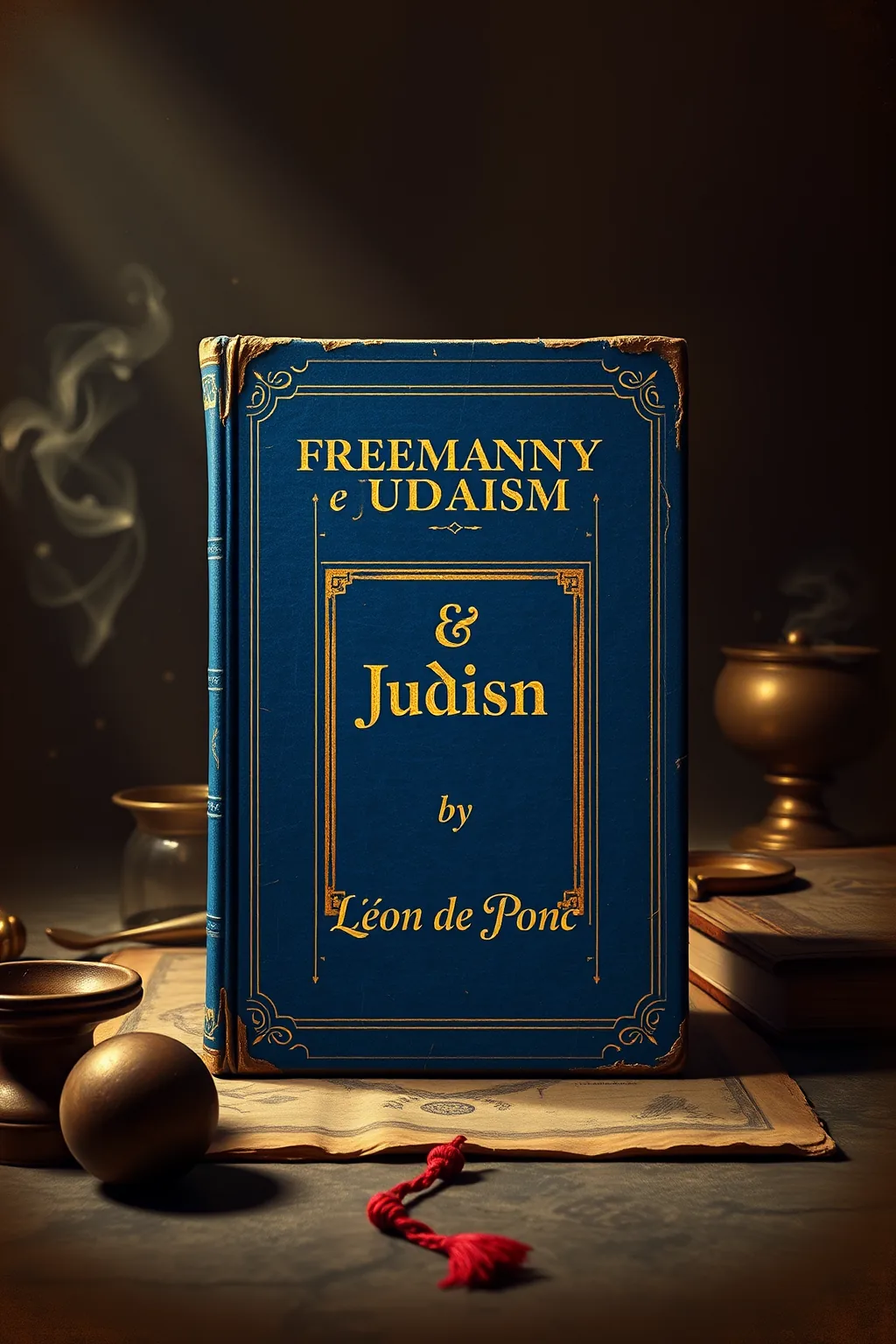
Freemasonry e Judaism: Secret Powers Behind Revolutions - Léon de Poncins
 83
83

Freemasonry e Judaism: Secret Powers Behind Revolutions - Léon de Poncins

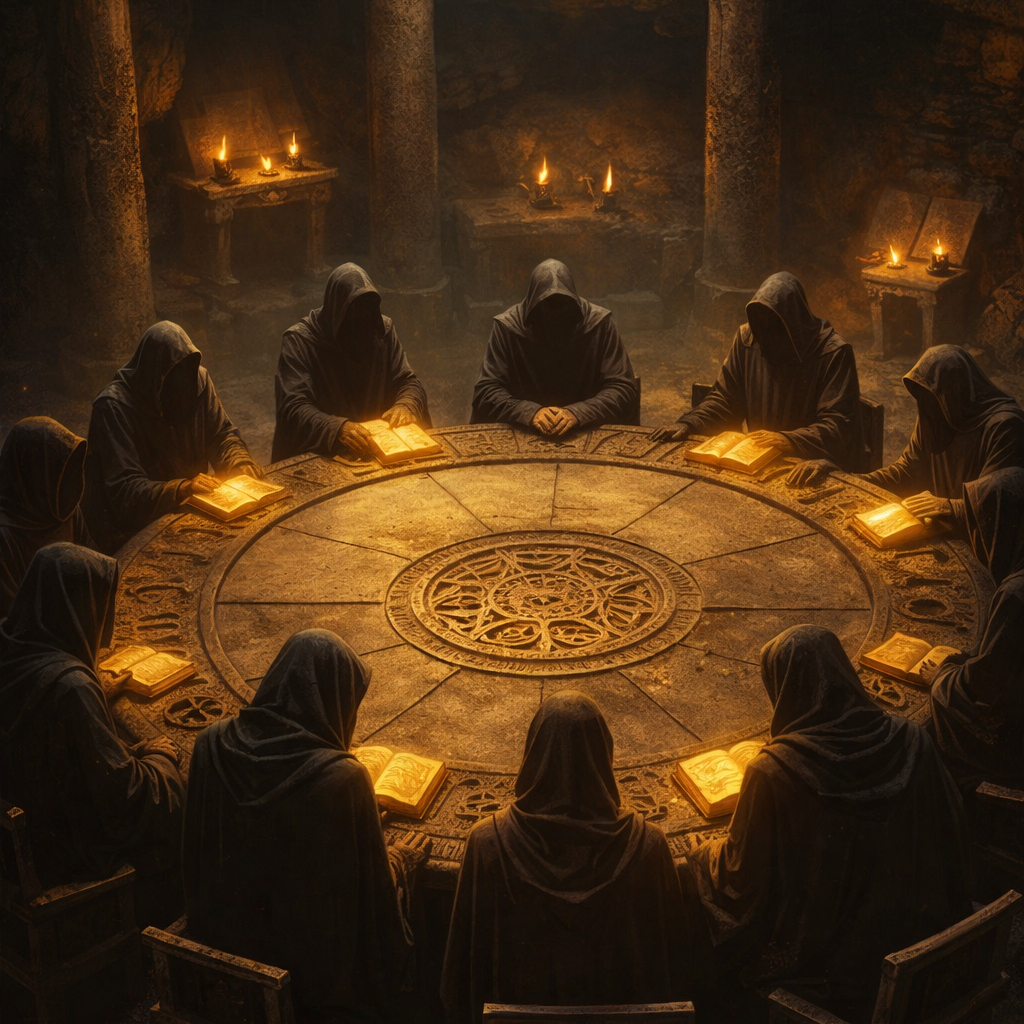

Aurelia Blackwood (Occult Philosophy Critic) — Léon de Poncins' "Freemasonry & Judaism" is a disquieting yet essential dissection of historical causality, positing a compelling argument for the pervasive influence of secret orders. Poncins meticulously traces the alleged threads of Masonic and Jewish agency through pivotal revolutions, offering a perspective steeped in traditionalist esotericism. While controversial, the book's strength lies in its unflinching examination of power structures often dismissed as mere conspiracy. It is a vital text for scholars of occult history and practitioners seeking to understand the deeper currents shaping our world, demanding intellectual rigor and a willingness to confront uncomfortable truths.
📝 Description
83
Léon de Poncins' 1932 book claims Freemasonry and Judaism secretly direct global revolutions.
First published in 1932, Léon de Poncins' "Freemasonry & Judaism: Secret Powers Behind Revolutions" examines alleged connections between these groups and historical upheavals. Poncins argues that secret societies, particularly Freemasonry, and Jewish influence have been instrumental forces guiding major political and social changes throughout history. The author posits that these hidden powers operate through clandestine rituals and encoded texts, shaping events from behind a veil of secrecy. The book suggests that the accepted historical narrative is a constructed facade, obscuring the true agents of change.
Poncins' work presents a conspiracy theory concerning the manipulation of societal structures and revolutions by these perceived hidden forces. He connects Masonic practices and Jewish religious or cultural traditions to a deliberate, coordinated effort to influence world events. The text aims to reveal what the author believes are the underlying mechanisms of power and control that are not apparent in conventional historical accounts.
This book fits within a tradition of esoteric and conspiratorial literature that emerged strongly in the early 20th century. Such works often seek to uncover hidden forces or secret societies believed to be manipulating world events. They draw on themes of secret knowledge, ancient lineages, and coded messages, positing an unseen hand guiding history. This genre frequently examines the relationship between religious or fraternal organizations and political power, presenting alternative interpretations of historical causality.
💡 Why Read This Book?
Unearth the hidden architects of historical change. This book offers a profound, albeit controversial, perspective on the interplay between esoteric societies and global revolutions. Ideal for serious researchers, tradition-minded thinkers, and those seeking to comprehend the deeper, often veiled, forces that have shaped modern political landscapes. Explore the esoteric underpinnings of societal transformation.
⭐ Reader Reviews
Honest opinions from readers who have explored this book.
❓ Frequently Asked Questions
What is the primary focus of "Freemasonry & Judaism"?
The book primarily focuses on the alleged influence of Freemasonry and Jewish secret societies on major historical revolutions, exploring their perceived roles in shaping political and social change.
Is this book a factual historical account or an esoteric interpretation?
It is best understood as an esoteric and traditionalist interpretation of historical events, drawing connections based on perceived symbolic meanings and hidden agendas rather than strictly empirical evidence.
Who is the intended audience for this book?
The intended audience includes scholars of esoteric history, traditionalist thinkers, and individuals interested in exploring alternative, often controversial, theories about the drivers of historical events.
Does the book promote anti-Semitic views?
The book has been criticized for its perceived anti-Semitic undertones, reflecting the prevalent anti-Jewish sentiments of its time and milieu. Readers should approach it with critical awareness.
Where can I find more information on Léon de Poncins?
Further research into Léon de Poncins would reveal him as a French traditionalist writer known for his critiques of modernity and his focus on traditionalist philosophy and esoteric subjects.
🔮 Key Themes & Symbolism
The Esoteric Hand in History
This theme studies the core argument that historical revolutions are not merely products of popular will or socio-economic forces, but are subtly manipulated by clandestine organizations. Poncins posits that secret societies, particularly Freemasonry and certain Jewish factions, possess esoteric knowledge and synchronized agendas that guide the course of human events from behind the veil of conventional history. The exploration focuses on how hidden symbols, rituals, and philosophical underpinnings within these groups allegedly translate into tangible political and social transformations, challenging the reader to consider the unseen architects of our world.
Symbolism and Hidden Agendas
Central to Poncins' thesis is the power of symbolism as a vehicle for transmitting hidden knowledge and coordinating action among initiates. This theme examines how Masonic and alleged Jewish esoteric symbols are interpreted not just as decorative elements but as potent keys to understanding their secret objectives. The book suggests that these symbols reveal a consistent, long-term plan for societal restructuring, often aimed at dismantling traditional orders and establishing a new world paradigm. It highlights the importance of deciphering these visual languages to grasp the true intentions of the secret powers at play.
The Traditionalist Counter-Revolution
This theme frames Poncins' work within the broader context of traditionalist thought, which views modernity as a deviation from sacred, primordial principles. "Freemasonry & Judaism" can be seen as a polemic against the forces perceived to be driving this modernistic descent. The book's exploration of secret societies is intrinsically linked to a desire to expose and counter what is seen as a perversion of natural and divine order. It champions a return to traditional values and structures, viewing the alleged machinations of the secret powers as an assault on the sacred foundations of civilization.
💬 Memorable Quotes
Direct passages from the work, attributed to the author.
“The symbols speak louder than the pronouncements.”
— This highlights the esoteric belief that hidden meanings and veiled intentions are more accurately conveyed through symbolic language than through overt declarations or official narratives.
“Revolutions are not born, they are orchestrated.”
— This implies a deliberate, planned process behind major societal upheavals, rather than spontaneous occurrences, pointing to the agency of organized, secret groups.
“Tradition is the eternal, modernity the ephemeral.”
— This captures a core traditionalist tenet, asserting the timeless and enduring nature of ancient wisdom and order in contrast to the fleeting and potentially destructive changes of the modern era.
💡 Key Ideas
Editorial paraphrase of the work's core concepts — not direct quotes.
History is written by the victors, but guided by the hidden.
This quote suggests that while public accounts of history focus on overt conflicts and outcomes, the true direction and underlying causes are often dictated by clandestine forces operating outside of public scrutiny.
The uninitiated see the surface; the initiate perceives the current.
This quote emphasizes the divide between those who understand the visible aspects of events and those who comprehend the deeper, often invisible, forces that propel them.
🌙 Esoteric Significance
Tradition
This work is deeply rooted in the Traditionalist School of thought, a philosophical movement that posits the existence of a perennial, universal wisdom underlying all major religions and ancient traditions. Poncins, influenced by figures like René Guénon, views history as a process of spiritual decline or 'disin-tegration' from a primordial, divinely ordained order. His analysis of Freemasonry and alleged Jewish machinations is framed within this context as forces actively contributing to this decline, seeking to replace sacred authority with secular, materialist power structures. The esoteric significance lies in its attempt to uncover the spiritual warfare underlying political events.
Symbolism
Poncins interprets Masonic symbols (such as the square and compass) and perceived Jewish esoteric symbols not merely as historical artifacts but as potent signifiers of hidden agendas and spiritual principles. He suggests these symbols are keys to understanding the secret objectives of these groups, often relating to the construction of a new world order antithetical to traditional values. The esoteric significance lies in the belief that these symbols hold active power and communicate a coded message to initiates, guiding their actions and revealing the true nature of their influence on historical events.
Modern Relevance
While rooted in a specific historical and intellectual milieu, the book's themes of hidden power, societal manipulation, and the critique of modernity continue to resonate with certain contemporary audiences. In an era saturated with information and distrust of established institutions, the idea of unseen forces shaping global events holds a particular allure. Its relevance lies in its capacity to provoke critical thought about power dynamics, the role of ideology, and the enduring human fascination with uncovering hidden truths, even as its specific claims warrant careful historical and critical examination.
👥 Who Should Read This Book
This volume is primarily for the dedicated scholar of esoteric history, the serious student of traditionalist philosophy, and the discerning individual fascinated by the deeper, often concealed, currents of political and social change. It is not a casual read but a demanding inquiry for those who have already engaged with works on secret societies and historical causality. Practitioners of traditionalist or occult disciplines may find its analysis clear for understanding historical patterns and the perceived forces opposing established spiritual orders. Beginners should approach with critical discernment, recognizing its controversial nature and historical context.
📜 Historical Context
Written in the early to mid-20th century, "Freemasonry & Judaism: Secret Powers Behind Revolutions" emerges from a period rife with political upheaval, ideological conflict, and a pervasive sense of societal fragmentation. The aftermath of World War I and the rise of Bolshevism in Russia, coupled with anxieties about the erosion of traditional social and religious structures, created fertile ground for theories concerning hidden influences. Léon de Poncins, a proponent of traditionalist philosophy, reflected the prevailing concerns of his era regarding the perceived ascendancy of secularism and liberalism, which were often linked in his worldview to secret societies. His work is deeply embedded in the intellectual currents of Catholic integralism and anti-modernist thought, seeking to identify the 'enemy' within the perceived spiritual and political decay of Western civilization. The book's controversial nature stems from its direct confrontation with established historical narratives and its embrace of esoteric interpretations, mirroring a broader intellectual trend to seek deeper, often conspiratorial, explanations for complex societal shifts.
📔 Journal Prompts
How do you perceive the role of symbols in conveying power or influence beyond their literal meaning?
In what ways might societal structures be influenced by forces operating outside of public awareness?
Reflect on the concept of 'tradition' and its perceived opposition to 'modernity' in contemporary society.
What ethical considerations arise when analyzing the alleged actions of secret societies throughout history?
How can one critically engage with texts that present controversial or conspiratorial interpretations of historical events?
🗂️ Glossary
Esotericism
The practice of esoteric traditions, which are traditions based on mystical, spiritual, or occult insights and knowledge, often hidden from the general public and accessible only to initiated individuals.
Traditionalism
A philosophical movement emphasizing the importance of perennial wisdom, divine revelation, and sacred traditions, often viewing modernity as a process of spiritual and social decline from an ideal primordial state.
Clandestine Societies
Organizations that operate in secrecy, often with hidden membership, rituals, and objectives, whose influence on public affairs may be exerted indirectly or covertly.
Perennialism
The philosophical view that all religions and spiritual traditions share a common metaphysical core, a universal truth that transcends specific doctrines and historical contexts.
Disintegration
In traditionalist thought, the process of spiritual and social decay, a falling away from the primordial unity and order towards fragmentation and chaos.
This book appears in 2 collections
🔮 Readers Also Liked
Browse all →





From the “Secret Societies” Collection
View all →




More Free Freemasonry & Secret Societies Books
View all →