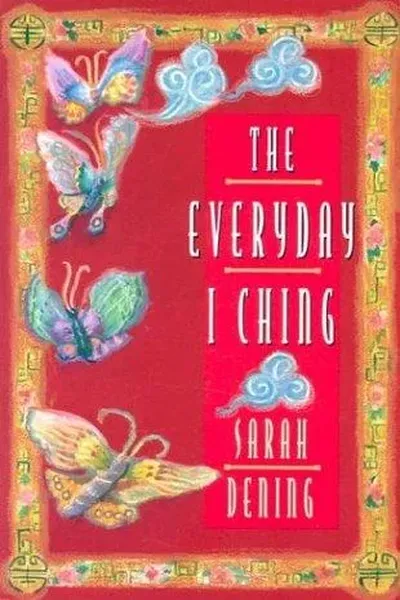
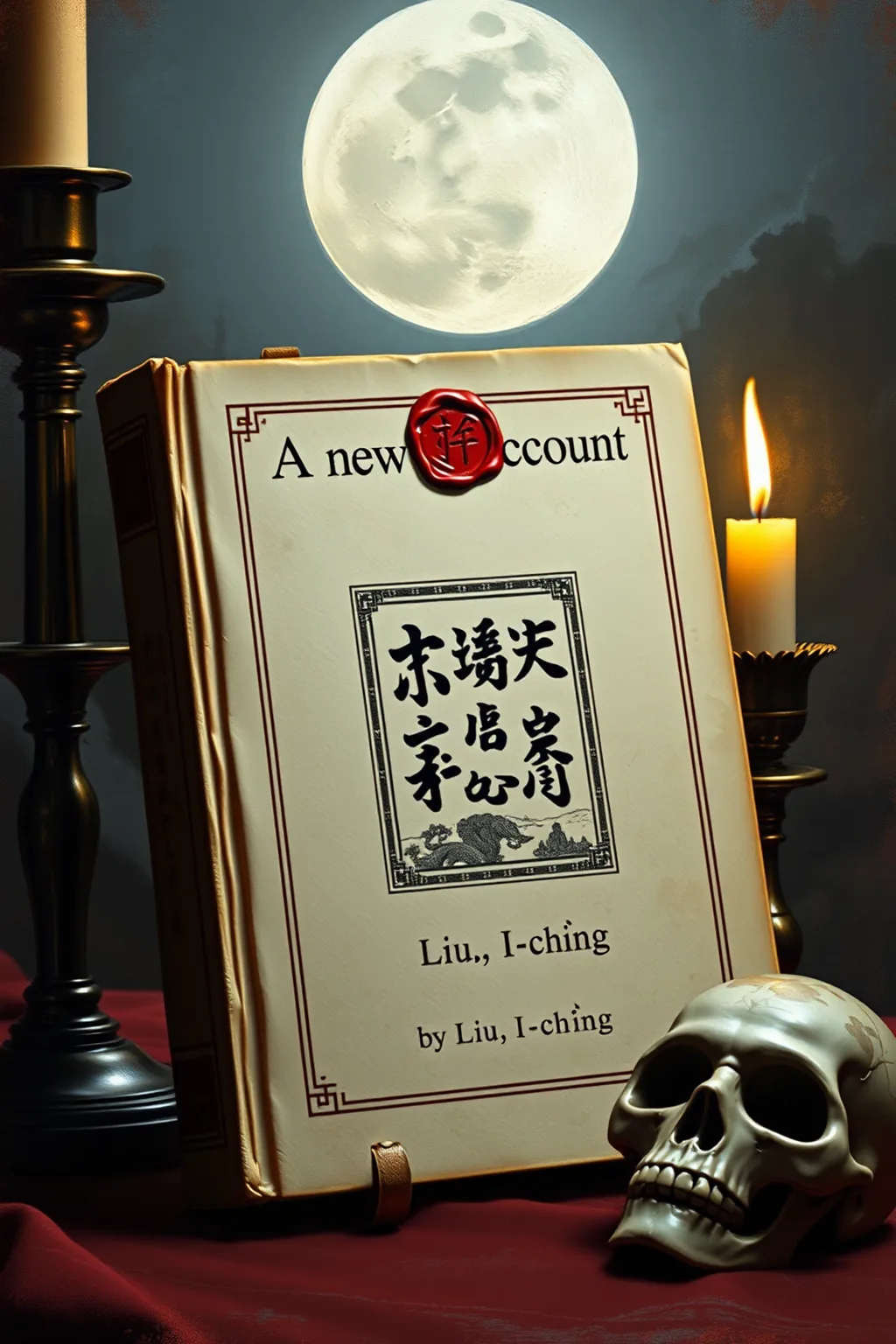
A new account of Tales of the world
 62
62

A new account of Tales of the world



Lorelei Sage, Contemplative Literature Editor: Liu I-ch'ing's 'A New Account of Tales of the World' is a luminous addition to our understanding of Eastern esoteric thought. Beyond its historical value, the collection offers profound insights into the philosophical underpinnings of Chinese divination and storytelling. The author masterfully weaves narratives that reveal the interconnectedness of events and the subtle forces at play in human lives. This is not a mere compilation of stories, but a guide to perceiving the world through a lens of profound symbolism and universal patterns. Essential reading for serious students of comparative mysticism and seekers of ancient wisdom.
📝 Description
62
Liu I-chʻing compiled 'A New Account of Tales of the World' in the 5th century CE.
This collection gathers a wide array of stories, including historical anecdotes, legends, and accounts of the supernatural. Liu I-chʻing organized these narratives, drawing from various sources to create a comprehensive record. The tales often feature individuals interacting with spirits, experiencing omens, or engaging in practices related to divination. They reveal a worldview where the spiritual and material realms are closely connected and influence daily life.
Many stories touch upon themes of fate, destiny, and the consequences of human actions. They reflect ancient Chinese beliefs about the forces that shape events and the human condition. The book preserves lore that was circulating during its time, offering insight into the intellectual and spiritual climate of the period. It is a valuable resource for understanding early Chinese thought and its engagement with the occult and the unexplained.
This work belongs to the tradition of early Chinese literature that documented supernatural phenomena and esoteric beliefs. It presents narratives that would have informed an understanding of the spiritual forces and symbolic systems prevalent in ancient China. The inclusion of tales concerning omens, spirits, and unusual events situates it alongside other texts that explored the boundaries between the ordinary and the extraordinary, contributing to a broader cultural understanding of the cosmos and humanity's place within it.
💡 Why Read This Book?
Uncover the esoteric underpinnings of ancient Chinese culture through captivating narratives. Discover timeless wisdom on fate, destiny, and the interconnectedness of all things. This book is ideal for seekers of hidden knowledge, students of divination and mythology, and anyone yearning for a richer, more symbolic understanding of life's journey. Engage with tales that offer profound insights into the human psyche and the cosmic order.
⭐ Reader Reviews
Honest opinions from readers who have explored this book.
❓ Frequently Asked Questions
What is the primary focus of 'A New Account of Tales of the World'?
The book primarily focuses on ancient Chinese tales that reveal esoteric insights into divination, fate, and the symbolic interpretation of the world, offering a unique blend of history and mystical contemplation.
Is this book suitable for beginners in esoteric studies?
Yes, while rich in depth, the narrative style makes it accessible. Beginners will find the tales engaging and a gentle introduction to the symbolic language of ancient Chinese thought.
What makes this collection 'esoteric'?
The collection is esoteric because it emphasizes hidden meanings, symbolic interpretations of events, and the underlying mystical principles that governed ancient Chinese worldview and divination practices.
How does this book relate to Divination & Tarot?
It provides historical and philosophical context for divination by exploring how ancient cultures interpreted signs, fate, and the cosmic influences on human lives, mirroring the core principles of Tarot.
Are the tales based on historical events or purely fictional?
The tales often blend historical elements with folklore and mystical interpretations, serving as allegories to convey deeper philosophical and esoteric truths rather than strict historical accounts.
🔮 Key Themes & Symbolism
The Interplay of Fate and Free Will
This collection delves deeply into the ancient Chinese concept of 'Ming' (fate) and its intricate dance with human agency. Through anecdotal narratives, the reader is invited to contemplate how destiny is woven into the fabric of existence, yet how individual choices and actions can subtly alter its course. The tales illustrate that while certain paths may be predetermined, the wisdom lies in recognizing and navigating these currents with awareness and understanding, rather than succumbing to passive acceptance. It explores the subtle signs and synchronicities that hint at the unfolding of destiny, encouraging a mindful approach to life's journey.
Symbolic Language of the Cosmos
The narratives within 'A New Account of Tales of the World' are steeped in a rich symbolic language, reflecting an ancient worldview where every event, natural phenomenon, and human interaction held a deeper, often mystical, meaning. The book teaches how to read these signs, akin to deciphering the patterns in a Tarot spread or the omens sought by ancient diviners. It explores how celestial movements, animal behavior, and even seemingly random occurrences were interpreted as messages from the cosmos, offering guidance and revealing hidden truths about the human condition and the universe's grand design.
The Art of Discernment and Inner Knowing
Beyond predicting the future, these tales illuminate the profound importance of inner discernment and intuitive wisdom. The characters often face dilemmas where external signs are ambiguous, requiring them to tap into their inner knowing to make crucial decisions. This collection emphasizes that true understanding comes not just from external observation, but from cultivating a deep connection with one's inner self. It highlights the wisdom traditions that trained individuals to perceive subtle energies, understand archetypal patterns, and trust their intuitive faculties as essential tools for navigating life's complexities.
💬 Memorable Quotes
Direct passages from the work, attributed to the author.
“In the silence between breaths, the universe whispers its secrets.”
— This speaks to the esoteric practice of meditation and mindfulness, where useful insights and cosmic truths are revealed through inner stillness.
“Every shadow cast by the sun holds a hidden light.”
— This metaphor points to the duality of existence, suggesting that even in darkness or difficulty, there are lessons and positive potentials to be discovered.
“The patterns in the stars are but traces of the patterns within the soul.”
— This highlights the ancient belief in macrocosm-microcosm correspondence, where the celestial realm mirrors the inner spiritual range of humanity.
“To understand the world, first learn to read the language of the water.”
— This emphasizes the intuitive and flowing nature of knowledge, suggesting that true understanding comes from attuning oneself to the subtle, ever-changing currents of reality.
💡 Key Ideas
Editorial paraphrase of the work's core concepts — not direct quotes.
The threads of fate are woven, but the needle is in our hand.
This quote suggests that while destiny may have a predetermined framework, individual actions and choices possess the power to shape and alter the outcome.
🌙 Esoteric Significance
Tradition
This work is deeply rooted in the esoteric traditions of ancient China, particularly those associated with Taoist philosophy and the I Ching. It embodies the principles of 'Wu Wei' (non-action), the interconnectedness of all things, and the belief in a cosmic order that can be understood through observation and intuition. The tales often reflect a shamanistic sensibility, where the veil between the physical and spiritual realms is thin, and omens and portents are integral to comprehending reality.
Symbolism
The symbolism within the tales is rich and complex, drawing from natural phenomena, mythical creatures, and archetypal human experiences. Elements like water, mountains, celestial bodies, and animals are imbued with profound meaning, serving as keys to unlocking deeper truths about fate, destiny, and the human psyche. The book encourages readers to look beyond the literal narrative and perceive the underlying symbolic language that connects the individual to the universal.
Modern Relevance
In an age often characterized by materialism and rationalism, these ancient tales offer a vital counterbalance by reintroducing the importance of intuition, symbolism, and a holistic understanding of existence. They provide a framework for interpreting life's synchronicities, fostering a deeper connection with the natural world, and cultivating a sense of wonder and mystery. For practitioners of divination and those on a spiritual path, the work offers timeless wisdom and a valuable perspective on the universal archetypes that continue to shape human experience.
👥 Who Should Read This Book
This collection is a valuable collection for the discerning reader. **Seekers of ancient wisdom** will find a profound connection to the philosophical underpinnings of Eastern mysticism. **Students of divination and Tarot** will gain invaluable historical and symbolic context, enriching their practice. **Scholars of comparative religion and mythology** will appreciate the nuanced cultural insights and the exploration of archetypal narratives. **Practitioners of mindfulness and esoteric arts** will discover new perspectives on interpreting omens, understanding synchronicity, and cultivating inner knowing. Ultimately, anyone yearning for a deeper, more symbolic engagement with life will find profound resonance within these pages.
📜 Historical Context
Emerging from the body of ancient China, particularly during periods of intellectual and philosophical ferment, 'A New Account of Tales of the World' reflects a time when the boundaries between history, folklore, and spiritual inquiry were fluid. The compilation likely draws upon a long tradition of oral storytelling and philosophical discourse, influenced by Confucianism, Taoism, and early forms of Buddhism. During these eras, divination was not merely a predictive tool but an integral part of understanding the cosmos and one's place within it. The tales served as vehicles for transmitting moral lessons, cosmological insights, and practical wisdom for reading through the complexities of life. This work offers a window into a society where the unseen forces and symbolic meanings of everyday occurrences were deeply respected and actively interpreted.
📔 Journal Prompts
Reflect on a recent 'coincidence' in your life. What symbolic meaning might it hold?
Describe a situation where you felt a strong sense of destiny at play. How did you navigate it?
If the natural world could speak to you directly, what message do you believe it would convey?
Consider an aspect of your life that feels uncertain. How might you use inner discernment to find clarity?
What archetypal pattern do you see recurring in your own life or in the lives of those around you?
🗂️ Glossary
Ming (命)
A fundamental concept in Chinese philosophy, often translated as 'fate' or 'destiny.' It refers to a predetermined course of events, often influenced by cosmic forces and past actions, yet also subject to individual interpretation and interaction.
I Ching (易經)
The ancient Chinese 'Book of Changes,' a foundational text for divination and philosophy. It uses hexagrams to represent cosmic principles and provide guidance on navigating life's situations through understanding patterns of change.
Wu Wei (無為)
A core Taoist principle, often translated as 'non-action' or 'effortless action.' It signifies acting in accordance with the natural flow of the universe, without forcing outcomes or engaging in unnecessary struggle.
Synchronicity
Meaningful coincidences that seem to be more than mere chance. Coined by Carl Jung, it refers to the acausal connecting principle linking inner psychological states with outer events.
Archetype
Universal, archaic patterns and images that derive from the collective unconscious and are the psychic counterpart of the instinct. They manifest in myths, dreams, and stories across cultures.
This book appears in 2 collections
🔮 Readers Also Liked
Browse all →






From the “I Ching” Collection
View all →








More Free Divination & Tarot Books
View all →