Zadok
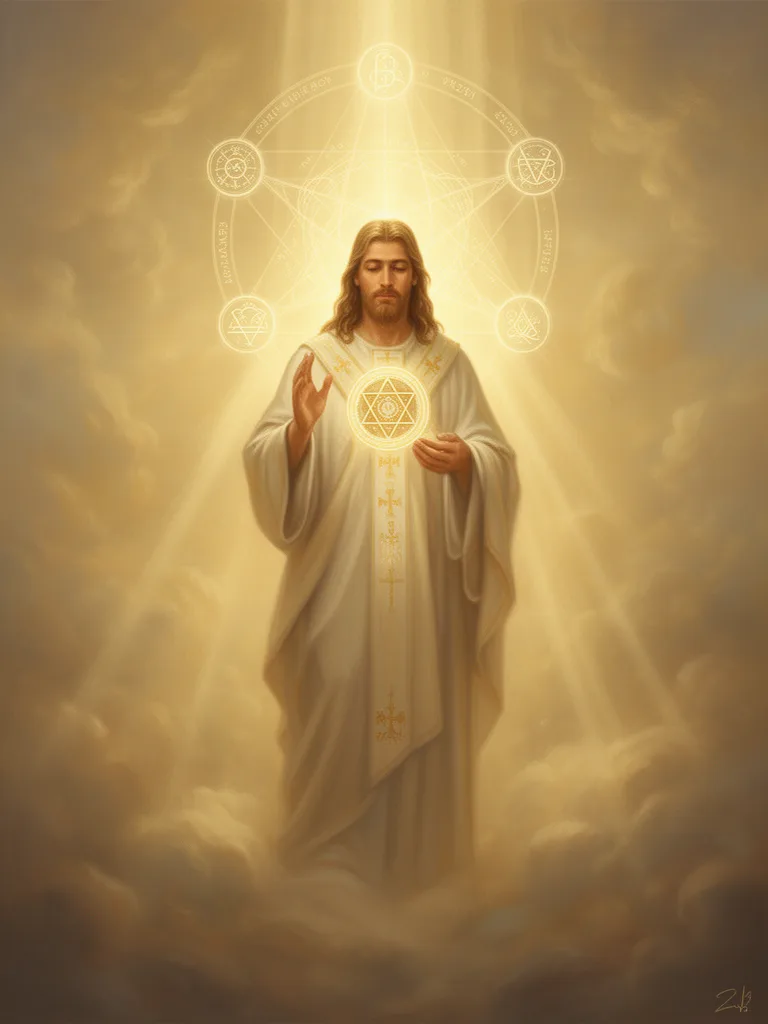
Zadok refers to a priestly lineage or order, notably associated with the first High Priest of Solomon's Temple in Jerusalem, as documented by the historian Josephus. This figure is also linked to certain degrees within Freemasonry, suggesting a continuation of esoteric traditions.
Where the word comes from
The name "Zadok" is Hebrew, likely derived from the root tsdq meaning "righteous" or "just." While its precise origin is ancient, it gained prominence through the biblical figure who served as High Priest during the time of King David and Solomon. The name signifies a righteous lineage.
In depth
According to .Tosephus (see Antiquities, x.. 8, §6), Zadok was the first High-Priest llierophant of Solomon's High Temple, ^lasons connect him with some of their degrees,
How different paths see it
What it means today
The name Zadok, appearing in the annals of ancient Israelite history, carries a weight far exceeding its biblical narrative. Josephus, the Roman-Jewish historian, identifies Zadok as the first High Priest to serve in Solomon's magnificent Temple, a sanctuary that became the symbolic heart of Jewish spiritual life. This association imbues Zadok with the aura of a primeval hierophant, one who stood at the threshold of the sacred, mediating between the divine and the human.
It is this very quality of being a keeper of sacred knowledge and a conduit for divine presence that has allowed the name and concept of Zadok to resonate across disparate esoteric traditions. Freemasonry, in particular, has incorporated Zadok into its symbolic cosmology, linking him to certain degrees that explore themes of temple building, wisdom, and the pursuit of divine truth. This connection suggests a perceived unbroken thread of initiation, a secret tradition passed down from the ancient priesthoods to later fraternal orders.
The allure of Zadok lies in his representation of an ideal priesthood, one characterized by righteousness and a profound understanding of divine mysteries. This archetype speaks to a universal human yearning for spiritual authority, for individuals or groups who possess the key to unlocking deeper truths. Mircea Eliade, in his studies of shamanism and the sacred, often highlighted the role of intermediaries who bridge the earthly and the celestial realms. Zadok, in this light, can be seen as an early manifestation of this archetypal figure, a guardian of the sacred fire.
For the modern seeker, the concept of Zadok offers a contemplation on the nature of spiritual lineage and the transmission of wisdom. It prompts reflection on whether such lineages are literal, historical chains of transmission, or symbolic representations of an inner state of righteousness and spiritual attainment. The figure of Zadok invites us to consider the enduring power of sacred spaces, the rituals that consecrate them, and the individuals who, throughout history, have been tasked with their guardianship, even if only in the symbolic architecture of the mind. The quest for such custodians, whether external or internal, continues to shape our spiritual journeys.
Related esoteric terms
Books on this concept



No reflections yet. Be the first.
Share your interpretation, experience, or question.
