Kali
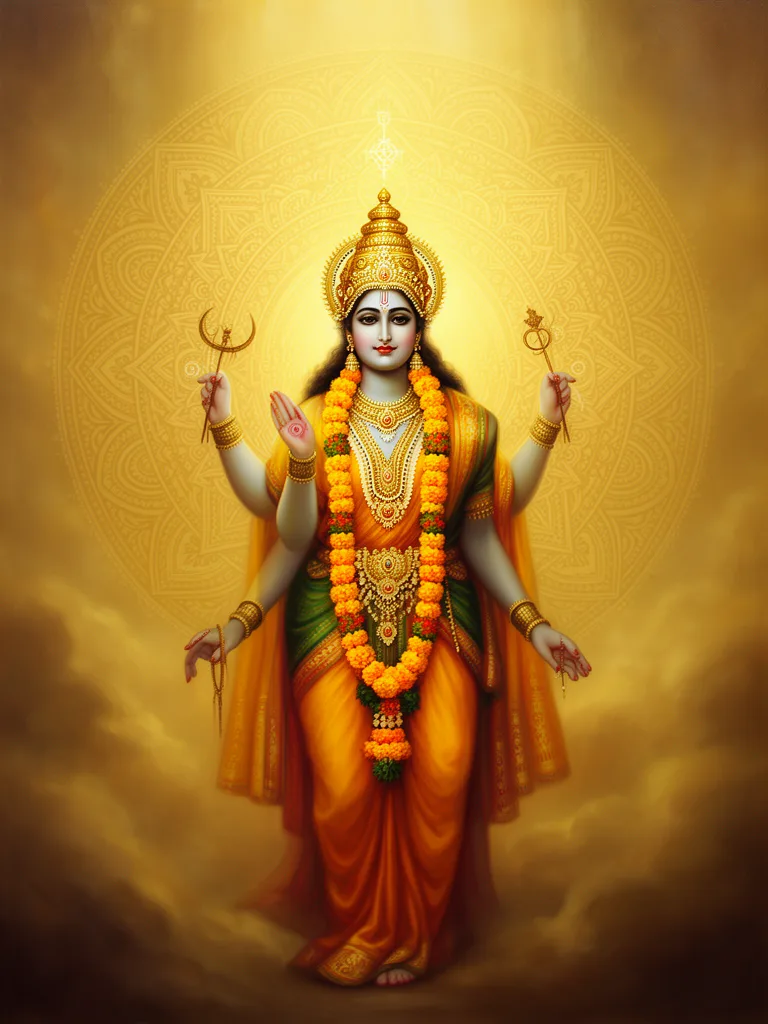
Kali is a Hindu goddess often depicted as a fierce, dark-skinned deity with multiple arms, symbolizing time, destruction, and transformation. She is both a terrifying force of cosmic dissolution and a compassionate mother figure, representing the cyclical nature of existence and the ultimate liberation from suffering.
Where the word comes from
The name "Kali" derives from the Sanskrit word "kala," meaning "time." It also relates to "kala," meaning "black," and "kāla," meaning "death" or "destruction." This etymology underscores her association with the inexorable passage of time and the ultimate end of all phenomena.
In depth
The "black", now the name of Parvati, the consort of Siva, but originally that of one of the seven tongues of Agni, the god of fire — "the black, fiery tongue". Evil and wickedness.
How different paths see it
What it means today
Blavatsky's definition, rooted in the Vedic concept of Agni's seven tongues, offers a glimpse into an older understanding of Kali as a fiery, consuming force. The "black, fiery tongue" speaks to a primal energy, an unquenchable fire that burns away impurities. This resonates with Mircea Eliade's observations on the sacredness of fire as a symbol of both destruction and purification, a force that transforms the profane into the sacred. In Hinduism, Kali is far more than a mere deity of destruction; she is the embodiment of time itself, the relentless march that brings all things to their end, thereby making space for renewal.
Her fierce aspect, often depicted with a severed head in one hand and a sword in another, is not gratuitous violence but a profound metaphor. It signifies her power to cut through illusion, to sever the bonds of ego and attachment that bind the soul to the cycle of suffering (samsara). This echoes Carl Jung's concept of the Shadow, the unacknowledged aspects of the psyche that must be integrated for wholeness. Kali confronts us with our deepest fears, not to paralyze us, but to compel us toward a radical acceptance of impermanence and the transformative power of change.
The goddess's dark complexion is not a sign of negativity but of the primordial, undifferentiated state of existence, the unmanifest potential from which all forms arise. As Annemarie Schimmel notes in her studies of Islamic mysticism, darkness can often represent the divine mystery, the ineffable presence that transcends human comprehension. Kali's embrace is the embrace of the Absolute, a terrifying yet ultimately liberating union that dissolves the illusion of a separate self. To approach Kali is to confront the void, not as an emptiness to be feared, but as the fertile ground of all possibility.
RELATED_TERMS: Shiva, Shakti, Time, Death, Transformation, Samsara, Moksha, Maya
Related esoteric terms
Books on this concept







No reflections yet. Be the first.
Share your interpretation, experience, or question.
