Deva-laya
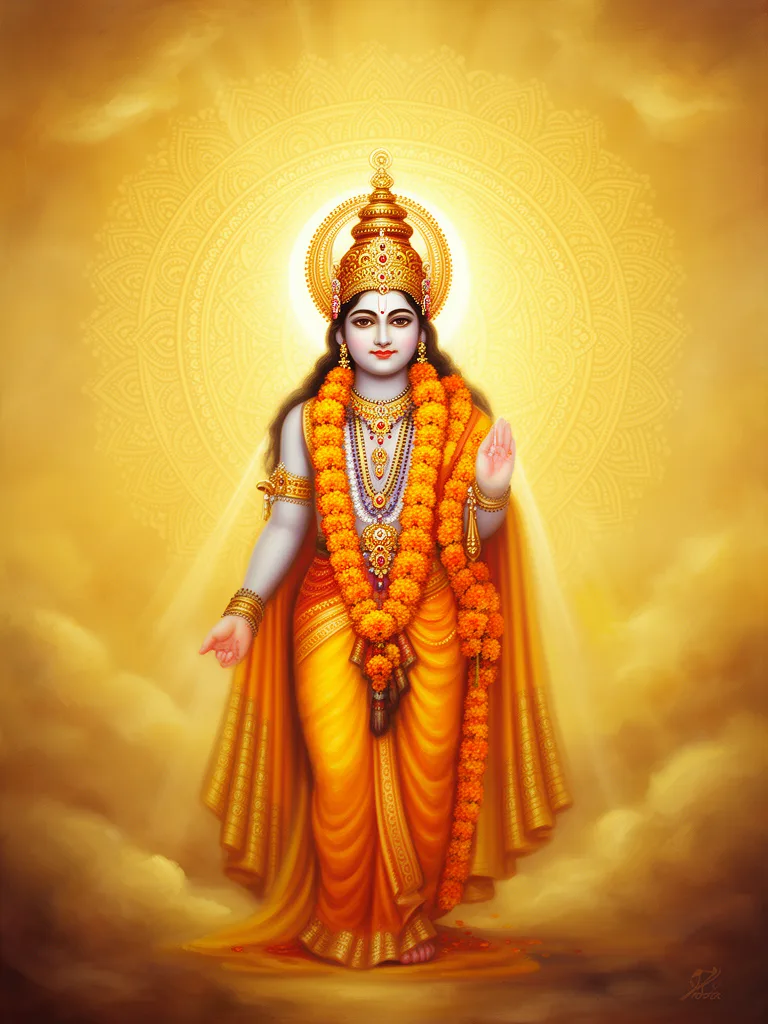
A Deva-laya is a Hindu temple dedicated to a Deva, a divine being or god. These sacred spaces serve as focal points for worship, ritual, and the contemplation of the divine in various forms, embodying the presence of celestial powers within the earthly realm.
Where the word comes from
Sanskrit, derived from "Deva" meaning "god" or "divine being," and "alaya" meaning "abode" or "dwelling place." The term literally translates to "abode of the gods." Its usage is deeply embedded in the architectural and religious nomenclature of ancient and contemporary Hinduism.
In depth
"The shrine of a Deva". The name given to all Brahamanical temples.
How different paths see it
What it means today
The concept of the Deva-laya, the "abode of the gods" in the Hindu tradition, resonates with a deep-seated human impulse to create sacred geography, to carve out spaces where the numinous can manifest. Mircea Eliade, in his seminal work "The Sacred and the Profane," explored how humans have consistently sought to establish a "hierophany," a manifestation of the sacred, by differentiating a territory from the surrounding profane space. The Deva-laya is precisely such a point of cosmic axis, a place where the vertical axis connecting heaven, earth, and the underworld is made tangible.
Within the Deva-laya, the Deva is not simply represented but is understood to be immanent. The idol or image is not a mere effigy but a conduit, a living presence that receives the offerings and prayers of the devotee. This is not a passive worship; it is an active engagement, a dialogue between the human and the divine. The rituals performed, the chanting of mantras, the offering of flowers and incense, all serve to sustain this divine presence and to maintain the cosmic order, or rta. The architecture itself, often aligned with astronomical principles, further reinforces the idea of the temple as a microcosm of the universe. The sanctum sanctorum, or garbhagriha, is the innermost chamber, the heart of the Deva-laya, where the principal deity resides, radiating its energy outwards.
For the modern seeker, the Deva-laya offers a powerful metaphor for the creation of inner sanctuaries. In an age of constant external distraction, the idea of cultivating a sacred space within oneself, a Deva-laya of the mind and heart, becomes paramount. This internal temple is where one can withdraw from the cacophony of the world to commune with one's own deepest essence, to find the divine spark that resides within. It is a reminder that the sacred is not solely located in grand edifices but can be cultivated through mindful practice and devoted attention, transforming the ordinary into the extraordinary.
RELATED_TERMS: Temple, Shrine, Puja, Idol, Icon, Sacred Space, Dharma, Brahman
Related esoteric terms
No reflections yet. Be the first.
Share your interpretation, experience, or question.
