Asita
Asita, a Sanskrit term, primarily refers to a sage or seer in ancient Indian traditions. It can also denote a specific type of tree, often interpreted as symbolic of knowledge or cosmic connection, and in some contexts, a negative spiritual entity.
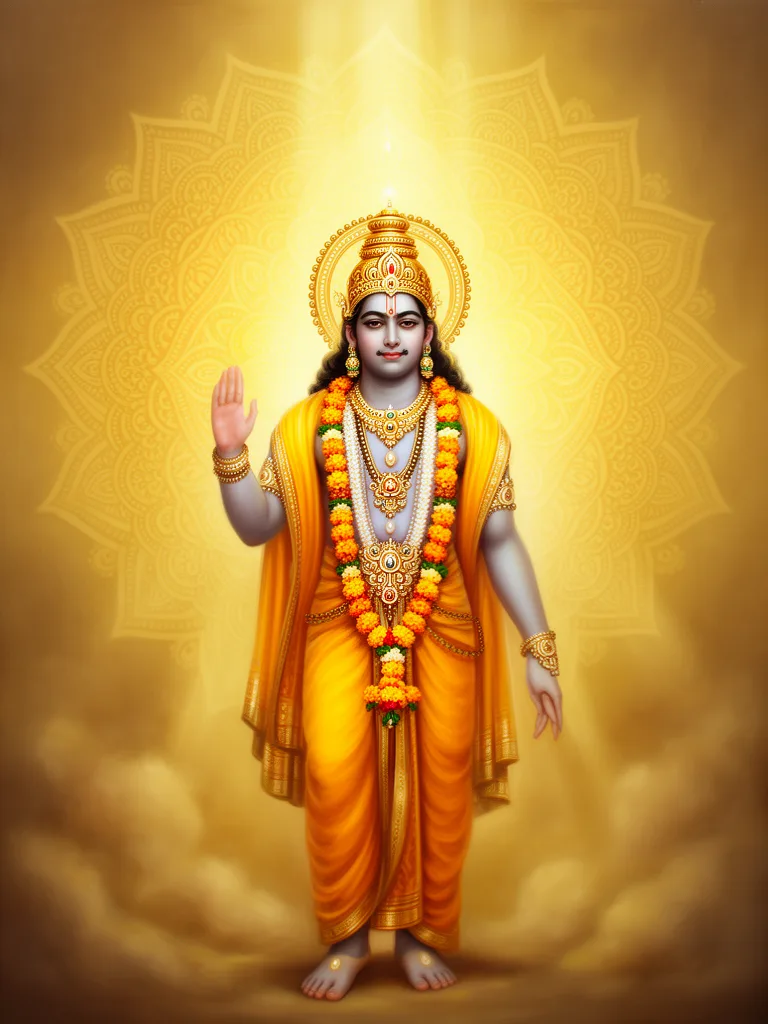
Where the word comes from
The term "Asita" originates from Sanskrit (असित). Its root is "as," meaning "to be" or "to exist," with the prefix "a-" negating it, thus implying "not being" or "dark." This duality allows for interpretations ranging from a sage who has transcended ordinary existence to a primordial darkness.
In depth
A proj)er name; a son of Bharata ; a Rishi and a Sajre. Ask (Scand.) or Ash tree. The "tree of Knowled-re". Together with tile Enihla (alder) the Af;k was the tree from whieh the pods of A.sgard created the tirst man. Aski-kataski-haix-tetrax-damnameneus-aision. TIu-mmystic words, wliieli Athanasius Kirelier tells us meant "Darkness, Light, Earth. Sun. and Truth", were, .says Ile.sycliius, engraved upon the zone or belt of the Diana of Ephesus. Plutarch says that the priests used to recite these words over persons who were posses.sed by fievils. [w.w.w.] Asmodeus. The Persian Acshma-dri\ the Eshani-rhv of the Parsis, "the evil Spirit of C'oncupi.seence", according to Hreal, whom the Jews approi)riate(l under the name of Ash))udai, "the Destroyer", the Talmud identifying the creature with Beelzebub and Azrael (Angel of Death), and calling him the "King of the Devils". Asmoneans. Priest-kings of Israel whose dynasty reigned over tluJews for 12(3 years. They promulgated the Canon of the Mosaic Testament in contradistinction to the "Apocrypha" (r/.?-.) or Secret Books of the Alexandrian Jews, the Kabbalists, and maintained the deaddetter meaning of the former. Till the time of John Ilyrcanus, they were Aseedeans (Chasidim) and Pharisees; but later they became SadductM^s or Zadokifts, asserters of Sacerdotal rule as contradistinguished from Rabbinical.
How different paths see it
What it means today
The Sanskrit term Asita presents a fascinating duality, reflecting a core tension within many esoteric traditions. On one hand, it is the name of a revered Rishi, a seer whose profound insight allowed him to glimpse the destiny of Siddhartha, the future Buddha. This Asita embodies wisdom, foresight, and a connection to the unfolding cosmic drama. He is the one who sees beyond the immediate, who understands the deeper currents of existence.
Yet, the root meaning of Asita points towards "darkness" or "not being." This suggests a primordial state, a void from which all manifestation arises, or perhaps a spiritual entity associated with shadow and ignorance, as Blavatsky's extensive, though somewhat conflated, definition implies. This apparent contradiction is not a flaw but a feature, mirroring concepts like the Kabbalistic Ayin (nothingness) or the Taoist Wu (non-being), which are not mere absences but fertile grounds for potential.
The wisdom of Asita, therefore, might be understood as the ability to hold both these meanings simultaneously. It is the sage who has journeyed through the darkness, who understands its nature, and from that understanding, emerges into profound clarity. Mircea Eliade, in his studies of shamanism and archaic religions, often highlighted the initiatory journey through the underworld or symbolic death as a prerequisite for spiritual rebirth and attainment. The Asita figure, bridging the dark and the luminous, embodies this archetypal passage.
For the modern seeker, the concept of Asita invites contemplation of our own relationship with the unknown, the unmanifest, and the aspects of ourselves that reside in shadow. It suggests that true illumination is not the eradication of darkness, but a profound integration, an understanding born from the very depths of what we might otherwise fear or reject. The sage who sees the light of enlightenment in the prince must also have understood the fundamental darkness from which all light emerges.
RELATED_TERMS: Rishi, Sage, Darkness, Void, Enlightenment, Prophecy, Initiation
Related esoteric terms
No reflections yet. Be the first.
Share your interpretation, experience, or question.
