The 7 healing chakras

 72
72

The 7 healing chakras
Davies' "The 7 Healing Chakras" offers a clear, if somewhat conventional, guide to the energy centers. Its strength lies in its systematic approach, presenting each chakra with its traditional associations and practical exercises for balancing. The section detailing the Muladhara (root chakra) and its connection to grounding is particularly well-articulated, offering tangible steps for readers feeling unmoored. However, the work occasionally leans into established New Age tropes without significant critical engagement, which may limit its appeal to more seasoned practitioners seeking novel interpretations. The initial publication year of 2000 is evident in some of its framing. Ultimately, "The 7 Healing Chakras" serves as a competent and accessible primer for understanding the foundational principles of chakra healing.
📝 Description
72
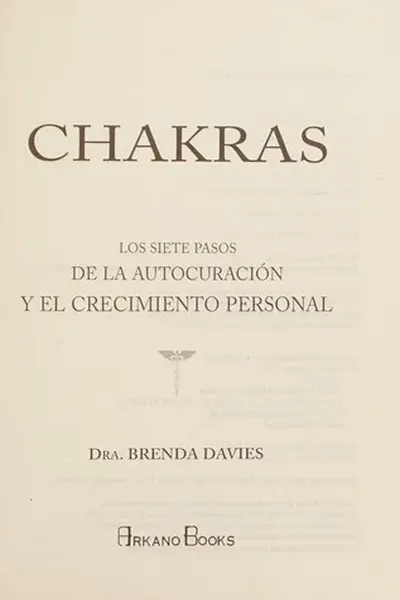
Brenda M.D. Davies' 2000 book examines the chakra system for physical, emotional, and spiritual well-being.
First published in 2000, "The 7 Healing Chakras" by Brenda M.D. Davies details the seven primary energy centers of the human body. The book explains their origins and functions as a framework for physical, emotional, and spiritual health. Davies moves beyond theory to offer practical ways readers can understand and balance these energy points.
This work is for anyone interested in holistic health, energy work, or the deeper aspects of human consciousness. It suits both newcomers to the chakra concept and those with existing knowledge seeking more insight. Readers looking for methods in self-healing, meditation, and personal development will find useful instruction here.
Davies' book emerged in the late 20th century, a period of renewed Western interest in Eastern spiritual traditions. It follows earlier popularizers of the chakra system in the West, such as Alice Bailey and C.W. Leadbeater. The work reflects a growing movement towards integrating mind, body, and spirit, making concepts from Theosophy and New Age philosophies more accessible.
💡 Why Read This Book?
• Understand the practical application of balancing the Muladhara (root chakra), learning specific techniques Davies outlines to foster grounding and security, a concept explored in detail. • Gain insight into the energetic correspondences of each of the seven primary chakras, as Davies systematically details their colors, sounds, and elemental links. • Discover how imbalances in your energetic anatomy, as described by Davies, may manifest physically or emotionally, providing a framework for self-assessment.
⭐ Reader Reviews
Honest opinions from readers who have explored this book.
❓ Frequently Asked Questions
What are the 7 healing chakras according to Brenda M.D. Davies?
Brenda M.D. Davies details the seven primary chakras: Muladhara (root), Svadhisthana (sacral), Manipura (solar plexus), Anahata (heart), Vishuddha (throat), Ajna (third eye), and Sahasrara (crown), explaining their individual roles in physical and emotional well-being.
When was "The 7 Healing Chakras" first published?
The book "The 7 Healing Chakras" by Brenda M.D. Davies was first published in the year 2000.
Does the book offer practical exercises for chakra balancing?
Yes, "The 7 Healing Chakras" provides practical exercises and techniques designed to help readers balance and harmonize their energy centers, fostering holistic well-being.
What is the historical lineage of the chakra concepts discussed?
The concepts discussed in "The 7 Healing Chakras" are rooted in ancient Indian traditions and were later popularized in the West through movements influenced by Theosophy and esoteric thought.
Can this book help with physical or emotional issues?
The book explores the connection between chakra imbalances and physical or emotional manifestations, offering a framework for understanding how energy work might support healing.
Is "The 7 Healing Chakras" suitable for beginners?
Yes, the book is written to be accessible to beginners, providing a clear introduction to the chakra system and its applications for personal growth and well-being.
🔮 Key Themes & Symbolism
Energetic Anatomy
The work meticulously maps the human energetic system, focusing on the seven primary chakras as defined within esoteric traditions. Davies explains each center's location, color, sound, and elemental association, illustrating how they form a vital network influencing physical health, emotional states, and spiritual awareness. The book posits that understanding this internal architecture is key to self-discovery and healing.
Holistic Healing Modalities
Davies presents the chakra system as a foundation for holistic healing, suggesting that imbalances in these energy centers can manifest as various ailments. The book offers practical techniques, including meditation and visualization, aimed at harmonizing the chakras. This approach integrates physical, mental, and spiritual aspects of health, aligning with broader New Age wellness philosophies prevalent since the late 20th century.
Spiritual Development
Beyond physical health, "The 7 Healing Chakras" frames the chakras as pathways for spiritual growth. Each chakra is linked to different levels of consciousness, from basic survival instincts at the root to higher spiritual connection at the crown. By working with these centers, readers are guided towards greater self-awareness, expanded consciousness, and a deeper connection to the universal energy.
Western Esoteric Adaptation
The book represents an adaptation of ancient Eastern concepts for a Western audience. Davies draws on frameworks popularized by earlier Western esotericists, making the complex chakra system accessible through clear explanations and practical exercises. This adaptation reflects a trend in the late 20th and early 21st centuries of integrating Eastern spiritual practices into Western self-help and therapeutic contexts.
💬 Memorable Quotes
Direct passages from the work, attributed to the author.
“The Muladhara, or root chakra, is our anchor to the material world.”
— This statement emphasizes the foundational role of the root chakra in establishing a sense of security and connection to the earth, crucial for survival and stability.
“Anahata, the heart chakra, governs love, compassion, and our relationships.”
— This highlights the central position of the heart chakra in emotional well-being, linking it directly to our capacity for empathy, connection, and interpersonal harmony.
“When energy flows freely through Vishuddha, authentic self-expression emerges.”
— This interpretation links the throat chakra to communication and truth, suggesting that a balanced flow of energy here allows for genuine and uninhibited expression of one's inner self.
“Sahasrara, the crown chakra, connects us to the divine or universal consciousness.”
— This concept describes the highest chakra as the gateway to spiritual enlightenment, facilitating a connection to a transcendent reality or cosmic awareness.
💡 Key Ideas
Editorial paraphrase of the work's core concepts — not direct quotes.
The Ajna chakra, or third eye, is the seat of intuition and inner knowing.
This paraphrase points to the intuitive and perceptive qualities associated with the third eye, positioning it as the center for insight beyond ordinary sensory perception.
🌙 Esoteric Significance
Tradition
This work primarily aligns with the Western esoteric adaptation of Hindu Tantric and Yogic traditions, specifically the chakra system. It draws heavily from Theosophical interpretations that became prominent in the West during the late 19th and early 20th centuries. While rooted in Indian yogic philosophy, Davies' presentation is filtered through a lens that emphasizes psychological and physical well-being, making it accessible to a modern, secularized audience interested in self-improvement and alternative healing.
Symbolism
Key symbols include the colors associated with each chakra (e.g., red for Muladhara, violet for Sahasrara), representing specific energetic frequencies and qualities. The lotus flower is another significant motif, with the number of petals often symbolizing the complexity and energy of each chakra, particularly the thousand-petaled lotus of Sahasrara, representing ultimate spiritual realization and cosmic consciousness.
Modern Relevance
Davies' approach to chakra work continues to influence contemporary practices in energy healing, mindfulness, and yoga. Modern practitioners in fields like crystal healing, reiki, and somatic therapy often reference or build upon the foundational understanding of the chakra system as presented in works like this. It remains a touchstone for individuals exploring embodied spirituality and integrated wellness approaches.
👥 Who Should Read This Book
• Aspiring practitioners of energy healing and holistic wellness seeking a foundational understanding of the chakra system. • Individuals experiencing physical or emotional discomfort who are exploring alternative methods for self-discovery and balance. • Students of Western esotericism interested in how Eastern concepts were adapted and integrated into modern self-help and spiritual development movements.
📜 Historical Context
Published in 2000, "The 7 Healing Chakras" emerged during a period of significant popularization for holistic and alternative wellness practices in the West. This era saw a growing interest in Eastern spiritual traditions, heavily influenced by earlier movements like Theosophy and the New Age phenomenon. Figures such as C.W. Leadbeater and Alice Bailey had previously introduced the concept of chakras to Western audiences in the early to mid-20th century, laying groundwork for later works. Davies' book fits within this lineage, acting as an accessible guide that synthesizes these esoteric teachings for a broader readership seeking personal growth and energetic balance. It arrived alongside a burgeoning self-help industry and a greater acceptance of mind-body connections in healthcare, contrasting with the more academic or purely spiritual focus of earlier esoteric texts.
📔 Journal Prompts
Reflect on the energetic correspondences of the Manipura (solar plexus) chakra and its connection to personal power.
Consider the symbolic meaning of the colors associated with each of the seven chakras and how they might influence your mood.
Explore the concept of energetic blockages within the throat chakra (Vishuddha) and your ability for authentic self-expression.
How does the grounding offered by the Muladhara chakra support your daily life and spiritual practice?
Meditate on the Sahasrara (crown chakra) and its role in connecting to higher consciousness.
🗂️ Glossary
Chakra
Derived from Sanskrit, meaning 'wheel' or 'vortex.' In esoteric traditions, chakras are described as energy centers within the subtle body that regulate the flow of life force (prana).
Muladhara
The root chakra, located at the base of the spine. It is associated with grounding, security, survival instincts, and our connection to the physical world.
Svadhisthana
The sacral chakra, located in the lower abdomen. It governs creativity, sexuality, emotions, and pleasure.
Manipura
The solar plexus chakra, located in the upper abdomen. It is associated with personal power, self-esteem, willpower, and digestion.
Anahata
The heart chakra, located at the center of the chest. It governs love, compassion, empathy, joy, and relationships.
Vishuddha
The throat chakra, located in the throat area. It is associated with communication, self-expression, truth, and creativity.
Ajna
The third eye chakra, located between the eyebrows. It governs intuition, inner wisdom, imagination, and psychic abilities.
Sahasrara
The crown chakra, located at the top of the head. It is associated with spiritual connection, enlightenment, consciousness, and universal energy.
🔮 Readers Also Liked
Browse all →


![Hindi Bangla Speaking Course[ S. P. Chakraborty]](/img/thumb/hindi-bangla-speaking-course-s-p-chakraborty.webp)






More by Davies, Brenda M.D.
All books →
More Free Spiritual Development Books
View all →