Witch
 73
73

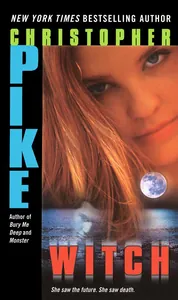
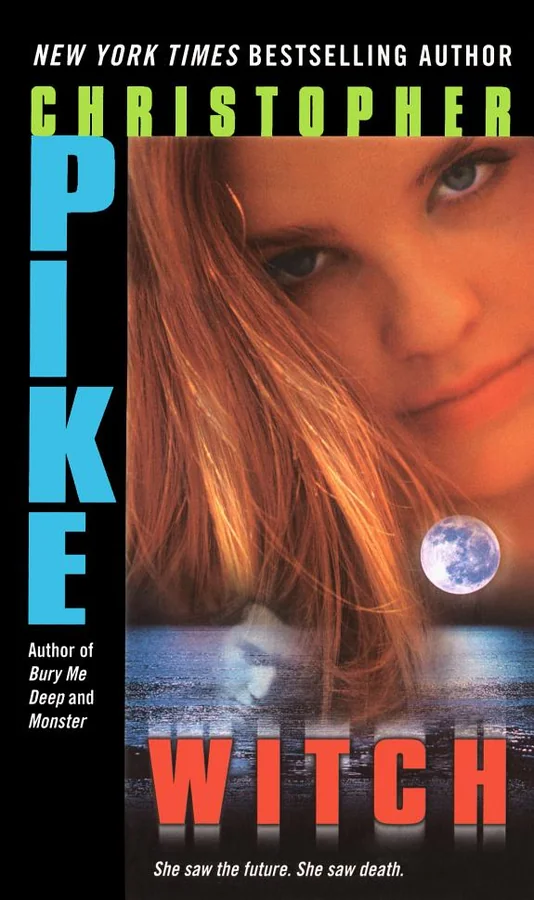
Witch
Christopher Pike’s "Witch" presents a compelling, if somewhat familiar, narrative of a modern teen discovering her ancestral connection to witchcraft. The novel excels in its pacing, quickly drawing the reader into a dual timeline that reveals the protagonist’s past lives and the enduring curse she faces. Pike masterfully builds suspense, particularly in the sequences depicting the protagonist’s struggle to understand and control her powers. A notable strength lies in his ability to imbue the supernatural elements with a sense of tangible threat.
However, the book’s reliance on romantic subplots, while typical for the genre, occasionally detracts from the more intriguing occult underpinnings. The resolution, while satisfyingly conclusive, feels somewhat rushed compared to the meticulous build-up. Pike's exploration of past lives, particularly the character of the ancient witch, offers glimpses into a richer, more complex history that the narrative could have further explored. Despite these limitations, "Witch" remains an engaging entry in the young adult supernatural genre.
📝 Description
73
### What It Is Christopher Pike's "Witch" is a young adult novel first published in 1990, exploring themes of witchcraft, reincarnation, and the supernatural through a narrative that intertwines past and present lives. The story centers on a teenage protagonist who discovers she has a history as a witch, facing supernatural threats and romantic entanglements that span centuries.
### Who It's For This novel is recommended for readers aged 13 and up who enjoy supernatural thrillers with a strong romantic element and a touch of historical fantasy. It appeals to those interested in exploring concepts of destiny, past lives, and the enduring nature of good versus evil, all presented within a fast-paced plot.
### Historical Context Published in 1990, "Witch" emerged during a period of renewed interest in paranormal and occult fiction for young adults. While not directly engaging with specific historical occult movements, it tapped into a broader cultural fascination with magic and witchcraft that had seen significant popularization through figures like Gerald Gardner and the rise of Wicca in the mid-20th century, albeit filtered through a fictional lens. Its success paralleled other contemporary works exploring supernatural themes.
### Key Concepts The narrative revolves around the idea of recurring souls and inherited magical abilities. It delves into the concept of a powerful, ancient evil that persists through time, seeking to destroy those with latent magical potential. The protagonist's journey involves understanding her lineage, confronting this darkness, and learning to control her burgeoning powers, often through encounters with spiritual guides and ancestral memories.
💡 Why Read This Book?
• Learn about the narrative device of reincarnation as a plot driver, a concept explored in numerous esoteric traditions, as seen through the protagonist’s multiple lifetimes. • Experience a fictional portrayal of a persistent, ancient evil targeting individuals with magical aptitude, offering a simplified view of spiritual warfare concepts. • Understand the trope of inherited magical abilities and ancestral curses, a common motif in occult literature, depicted through the protagonist's lineage and her struggle with nascent powers.
⭐ Reader Reviews
Honest opinions from readers who have explored this book.
❓ Frequently Asked Questions
What is the primary theme of Christopher Pike's "Witch"?
The primary theme is the protagonist's discovery of her lineage as a witch and her battle against an ancient evil that spans across her past and present lives, exploring reincarnation and inherited magical abilities.
When was "Witch" by Christopher Pike first published?
"Witch" by Christopher Pike was first published in 1990, placing it within a wave of popular young adult supernatural fiction.
Does "Witch" involve romantic elements?
Yes, the novel includes significant romantic subplots, which are characteristic of Christopher Pike's writing style for young adult audiences, intertwining love interests with the supernatural narrative.
What kind of supernatural elements are featured in "Witch"?
The book features elements of witchcraft, curses, reincarnation, past lives, and a persistent supernatural antagonist, focusing on a protagonist with developing magical powers.
Is "Witch" considered a classic of occult literature?
While popular within the young adult supernatural genre, "Witch" is not typically categorized as a classic of serious occult literature. It presents fictionalized, accessible interpretations of magical themes.
Who is the antagonist in "Witch"?
The antagonist is an ancient, malevolent entity or force that has pursued the protagonist's soul through various lifetimes, seeking to prevent her from fulfilling her destiny or wielding her power.
🔮 Key Themes & Symbolism
Reincarnation and Past Lives
The novel heavily relies on the concept of reincarnation, positing that the protagonist, and perhaps her adversary, are souls who have lived multiple lives. This allows Pike to create a deep, historical conflict that transcends a single human lifespan. Memories and influences from past incarnations bleed into the present, shaping the protagonist's understanding of her situation and her enemies. This theme explores the idea that destiny is not confined to one existence but is a continuous thread woven through successive lives, influencing present actions and future outcomes.
Inherited Magical Abilities
Central to "Witch" is the notion that magical aptitude is an inherited trait, passed down through a lineage. The protagonist discovers she possesses latent powers connected to her ancestral line. This theme touches upon the esoteric idea of bloodlines carrying spiritual or magical significance. Her journey involves not only recognizing these abilities but also learning to control them, often under duress, as they are crucial for confronting the supernatural threats she faces. The power is presented as both a gift and a burden.
Ancient Evil and Persistent Darkness
The narrative frames the central conflict as a battle against an ancient, malevolent force that has been active for centuries, possibly millennia. This antagonist represents a persistent darkness that seeks to corrupt or destroy those with magical potential, particularly the protagonist's lineage. This concept echoes mythological and esoteric narratives where primordial forces of chaos or evil continuously challenge the forces of creation or order, suggesting that the fight against such darkness is an ongoing, cyclical struggle across time.
Destiny vs. Free Will
The protagonist grapples with the idea that her life, and her struggles, are predetermined by her past lives and ancestral destiny. She must decide whether to accept this fate or forge her own path. The narrative questions the extent to which individuals are bound by their history and lineage versus their capacity to make independent choices in the present moment. This internal conflict drives much of the character development as she navigates prophecies and external pressures.
💬 Memorable Quotes
“The evil that had hunted her for centuries was still alive.”
— This line encapsulates the core conflict of the novel: a timeless battle against a persistent antagonist. It highlights the theme of reincarnation and enduring supernatural threats that transcend individual lifetimes, emphasizing the protagonist's deep-rooted struggle.
“She was a witch, and the power was in her blood.”
— This statement directly addresses the concept of inherited magical abilities. It signifies the protagonist's acceptance and realization of her innate, ancestral connection to witchcraft, a crucial turning point in her understanding of herself and her role.
“Her past lives were not just memories; they were warnings.”
— This interpretation of past life experiences suggests they serve a practical purpose beyond mere recollection. They function as cautionary tales, offering guidance and insight derived from previous mistakes or encounters with danger, crucial for survival in the present.
“The curse would follow her soul until it was broken.”
— This emphasizes the karmic or spiritual nature of the conflict, suggesting that the curse is not merely a physical or temporal affliction but something tied to the very essence of the soul across multiple existences. Breaking it requires more than a superficial solution.
“Love could be as powerful a magic as any spell.”
— This highlights the intertwining of romantic relationships with the supernatural plot. It suggests that emotional bonds and affections can possess a potent, transformative force, acting as a form of magic in its own right within the narrative's context.
🌙 Esoteric Significance
Tradition
While "Witch" is a work of fiction for young adults and not a direct grimoire or theological text, it draws loosely from Western esoteric traditions concerning reincarnation and ancestral magic. Its portrayal of past lives echoes concepts found in Theosophy and certain New Age interpretations of spiritual evolution. The idea of a persistent, inherited curse or destiny aligns with archetypal narratives of spiritual warfare and the influence of lineage found in various mystical paths, though simplified for accessibility. It presents these ideas as plot devices rather than systematic doctrine.
Symbolism
The recurring motif of a protective amulet or a specific magical artifact serves as a symbol of enduring power and ancestral connection, passed down through generations to aid the protagonist. Another key symbol is the manifestation of the antagonist, often appearing in spectral or disguised forms, representing the ever-present, insidious nature of spiritual opposition. The protagonist's own developing powers, such as telekinesis or premonition, symbolize the awakening of latent spiritual potential within the individual, often catalyzed by external threat.
Modern Relevance
Contemporary young adult fiction continues to explore themes of inherited power, ancestral curses, and reincarnation, showing the lasting influence of narratives like Pike's. Modern witchcraft and Neo-Pagan communities, while often more grounded in historical research, still engage with archetypal stories of ancient magical lineages and spiritual battles. The accessible portrayal of reincarnation and the struggle against dark forces in "Witch" may serve as an entry point for younger readers to later explore more complex esoteric philosophies on these subjects.
👥 Who Should Read This Book
• Young adult readers interested in supernatural thrillers with elements of romance and mystery will appreciate the fast-paced plot and relatable protagonist. • Aspiring practitioners or students of comparative religion curious about fictionalized explorations of reincarnation and ancestral magic may find the narrative engaging as a speculative lens. • Fans of Christopher Pike's previous works will find "Witch" a characteristic example of his style, blending suspense, adolescent concerns, and paranormal phenomena.
📜 Historical Context
Christopher Pike's "Witch," released in 1990, emerged in a vibrant period for young adult fiction, particularly within the burgeoning supernatural and fantasy genres. This era saw a growing appetite for stories featuring magic, mystery, and romance, catering to a demographic increasingly interested in exploring darker, more complex themes. While Pike's work is fictional, it taps into a broader cultural fascination with witchcraft that had been developing since the mid-20th century, influenced by figures like Gerald Gardner and the popularization of Wicca. The novel does not engage directly with specific historical occult societies but reflects a societal curiosity about magical practices and hidden spiritual lineages. It existed alongside works by authors like R.L. Stine and V.C. Andrews, who also explored the darker, more mysterious aspects of life for young protagonists. The reception was largely positive within its target audience, contributing to Pike's reputation as a master storyteller for teens, though it received little attention from academic circles focused on occult studies.
📔 Journal Prompts
The nature of the ancient evil's persistence across multiple lifetimes.
Reflect on the protagonist's first true manifestation of inherited magical abilities.
Consider the symbolic meaning of the protective artifact passed through generations.
Analyze the balance between destiny and free will in the protagonist's choices.
Explore the concept of a curse that follows a soul through reincarnation.
🗂️ Glossary
Reincarnation
The philosophical or religious concept that the non-physical essence of a living being begins a new life in a different physical form or body after biological death. The novel uses this as a central plot device.
Ancestral Magic
Magical abilities or power attributed to being passed down through a family line or lineage. In the book, the protagonist discovers her powers are inherited.
Curse
A supernatural affliction or malevolent influence believed to be placed upon a person, place, or object. The novel features an ancient curse that spans lifetimes.
Past Lives
Experiences and memories from previous incarnations of a soul. The protagonist accesses flashes of her past lives to understand her present predicament.
Latent Powers
Abilities or potential that exist but are not yet developed or active. The protagonist's witchcraft abilities are initially latent, requiring activation.
Supernatural Antagonist
A primary villain or force operating outside the laws of nature. In "Witch," this is an ancient entity with a vendetta against the protagonist's lineage.
Witchcraft
The practice of magic, often associated with a specific lineage or inherent ability in the context of the novel. It is presented as a force the protagonist must learn to control.