Wild cat
 76
76

Wild cat
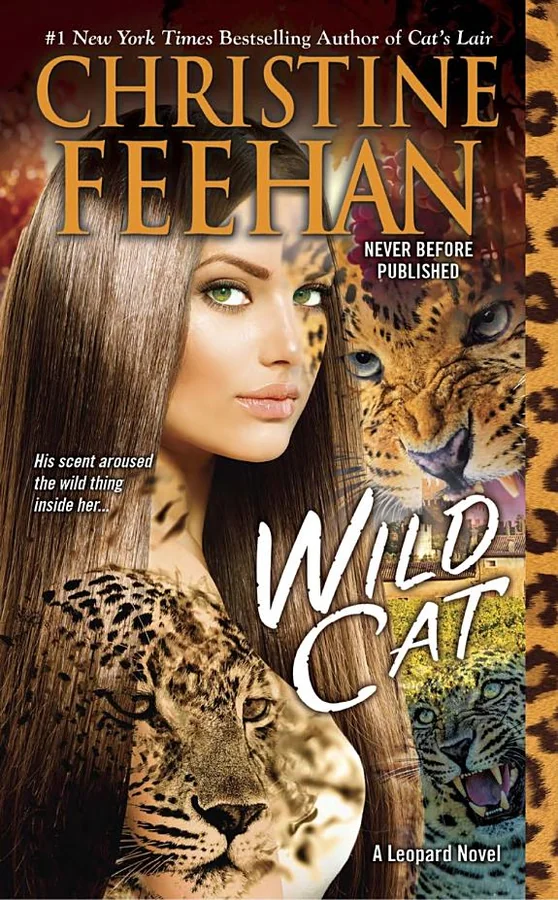
Christine Feehan's "Wild Cat" presents a compelling, if familiar, exploration of primal instincts within a paranormal romance framework. The author’s signature intensity is palpable, particularly in the portrayal of the protagonist’s untamed nature. Feehan excels at depicting the raw, almost animalistic drive that underpins the central relationship, making their connection feel visceral. A notable strength lies in the visceral descriptions of the character’s internal struggles as their wilder impulses surface, a concept Feehan has honed across her career. However, the plot occasionally leans on established tropes of the genre, which may feel predictable to seasoned readers. The pacing, while generally effective in building tension, falters slightly in the mid-section, where some exposition feels a touch heavy-handed. Despite this, the emotional core of the story remains potent. "Wild Cat" delivers a potent dose of primal passion for its dedicated readership.
📝 Description
76
### What It Is
Christine Feehan's "Wild Cat," first published in 2015, emerges within the expansive genre of paranormal romance, yet its narrative threads often touch upon deeper, more primal instincts and the wildness inherent in certain characters. The novel centers on a protagonist who embodies untamed ferocity, navigating a world where danger and desire are inextricably linked. It explores themes of control, submission, and the power dynamics that arise when instinct clashes with societal expectations.
### Who It's For
This work will appeal to readers who appreciate romance narratives with a strong undercurrent of suspense and the supernatural. Those interested in character-driven stories where the protagonists possess extraordinary or animalistic traits will find "Wild Cat" engaging. It is particularly suited for fans of Feehan's established style, characterized by intense emotional landscapes and formidable romantic leads.
### Historical Context
Published in 2015, "Wild Cat" entered a literary landscape where paranormal romance had firmly established its presence. The genre, significantly shaped by authors like Laurell K. Hamilton and Sherrilyn Kenyon in earlier years, continued to evolve. Feehan's work, while fitting within this established framework, often seeks to imbue her characters with a raw, almost feral quality that distinguishes them from more conventional supernatural beings. The early 2010s saw a sustained interest in shifter romances and stories exploring the boundaries between human and animalistic natures.
### Key Concepts
The narrative frequently engages with the concept of the "wilding" of an individual, where suppressed primal instincts begin to surface, often triggered by intense emotional or physical circumstances. This "wilding" is not merely about savagery but represents a return to a fundamental, instinctual state of being. The book also examines the idea of a "soul bond," a profound, almost fated connection between two individuals that transcends ordinary romantic attraction, suggesting an almost spiritual or biological imperative driving their union.
💡 Why Read This Book?
• Gain insight into the concept of "wilding" as Feehan presents it, understanding how primal instincts can manifest and shape character identity, a focus distinct from typical shifter narratives. • Experience the unique depiction of a "soul bond" as a driving force in the narrative, illustrating a connection that feels predestined and biologically charged, a hallmark of Feehan's romantic style. • Explore the intricate power dynamics inherent in relationships where one partner embodies untamed ferocity, offering a different lens on romantic control and surrender than found in conventional romance.
⭐ Reader Reviews
Honest opinions from readers who have explored this book.
❓ Frequently Asked Questions
What is the primary genre of Christine Feehan's "Wild Cat"?
"Wild Cat" is primarily categorized as paranormal romance, a genre that blends romantic elements with supernatural or fantastical themes, often featuring characters with non-human abilities or origins.
When was "Wild Cat" first published by Christine Feehan?
Christine Feehan's novel "Wild Cat" was first published in the year 2015.
Does "Wild Cat" feature shifter characters or animalistic traits?
Yes, the novel explores characters who exhibit strong primal instincts and "wildness," often described with animalistic qualities, which is a key element of the narrative's appeal.
What are some central themes explored in "Wild Cat"?
Central themes include the manifestation of primal instincts, the complexities of control and surrender within relationships, and the profound connection often referred to as a "soul bond."
Is "Wild Cat" part of a larger series by Christine Feehan?
While specific series information for "Wild Cat" can vary, it is often associated with Feehan's broader body of work that explores similar paranormal and romantic themes, appealing to fans of her established universes.
What kind of reader would enjoy "Wild Cat"?
Readers who enjoy intense, character-driven paranormal romances with a focus on primal urges, suspense, and strong romantic leads, particularly fans of Christine Feehan's previous works, would likely enjoy this novel.
🔮 Key Themes & Symbolism
Primal Instincts and Control
The narrative deeply examines the concept of primal instincts, particularly as they manifest in the protagonist. This "wilding" is portrayed not as mere savagery but as a fundamental aspect of being that clashes with societal norms and personal control. Feehan uses this to explore the internal conflict between one's base nature and the desire for order or connection, creating a tension that drives much of the character development and romantic conflict.
The Soul Bond
A central esoteric concept in "Wild Cat" is the "soul bond," a connection that transcends typical romantic attraction. This bond suggests a predestined, almost spiritual or biological imperative that draws individuals together. It implies a union that is fated and deeply ingrained, often manifesting with an intensity that can be both overwhelming and essential for the characters' completeness, aligning with mystical ideas of soul recognition.
Power Dynamics and Surrender
The novel delves into intricate power dynamics, especially within the context of the protagonists' relationship. The "wild" nature of one character often challenges the established order, leading to explorations of dominance and submission. This isn't presented simply as a romantic trope but as a fundamental aspect of their connection, where surrender is not weakness but an acknowledgment of a deeper, instinctual truth and the acceptance of a powerful, fated bond.
Feral Nature and Humanity
Feehan explores the fine line between feral nature and humanity. Characters possessing "wild cat" like qualities are not depicted as purely monstrous, but as beings whose core identity is tied to untamed instincts. The story questions whether this wildness is a curse or a vital part of their authentic self, and how it can coexist, or violently interact, with their capacity for love and human connection.
💬 Memorable Quotes
“The wildness was a part of her, not something to be caged.”
— This statement encapsulates the core struggle of the protagonist, suggesting that her untamed nature is an intrinsic aspect of her identity, rather than a flaw to be suppressed or controlled.
“Their souls recognized each other before their eyes ever met.”
— This paraphrase highlights the concept of the "soul bond," implying a connection that is spiritual and fated, operating on a plane beyond ordinary human perception or choice.
“He understood the language of instinct, the raw truth beneath the veneer.”
— This suggests a character who is attuned to primal drives and authentic emotions, able to perceive the unadulterated essence of others, particularly in situations where instinct overrides social pretense.
“To tame her would be to break her; to accept her was to be consumed.”
— This quote illustrates the intense and potentially dangerous nature of the protagonist's wildness, framing the romantic conflict around the choice between suppression and complete, transformative acceptance.
“She fought the urge to feralize, to give in to the beast within.”
— This conveys the internal battle against primal instincts, where the character actively resists succumbing to her more savage or animalistic impulses, highlighting the constant tension in her nature.
🌙 Esoteric Significance
Tradition
While not explicitly tied to a single esoteric lineage, "Wild Cat" draws upon archetypal themes found in various traditions concerning the duality of human nature. The concept of the "wilding" character echoes Gnostic ideas of the inherent divine spark within a flawed material world, or Hermetic principles of understanding the shadow self. The intense "soul bond" resonates with Neoplatonic concepts of divine love and soul recognition, suggesting a connection that operates on a level beyond the mundane.
Symbolism
The 'wild cat' itself serves as a potent symbol of untamed instinct, predatory grace, and fierce independence. Its presence signifies a connection to the natural, primal world, often representing a character's core essence that defies societal domestication. The concept of a "soul bond" functions symbolically as a fated, almost spiritual union, representing a perfect alignment of essences, a mystical recognition that transcends physical attraction and speaks to deeper spiritual interconnectedness.
Modern Relevance
Contemporary spiritual and self-help circles often explore themes of embracing one's "inner wildness" or "authentic self," concepts that "Wild Cat" embodies through its characters. Thinkers and practitioners focusing on primal psychology, instinctual living, or the integration of shadow aspects of the personality might find resonance with Feehan's portrayal of characters wrestling with and ultimately integrating their more feral natures.
👥 Who Should Read This Book
• Fans of Christine Feehan's extensive backlist, particularly those who appreciate her signature intense romantic pairings and supernatural elements. • Readers interested in paranormal romance narratives that foreground primal instincts and the concept of a fated "soul bond" over more conventional supernatural creatures. • Individuals drawn to character-driven stories exploring themes of control, surrender, and the integration of one's more untamed, instinctual nature.
📜 Historical Context
Christine Feehan's "Wild Cat," released in 2015, arrived during a period of sustained popularity for paranormal romance. The genre, which had seen significant growth through the 2000s with authors like J.R. Ward and Sherrilyn Kenyon defining many of its tropes, continued to attract a dedicated readership. Feehan herself was a well-established figure in this space, known for her intense characterizations and often primal portrayals of supernatural beings and their relationships. The early to mid-2010s saw a continued fascination with shifter romances and narratives exploring the boundaries between human and animalistic natures. While not a direct engagement, Feehan's work in this period can be seen as contributing to a broader literary conversation about instinct, control, and the inherent wildness within individuals, echoing themes explored in earlier works that sometimes pushed against more sanitized portrayals of the supernatural.
📔 Journal Prompts
The protagonist's "wild cat" nature: explore its embodiment as instinct.
Reflect on the perceived "soul bond" between the central characters.
Consider the balance between control and surrender in intense relationships.
Analyze the narrative's depiction of primal urges versus societal expectations.
Journal about a time you felt your own primal instincts surface.
🗂️ Glossary
Wilding
The process by which a character's inherent, primal instincts become dominant, often triggered by intense emotional or situational pressure, leading to a more untamed and instinct-driven state of being.
Soul Bond
A profound, often fated connection between two individuals, suggesting a spiritual or biological imperative that draws them together, transcending ordinary romantic attraction.
Primal Instincts
The fundamental, instinctual drives and behaviors inherent in living beings, often associated with survival, reproduction, and raw emotional responses, as opposed to learned or societal behaviors.
Feralize
To become like a wild animal; to revert to a primitive, untamed state, often used to describe the intense, instinctual transformation of a character.
Veneer
An outward appearance or facade that conceals a less pleasant or more basic reality; in the context of the book, it refers to social conditioning or pretense that hides deeper, instinctual truths.
Untamed Nature
Refers to the inherent, wild, and uncontrolled aspects of a character's personality, often linked to animalistic qualities or primal instincts that resist societal norms.
Power Dynamics
The interplay of influence, control, and submission between individuals within a relationship or social context, particularly relevant in the intense relationships depicted.