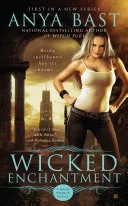
Wicked Enchantment
 73
73

Wicked Enchantment
Anya Bast’s Wicked Enchantment plunges headfirst into the volatile intersection of fae politics and infernal temptation. The premise, pitting a fae guide against a half-incubus, immediately sparks interest. Aislinn’s internal struggle against her charge’s potent, dark allure is the narrative's strong suit, painting a vivid picture of burgeoning, dangerous attraction. However, the pacing occasionally falters, particularly in the middle sections, where the plot seems to tread water before accelerating towards its conclusion. The exploration of the incubus's nature, while intriguing, could have benefited from deeper mythological grounding, moving beyond the typical archetypes. Despite this, the novel succeeds in establishing a compelling dynamic between its leads, making their precarious relationship the undeniable anchor of the story. It’s a promising, if imperfect, start to a series.
📝 Description
73
### What It Is
Wicked Enchantment, published in 2010, introduces the reader to Aislinn Finvarra, a fae tasked by her Summer Queen with a perilous assignment. She is to act as a guide for a half-incubus, a being notorious for wielding dark magic and potent sexual allure. This initial encounter sets a dangerous precedent for Aislinn's journey.
### Who It's For
This book appeals to readers who enjoy paranormal romance with a strong emphasis on mythology and fae lore. Those interested in the dynamics between opposing supernatural forces—light and shadow, order and chaos—will find the core conflict engaging. It's suited for those who appreciate character-driven narratives where protagonists face significant moral and personal challenges.
### Historical Context
Released in 2010, Wicked Enchantment emerged during a period of prolific output in urban fantasy and paranormal romance. Authors like Laurell K. Hamilton and Patricia Briggs had already established significant followings for their series exploring complex supernatural societies and romantic entanglements. Anya Bast's work contributes to this ongoing dialogue within the genre, exploring fae courts and their interactions with darker entities.
### Key Concepts
The narrative hinges on the concept of the fae courts, specifically the Summer Queen's authority, and the ancient pacts or hierarchies that govern their interactions. The presence of incubi introduces themes of temptation, forbidden power, and the duality of nature—both demonic and potentially redeemable. Aislinn's role as a reluctant guide forces an examination of duty versus personal safety and attraction.
💡 Why Read This Book?
• Gain insight into the intricate political structure of fae courts, as seen through Aislinn's compulsory service to the Summer Queen. • Experience the dynamic tension of forbidden attraction, particularly the psychological conflict Aislinn faces when dealing with the half-incubus's inherent dark magic. • Explore the concept of ancient pacts and their enforcement within supernatural hierarchies, understanding how they dictate the actions of beings like Aislinn.
⭐ Reader Reviews
Honest opinions from readers who have explored this book.
❓ Frequently Asked Questions
What is the main conflict in Wicked Enchantment?
The primary conflict involves Aislinn Finvarra, a fae, being forced to guide a half-incubus known for his dark magic and sexual power, while also protecting her own life and heart from his influence.
Who is the author of Wicked Enchantment?
Wicked Enchantment was written by Anya Bast, a national bestselling author.
When was Wicked Enchantment first published?
Wicked Enchantment was first published on January 5, 2010.
What supernatural beings are featured in Wicked Enchantment?
The book prominently features fae, including the Summer Queen, and a half-incubus.
Is Wicked Enchantment part of a series?
Yes, Wicked Enchantment is the first book in a new series by Anya Bast.
What is the genre of Wicked Enchantment?
Wicked Enchantment falls into the paranormal romance and urban fantasy genres, with a strong focus on fae mythology.
🔮 Key Themes & Symbolism
Fae Hierarchy and Duty
The narrative emphasizes the rigid structure within the fae realms, particularly the authority wielded by the Summer Queen. Aislinn's reluctant obedience highlights the concept of duty bound by ancient laws or decrees, even when it places her in extreme danger. This theme explores the sacrifices required by those in service to higher powers within the fae courts, where personal desires are often subjugated to the needs of the collective or the will of the sovereign.
The Allure of Darkness
Central to the plot is the half-incubus's inherent nature—a potent blend of dark magic and sexual charisma. This theme examines the seductive power of forbidden elements and the struggle to resist their pull. The book questions whether such dark entities are inherently evil or simply a force of nature, and how proximity to them can corrupt or test the moral fortitude of even the most steadfast individuals.
Forbidden Attraction
Wicked Enchantment delves into the volatile dynamic between Aislinn and her incubus charge. Their forced proximity breeds an undeniable, yet dangerous, attraction. This theme explores the boundaries of relationships between opposing supernatural factions, the inherent risks involved, and the potential for genuine connection to blossom in the most unlikely and perilous circumstances. It questions the nature of love and desire when faced with ancient animosities.
Protection and Survival
Aislinn's primary objective is not only to fulfill her duty but also to ensure her own survival against a being capable of immense destruction. This theme underscores the constant vigilance required when navigating treacherous supernatural landscapes. The narrative portrays the delicate balance between trust and suspicion, and the strategic thinking necessary to outmaneuver threats that operate on both physical and psychological levels.
💬 Memorable Quotes
“Aislinn is ordered by the Summer Queen to guide a half-incubus.”
— This directive establishes the core conflict, forcing a fae into close proximity with a being of immense, dangerous power, thereby setting the stage for inevitable peril and attraction.
“The half-incubus is known for dark magick and sexual power.”
— This description immediately signals the dual threat he poses: magical prowess capable of destruction and an alluring nature that tests Aislinn's resolve and self-preservation.
“Aislinn must protect not only her heart, but her very life.”
— This highlights the stakes of Aislinn's assignment, emphasizing that the danger extends beyond physical harm to encompass emotional vulnerability and the potential corruption of her spirit.
“The Summer Queen's command initiates the central plot.”
— The authority of the Summer Queen underscores the hierarchical nature of the fae world and the unavoidable consequences of defying such powerful entities, driving Aislinn's actions.
“The inherent nature of the incubus presents a moral quandary.”
— This points to the thematic exploration of good versus evil, and whether beings born of darker origins can transcend their inherent tendencies, posing a challenge to Aislinn's perceptions.
🌙 Esoteric Significance
Tradition
While Wicked Enchantment is primarily a work of paranormal romance, its depiction of fae and incubi draws loosely from European folklore and occult traditions. The concept of the fae, particularly from Celtic traditions, often involves powerful, amoral beings tied to nature and ancient pacts. The incubus, a figure from demonology, represents a specific manifestation of demonic influence often associated with temptation and lust. The book synthesizes these folkloric elements into a narrative that, while fictionalized, touches upon archetypal forces of nature, desire, and the shadow self prevalent in various esoteric discussions.
Symbolism
The Summer Queen symbolizes established authority, natural cycles (summer), and potentially benevolent but unyielding power within the fae hierarchy. The incubus himself is a potent symbol of primal desire, forbidden knowledge, and the shadow aspect of the psyche that tempts individuals away from conventional morality. Aislinn's role as a 'guide' can symbolize the journey of navigating the treacherous path between light and darkness, order and chaos, or the conscious mind confronting the subconscious.
Modern Relevance
Contemporary practitioners of modern witchcraft and neo-paganism often engage with fae lore and the symbolism of entities like incubi and succubi, albeit sometimes through a more psychological lens than traditional demonology. Books like Wicked Enchantment contribute to the popular imagination surrounding these beings, influencing how they are perceived and integrated into modern spiritual or fictional narratives. The themes of forbidden attraction and the duality of nature explored in the book resonate with current discussions on shadow work and the integration of darker aspects of the self within personal development contexts.
👥 Who Should Read This Book
• Readers fascinated by fae mythology and the intricate politics of magical courts, seeking to understand the strictures imposed by figures like the Summer Queen. • Enthusiasts of paranormal romance who appreciate narratives exploring forbidden attraction between vastly different supernatural beings, particularly those drawn to darker, more dangerous romantic entanglements. • Fans of urban fantasy who enjoy stories featuring archetypal supernatural creatures like incubi and exploring themes of temptation, dark magic, and the struggle for self-preservation against potent forces.
📜 Historical Context
Published in 2010, Anya Bast's Wicked Enchantment arrived during a boom period for paranormal romance and urban fantasy. This era saw authors like Charlaine Harris (The Southern Vampire Mysteries) and Kelley Armstrong (Women of the Otherworld) achieving widespread success with intricate supernatural worlds and complex character relationships. Bast's work tapped into this fervent reader interest, offering a narrative focused on fae lore and the dangerous allure of demonic entities. The genre at this time was characterized by its exploration of hidden magical societies within contemporary settings and often featured cross-species romance. While not directly engaging with academic occultism, the genre drew upon popular interpretations of folklore and mythology, making works like Wicked Enchantment accessible to a broad audience seeking fantastical escapism. The reception was generally positive within the genre's readership, contributing to the ongoing popularity of fae and demon-centric narratives.
📔 Journal Prompts
Aislinn's forced proximity to the half-incubus.
The Summer Queen's decrees and their impact.
The nature of the incubus's dark magick.
Protecting one's heart versus protecting one's life.
The balance of power between fae and infernal beings.
🗂️ Glossary
Fae
Enchanting, often powerful supernatural beings originating from folklore, particularly Celtic traditions. They inhabit realms distinct from the human world and are governed by their own complex social structures and laws.
Incubus
A type of demon in folklore that assumes a male form, said to lie upon sleepers, especially women, in order to have sexual intercourse with them. Often associated with temptation and dark magic.
Summer Queen
A sovereign ruler within the fae hierarchy, representing the power and authority associated with the season of summer, implying vibrancy, growth, and potentially a specific set of laws or dominion.
Dark Magick
A broad term referring to magical practices believed to draw upon malevolent or forbidden forces, often associated with negative intent, corruption, or dangerous pacts.
Half-Incubus
An individual possessing a mixed heritage, with one parent being an incubus and the other presumably human or of another supernatural lineage. This duality often imbues them with potent, conflicting natures.
Fae Courts
The organized social and political structures within the fae realms, often divided into distinct groups like Summer and Winter, each with its own ruler, laws, and customs.
Sexual Power
In the context of the incubus, this refers to an innate, potent allure or ability to influence others through carnal desire, often intertwined with magical manipulation.