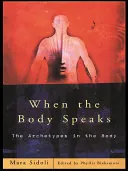
When the body speaks
 79
79

When the body speaks
Mara Sidoli's "When the Body Speaks" attempts to decode the often-unacknowledged dialogue between our physical selves and our inner lives. The core strength lies in its ambitious synthesis of esoteric thought with psychosomatic principles, offering a framework for understanding illness as a form of communication. Sidoli's interpretation of the liver's symbolic connection to 'bitterness' and 'resentment' is particularly illustrative of her approach. However, the work occasionally suffers from a lack of rigorous empirical grounding, leaning heavily on metaphor and assertion without always providing clear pathways for verification or practical application beyond the symbolic. While the intention is to empower the reader, some passages could benefit from more concrete, actionable guidance. Still, for those open to a metaphorical understanding of the body, it offers a unique perspective on dis-ease.
📝 Description
79
### What It Is Mara Sidoli's "When the Body Speaks" is a deep exploration into the psychosomatic nature of human experience, positing that physical ailments and sensations are not random occurrences but rather encoded messages from the unconscious mind. The work challenges purely biological or psychological explanations for illness, suggesting a profound interconnectedness between our physical form and our inner emotional and spiritual landscapes. Sidoli argues that by learning to 'listen' to the body's signals, individuals can unlock pathways to healing and self-understanding.
### Who It's For This book is intended for individuals seeking a more holistic approach to health and personal development. It will appeal to those interested in alternative healing modalities, somatic psychology, and the spiritual dimensions of well-being. Readers who feel their physical symptoms are not adequately addressed by conventional medicine, or those with an existing interest in esoteric philosophies and the mind-body connection, will find significant value. It is also for practitioners in fields like therapy, bodywork, and energy healing.
### Historical Context First published in 2000, "When the Body Speaks" emerged during a period of growing public and academic interest in mind-body medicine and psychosomatic disorders. While the concept of the body 'speaking' had roots in ancient traditions and was explored by thinkers like Wilhelm Reich and later by psychosomatic pioneers such as Franz Alexander in the mid-20th century, Sidoli’s work arrived as the New Age movement was solidifying its influence. It built upon existing frameworks while offering a distinctly esoteric perspective, differentiating it from purely clinical or psychological analyses prevalent at the time. Its publication coincided with a broader societal shift towards holistic wellness and a questioning of reductionist medical models.
### Key Concepts The central tenet of "When the Body Speaks" is that the body functions as a symbolic language, with symptoms acting as metaphors for unresolved psychological or spiritual conflicts. Sidoli introduces the idea of 'somatic intelligence,' suggesting that our physical structure and its dysfunctions contain inherent wisdom. The book likely details specific 'body maps' or correspondences, linking particular organs or conditions to emotional states or life experiences. It emphasizes the importance of symbolic interpretation and mindful attention to physical sensations as a means of accessing deeper truths about oneself.
💡 Why Read This Book?
• Gain a unique interpretive lens for physical symptoms, learning how specific ailments might metaphorically represent emotional blockages, as explored through Sidoli's concept of 'somatic intelligence'. • Understand the body not just as a biological machine but as a symbolic vessel, a perspective central to the esoteric tradition of body-mind unity that Sidoli champions. • Discover practical approaches to mindful self-inquiry, learning to 'listen' to your body's signals, a core practice highlighted in relation to the year 2000 publication context.
⭐ Reader Reviews
Honest opinions from readers who have explored this book.
❓ Frequently Asked Questions
What is the central premise of Mara Sidoli's 'When the Body Speaks'?
The book posits that physical symptoms are not random but are symbolic messages from the unconscious mind, offering insights into emotional and spiritual well-being. It advocates for understanding illness as a form of communication.
When was 'When the Body Speaks' first published?
The book was first published in the year 2000, a period marked by increasing interest in holistic health and mind-body connections.
Who is Mara Sidoli and what is her background?
Mara Sidoli is an author whose work focuses on the esoteric and psychosomatic dimensions of human experience. While specific biographical details are often scarce for authors in this genre, her writings suggest a deep engagement with spiritual and psychological thought.
What kind of approach does the book take towards healing?
It encourages a holistic approach, emphasizing the interpretation of physical symptoms as symbolic messages to unlock deeper self-understanding and facilitate healing, rather than solely relying on conventional medical treatments.
Does the book offer specific techniques for interpreting body signals?
Yes, the work explores the concept of 'somatic intelligence' and likely provides frameworks or examples for understanding how specific physical sensations or ailments can be metaphorically linked to emotional states or life experiences.
Is this book suitable for beginners in esoteric studies?
The book is accessible to those interested in esoteric concepts and the mind-body connection, even if they are new to the field, due to its focus on the universal language of the body.
🔮 Key Themes & Symbolism
Body as Symbolic Language
The central theme is that the physical body communicates through symptoms, which are understood as symbolic expressions of inner states. This perspective moves beyond a purely material understanding of health, suggesting that ailments carry messages about unresolved emotional, psychological, or spiritual issues. Sidoli's work invites readers to decode these messages, treating the body as a text to be interpreted, thereby fostering a more profound self-awareness and connection to one's inner landscape.
Somatic Intelligence
This concept posits that our physical being possesses an inherent wisdom, a form of 'intelligence' that manifests through sensations, pains, and diseases. Rather than viewing these as mere malfunctions, Sidoli frames them as signals from a deeper, often unconscious, part of ourselves. Recognizing and engaging with this somatic intelligence is presented as a pathway to uncovering root causes of distress and initiating healing from a foundational level.
Holistic Healing and Self-Discovery
The book advocates for a comprehensive approach to well-being that integrates the physical, emotional, and spiritual dimensions. By paying close attention to the body's 'language,' individuals can embark on a journey of self-discovery, uncovering patterns and insights that may be inaccessible through purely intellectual or external means. This holistic view challenges conventional paradigms by emphasizing the body's active role in the healing process and personal transformation.
Esoteric Correspondences
Drawing from esoteric traditions, 'When the Body Speaks' likely explores specific correspondences between body parts, organs, emotions, and life events. This system of symbolic association allows for a more nuanced interpretation of symptoms, linking physical manifestations to archetypal patterns or specific energetic blockages within the individual's psycho-spiritual makeup.
💬 Memorable Quotes
“The body does not lie; it expresses what the mind and soul suppress.”
— This paraphrased concept highlights Sidoli's core belief that physical symptoms are direct manifestations of internal states, acting as an unfiltered expression of suppressed emotions or unacknowledged truths.
“Each ache, each pain, is a word in a sentence waiting to be read.”
— This interpretation emphasizes the book's central metaphor: the body as a language. It suggests that physical discomforts are not random but carry specific meaning, urging the reader to approach their physical sensations with curiosity and a desire for understanding.
“To heal the body, one must first understand its story.”
— This quote underscores the psychosomatic perspective, implying that effective healing requires addressing the underlying psychological or spiritual narrative that has manifested as physical illness.
“Somatic intelligence reveals the unconscious patterns dictating our physical reality.”
— This paraphrased concept points to the idea that our physical condition is deeply intertwined with unconscious beliefs and patterns, and that by tapping into our body's inherent wisdom, we can gain insight into these hidden influences.
“Listen to the whispers of your body before they become shouts of disease.”
— This evocative statement serves as a call to preventative self-awareness, encouraging readers to heed subtle bodily signals before they escalate into more serious or debilitating conditions.
🌙 Esoteric Significance
Tradition
This work aligns with the esoteric Hermetic and Gnostic traditions that emphasize the interconnectedness of the macrocosm and microcosm, and the idea that the physical body is a reflection of inner spiritual states. It departs from purely materialist views by positing that physical symptoms are not merely biological malfunctions but carry symbolic and spiritual meaning, directly challenging dualistic thinking that separates mind and body.
Symbolism
Key symbols likely include the body itself as a sacred text, with specific organs or ailments acting as glyphs representing emotional burdens or spiritual lessons. For instance, the heart might symbolize love and connection, while its ailments could represent emotional blockage or societal pressures. The concept of 'whispers' versus 'shouts' symbolizes the progression from subtle energetic imbalances to manifest disease, urging attention to early energetic signs.
Modern Relevance
Contemporary somatic therapists, energy healers, and mindfulness practitioners draw inspiration from Sidoli's conceptualization of the body as a communicative entity. Thinkers exploring the intersection of consciousness studies and physical well-being, as well as those within the broader spiritual-wellness movement, find her work relevant for its emphasis on subjective experience and symbolic interpretation as pathways to health.
👥 Who Should Read This Book
• Individuals interested in somatic psychology and alternative healing modalities seeking to understand the deeper meaning behind their physical discomforts. • Practitioners of esoteric arts and spiritual development looking to integrate a psychosomatic understanding of self into their practices. • Anyone feeling disconnected from their physical body or seeking a more holistic framework for personal well-being and self-discovery.
📜 Historical Context
Published in 2000, Mara Sidoli's "When the Body Speaks" emerged within a burgeoning landscape of mind-body medicine and holistic health, a trend that gained significant momentum throughout the late 20th century. This era saw a growing critique of purely reductionist medical models, with thinkers like Candace Pert exploring the psychoneuroimmunology of emotions and illness. Sidoli's work built upon earlier psychosomatic theories, echoing figures like Franz Alexander who explored the psychological roots of physical disease in the mid-20th century. While distinct from the purely scientific inquiries of psychosomatic medicine, Sidoli's approach offered an esoteric interpretation, weaving together concepts of symbolic language and spiritual interconnectedness. This contrasted with the more secular, scientifically-oriented explorations of the mind-body connection that were also gaining traction. The book's reception likely appealed to a readership already engaged with New Age philosophies and alternative healing practices, positioning it within a broader spiritual-wellness movement.
📔 Journal Prompts
Reflect on a recurring physical sensation and its potential symbolic meaning.
Consider the concept of 'somatic intelligence' in relation to your own body's signals.
Explore the 'story' your body might be trying to tell you about suppressed emotions.
How does the idea of the body as a 'sacred text' alter your perception of illness?
Identify one 'whisper' from your body you have recently overlooked.
🗂️ Glossary
Somatic Intelligence
The inherent wisdom and communicative capacity of the physical body, suggesting that sensations, symptoms, and ailments hold meaningful information about one's emotional and spiritual state.
Psychosomatic
Pertaining to the interaction between the mind (psyche) and the body (soma), where mental or emotional states can influence physical health and vice versa.
Esoteric
Relating to or being the affairs of the spirit; intended for or understood by only a small number of people with a specialized knowledge or interest.
Symbolic Language of the Body
The principle that physical symptoms are not random but are metaphorical expressions of underlying psychological, emotional, or spiritual issues.
Holistic Healing
An approach to health and wellness that considers the whole person—physical, mental, emotional, and spiritual—rather than focusing solely on disease or specific symptoms.
Spiritual Well-being
A state of inner peace, connection, and purpose, often achieved through practices that explore one's relationship with oneself, others, nature, or a higher power.
Mind-Body Connection
The complex interplay between the brain and the body, where thoughts, feelings, and beliefs can affect physical health and bodily sensations can influence mental states.