The Diloggún
 72
72

The Diloggún
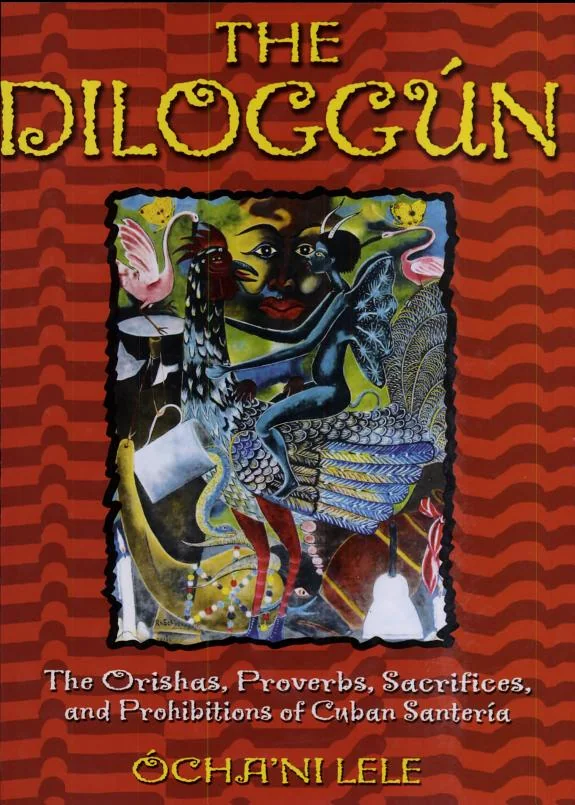
Ócha'ni Lele's "The Diloggún" arrives not with fanfare, but with the quiet authority of a meticulously compiled reference. Its strength lies in its unvarnished presentation of the Orisha divination system, eschewing embellishment for clarity. For instance, the detailed breakdown of the sixteen primary Odú, each with its associated verses and interpretations, forms the book's solid core. The limitation, however, is that this very focus can make the text feel dense to the uninitiated; it assumes a certain familiarity with the spiritual landscape it describes. A particularly striking passage is the explanation of how subtle shifts in the diloggún casting can drastically alter the interpretation, highlighting the system's nuanced character. It’s a functional, essential guide for those already on the path, rather than an introductory primer.
📝 Description
72
Ócha'ni Lele's 2003 book details the sixteen primary shells of the Diloggún divination system.
This book explains the Diloggún, a divination method central to the Orisha religion. It focuses on the use of sixteen specific shells, known as diloggún, and the verses associated with their readings. The author meticulously breaks down this complex system, offering interpretations for each shell and its combinations.
The Diloggún's roots are in West African Yoruba culture, carried to the Americas through the slave trade. This book documents a tradition previously passed down orally, making it accessible to a wider audience. It is a significant resource for understanding how the Orisha religion developed and how its divination practices were preserved.
The core of the text covers the sixteen principal Odú, which are patterns formed by casting the shells. Each Odú is presented as a cosmic principle with associated narratives and life guidance. The book teaches readers how to interpret these patterns and their linked verses, known as esoris, to gain insight.
The Diloggún is a divination practice tied to the Orisha religion, a spiritual system that blends Yoruba beliefs with elements encountered in the Caribbean and Americas. This tradition, often known as Santería or Lucumí, uses divination to communicate with the Orisha, deities representing forces of nature and human experience. The Diloggún, specifically, is a form of divination that employs cowrie shells to cast patterns, each corresponding to specific oracular messages and guidance. This book makes an explicit effort to document and explain these practices, moving them from purely oral transmission to a written format.
💡 Why Read This Book?
• Learn the fundamental principles of Ifá divination, understanding the mechanics of casting and interpreting the sixteen primary Odú, as detailed in the text's core sections. • Gain insight into the complex symbolic language of the Orisha religion, specifically how the diloggún shells function as a direct communication channel. • Appreciate the historical and cultural significance of preserving oral traditions, recognizing how the 2003 publication by Ócha'ni Lele aids in the transmission of this West African diasporic spiritual system.
⭐ Reader Reviews
Honest opinions from readers who have explored this book.
❓ Frequently Asked Questions
What is the origin of the Diloggún system presented in the book?
The Diloggún system originates from the Yoruba people of West Africa, specifically from Nigeria and Benin. It was later preserved and adapted within the diasporic traditions of the Americas, notably in Santería (Lucumí).
Who is Ócha'ni Lele, the author of The Diloggún?
Ócha'ni Lele is the author who compiled and presented the foundational knowledge of the Diloggún system in this work, first published in 2003. The name itself suggests a connection to the Orisha traditions.
How many primary shells are used in the Diloggún divination system described?
The book details a system primarily using sixteen primary shells, known as diloggún. The patterns formed by these shells are interpreted to provide spiritual guidance.
Is The Diloggún suitable for beginners in Ifá or Santería?
While comprehensive, the book is best suited for those with some foundational knowledge of the Orisha pantheon and spiritual concepts. It serves as an essential reference for practitioners and initiates.
What does 'Odú' refer to in the context of The Diloggún?
Odú refers to the sixteen principal patterns or hexagram-like figures created by the casting of the diloggún shells. Each Odú represents a distinct cosmic principle and associated verses.
When was The Diloggún first published?
The Diloggún was first published in 2003, making it a relatively recent compilation of an ancient divination system.
🔮 Key Themes & Symbolism
The Odú System
The core of the book revolves around the sixteen principal Odú, which are the foundational figures in Diloggún divination. Each Odú is presented as a complex matrix of meaning, encompassing specific verses (esoris), archetypal narratives, and ethical guidelines. The work meticulously outlines how the arrangement of the shells determines which Odú is being consulted, thereby unlocking a specific set of divinatory pronouncements and spiritual insights relevant to the querent's situation. Understanding the Odú is paramount for reading through the Orisha's wisdom.
Interpreting the Shells
Beyond simply identifying the Odú, The Diloggún provides critical instruction on the art of interpretation. This involves understanding not only the primary Odú that appears but also the secondary influences and the subtle relationships between different shell placements. The book emphasizes that divination is a dialogue, requiring sensitivity to the nuances of the casting and the context of the question. This interpretive layer is what transforms a mechanical process into a spiritual consultation.
Oral Tradition to Text
The publication of The Diloggún in 2003 marks a significant point in the formalization of a tradition historically transmitted orally. The work attempts to capture the essence of teachings passed down through generations, preserving the specific verses, proverbs, and rituals associated with Diloggún divination. This transition to written form is crucial for wider dissemination and study, while also acknowledging the inherent challenges in fully representing a living, dynamic spiritual practice in text.
The Orisha Pantheon
While primarily a guide to divination, the book is intrinsically linked to the Orisha religion. The Diloggún is a tool used to consult with and receive guidance from the Orisha, the divine manifestations of Olodumare (the Supreme Being) in Yoruba cosmology. Each Odú and its associated verses often reference specific Orisha, their characteristics, myths, and the lessons they impart, grounding the divination system within its broader theological framework.
💬 Memorable Quotes
Direct passages from the work, attributed to the author.
“The pattern of the diloggún reveals the path.”
— This highlights the fundamental principle of Diloggún divination: that the physical arrangement of the sixteen shells is not random but a direct symbolic message from the spiritual realm, indicating the correct course of action or understanding.
“Each Odú carries its own story and its own wisdom.”
— This emphasizes the narrative and didactic nature of the Odú. They are not mere abstract symbols but contain specific tales and moral teachings that offer guidance applicable to life's challenges.
“Listen closely to the whispers of the shells.”
— This phrase underscores the importance of careful attention and intuitive perception in divination. The messages from the Orisha require focused listening and an open heart to be fully understood.
“The Diloggún is a dialogue, not a decree.”
— This interpretation suggests that divination through the diloggún is an interactive process between the diviner/querent and the spiritual forces. It is a conversation meant to clarify and guide, rather than a rigid pronouncement.
💡 Key Ideas
Editorial paraphrase of the work's core concepts — not direct quotes.
The path forward is illuminated by the Odú consulted.
This paraphrased concept points to the practical function of the Diloggún system: to provide clarity and direction for future actions or to understand present circumstances by consulting the specific Odú that arises.
🌙 Esoteric Significance
Tradition
The Diloggún is intrinsically tied to the Ifá and Orisha tradition, a complex spiritual system originating with the Yoruba people of West Africa. It is a form of divination that operates within the broader framework of Ifá, which is considered the word of the Orisha themselves. This work fits within the lineage of West African shamanistic and divinatory practices, adapted and preserved in the African diaspora. It departs from more common Western esoteric traditions like Hermeticism or Kabbalah by centering its cosmology and methodology on a distinct set of deities and ancestral spirits.
Symbolism
Central to the symbolism are the sixteen primary Odú, which function as cosmic archetypes and narrative matrices. Each Odú is represented by a specific pattern formed by the casting of the diloggún (cowrie shells or similar objects). These patterns are not merely random; they are seen as divine signatures, each carrying specific proverbs, myths, and guidance related to various aspects of life, from health and relationships to destiny and spiritual development. The shells themselves symbolize communication and destiny, acting as intermediaries between the human and the divine realms.
Modern Relevance
Contemporary practitioners of Santería and Ifá rely on texts like "The Diloggún" for consistent reference and learning, especially as the religion spreads globally. Scholars of African diasporic religions and comparative mythology also utilize it to understand the mechanics of Yoruba divination. Furthermore, spiritual seekers interested in divination systems beyond Western astrology or tarot find value in its structured, narrative-driven approach, seeing it as a profound method for self-inquiry and spiritual guidance in the 21st century.
👥 Who Should Read This Book
• Initiates and practitioners of Ifá and Santería seeking a detailed reference for understanding and performing Diloggún divination. • Students of comparative religion and African diasporic studies interested in the mechanics of Yoruba divination systems and their preservation. • Individuals drawn to divination practices looking for a structured, text-based approach to understanding oracular communication rooted in a rich cultural tradition.
📜 Historical Context
The publication of "The Diloggún" in 2003 arrived at a time when interest in African diasporic religions, particularly Santería (Lucumí) and Ifá, was growing significantly in academic and spiritual circles. For centuries, the intricate divination systems of the Yoruba, including Diloggún, were primarily transmitted through oral tradition, often under duress due to colonial suppression and religious persecution. This oral transmission meant that knowledge was localized and dependent on direct mentorship. The work by Ócha'ni Lele represents a key effort in codifying these practices, making them accessible beyond the immediate confines of initiation lineages. It emerged alongside other efforts to document and share these traditions, countering the scarcity of reliable written resources. While contemporaneous scholars like Maya Deren had explored Yoruba religion and its manifestations in Haiti in the mid-20th century, "The Diloggún" offered a more focused and systematic presentation of the shell divination method itself.
📔 Journal Prompts
The Odú's narrative and its connection to your current situation.
Reflections on the symbolism of the sixteen primary shells.
How the concept of dialogue in divination applies to your life.
The role of oral tradition in spiritual learning.
Interpreting a specific esori (verse) within its Odú context.
🗂️ Glossary
Diloggún
The divination system utilizing sixteen primary cowrie shells (or other designated objects), central to the Orisha religion. It involves casting the shells to form specific patterns (Odú) which are then interpreted.
Odú
The primary sixteen hexagram-like figures or patterns formed by the casting of the diloggún shells. Each Odú represents a distinct cosmic principle, set of verses, and divinatory messages.
Orisha
Deities or divine manifestations in the Yoruba religion and its diasporic traditions (like Santería). They represent natural forces and human archetypes, serving as intermediaries between humans and the Supreme Being.
Ifá
A complex divination system originating with the Yoruba people, considered the word of the Orisha. Diloggún is one form of Ifá divination, often used by initiated priests and priestesses (Babalawos and Iyanifas).
Esori
Specific verses, stories, or proverbs associated with each Odú in Ifá and Diloggún divination. These narratives provide the detailed interpretations and guidance for the diviner.
Santería (Lucumí)
A syncretic religion that developed in Cuba from Yoruba traditions and Catholicism. It is one of the primary expressions of the Orisha religion in the African diaspora.
Yoruba
An ethnic group primarily from Southwestern Nigeria and Benin, whose religious and cultural traditions form the basis of Ifá and the Orisha religion.
🔮 Readers Also Liked
Browse all →









More by Ócha'ni Lele
All books →





More Free Occult Philosophy Books
View all →