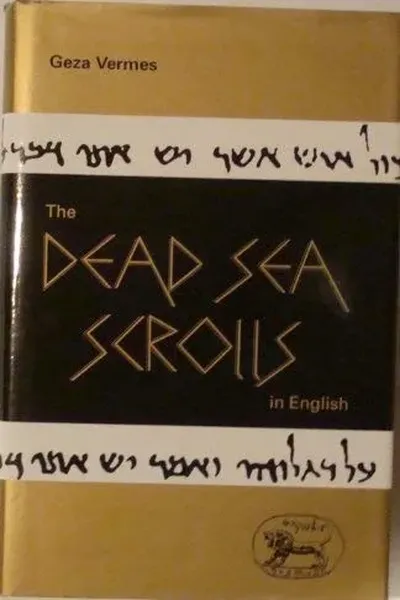
The complete Dead Sea scrolls in English

 72
72

The complete Dead Sea scrolls in English
Géza Vermès's translation of the Dead Sea Scrolls is less a narrative and more a meticulously cataloged archive. Its strength lies in its scholarly rigor, offering readers direct engagement with texts that shaped foundational religious thought. Vermès's extensive introductions and notes, particularly concerning the Essenes and their communal rules, are invaluable for understanding the sectarian context. However, the sheer volume and the academic tone might prove daunting for the casual reader. A passage like the Temple Scroll (11Q19), detailing precise architectural and ritualistic specifications, highlights both the scrolls' unique historical value and their often-austere content. This is a vital resource for serious study, not light reading.
📝 Description
72
### What It Is
The "Complete Dead Sea Scrolls in English" by Géza Vermès presents a comprehensive translation and scholarly analysis of the ancient manuscripts discovered near the Dead Sea. These texts, dating from the 3rd century BCE to the 1st century CE, include biblical manuscripts, apocryphal works, and sectarian documents from a Jewish community, widely believed to be the Essenes.
### Who It's For
This volume is essential for scholars of ancient Judaism and early Christianity, students of comparative religion, and anyone interested in the textual origins of Western spiritual traditions. It provides direct access to primary source material that illuminates the diverse religious landscape of Second Temple Judaism.
### Historical Context
The discovery of the scrolls, beginning in 1947, revolutionized understanding of the biblical canon and the historical milieu from which Christianity emerged. Vermès's work situates these texts within the vibrant, often contentious, religious and political climate of Roman Palestine, offering a critical bridge between ancient Jewish sects and later religious developments.
### Key Concepts
Central to the collection are the scrolls' revelations about Jewish law (Halakha), messianic expectations, angelology, and apocalyptic visions. Vermès's meticulous scholarship deciphers the unique theological and communal identity of the group responsible for these writings, offering profound insights into their worldview and practices.
💡 Why Read This Book?
• You will gain direct access to texts like the Community Rule (1QS), understanding the Essenes' unique ethical and ritualistic framework, offering a contrast to contemporary Pharisaic or Sadducean Judaism. • You will explore early interpretations of biblical prophecies and apocalyptic visions, such as those found in the Book of Daniel's textual variants, revealing evolving messianic expectations before 70 CE. • You will encounter the spectrum of Jewish belief and practice in the Second Temple period, moving beyond simplified narratives to appreciate the complex religious ecosystem that influenced early Christianity.
⭐ Reader Reviews
Honest opinions from readers who have explored this book.
❓ Frequently Asked Questions
When were the Dead Sea Scrolls discovered?
The Dead Sea Scrolls were first discovered in 1947 by Bedouin shepherds in caves near Qumran, initiating a series of archaeological expeditions that unearthed thousands of manuscript fragments over the next decade.
Who was Géza Vermès?
Géza Vermès (1924-2013) was a Hungarian-born British scholar renowned for his extensive work on the Dead Sea Scrolls and the historical Jesus. His translations and analyses are considered seminal in the field.
What is the significance of the Essenes in relation to the scrolls?
Many scholars, including Vermès, associate the scrolls with the Essenes, a Jewish sect active during the Second Temple period. The texts offer insights into their communal life, religious practices, and unique interpretations of Jewish law.
What is the approximate age of the Dead Sea Scrolls?
The Dead Sea Scrolls date from approximately the 3rd century BCE to the 1st century CE, providing a crucial window into the religious and intellectual life of Judea during the Hellenistic and Roman periods.
Does this translation include all Dead Sea Scrolls fragments?
Vermès's work aims for completeness in translating the major and most significant scrolls and fragments available in English. While exhaustive, it focuses on texts that offer substantial insight into the period and its thought.
Are the scrolls only religious texts?
The collection includes a wide range of texts, such as biblical manuscripts, commentaries, liturgical works, legal texts, and apocalyptic visions. They illuminate various facets of Jewish life and thought in the Second Temple era.
🔮 Key Themes & Symbolism
Essenes and Sectarianism
This volume extensively explores the presumed authors of the scrolls, the Essenes. It details their communal organization, adherence to specific interpretations of Jewish law (Halakha), and their distinct eschatological outlook. Vermès's analysis of texts like the Community Rule (1QS) and the Damascus Document highlights their separation from mainstream Jewish society and their anticipation of a divinely ordained future, offering a unique perspective on religious asceticism and communal living in ancient Judea.
Biblical Interpretation and Canon
The scrolls provide invaluable insight into the state of biblical texts and their interpretation during the Second Temple period. Vermès's work includes translations of proto-Masoretic texts, pre-Samaritan Pentateuch fragments, and unique textual variants of books like Jeremiah. This offers a critical look at the development of the Hebrew Bible and the fluidity of the canon before its standardization, revealing how scripture was read, studied, and applied by ancient communities.
Messianic and Apocalyptic Expectations
A significant theme is the diverse range of messianic figures and apocalyptic scenarios envisioned in the scrolls. Texts discuss warrior messiahs, priestly messiahs, and imminent divine judgment. Vermès elucidates these concepts through works like the War Scroll (1QM) and various testaments, demonstrating the fervent hope for divine intervention and the reestablishment of Israel's purity and sovereignty in a turbulent era, profoundly influencing later eschatological thought.
Angelology and Mysticism
The scrolls reveal a sophisticated understanding of the angelic realm and mystical experiences. Concepts of divine presence, angelic hierarchies, and the spiritual battles between forces of good and evil are prevalent. Vermès's translations of texts discussing angels, spirits, and purification rituals offer a glimpse into the esoteric dimensions of Essene belief, showcasing a rich tapestry of spiritual cosmology and practice that predates and informs later mystical traditions.
💬 Memorable Quotes
“The Temple Scroll contains detailed laws for the building of the Temple and the organisation of the cult.”
— This highlights the meticulous legalistic and ritualistic focus of the community that produced the scrolls, revealing an intense concern with divine order and purity in their earthly constructs.
“The Community Rule describes the initiation of new members into the sect.”
— This points to the structured, disciplined nature of the Essene community, emphasizing a process of spiritual and moral testing for entry into their exclusive fellowship.
“Messianic expectations were diverse, involving both priestly and kingly figures.”
— This interpretation underscores the varied hopes for a redeemer figure within Second Temple Judaism, moving beyond singular notions of a 'messiah' to a more complex landscape of anticipations.
“Apocalyptic visions foretold divine judgment and the establishment of a new era.”
— This concept emphasizes the eschatological fervor of the time, where perceived societal corruption fueled beliefs in an imminent, divinely orchestrated overthrow of the existing order.
“The scrolls include commentaries on biblical books, like Habakkuk.”
— This indicates the Essenes' engagement with scripture not just as law, but as a prophetic narrative whose meaning they sought to understand and apply to their own historical circumstances.
🌙 Esoteric Significance
Tradition
The Dead Sea Scrolls are foundational to understanding Jewish esotericism and mysticism within the broader context of Abrahamic traditions. While not fitting neatly into later Kabbalistic frameworks, they represent a crucial precursor, detailing angelic hierarchies, divine secrets, and apocalyptic revelations that foreshadow later mystical explorations. Their emphasis on purity, communal initiation, and hidden knowledge aligns with Gnostic and Hermetic currents, offering a unique bridge between early Jewish sectarianism and the development of Western esoteric thought.
Symbolism
Key symbols include the 'Sons of Light' versus the 'Sons of Darkness,' representing a dualistic cosmic struggle between good and evil, order and chaos. The 'Teacher of Righteousness' serves as a central figure, a divinely appointed leader embodying purity and correct interpretation of the Law, often seen as a messianic archetype. The recurring motif of purity rituals and sacred communal meals symbolizes spiritual cleansing and the formation of a divinely chosen community set apart from the corrupt world.
Modern Relevance
Contemporary esoteric practitioners and scholars of mysticism draw heavily from the scrolls to understand the roots of angelology, dualistic cosmologies, and ritualistic practices. Movements focused on historical Jesus studies and the origins of Christian liturgy find direct lineage and comparative material. The scrolls' exploration of communal living, divine law, and apocalyptic anticipation continues to inform discussions on religious communities, social reform, and the interpretation of sacred texts in various spiritual and philosophical circles today.
👥 Who Should Read This Book
• Scholars of Ancient Judaism and Early Christianity: Will gain direct access to primary texts that illuminate the diversity of belief and practice in the 1st century BCE to 1st century CE Judea. • Students of Comparative Religion: Can analyze the parallels and divergences between Essene beliefs and other contemporary religious movements, including early Christianity and later Rabbinic Judaism. • Aspiring Mystics and Esotericists: Will find foundational material on angelology, dualistic worldviews, and ritualistic purity that informs later Western esoteric traditions.
📜 Historical Context
The discovery of the Dead Sea Scrolls, beginning in 1947, occurred during a period of intense geopolitical and religious ferment surrounding Palestine. The mid-20th century saw burgeoning academic interest in the origins of Christianity and Judaism, with scholars like William F. Albright playing a key role in dating and authenticating the finds. The scrolls provided unprecedented primary source material on Second Temple Judaism, challenging earlier conceptions based solely on rabbinic literature and later Christian interpretations. Competing scholarly theories regarding the scrolls' origin, particularly the debate over their connection to the Essenes versus other groups like the Zealots or even a Jerusalem library, fueled scholarly discourse for decades. The meticulous work of translators and editors like Géza Vermès was crucial in making these fragmented texts accessible, fundamentally altering the landscape of biblical studies and early Christian origins research.
📔 Journal Prompts
The Essene concept of the 'Sons of Light' versus 'Sons of Darkness'.
The role and interpretation of the 'Teacher of Righteousness'.
Angelological hierarchies described in the scrolls.
The meticulous legal requirements outlined in the Temple Scroll.
The varied messianic expectations present in the collection.
🗂️ Glossary
Halakha
The collective body of Jewish religious laws derived from the Written and Oral Torah. The scrolls reveal specific Essene interpretations and applications of Halakha, often differing from Pharisaic traditions.
Apocalyptic Literature
Writings that reveal divine secrets about the end times, often involving visions of cosmic battles, divine judgment, and the establishment of a new world order. Many such texts were found among the Dead Sea Scrolls.
Second Temple Period
The era of Jewish history from the rebuilding of the Second Temple in Jerusalem around 516 BCE until its destruction by the Romans in 70 CE. The scrolls largely originate from this period.
Messianism
Belief in a messiah or savior figure. The scrolls demonstrate a complex and diverse range of messianic expectations, including priestly and kingly roles, prevalent in the centuries preceding Jesus.
Qumran
The archaeological site near the caves where the Dead Sea Scrolls were discovered. It is widely believed to have been a settlement of the Essenes, the sect associated with the scrolls.
Community Rule (1QS)
A key sectarian document found among the scrolls, outlining the rules, beliefs, and organizational structure of the Essene community, detailing initiation rites and communal living.
Teacher of Righteousness
A mysterious figure central to Essene theology, believed to be a divinely appointed spiritual leader and interpreter of scripture who suffered persecution.