Lost City
 74
74

Lost City
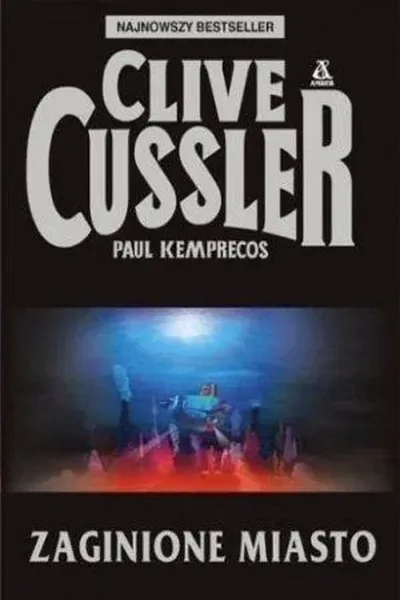
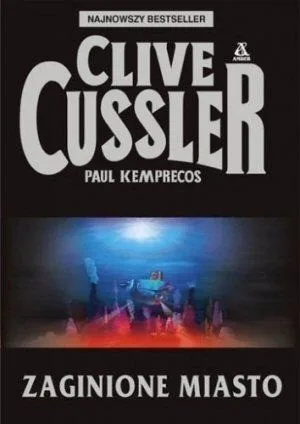
Clive Cussler's posthumous contribution, co-written with Paul Kemprecos and Russell Blake, delivers precisely what fans expect: a globe-trotting treasure hunt with a maritime bent. In 'Lost City,' the NUMA team's pursuit of a fabled underwater metropolis provides ample opportunity for Cussler's signature blend of high-octane action and speculative archaeology. The narrative momentum, particularly in the latter half, is undeniable, propelled by a constant stream of discoveries and near-disasters. However, the characterizations, while functional for the genre, remain largely archetypal, serving the plot rather than driving it with deep personal stakes. A particular strength lies in the detailed descriptions of underwater exploration and the imagined technological remnants of the lost civilization, evoking a tangible sense of wonder. The primary limitation is the predictability of certain plot beats, a common pitfall in formulaic adventure series. Ultimately, 'Lost City' is a competent, if familiar, entry that satisfies the craving for an oceanic mystery and daring rescue.
📝 Description
74
### What It Is Lost City is a 2017 thriller co-authored by Clive Cussler, Paul Kemprecos, and Russell Blake. The narrative plunges readers into a high-stakes quest for a legendary underwater metropolis, blending historical speculation with contemporary adventure. It follows the protagonist, Kurt Austin, and his NUMA team as they race against shadowy adversaries to uncover the secrets of a civilization lost to the ocean depths.
### Who It's For This novel appeals to enthusiasts of action-adventure fiction who enjoy intricate plots and exotic locales. Readers with an interest in speculative history, lost civilizations, and maritime exploration will find particular engagement. Those who appreciate Cussler's signature blend of scientific plausibility and daring exploits will recognize familiar elements, while the collaboration introduces a modern edge.
### Historical Context The book is situated within the tradition of adventure fiction that has explored lost civilizations since the late 19th and early 20th centuries, drawing inspiration from real-world archaeological discoveries and enduring myths. The narrative taps into a persistent fascination with Atlantis and other submerged cities, a theme popularised by figures like Ignatius Donnelly in his 1882 work 'Atlantis: The Antediluvian World'.
### Key Concepts The core concepts revolve around the search for a technologically advanced ancient city submerged by cataclysmic events. It examines theories of pre-diluvian civilizations and the potential for advanced knowledge to be lost to time. The plot also touches upon the geopolitical implications of discovering such a site and the ethical dilemmas surrounding its potential exploitation.
💡 Why Read This Book?
• Gain an appreciation for the speculative archaeological theories that underpin the search for submerged ancient cities, as depicted through the quest for the titular 'Lost City'. • Experience the thrill of maritime adventure and underwater exploration, featuring detailed descriptions of submersible technology and deep-sea environments reminiscent of early 20th-century exploration narratives. • Understand how contemporary thriller authors, like Cussler and his collaborators, continue to engage with enduring myths of lost civilizations, building upon foundational works from the late 19th century.
⭐ Reader Reviews
Honest opinions from readers who have explored this book.
❓ Frequently Asked Questions
What is the central premise of Clive Cussler's 'Lost City'?
The novel centers on Kurt Austin and the NUMA team's race to find a legendary, technologically advanced city lost beneath the ocean, battling rivals who seek to exploit its secrets.
Who are the authors of 'Lost City'?
'Lost City' is a collaboration between the late Clive Cussler, Paul Kemprecos, and Russell Blake, first published in 2017.
What kind of historical or mythological elements are present in 'Lost City'?
The book draws on enduring myths of lost civilizations, particularly those submerged by cataclysmic events, echoing themes found in discussions of Atlantis.
Does 'Lost City' feature the character Dirk Pitt?
No, 'Lost City' primarily features Kurt Austin and the NUMA Special Projects Division, a different team within Cussler's established universe.
What is the primary setting for the action in 'Lost City'?
Much of the action takes place underwater and in various coastal locations around the world as the protagonists pursue clues to the lost city.
Is 'Lost City' part of a series?
While it shares characters and themes with Clive Cussler's broader bibliography, 'Lost City' is often considered a standalone or part of the NUMA Files series.
🔮 Key Themes & Symbolism
Submerged Civilizations
The narrative hinges on the existence of a sophisticated city lost to the ocean, drawing parallels with myths like Atlantis. This theme explores humanity's enduring fascination with what lies beneath the waves and the possibility of advanced ancient societies predating known history. The book speculates on the technological prowess and societal structures such a civilization might have possessed, posing questions about knowledge lost to cataclysmic events and geological upheavals over millennia.
Maritime Adventure and Exploration
At its heart, 'Lost City' is a celebration of oceanic discovery. It details the challenges and wonders of deep-sea exploration, featuring advanced submersible technology and the dangers inherent in venturing into the abyss. The quest for the lost city serves as a vehicle for showcasing various marine environments and the relentless drive of explorers to uncover the unknown, echoing the spirit of early 20th-century expeditions.
Race Against Time
The plot is driven by a high-stakes competition to locate the lost city before nefarious forces can exploit its potential riches or advanced technology. This creates a constant sense of urgency, with protagonists Kurt Austin and his NUMA team facing off against rivals with destructive intentions. The theme emphasizes the critical importance of preserving historical and potentially dangerous discoveries from falling into the wrong hands.
Legacy of the Past
The novel contemplates the remnants of ancient cultures and their potential influence on the present. The discovery of the lost city is not just an archaeological feat but a revelation about humanity's deep past and forgotten achievements. It raises questions about what legacies endure and how understanding these past civilizations might inform our future, particularly in the face of modern challenges.
💬 Memorable Quotes
“The ocean guards its secrets jealously.”
— This aphorism captures the perilous and enigmatic nature of deep-sea exploration, highlighting the immense challenges and the profound mystery surrounding the unknown depths where the lost city is sought.
“They were racing not just for discovery, but for survival.”
— This statement underscores the dual nature of the protagonists' mission; their quest for knowledge is intertwined with immediate threats from antagonists, making every step fraught with peril.
“The legends spoke of a city bathed in light, even in the deepest abyss.”
— This paraphrased concept refers to the advanced, perhaps even bioluminescent or energy-based, technology attributed to the lost civilization, setting it apart from mundane ancient ruins.
“Sometimes, the greatest treasures are not gold, but knowledge.”
— This reflects the core motivation of the NUMA team, suggesting that uncovering the history and technology of the lost city holds more value than any material wealth it might contain.
“The past was not dead; it was merely submerged, waiting to be found.”
— This interpretation emphasizes the theme that history remains tangible and discoverable, even when hidden by time and natural forces, and that ancient secrets can resurface.
🌙 Esoteric Significance
Tradition
While not strictly adhering to a singular esoteric tradition, 'Lost City' draws heavily from the Gnostic and Atlantean mythos prevalent in early 20th-century occultism and theosophy. It echoes Helena Blavatsky's concept of ancient, highly advanced root races, particularly the Atlanteans, who possessed sophisticated knowledge lost to modern humanity. The narrative aligns with a broader esoteric interest in uncovering hidden histories and forgotten wisdom that challenges conventional timelines of human development.
Symbolism
The primary symbol is the 'Lost City' itself, representing hidden knowledge, advanced civilization, and humanity's forgotten potential. Its submerged nature symbolizes the unconscious or the suppressed aspects of collective memory. Another motif is the advanced technology attributed to the city's inhabitants, which can be interpreted as a manifestation of spiritual or intellectual mastery achieved by ancient peoples, far beyond modern comprehension.
Modern Relevance
Contemporary esoteric circles and enthusiasts of ancient mysteries continue to find resonance in narratives like 'Lost City.' It feeds into modern discussions on archaeoastronomy, alternative history, and the search for evidence of pre-diluvian cultures. Thinkers exploring themes of collective consciousness and lost wisdom traditions may find inspiration in the book's portrayal of a civilization whose knowledge transcended material limitations, even if presented through a fictional lens.
👥 Who Should Read This Book
• Action-adventure enthusiasts who appreciate intricate plots involving underwater exploration and the search for ancient mysteries, similar to classic pulp fiction narratives. • Readers interested in speculative history and lost civilization myths, particularly those fascinated by tales of Atlantis and pre-historical advanced societies. • Fans of Clive Cussler's established body of work, who seek the familiar blend of high-stakes action, scientific conjecture, and maritime settings delivered by the NUMA team.
📜 Historical Context
Published in 2017, 'Lost City' emerged in an era where the adventure thriller genre, heavily influenced by authors like Clive Cussler himself, remained popular. Cussler's own prolific career, beginning in the 1970s, cemented tropes of maritime exploration, ancient mysteries, and high-tech gadgetry. The novel taps into a long-standing fascination with lost civilizations, a theme notably explored by Ignatius Donnelly in 'Atlantis: The Antediluvian World' (1882), which popularized the idea of Atlantis as a real, advanced precursor civilization. Unlike contemporary scientific archaeological discourse, which demands rigorous evidence, Cussler's work operates within speculative fiction, bridging the gap between myth and potential reality. The reception of such books typically focuses on their entertainment value and adherence to genre conventions rather than scholarly rigor, appealing to a readership eager for escapist narratives grounded in historical or mythological possibility.
📔 Journal Prompts
The submerged 'Lost City' as a metaphor for forgotten personal knowledge.
Reflecting on the NUMA team's technological capabilities versus the potential ancient advancements.
The ethical implications of discovering and revealing secrets from the past.
Comparing the depicted underwater environment to known marine ecosystems.
Analyzing the 'race against time' dynamic and its psychological impact on the characters.
🗂️ Glossary
NUMA
The National Underwater and Marine Agency, a fictional organization in Clive Cussler's novels, dedicated to oceanic research and salvage, often involved in uncovering historical mysteries.
Kurt Austin
A lead protagonist in the NUMA Files series, known for his leadership, resourcefulness, and expertise in marine operations and combat.
Atlantis
A legendary island civilization mentioned in Plato's dialogues, often depicted in speculative literature as an advanced ancient society that was destroyed and submerged beneath the sea.
Pre-diluvian
Referring to the period before a great flood, often associated in mythology and esoteric thought with ancient civilizations that possessed advanced knowledge or technology.
Submersible
A small submarine or underwater vehicle designed for exploration and research in deep ocean environments, a key piece of technology featured in the novel.
Cataclysm
A violent natural event, such as an earthquake or tsunami, often invoked in legends of lost civilizations to explain their sudden disappearance or destruction.
Speculative Archaeology
An approach that explores historical possibilities and ancient mysteries based on limited evidence, myths, and theories, often diverging from mainstream scientific consensus.