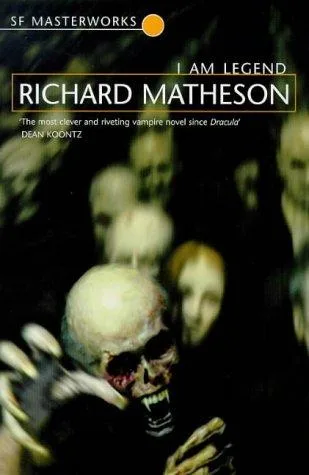
I am Legend and Other Stories
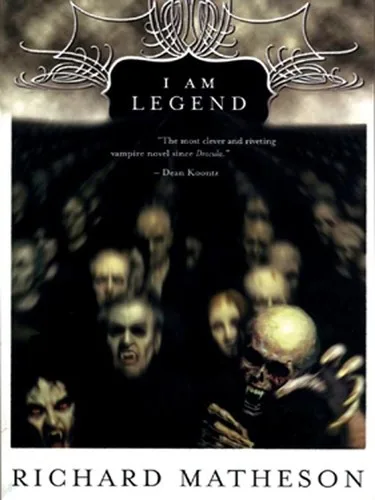
 79
79

I am Legend and Other Stories
Matheson’s "I Am Legend and Other Stories" demonstrates a writer operating at the height of his powers, though the collection’s unevenness is perhaps its most notable characteristic. The sheer impact of the titular story, "I Am Legend," first published in 1954, cannot be overstated; its scientifically grounded take on vampirism and profound sense of isolation remain potent. However, not all pieces achieve this level of resonance. The strength of the collection lies in Matheson's unflinching gaze into the psychological abyss. In "The Shrinking Man," for instance, the existential terror of Scott Carey’s diminishing existence is palpable, rendered with a stark realism that amplifies the horror. A limitation, however, is that some of the shorter pieces can feel underdeveloped, serving more as brief sketches of mood than fully realized narratives. Despite this, the collection’s exploration of humanity pushed to its limits, particularly in the stark depiction of Robert Neville’s solitary struggle, solidifies Matheson’s legacy. It’s a compelling, if occasionally uneven, testament to his skill in crafting unsettling, character-driven tales.
📝 Description
79
### What It Is
Richard Matheson's "I Am Legend and Other Stories," first published in 2006, presents a collection that transcends simple genre categorization. While the titular story, "I Am Legend," is a foundational text in post-apocalyptic and vampire fiction, the anthology as a whole offers a spectrum of narratives. These stories explore the human condition under duress, the nature of reality, and the psychological toll of isolation. Matheson's prose is direct and impactful, focusing on character interiority and the visceral experience of his protagonists. The collection is not merely a compilation but a curated selection showcasing Matheson's consistent thematic concerns and narrative prowess across varied scenarios.
### Who It's For
This collection is for readers who appreciate speculative fiction with a strong psychological undercurrent. Fans of "I Am Legend" will find the titular story presented alongside other works that echo its existential dread and survivalist themes. It will appeal to those interested in the evolution of horror and science fiction, particularly narratives that delve into the breakdown of societal structures and individual sanity. Readers seeking explorations of fear, loneliness, and the very definition of humanity, presented with sharp prose and a keen observational eye, will find substantial material here. It’s for the discerning reader who values thematic depth over gratuitous shock.
### Historical Context
Published in 2006, "I Am Legend and Other Stories" arrived decades after the initial impact of its most famous component. The original novella "I Am Legend" was published in 1954, a period marked by Cold War anxieties and a burgeoning interest in existentialist philosophy within literature. Matheson's work on "I Am Legend" itself engaged with and redefined established vampire lore, moving away from the supernatural towards a more biological and psychological explanation for vampirism, influencing subsequent works like Stephen King's "'Salem's Lot" and George Romero's "Night of the Living Dead" (1968). The anthology’s later publication allows for a retrospective view of Matheson's contributions to the genre landscape, positioning him as a significant voice alongside contemporaries such as Ray Bradbury and Robert Bloch, who also explored darker, more introspective themes in their short fiction.
### Key Concepts
The collection frequently engages with the concept of the 'outsider' or the 'last man,' a recurring motif in post-war American literature. This is most evident in "I Am Legend," where Robert Neville is the sole human survivor in a world overrun by vampire-like creatures. The stories also probe the nature of fear, not just as an external threat but as an internal, psychological state that can be as destructive as any physical danger. Matheson often explores the fragility of sanity and the desperate measures individuals take to maintain it when confronted with overwhelming isolation or inexplicable phenomena. The blurring lines between human and monster, sanity and madness, are central, questioning societal definitions of normalcy and monstrosity.
💡 Why Read This Book?
• Gain a visceral understanding of existential isolation through the detailed portrayal of Robert Neville's predicament in "I Am Legend," learning how extreme solitude can redefine one's perception of reality. • Explore the psychological impact of physical transformation and loss of control via Scott Carey's plight in "The Shrinking Man," offering a unique perspective on vulnerability. • Understand Matheson's contribution to redefining horror tropes, particularly his 1954 approach to vampirism that influenced later creature features and post-apocalyptic narratives.
⭐ Reader Reviews
Honest opinions from readers who have explored this book.
❓ Frequently Asked Questions
Is "I Am Legend and Other Stories" a collection of new works by Richard Matheson?
No, the collection "I Am Legend and Other Stories" was published in 2006, but it primarily features previously published works by Richard Matheson, including his seminal 1954 novella "I Am Legend."
What is the primary theme of the story "I Am Legend"?
The primary theme of "I Am Legend" is survival against overwhelming odds and the psychological toll of being the last human. It explores isolation, the nature of monstrosity, and the redefinition of 'normalcy'.
Does the collection "I Am Legend and Other Stories" include "The Shrinking Man"?
Yes, the 2006 collection "I Am Legend and Other Stories" does include the renowned story "The Shrinking Man," which explores themes of existential dread and the loss of control.
What makes Richard Matheson's "I Am Legend" significant in the horror genre?
Matheson's "I Am Legend" is significant for its scientific approach to vampirism, presenting it as a biological condition rather than supernatural. This grounded horror and the intense isolation of its protagonist, Robert Neville, influenced many later works in science fiction and horror.
When was Richard Matheson active as a writer?
Richard Matheson was an active writer for over six decades, beginning his career in the early 1950s. His most famous works, including "I Am Legend," were published in the mid-20th century, though collections like this one were compiled later.
Are there supernatural elements in Matheson's stories?
While Matheson often deals with terrifying scenarios, he frequently grounds them in psychological realism or pseudo-scientific explanations, as seen in "I Am Legend." Supernatural elements are often presented through the lens of madness or altered perception.
🔮 Key Themes & Symbolism
The Last Human Experience
The collection, spearheaded by the iconic "I Am Legend," plunges into the profound isolation of being the sole survivor. Robert Neville's existence in a world populated by vampiric beings becomes a stark examination of human resilience and the psychological erosion caused by absolute loneliness. This theme questions what it means to be human when society and companionship cease to exist, forcing a reevaluation of identity and purpose in the face of overwhelming existential threat.
Sanity Under Siege
Across several stories, Matheson meticulously details the unraveling of the human psyche when confronted with inexplicable circumstances or extreme duress. "The Shrinking Man" showcases this through Scott Carey's terrifying loss of physical autonomy, which directly impacts his mental state. The narratives explore how fear, paranoia, and the desperate need for control can warp perception, blurring the lines between reality and delusion, and highlighting the fragility of the mind.
Redefining Monstrosity
Matheson challenges conventional notions of what constitutes a monster. In "I Am Legend," the creatures are presented not merely as supernatural entities but as products of a biological contagion, questioning the inherent 'otherness' attributed to them. This approach invites readers to consider societal definitions of normalcy and monstrosity, suggesting that fear and prejudice can transform the 'normal' into the monstrous, and vice versa, prompting a critical look at the forces that create outcasts.
Loss of Control
A pervasive theme is the terrifying experience of losing control over one's own body, environment, or destiny. Scott Carey's gradual diminishment in "The Shrinking Man" is a prime example, where his physical existence becomes increasingly precarious and uncontrollable. This loss extends to societal structures and personal safety, as seen in the post-apocalyptic settings, forcing characters into desperate acts of adaptation or succumbing to the overwhelming forces that dictate their fate.
💬 Memorable Quotes
“‘The last man on Earth sat alone in a room. There was a knock on the door.’”
— This iconic opening from 'I Am Legend' immediately establishes the profound isolation and the intrusion of the unknown into ultimate solitude, setting a tone of suspense and existential dread that permeates the story.
“‘He was a man alone, and the world was full of monsters.’”
— This sentiment, paraphrasing the core struggle of Robert Neville, encapsulates the feeling of being the sole bastion of humanity against a transformed, hostile reality, questioning the very definition of 'monster'.
“‘The world was shrinking, and so was he.’”
— This reflects the literal and existential crisis faced by Scott Carey in 'The Shrinking Man,' highlighting the terrifying loss of agency and the overwhelming sense of powerlessness as his physical reality disintegrates.
“‘Fear was his constant companion, a shadow in the empty house.’”
— This captures the psychological landscape of Matheson's protagonists, where external threats are amplified by internal anxieties, demonstrating how fear itself becomes a tangible, oppressive force.
“‘He fought not just for life, but for the meaning of life.’”
— This interpretation emphasizes the deeper, philosophical struggle within Matheson's characters. Their fight for survival transcends mere existence, becoming a quest to uphold humanity and reason against encroaching chaos and despair.
🌙 Esoteric Significance
Tradition
While not strictly aligned with a single esoteric tradition, Matheson's work, particularly "I Am Legend," engages with Gnostic themes of a corrupted world and the solitary seeker of truth. The protagonist, Robert Neville, functions as a lone Gnostic figure attempting to understand and combat a fallen reality. His struggle against the 'vampires' can be interpreted as a fight against ignorance and the material chains that bind humanity, echoing the Gnostic pursuit of liberation through knowledge and self-awareness.
Symbolism
The concept of the 'last man' in "I Am Legend" symbolizes the isolated individual consciousness confronting a world transformed by forces beyond comprehension. The vampiric 'others' represent societal decay, corrupted nature, or perhaps the primal, instinctual aspects of humanity that have overtaken reason. The sterile, fortified house of Robert Neville symbolizes the besieged bastion of intellect and human order attempting to survive against the encroaching chaos and the breakdown of established reality.
Modern Relevance
Matheson's exploration of isolation, societal breakdown, and the psychological impact of pandemics or widespread contagion remains acutely relevant. Contemporary authors dealing with post-apocalyptic scenarios, existential dread, and the nature of 'otherness' owe a debt to his foundational work. Thinkers in existential psychology and philosophical horror continue to cite "I Am Legend" as a touchstone for understanding the human response to extreme circumstances and the redefinition of humanity itself.
👥 Who Should Read This Book
• Readers fascinated by the psychological underpinnings of horror and science fiction, particularly those interested in the impact of extreme isolation on the human psyche. • Students of 20th-century speculative fiction who wish to understand the evolution of post-apocalyptic and vampire narratives, especially Matheson's influential 1954 novella. • Individuals interested in exploring themes of survival, sanity, and the definition of humanity when faced with societal collapse and existential threats.
📜 Historical Context
Richard Matheson's "I Am Legend and Other Stories," published in 2006, arrived long after the seismic impact of its titular novella, "I Am Legend," which first appeared in 1954. The mid-1950s were a fertile ground for anxieties about societal collapse and the individual's place within it, influenced by the Cold War and the rise of existentialist thought. Matheson’s work on "I Am Legend" was particularly noteworthy for its pseudo-scientific approach to vampirism, moving the genre away from overt supernaturalism towards a more plausible, biological explanation. This paved the way for later zombie and post-apocalyptic narratives, arguably influencing George Romero's seminal zombie film "Night of the Living Dead" (1968). In the literary landscape of the time, Matheson stood alongside contemporaries like Philip K. Dick and Kurt Vonnegut, who were also exploring themes of alienation and the uncertain future of humanity. While "I Am Legend" garnered significant attention and acclaim, other stories in this collection showcase Matheson's consistent exploration of psychological horror and speculative scenarios throughout his prolific career.
📔 Journal Prompts
Robert Neville's isolation: How does the narrative depict the psychological toll of being the last human?
The definition of 'monster': Analyze how Matheson challenges traditional portrayals of monstrous beings.
Scott Carey's loss of control: Reflect on the existential dread evoked by his diminishing physical reality.
The concept of normalcy: How do the stories interrogate societal definitions of sanity and abnormality?
The impact of fear: Examine how fear functions as both an external threat and an internal adversary.
🗂️ Glossary
Vampirism (Matheson's interpretation)
In Matheson's "I Am Legend," vampirism is depicted not as supernatural but as a biological condition caused by a microbial plague, leading to vampiric traits like photosensitivity and bloodlust.
Existential Dread
A profound feeling of unease, anxiety, and disorientation arising from contemplating the meaninglessness, isolation, or freedom inherent in human existence.
Post-Apocalyptic Fiction
A subgenre of science fiction that deals with the aftermath of a catastrophic global event, focusing on survivors and the rebuilding or struggle for existence in a devastated world.
Psychological Horror
A genre of fiction that uses atmosphere, suspense, and characters' mental states to frighten the audience, often focusing on internal conflicts and the breakdown of sanity.
The Last Man Trope
A literary device featuring a sole survivor in a world otherwise decimated by disaster, often used to explore themes of isolation, responsibility, and the essence of humanity.
Isolation
The state of being separate or alone, often used in literature to examine psychological effects, self-reliance, and the fundamental human need for connection.
Sanity
The state of having a normal, healthy mental condition; in literature, often explored through its fragility and how it is challenged by extreme circumstances.