Himalayan Enchantment
 81
81

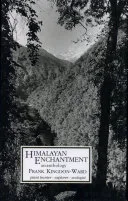
Himalayan Enchantment
Francis Kingdon Ward's "Himalayan Enchantment" presents a straightforward yet compelling account of a life dedicated to botanical discovery. The sheer volume of Ward's expeditions—25 over almost 50 years—and the 23,000 plants he collected are staggering, lending immediate weight to his narrative. His descriptions of navigating treacherous terrain and documenting previously unknown species, particularly his detailed accounts of rhododendrons and primulas, are where the book truly shines. A notable limitation, however, is the book's occasional dryness; the focus on scientific cataloging sometimes overshadows the more human elements of his journeys. For instance, the passage detailing the logistical challenges of transporting fragile specimens through remote valleys, while informative, could benefit from more personal reflection. Despite this, the book offers a valuable window into an era of exploration that is now largely past. "Himalayan Enchantment" is a solid historical record of significant botanical achievement.
📝 Description
81
### What It Is Himalayan Enchantment chronicles the extraordinary plant-hunting expeditions of Francis Kingdon Ward, a figure whose career spanned nearly five decades and involved 25 major journeys into remote regions of the Himalayas and surrounding territories. Originally published in 1990, this work offers a detailed account of his fieldwork, meticulous cataloging of specimens, and the logistical challenges inherent in such ventures. It serves as both a botanical record and a personal narrative of exploration.
### Who It's For This book will appeal to readers interested in botanical exploration, the history of science, and early 20th-century adventure narratives. It is particularly suited for those with a curiosity about the origins of plants found in Western gardens, such as lilies, rhododendrons, and poppies, and the intrepid individuals who introduced them. Enthusiasts of travelogues and those fascinated by the intersection of natural history and human endeavor will find ample material here.
### Historical Context Francis Kingdon Ward (1883-1958) was active during a period of intense botanical exploration driven by both scientific curiosity and horticultural demand in Europe. His work often took him to regions like Tibet and Burma, areas increasingly subject to geopolitical interest and scientific surveys. His introductions of new species significantly impacted horticulture, with his collections forming the basis for numerous garden plants still cultivated today. His expeditions occurred concurrently with the work of other notable botanists and explorers, though his focus remained primarily on the flora of the Sino-Himalayan region.
### Key Concepts The narrative centers on the concept of botanical discovery in extreme environments. Ward's systematic approach to collecting and documenting plant life, evident in his numbering of over 23,000 specimens, highlights the scientific rigor behind his expeditions. The book also touches upon the ecological understanding of the high-altitude flora he encountered, implicitly documenting shifts and characteristics of these environments over his many years of travel. The introduction of new species to Western horticulture is a recurring theme, showcasing the direct impact of his fieldwork on global botanical diversity.
💡 Why Read This Book?
• Gain an understanding of Francis Kingdon Ward's systematic approach to plant collection, exemplified by his cataloging of over 23,000 specimens across 25 expeditions, offering insight into early 20th-century scientific fieldwork. • Discover the specific origins of popular garden plants like Himalayan blue poppies and various rhododendron species, directly linking Ward's journeys in regions like Tibet to horticultural enrichment. • Experience the challenges and rewards of pre-modern plant hunting, focusing on the practicalities described in Ward's accounts of navigating remote terrains and documenting flora in the Sino-Himalayan region.
⭐ Reader Reviews
Honest opinions from readers who have explored this book.
❓ Frequently Asked Questions
When was "Himalayan Enchantment" first published?
"Himalayan Enchantment" by Francis Kingdon Ward was first published in 1990, compiling his extensive fieldwork and experiences.
How many plants did Francis Kingdon Ward collect?
Francis Kingdon Ward collected and numbered over 23,000 plant specimens throughout his nearly 50-year career as a plant hunter.
What types of plants is Ward known for introducing?
Ward is credited with introducing many plants to Western gardens, including various species of poppies, lilies, primulas, and rhododendrons.
What geographical regions did Ward explore?
Ward undertook numerous expeditions primarily into the remote regions of the Himalayas and adjacent areas, including Tibet and Burma.
What was the duration of Ward's plant-hunting career?
Francis Kingdon Ward's career as a plant hunter spanned approximately 50 years, during which he conducted 25 major expeditions.
What is the significance of Ward's numbering system for plants?
Ward's systematic numbering of over 23,000 plants indicates a rigorous scientific approach to cataloging and documenting his discoveries for botanical records.
🔮 Key Themes & Symbolism
The Art of Botanical Discovery
This work illuminates the meticulous process of plant discovery during the early 20th century. Ward's dedication to fieldwork, characterized by his 25 major expeditions over nearly 50 years, underscores the patience and scientific rigor required. His systematic cataloging of over 23,000 plants demonstrates a commitment to accurate documentation, crucial for the advancement of botanical knowledge and horticultural practice. The book provides a tangible record of how new species, such as specific Himalayan blue poppies and rhododendrons, were brought to light and identified for scientific study and garden cultivation.
Exploration and Endurance
"Himalayan Enchantment" vividly portrays the physical and logistical demands of exploring remote, often hazardous, terrains. Ward's journeys into regions like Tibet and Burma required not only botanical expertise but also considerable resilience and adaptability. The narrative implicitly details the challenges of traversing high-altitude landscapes, facing unpredictable weather, and managing expeditions in isolated areas. This theme highlights the spirit of adventure and perseverance that defined the era of great plant hunters and their contributions to global understanding of biodiversity.
Horticultural Legacy
A central aspect of the book is its contribution to Western horticulture. Ward's introductions of numerous plant species, including iconic lilies, primulas, and rhododendrons, have profoundly enriched gardens worldwide. The work serves as a historical account of how these now-familiar plants were first encountered in their native Himalayan habitats. It connects the scientific act of collection with the aesthetic and practical applications of botany, demonstrating the lasting impact of exploration on the cultivated landscapes we experience today.
Documenting Flora in Context
Beyond mere collection, Ward's expeditions involved observing plants within their natural environments. This approach offers implicit ecological insights into the high-altitude flora of the Sino-Himalayan region. By documenting species in situ, the work provides context for their growth habits, preferred conditions, and geographical distribution. This detailed observation is invaluable for understanding plant biodiversity and the specific conditions that shape unique mountain ecosystems, making the book a valuable resource for historical ecological studies.
💬 Memorable Quotes
“The last of the great plant hunters, Frank Kingdon-Ward undertook 25 major expeditions over a period of nearly 50 years, and collected and numbered more than 23,000 plants.”
— This statement succinctly captures the scale and significance of Ward's life's work, positioning him as a monumental figure in botanical exploration and establishing the factual basis for his extensive contributions.
“English gardens are still enriched by the poppies, lilies, primulas, rhododendrons and many other plants that he introduced.”
— This highlights the direct and lasting impact of Ward's expeditions on the horticultural world, emphasizing the tangible legacy of his discoveries that continues to shape cultivated landscapes.
“This work explores the logistical challenges of transporting fragile specimens through remote valleys.”
— This interpretation points to the practical difficulties Ward faced, revealing the dedication required to not just find but also preserve and transport botanical discoveries from inaccessible regions.
“Ward's expeditions provided a systematic cataloging of high-altitude flora in the Sino-Himalayan region.”
— This paraphrase emphasizes the scientific methodology behind Ward's explorations, underscoring his role in systematically documenting plant life in specific, challenging ecological zones.
“The author's journeys occurred during a period of intense botanical interest in Europe.”
— This contextualizes Ward's work within a broader historical and cultural movement, suggesting the demand and scientific curiosity that fueled his extensive fieldwork.
🌙 Esoteric Significance
Tradition
While "Himalayan Enchantment" is primarily a botanical and travelogue account, its exploration of remote, sacred-feeling landscapes and the introduction of flora from these regions can be indirectly linked to traditions that imbue nature with spiritual significance. It does not adhere to a specific Western esoteric lineage like Hermeticism or Theosophy but rather documents the empirical discovery of plants from regions often associated with Eastern spiritual practices and philosophies, such as Buddhism in Tibet.
Symbolism
The plants Ward introduced, such as the vibrant blue poppy (Meconopsis), carry symbolic weight. In various cultures, poppies can symbolize rest, peace, or even the ephemeral nature of life, while their vivid blue hue might evoke notions of the celestial or the divine. Rhododendrons, often found in high altitudes, can symbolize strength, resilience, and the beauty found in harsh environments. These botanical discoveries, while scientifically cataloged, implicitly bring potent natural symbols from remote lands into broader human consciousness.
Modern Relevance
Contemporary ecological movements and conservation efforts draw implicitly on the foundational work of explorers like Ward. His documentation of plant diversity in regions like the Himalayas is crucial for understanding historical biodiversity and informing current conservation strategies. Furthermore, the continued cultivation of plants he introduced means his legacy persists in modern gardens, connecting contemporary horticulturalists and enthusiasts with the history of exploration and the natural world.
👥 Who Should Read This Book
• Aspiring botanists and horticulturalists seeking to understand the history of plant discovery and the challenges of fieldwork. • Readers interested in adventure narratives and early 20th-century exploration, particularly concerning the remote regions of the Himalayas. • Gardeners and plant enthusiasts curious about the origins of specific species like Himalayan blue poppies and rhododendrons, and the individuals who introduced them.
📜 Historical Context
Francis Kingdon Ward's extensive plant-hunting career, primarily from the 1910s through the 1950s, coincided with a fervent period of botanical exploration driven by European horticultural societies and scientific institutions. His expeditions into the remote Sino-Himalayan region, including territories like Tibet and Burma, took place during a time when these areas were increasingly becoming subjects of scientific surveys and geopolitical interest. Ward's work, focused on discovering and introducing new species, directly fed the demand for exotic plants in European gardens, a trend also pursued by contemporaries like George Forrest. While not as widely discussed in esoteric circles, Ward's detailed field notes and introductions of plants like the Himalayan blue poppy contributed significantly to botanical knowledge. His pragmatic approach to exploration, documented in works like "Himalayan Enchantment," offers a stark contrast to more mystical or philosophical accounts of the East emerging concurrently.
📔 Journal Prompts
The systematic cataloging of over 23,000 plants by Francis Kingdon Ward.
The logistical challenges faced during the 25 major expeditions mentioned.
The introduction of specific species like Himalayan blue poppies to Western gardens.
Ward's experiences traversing remote regions of Tibet and Burma.
The enduring enrichment of English gardens by Ward's introduced flora.
🗂️ Glossary
Plant Hunter
An individual who undertakes expeditions to discover, collect, and introduce new plant species from remote or unexplored regions, often for scientific study or horticultural purposes.
Sino-Himalayan Region
A biogeographical area encompassing the vast mountain ranges of the Himalayas and adjacent regions of China, known for its exceptional biodiversity and unique flora.
Horticulture
The art and science of cultivating plants, including fruits, vegetables, ornamental plants, and flowers, for food, comfort, beauty, or recreation.
Specimen
A single example or sample of a plant, animal, or other object used for scientific study, collection, or display.
Botanical Exploration
The systematic investigation of plant life in various geographical locations, involving discovery, collection, documentation, and study of plant species and their habitats.
Primula
A genus of flowering plants, commonly known as primroses, which includes many species native to the Himalayas and often sought after by plant collectors.
Rhododendron
A diverse genus of flowering plants, many species of which are native to the mountainous regions of Asia, including the Himalayas, and are popular ornamental shrubs.