Encyclopaedia of superstitions

 74
74

Encyclopaedia of superstitions
Edwin and Mona A. Radford's "Encyclopaedia of Superstitions" presents a dense, almost anthropological survey of human credulity. The sheer volume of cataloged beliefs, ranging from the common fear of black cats to more obscure agrarian rituals, is impressive. Its strength lies in its systematic approach, offering a broad, if sometimes dry, overview of how humanity has sought to influence fate or ward off misfortune. However, the work occasionally feels more like a ledger than an analysis; the lack of deep interpretive dives into the psychological or social functions of many superstitions is a noticeable limitation. A particularly memorable section details the intricate rules surrounding wedding superstitions, illustrating the anxieties and hopes invested in such life transitions. While not a text for casual browsing, it is an invaluable resource for serious study.
📝 Description
74
Edwin and Mona Radford's 1961 Encyclopaedia of Superstitions catalogs folk beliefs and charms.
This volume meticulously documents a vast array of folk beliefs, omens, and charms that have shaped human behavior across cultures and centuries. The Radfords' work covers practices ranging from the seemingly trivial to those with deep societal roots. It is a valuable resource for scholars of folklore, cultural anthropology, and comparative religion. Amateur enthusiasts interested in esoteric traditions, historical curiosities, and the psychology of belief systems will also find it informative. The book examines the persistent human need for meaning and control in uncertain times. First published in 1961, it appeared during a period of growing academic interest in popular culture and persistent irrational beliefs. This effort sought to archive and analyze these traditions. The book covers sympathetic magic, divination techniques, protective charms, unlucky signs, and fertility rituals. It traces the origins and evolution of these beliefs, often linking them to ancient practices and showing their continued presence in daily life.
Published in 1961, this encyclopedia emerged as academic interest in popular culture and seemingly irrational beliefs grew. It sought to record these traditions before they faded further due to mass media. The work documents practices often rooted in ancient customs, examining their evolution and enduring presence. It offers insights into the psychological underpinnings of belief systems and the human drive for order and meaning.
💡 Why Read This Book?
• Gain concrete knowledge of specific superstitions, such as those surrounding the number 13 or the act of spilling salt, understanding their historical roots and cultural variations as detailed in the early chapters. • Explore the enduring human impulse toward divination and omen-reading, exemplified by the book's extensive entries on methods like palmistry and the interpretation of dreams. • Understand the practical application of charms and amulets for protection or luck, as documented in sections detailing objects believed to ward off evil or attract good fortune.
⭐ Reader Reviews
Honest opinions from readers who have explored this book.
❓ Frequently Asked Questions
What historical periods does the Encyclopaedia of Superstitions cover?
The Encyclopaedia of Superstitions covers beliefs and practices spanning from ancient times through to the mid-20th century, drawing examples from various historical eras and cultures.
Are there any specific cultural origins highlighted in the book?
Yes, the book references superstitions originating from diverse cultures, including Celtic, Roman, Greek, and various European folk traditions, illustrating their widespread influence.
Does the book explain the psychological basis of superstitions?
While primarily a catalog, the work implicitly touches upon psychological drivers like fear, hope, and the need for control, presenting beliefs that reflect these underlying human tendencies.
Is the Encyclopaedia of Superstitions useful for academic research?
Absolutely. It serves as a valuable reference for researchers in folklore, anthropology, religious studies, and social history, providing a broad dataset of documented beliefs.
What kind of superstitions are most extensively covered?
The book covers a wide spectrum, with notable emphasis on omens, charms, magical practices, and beliefs associated with significant life events like birth, marriage, and death.
When was the Encyclopaedia of Superstitions first published?
The original publication date for the Encyclopaedia of Superstitions was 1961.
🔮 Key Themes & Symbolism
Omens and Portents
The work meticulously documents a vast array of omens, both good and bad, that individuals have historically relied upon to predict future events or gauge fortune. From the flight of birds to the appearance of certain insects, the book details how natural phenomena were interpreted as divine or supernatural messages. It explores the anxiety and hope embedded in these interpretations, showcasing humanity's persistent search for guidance and meaning beyond empirical observation.
Protective Charms and Amulets
A significant portion of the Encyclopaedia is dedicated to the study of charms, talismans, and amulets believed to offer protection against various evils, diseases, or misfortune. The Radfords catalog items ranging from horseshoes and four-leaf clovers to more esoteric objects, tracing their supposed efficacy to ancient magical traditions and sympathetic principles. This theme highlights the human drive to create tangible defenses against the unseen forces perceived to influence well-being.
Rituals and Superstitious Practices
The book details numerous rituals and customary practices that have become ingrained in folk life, often tied to agricultural cycles, domestic chores, or major life events like weddings and funerals. These range from specific ways of performing tasks to avoid bad luck (e.g., not sweeping on New Year's Day) to elaborate ceremonies intended to ensure fertility or ward off the evil eye. The focus is on how these actions, often devoid of rational explanation, provided structure and a sense of agency.
The Evolving Nature of Belief
While cataloging enduring superstitions, the Radfords also implicitly demonstrate how beliefs transform and adapt over time. The work contrasts ancient practices with their more modern manifestations, showing how concepts persist even as their forms change. This theme underscores the dynamic relationship between tradition and innovation in the area of folk belief, and the resilience of certain archetypal fears and desires across different epochs.
💬 Memorable Quotes
Direct passages from the work, attributed to the author.
“The belief that breaking a mirror brings seven years of bad luck.”
— This common superstition, extensively cataloged in the work, exemplifies how material objects can become imbued with symbolic meaning related to misfortune and the passage of time.
“The practice of knocking on wood to avert ill fortune.”
— This action, cited within the book, reflects a deep-seated desire to appease unseen forces or negate potentially negative outcomes through ritualistic behavior.
“The significance attributed to the appearance of a black cat.”
— The Encyclopaedia documents how animals, like the black cat, have been imbued with symbolic power, serving as omens whose presence can evoke fear or good luck depending on cultural context.
“The use of salt as a protective agent against evil.”
— The inclusion of salt in various protective rituals highlights its historical role as a substance believed to possess purifying and warding qualities against malevolent influences.
“The interpretation of dreams as prophetic messages.”
— The book covers the widespread historical practice of viewing dreams not as random neurological events but as direct communications offering foresight or guidance.
🌙 Esoteric Significance
Tradition
While not strictly an esoteric text in the vein of Hermeticism or Kabbalah, the Encyclopaedia of Superstitions serves as a vital sourcebook for understanding the practical, lived manifestations of beliefs that often underpin esoteric systems. It documents the folk magic and animistic worldviews from which many formal occult traditions draw, or with which they interact. It provides context for rituals and symbolic interpretations found in broader magical practices.
Symbolism
Specific symbols documented include the horseshoe, widely recognized for its protective qualities against witchcraft and evil spirits due to its association with iron. The number 13 is another key motif, representing ill fortune, often linked to the Last Supper or Norse mythology. The evil eye, a malevolent glare believed to cause harm, is also a significant motif, with numerous amulets and rituals described to counteract its influence.
Modern Relevance
Contemporary interest in witchcraft, paganism, and folk magic often circles back to the types of beliefs cataloged here. Modern practitioners seeking to connect with ancestral practices or understand the roots of ritualistic behavior find value in this detailed compilation. Its influence can be seen in contemporary discussions of psychological projection, confirmation bias, and the enduring human need for narrative and meaning-making in uncertain times.
👥 Who Should Read This Book
• Students of folklore and cultural anthropology seeking a comprehensive reference for documented folk beliefs and their historical spread. • Researchers interested in the psychology of belief systems and the persistent human inclination towards ritual and divination. • Enthusiasts of esoteric history curious about the practical, everyday magic and omens that have shaped societies across centuries.
📜 Historical Context
Published in 1961, Edwin and Mona A. Radford's "Encyclopaedia of Superstitions" emerged during a period marked by a growing academic interest in popular culture and the persistence of folk beliefs in an increasingly secularized world. The mid-20th century saw scholars like Alan Dundes beginning to explore the psychological and anthropological dimensions of folklore, providing a fertile ground for such a comprehensive catalog. This work offered a counterpoint to the rationalism and scientific advancement that characterized the era, acknowledging the enduring power of superstition. It appeared at a time when comparative mythology and the study of esoteric traditions were gaining traction, though it remained primarily a descriptive rather than a deeply theoretical undertaking.
📔 Journal Prompts
The concept of the evil eye and its associated protective measures.
The symbolic meaning derived from breaking a mirror.
Rituals surrounding weddings and their underlying anxieties.
The interpretation of natural phenomena as omens.
The use of charms and amulets for personal protection.
🗂️ Glossary
Omen
An event or observation believed to portend a future occurrence, often supernatural or significant.
Charm
An object or action believed to possess magical properties, typically for protection or to bring good luck.
Amulet
An object worn on the body, believed to have protective powers against evil or danger.
Sympathetic Magic
A type of magic based on the belief that like produces like, or that a part represents the whole.
Divination
The practice of seeking knowledge of the future or the unknown by supernatural means.
Folk Belief
A belief held by a community, often passed down orally, concerning tradition, ritual, and the supernatural.
Portent
A sign or warning that something momentous or calamitous is likely to happen.
🔮 Readers Also Liked
Browse all →






![[Catalogue of Frederick Hockley's Book Sale]](/img/thumb/catalogue-of-frederick-hockley-s-book-sale-george-redway.webp)


More by Edwin Radford, Mona A. Radford
All books →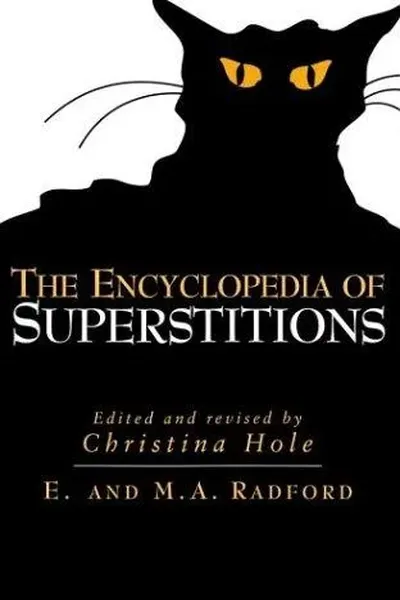
More Free Occult Philosophy Books
View all →