Enchantment
 74
74

Enchantment
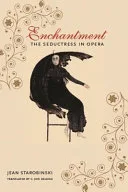
Starobinski’s "Enchantment" offers a focused, if somewhat specialized, lens on the operatic stage. The strength lies in its rigorous analysis of how specific characters, like the sorceress or the siren, are constructed through libretto and score to embody seductive power. For instance, the discussion of the psychological weight given to the innocent maiden who becomes a tool of malevolent enchantment is particularly astute. However, the book’s academic density may prove a barrier for casual readers. While the original blurb mentions opera's history, the focus remains tightly on the *figures* of seduction rather than a broad chronological survey. The limitation is its narrow scope; one wishes for more explicit connections to contemporary operatic productions or broader cultural critiques of seduction beyond the operatic realm.
"Enchantment" provides a precise, if exacting, study of operatic allure.
📝 Description
74
### What It Is Jean Starobinski's "Enchantment," first published in 2008, is a scholarly examination of the figures and dynamics of seduction as they have manifested throughout the history of opera. It moves beyond a simple plot summary to analyze the semiotics of allure, the psychological underpinnings of attraction, and the dramatic functions of seductive characters within operatic narratives.
### Who It's For This work is intended for academics, opera historians, musicologists, and advanced students of performance studies. It will also appeal to serious opera enthusiasts who seek a deeper understanding of the dramatic and psychological currents that shape operatic portrayals of desire and manipulation. Readers should possess a foundational knowledge of operatic history.
### Historical Context Published in 2008, "Enchantment" emerged at a time when performance studies and semiotics were increasingly applied to historical art forms. Starobinski's work engages with a tradition of critical analysis that began with early 20th-century formalists and continued through structuralist and post-structuralist approaches to opera, such as those explored by scholars like Carolyn Abbate. The book offers a nuanced perspective amidst ongoing scholarly debates about the representation of gender and power in opera.
### Key Concepts The book scrutinizes concepts such as the "femme fatale" archetype, the performance of innocence as a tool of manipulation, and the operatic staging of psychological conflict. It explores how musical and dramatic elements combine to create an atmosphere of enchantment, often for nefarious purposes, and how these portrayals reflect evolving societal views on desire and control.
💡 Why Read This Book?
• Understand the operatic archetype of the "femme fatale" by examining specific character constructions and their dramatic functions, as detailed in Starobinski's analysis of opera's seductive figures. • Gain insight into the semiotics of desire in performance, learning how musical and libretto elements are employed to create enchantment, a key concept explored throughout the book. • Appreciate the historical evolution of seduction portrayals in opera, by considering the specific context of the 2008 publication and its engagement with earlier performance studies.
⭐ Reader Reviews
Honest opinions from readers who have explored this book.
❓ Frequently Asked Questions
What specific operatic figures does Jean Starobinski examine in "Enchantment"?
Starobinski's "Enchantment" focuses on archetypes of seduction, such as the femme fatale and the siren, analyzing how these figures are dramatized and psychologically constructed within opera.
When was "Enchantment" by Jean Starobinski originally published?
The book "Enchantment" by Jean Starobinski was first published in 2008, placing its analysis within early 21st-century academic discourse on performance and opera.
Is "Enchantment" suitable for someone new to opera studies?
While insightful, "Enchantment" is best suited for readers with a foundational knowledge of opera history and theory. Its academic approach may be dense for absolute beginners.
What is the main academic discipline "Enchantment" contributes to?
The book significantly contributes to opera studies, performance studies, and the semiotics of art, offering a detailed look at the representation of seduction.
Does "Enchantment" discuss specific operas or composers?
The book examines figures and concepts across opera's history, likely referencing specific works and composers to illustrate its points on seduction, though its primary focus is on archetypes.
What is the core argument of Jean Starobinski's "Enchantment"?
The core argument of "Enchantment" is that figures of seduction play a crucial and complex role in operatic drama, reflecting and shaping societal views on desire and power.
🔮 Key Themes & Symbolism
The Operatic Femme Fatale
Starobinski's "Enchantment" dissects the enduring archetype of the femme fatale within opera. This theme explores how librettists and composers construct characters designed to ensnare, manipulate, and often destroy through allure. The analysis likely examines the visual, vocal, and dramatic elements that contribute to this potent figure, considering her function not just as a plot device but as a reflection of societal anxieties surrounding female power and sexuality. The book investigates the semiotics of her performance, from vocal coloratura to staged gestures, that signal danger cloaked in beauty.
Performance of Innocence
A counterpoint to overt seduction, this theme investigates how characters feign innocence to achieve manipulative ends. "Enchantment" likely scrutinizes instances where perceived purity becomes a weapon, disarming others before enacting a harmful agenda. This involves analyzing the dramatic irony inherent in such portrayals and how the operatic form amplifies the psychological tension between outward appearance and inner motive. It questions the ethics of staged vulnerability and its efficacy in dramatic narratives across opera's history.
The Semiotics of Allure
This theme delves into the symbolic language of attraction as employed in opera. Starobinski examines how musical motifs, staging conventions, costume design, and vocal techniques coalesce to represent enchantment and desire. It’s an exploration of how opera communicates the intangible forces of seduction, moving beyond literal representation to engage with psychological and emotional states. The book likely analyzes specific operatic passages and characterizations that exemplify the sophisticated use of these semiotic tools to create an atmosphere of compelling, often dangerous, fascination.
Psychological Dynamics of Desire
"Enchantment" probes the underlying psychological mechanisms driving attraction and obsession within operatic narratives. This theme considers the interplay between the seductive character and the seduced, exploring themes of power, vulnerability, and control. Starobinski's work likely analyzes how opera, through its heightened dramatic and musical language, provides a unique stage for exploring the complexities of human desire, its manifestations, and its often-destructive consequences. The focus is on the internal states and relational dynamics that underpin operatic plots centered on allure.
💬 Memorable Quotes
“Figures of seduction have appeared throughout opera's history.”
— This core assertion highlights the enduring presence and dramatic significance of characters who employ allure and manipulation, framing them as fundamental elements of operatic narrative and characterization across different eras.
“The analysis examines the semiotics of attraction within operatic contexts.”
— This points to a focus on the symbolic language and signs used in opera to convey desire and enchantment, suggesting a deep dive into how music, staging, and text combine to represent seductive dynamics.
“The psychological underpinnings of seductive characters are scrutinized.”
— This indicates that the book moves beyond surface-level plot analysis to explore the internal motivations, psychological complexities, and manipulative strategies employed by characters who embody seduction in opera.
“Opera provides a unique stage for exploring the dynamics of desire.”
— This suggests that the specific combination of music, drama, and visual elements in opera amplifies or uniquely expresses the psychological and emotional forces related to attraction and obsession.
“The femme fatale archetype is a recurring motif.”
— This identifies a key character type analyzed within the book, emphasizing its persistent presence and dramatic function in opera as a figure of dangerous, captivating allure.
🌙 Esoteric Significance
Tradition
While "Enchantment" is primarily an academic work on opera, its focus on seduction, manipulation, and the psychological construction of allure touches upon themes present in various esoteric traditions. The analysis of the "femme fatale" or siren figure, for instance, can be loosely aligned with archetypes explored in Gnosticism (e.g., Sophia's fall, seductive lower aeons) or certain interpretations of Kabbalistic texts dealing with the Qliphoth, representing shadow aspects or dangerous emanations. The book's dissection of enchantment as a force that can lead to downfall or delusion echoes cautionary tales found in many mystical paths regarding the perils of illusion and misplaced desire.
Symbolism
The book likely explores symbols associated with enchantment and seduction within opera. This could include the siren's call, representing irresistible but destructive allure; the serpent, symbolizing temptation and hidden danger, often associated with forbidden knowledge or desire; or the mask, signifying deception and the performance of a false persona to ensnare the unsuspecting. These symbols, frequently employed in esoteric traditions to denote spiritual trials or the deceptive nature of the material world, are analyzed here for their dramatic and psychological impact within the operatic narrative.
Modern Relevance
Contemporary thinkers and practitioners in fields like psychoanalysis, gender studies, and even certain branches of performance art continue to draw upon nuanced analyses of archetypal figures and their psychological impact. Starobinski's work on the operatic femme fatale, for example, provides a historical and artistic case study relevant to modern discussions on power dynamics, agency, and the representation of femininity in media. Scholars examining the continued influence of archetypal narratives in popular culture or the symbolic language of performance might find "Enchantment" a valuable resource for understanding how these themes have been articulated through a historically significant art form.
👥 Who Should Read This Book
• Opera scholars and musicologists seeking in-depth analysis of character archetypes and dramatic semiotics, particularly concerning figures of seduction. • Students of performance studies interested in how psychological dynamics and symbolic language are constructed and conveyed through operatic performance. • Enthusiasts of opera who wish to deepen their understanding of the historical and psychological layers behind recurring seductive characters and their impact on narrative.
📜 Historical Context
Jean Starobinski's "Enchantment," published in 2008, arrived in a scholarly landscape increasingly attentive to the semiotics of performance and the psychological dimensions of art. The book engages with a long tradition of opera criticism that grappled with character archetypes and dramatic function, building upon the work of figures like Adorno, who critically examined opera's role in society. While Starobinski focuses on seduction, his approach can be seen as a specific application of broader trends in performance studies that gained traction in the late 20th century. The intellectual currents of post-structuralism and psychoanalytic theory, which explored the complexities of desire and power, undoubtedly informed his analysis. "Enchantment" offered a particularized study amidst ongoing scholarly debates about gender representation in opera, a topic frequently revisited by scholars like Susan McClary, who challenged traditional interpretations of opera's power structures.
📔 Journal Prompts
The operatic femme fatale: Analyze her dramatic function and psychological construction.
The semiotics of allure: How does opera visually and aurally represent enchantment?
Consider a character's feigned innocence and its impact on the narrative.
The psychological underpinnings of desire: How are they staged in opera?
Reflect on the opera's use of archetypes of seduction.
🗂️ Glossary
Femme Fatale
A stock character of a mysterious and seductive woman whose charms ensnare her lovers, often leading them into compromising, dangerous, or fatal situations.
Semiotics
The study of signs and symbols and their interpretation, particularly how meaning is created and communicated through various systems, such as language, images, and performance.
Archetype
A recurring symbol, character, or pattern of imagery that is universally understood, often representing fundamental human experiences or motivations.
Libretto
The text of an opera or other long musical work, including the words sung by the characters and stage directions.
Siren
In mythology and literature, a creature (often female) whose enchanting song lures sailors to their doom; metaphorically, a dangerously alluring woman.
Enchantment
The state of being under a spell or charmed; a feeling of great pleasure or delight, often associated with an alluring or magical quality.
Psychological Underpinnings
The fundamental mental and emotional factors or motivations that explain a person's behavior or a character's actions and complexities.



















![The 70 Best Tales of Edgar Allan Poe [69 stories]](/img/thumb/the-70-best-tales-of-edgar-allan-poe-69-stories-edgar-allan-poe-523054.webp)
