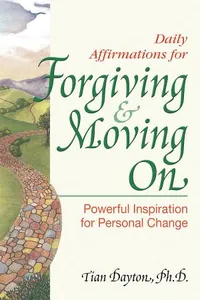
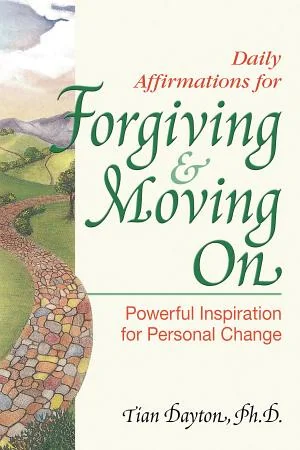
Daily Affirmations for Forgiving and Moving On
 83
83

Daily Affirmations for Forgiving and Moving On
Tian Dayton’s "Daily Affirmations for Forgiving and Moving On" offers a practical, albeit somewhat earnest, framework for disentangling oneself from the corrosive effects of unforgiveness. The book’s strength lies in its directness; it doesn’t shy away from the difficulty of the process, instead providing a series of concrete affirmations and exercises. The concept of "emotional residue" is particularly effective, offering a tangible metaphor for the psychic weight of unresolved conflict. However, the relentless positivity can sometimes feel prescriptive, potentially overlooking the complex layers of trauma that might require more nuanced therapeutic intervention than a daily affirmation can address. A passage discussing the re-scripting of negative self-talk, while well-intentioned, might feel insufficient for those grappling with deeply ingrained patterns. Dayton's work is a useful tool for initiating the process of letting go, but should be seen as a complement to, rather than a replacement for, deeper psychological work when needed.
📝 Description
83
### What It Is Daily Affirmations for Forgiving and Moving On presents a structured approach to emotional release and personal growth, offering guided practices designed to help individuals confront and overcome lingering resentments and hurts. It functions as a self-guided workbook, providing a series of actionable steps and reflective exercises. The book emphasizes the psychological and spiritual benefits of letting go, framing forgiveness not as an act of condoning but as a necessary process for reclaiming one's own peace and forward momentum.
### Who It's For This text is intended for individuals actively seeking to process past grievances, whether stemming from personal relationships, professional setbacks, or broader life disappointments. It appeals to those who feel held back by anger, bitterness, or a sense of injustice and are ready to engage in dedicated self-work. Readers who benefit most are those open to introspective practices and willing to commit to daily exercises, seeking practical tools rather than purely theoretical exploration. It is suitable for those familiar with self-help genres or those new to the concept of intentional emotional healing.
### Historical Context Published in 1992, Tian Dayton's work emerged during a period of burgeoning interest in practical psychology and alternative healing modalities. The early 1990s saw a growing cultural acceptance of self-help literature, moving beyond purely academic or clinical contexts into mainstream accessibility. This book arrived alongside a broader shift towards mindfulness, cognitive behavioral principles adapted for personal use, and therapeutic approaches that emphasized personal agency. It taps into the zeitgeist that was beginning to value emotional intelligence and the proactive management of mental well-being, contrasting with earlier, more stoic cultural attitudes toward emotional burdens. The foundational concepts of forgiveness as a tool for self-liberation were being popularized by figures like Louise Hay and others in the New Age movement.
### Key Concepts The central tenet is that forgiveness is a deliberate, actionable process, not merely an emotional state. The book introduces the concept of "emotional residue" – the lingering energetic imprint of past hurts that can impede present-day functioning. It advocates for "re-scripting" negative thought patterns associated with these hurts, replacing them with positive affirmations that foster healing. Another core idea is the "self-forgiveness" component, acknowledging that individuals may also need to release guilt or self-recrimination for past actions or inactions. The practice of "energetic release" is also explored, suggesting techniques to symbolically or mentally detach from the source of pain.
💡 Why Read This Book?
• Learn actionable techniques for processing "emotional residue," a concept introduced by Dayton, enabling you to identify and actively dismantle the lingering effects of past hurts. • Discover methods for "re-scripting" negative thought patterns, as detailed in the book’s exercises, to replace destructive narratives with empowering beliefs. • Gain practical strategies for "self-forgiveness," a key theme, allowing you to release guilt and self-recrimination, essential steps for genuine forward movement.
⭐ Reader Reviews
Honest opinions from readers who have explored this book.
❓ Frequently Asked Questions
What is the core philosophy behind Tian Dayton's approach to forgiveness?
The core philosophy centers on forgiveness as an active, deliberate process essential for personal liberation. Dayton emphasizes that it's about releasing oneself from the burden of resentment, thereby reclaiming emotional and spiritual energy, rather than condoning past actions.
When was Daily Affirmations for Forgiving and Moving On first published?
The book was first published in 1992, placing it within the early wave of popular self-help literature focused on emotional healing and personal growth.
What are "emotional residues" as described in the book?
Emotional residues are the lingering energetic imprints of past hurts, resentments, or traumas that continue to affect an individual's present emotional state and behavior, hindering their ability to move forward.
Does the book offer specific exercises for dealing with anger?
Yes, the book provides daily affirmations and guided reflection exercises designed to help readers confront and process feelings of anger and bitterness, aiming to transform these emotions into a catalyst for healing.
Is this book suitable for someone who has experienced significant trauma?
While offering valuable tools for processing hurt, individuals with significant trauma may find this book a helpful starting point or supplementary resource. Deeper therapeutic support may be advisable for complex trauma.
What is the concept of "re-scripting" in this context?
Re-scripting involves actively changing the narrative or internal dialogue associated with past negative experiences. It's about consciously replacing harmful, self-defeating thoughts with constructive and affirming ones to foster healing.
🔮 Key Themes & Symbolism
The Art of Release
This theme explores the active process of letting go, moving beyond the passive hope that pain will simply fade. It frames forgiveness as a deliberate act of self-liberation, akin to shedding a heavy burden. The work details methods for identifying what needs to be released, whether it's anger towards another person, disappointment with life circumstances, or even self-criticism. This process is presented not as an endpoint but as a continuous practice for maintaining emotional equilibrium and personal freedom.
Emotional Residue
Dayton introduces the concept of 'emotional residue' as the persistent energetic imprint left by past hurts. These residues, if unaddressed, can cloud present perceptions and influence future reactions, creating cycles of negativity. The book provides techniques to recognize and cleanse these lingering emotional energies. It suggests that by consciously working with these residues, individuals can prevent them from dictating their emotional landscape and begin to cultivate a lighter, more present-focused state of being.
Re-scripting Narratives
A significant aspect of the book involves actively re-writing the internal stories associated with painful memories. This theme focuses on challenging and transforming negative self-talk and victim narratives that perpetuate suffering. Through specific affirmation exercises, readers are guided to create new, empowering mental scripts. The goal is to shift from a perspective of helplessness to one of agency, thereby altering the emotional impact of past events and fostering a more positive outlook.
Self-Forgiveness
Beyond forgiving external figures or situations, the work places considerable emphasis on the practice of self-forgiveness. This theme acknowledges that individuals often carry guilt or shame for past actions, perceived failures, or aspects of their own character. The book offers pathways to accept oneself, acknowledge imperfections without self-condemnation, and release the burden of self-recrimination. This internal reconciliation is presented as a crucial step for holistic healing and moving forward with self-compassion.
💬 Memorable Quotes
“Forgiveness is not about condoning what happened; it is about reclaiming your own peace.”
— This statement clarifies the pragmatic purpose of forgiveness as presented in the book. It reframes forgiveness as a self-serving act of liberation, emphasizing that its primary benefit accrues to the forgiver by freeing them from the negative psychological burden of resentment.
“The emotional residue of past hurts can cloud our present perception.”
— This highlights the central concept of 'emotional residue,' likening unresolved pain to a form of psychic pollution. It suggests that past negative experiences, if not processed, continue to subtly influence how we interpret current events and interact with the world.
“We can choose to re-script the story we tell ourselves about our pain.”
— This captures the essence of the 're-scripting' technique. It empowers the reader by asserting their agency in reframing past experiences, suggesting that changing the narrative can alter the emotional power these memories hold over them.
“Letting go requires active participation, not passive waiting.”
— This emphasizes the book's call to action. It posits that moving on from pain is not a passive process but one that demands conscious effort, engagement with specific practices, and a commitment to personal transformation.
“Self-forgiveness is often the hardest, yet most crucial, step.”
— This points to the significant challenge and importance of forgiving oneself. It suggests that overcoming self-judgment and guilt is paramount for complete healing, often proving more difficult than forgiving others.
🌙 Esoteric Significance
Tradition
While not strictly aligned with a single esoteric lineage, "Daily Affirmations for Forgiving and Moving On" draws heavily from principles found in New Thought and general Western esoteric psychology. It shares common ground with traditions that emphasize the power of the mind, the law of attraction, and the concept of energetic healing. The focus on internal transformation through mental discipline and affirmation aligns with Hermetic principles like "As above, so below" applied to the inner world. It departs from more ritualistic or complex metaphysical systems by offering straightforward, actionable psychological techniques framed within a spiritual context.
Symbolism
The book's symbolism is largely conceptual rather than visual. The core "symbol" is the "emotional residue" itself, representing the lingering energetic imprint of past hurts, much like a psychic scar. The act of "re-scripting" can be seen as a symbolic act of rewriting one's personal mythos or inner narrative. Affirmations themselves function symbolically, acting as potent verbal talismans designed to reprogram the subconscious mind and shift energetic frequencies towards healing and peace.
Modern Relevance
Contemporary practices in mindfulness, cognitive behavioral therapy (CBT), and even certain aspects of positive psychology echo the principles found in Dayton's work. Therapists and coaches often utilize guided imagery and affirmation techniques similar to those described. The emphasis on self-compassion and emotional regulation is highly relevant today, with many modern wellness influencers and mental health advocates promoting similar concepts for building resilience and fostering well-being in a fast-paced world.
👥 Who Should Read This Book
• Individuals feeling stuck by past grievances: Those who recognize that resentment is hindering their present happiness and seek practical steps to break free. • Beginners in self-help and emotional healing: Readers new to introspective practices who want a structured, step-by-step guide to processing difficult emotions. • Those seeking self-empowerment tools: Individuals looking to actively manage their emotional states and cultivate a more positive internal dialogue through conscious affirmation.
📜 Historical Context
Tian Dayton's "Daily Affirmations for Forgiving and Moving On," first published in 1992, emerged during a fertile period for popular psychology and New Age thought. The early 1990s witnessed a significant cultural embrace of self-help literature, fueled by a growing awareness of mental wellness and personal development. This era saw figures like Louise Hay and Marianne Williamson popularizing affirmations and spiritual approaches to healing. Dayton’s work fits within this milieu, offering practical, accessible tools for emotional release that contrasted with more clinical, psychoanalytic approaches prevalent in earlier decades. While not explicitly tied to a specific academic movement, the book reflects the broader cultural current that sought to empower individuals to take charge of their emotional lives. Its reception was likely part of the increasing demand for accessible psychological resources, aligning with a societal shift towards valuing emotional intelligence and self-care, moving away from the more stoic attitudes of previous generations.
📔 Journal Prompts
Reflect on the "emotional residue" of a specific past hurt.
Identify a narrative you "re-script" regarding a past mistake.
List three specific affirmations for self-forgiveness.
Consider the peace gained by actively choosing to let go.
What is one action you can take today to release resentment?
🗂️ Glossary
Emotional Residue
The lingering energetic or psychological imprint left by past painful experiences, which can unconsciously affect present emotions and behaviors.
Re-scripting
The process of consciously changing negative or unhelpful internal narratives and thought patterns associated with past events into more positive and empowering ones.
Affirmation
A positive statement or declaration, often repeated, designed to challenge and overcome self-sabotaging and negative thoughts, and to encourage positive changes in one's life.
Self-Forgiveness
The act of releasing oneself from guilt, shame, or self-condemnation for past actions, perceived failings, or personal characteristics.
Energetic Release
A concept suggesting techniques to mentally or symbolically detach from the negative energy associated with painful memories or relationships.
Moving On
The process of successfully overcoming past difficulties, hurts, or limitations to embrace a healthier and more fulfilling present and future.
Resentment
A bitter indignation or ill will felt as a result of a perceived past wrong or injury.