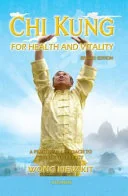
Chi Kung for Health and Vitality
 74
74

Chi Kung for Health and Vitality
Grandmaster Wong Kiew Kit's "Chi Kung for Health and Vitality" presents a refreshingly direct approach to a practice often shrouded in mystique. The book's strength lies in its clarity; it demystifies chi kung, making its energy-cultivating techniques feel achievable for the average person. Wong's emphasis on creating a personalized fitness program is particularly commendable, moving beyond rote instruction to empower the reader. A notable passage discusses the integration of chi kung with sexual vitality, a topic rarely addressed with such practical insight in Western wellness literature. However, the book could benefit from more detailed discussions on the theoretical underpinnings of chi, perhaps referencing classical texts or specific physiological explanations beyond general energy flow. Despite this, it offers a solid foundation for anyone seeking tangible health improvements through energetic exercise. It’s a useful primer for cultivating personal energy.
📝 Description
74
### What Chi Kung Is
This volume offers a practical introduction to the ancient Chinese art of cultivating life force, or 'chi'. It breaks down complex energy-work into accessible techniques suitable for everyday practice. The focus is on developing a personalized fitness regimen that integrates mind and body, moving beyond mere physical exercise to encompass energetic conditioning.
### Who Benefits from This Practice
The book is designed for a broad audience, from complete novices to experienced practitioners of energy arts. It specifically addresses individuals seeking to enhance their physical and mental well-being, those interested in improving sexual vitality, and anyone looking for effective methods to reduce stress and bolster their immune system. It's for people aiming for holistic health.
### Historical Roots of Chi Kung
Chi kung's lineage traces back thousands of years in China, evolving from ancient Daoist and Buddhist practices aimed at harmonizing the body's energy with the natural world. It was developed as a system for health, longevity, and spiritual cultivation. Grandmaster Wong Kiew Kit, the author, is internationally recognized for his extensive knowledge and transmission of these traditional arts, making this book a modern conduit for ancient wisdom.
### Core Principles Explained
At its heart, chi kung involves specific postures, breathing patterns, and mental focus to direct and amplify vital energy. The work explores how these elements interact to improve circulation, calm the nervous system, and increase overall resilience. It emphasizes the synergistic relationship between physical health, emotional balance, and mental clarity, presenting a unified approach to well-being.
💡 Why Read This Book?
• Learn to plan your own chi kung fitness program, as demonstrated by Grandmaster Wong Kiew Kit, allowing for personalized health cultivation beyond generic exercise routines. • Discover practical methods to enhance sexual vitality and decrease stress, directly addressing key areas of well-being often overlooked in conventional fitness guides. • Gain an accessible understanding of energy-cultivating techniques rooted in ancient Chinese traditions, providing a unique perspective on mind-body health from a recognized master.
⭐ Reader Reviews
Honest opinions from readers who have explored this book.
❓ Frequently Asked Questions
What is the earliest known origin of Chi Kung practices?
Chi Kung practices trace their origins back thousands of years in China, evolving from ancient Daoist and Buddhist traditions aimed at harmonizing the body's vital energy with the natural world.
Can beginners easily follow the exercises in 'Chi Kung for Health and Vitality'?
Yes, the book is designed to be clear and easy-to-follow, making it equally enjoyable for beginners and experienced practitioners alike, according to its original blurb.
How does Grandmaster Wong Kiew Kit's approach differ from other Chi Kung books?
Grandmaster Wong Kiew Kit's approach emphasizes creating a personalized fitness program around unique exercise sequences, encouraging readers to integrate these techniques into their daily lives for holistic health benefits.
What specific health benefits does the book claim Chi Kung can provide?
The book suggests benefits such as enhanced mind and body fitness, increased vitality for a healthy sex life, decreased stress levels, and prevention or combatting of illness.
Is this book suitable for individuals looking to improve their mental well-being?
Absolutely. The techniques presented are aimed at enhancing mind and body fitness, which inherently includes improving mental clarity, reducing stress, and fostering a greater sense of balance.
When was 'Chi Kung for Health and Vitality' first published?
The book 'Chi Kung for Health and Vitality' by Wong Kiew Kit was first published on December 22, 2014.
🔮 Key Themes & Symbolism
Vitality Cultivation
The core of the work revolves around actively cultivating vital life force, or 'chi'. It moves beyond passive notions of health to active energy enhancement. Wong Kiew Kit details specific methods, including breathing exercises and gentle movements, designed to increase stamina, resilience, and overall vigor. This theme stresses that vitality is not merely an absence of illness but a dynamic state of energetic abundance, crucial for both physical and sexual health, as well as mental fortitude.
Mind-Body Integration
This theme underscores the inseparable connection between mental states and physical well-being. The book presents chi kung as a practice that harmonizes these two aspects through focused intention and mindful movement. By synchronizing breath, posture, and awareness, practitioners learn to reduce stress, enhance cognitive function, and achieve a profound sense of inner peace. It illustrates how mental discipline directly influences physical energy and vice versa, fostering holistic health.
Personalized Health Regimen
A significant aspect of the book is its encouragement for readers to develop their own tailored fitness programs using the provided chi kung sequences. Rather than offering a one-size-fits-all solution, it empowers individuals to adapt the techniques to their specific needs and lifestyle. This approach fosters self-reliance and a deeper engagement with the practice, promoting sustainable health habits and long-term well-being.
Stress Reduction and Resilience
The book positions chi kung as a potent tool for managing the pressures of modern life. Through its energy-balancing techniques, practitioners can learn to mitigate the detrimental effects of stress on both the body and mind. By cultivating a stronger energetic foundation, individuals become more resilient to external challenges, improving their capacity to cope with daily demands and preventing illness linked to chronic stress.
💬 Memorable Quotes
“Enhance Mind & Body Fitness”
— This phrase encapsulates the book's promise: chi kung is presented not just as physical exercise but as a holistic method for improving both mental acuity and bodily health simultaneously.
“Develop Vitality for a Healthy Sex Life”
— This highlights a specific, often overlooked benefit of chi kung—its capacity to boost sexual energy and function by increasing overall life force and physical well-being.
“Decrease Stress”
— This points to chi kung's effectiveness as an antidote to modern-day stressors, suggesting the practice can calm the nervous system and promote emotional equilibrium.
“Prevent and Combat Illness”
— This emphasizes the proactive and restorative potential of chi kung, framing it as a means to bolster the immune system and enhance the body's natural healing capabilities.
“equally enjoyable for beginners and practitioners alike”
— This suggests the book's accessibility, indicating that the presented techniques are sophisticated enough for seasoned practitioners while remaining clear and engaging for those new to chi kung.
🌙 Esoteric Significance
Tradition
This work is firmly rooted in the Daoist and Buddhist traditions of China, which form the bedrock of traditional Chinese medicine and internal alchemy. Chi kung, as presented here, is a practical application of these traditions, focusing on the cultivation and circulation of 'qi' (vital energy). While not strictly Hermetic or Kabbalistic, it shares with these Western esoteric systems a fundamental concern with the body as a vessel for cosmic energy and a vehicle for spiritual development.
Symbolism
The primary 'symbol' in chi kung is 'qi' itself—the invisible life force that animates all existence. The practice uses symbolic actions, like specific postures and breathing techniques, to interact with and direct this energy. Another motif is the concept of 'emptiness' or 'stillness' (Wu Wei in Daoism), which is cultivated through meditation and focused movement, representing a state of profound inner calm and receptivity from which true power flows.
Modern Relevance
Contemporary practices in mindfulness, somatic therapy, and even certain forms of energy healing draw parallels to the principles espoused in chi kung. Thinkers and practitioners exploring embodied cognition, trauma-informed care, and holistic wellness often find resonance with the integrated approach to mind, body, and spirit that chi kung represents. Schools like the Shaolin Wahnam Institute, founded by Wong Kiew Kit, continue to teach these arts, ensuring their relevance for modern seekers of health and self-mastery.
👥 Who Should Read This Book
• Individuals seeking to actively improve their physical health and energy levels through accessible, ancient practices. They will gain practical exercises for daily life. • Those interested in stress reduction and mental well-being who are looking for methods beyond conventional relaxation techniques. They will learn to harmonize their inner state. • Practitioners of other martial arts or energy work who wish to deepen their understanding and application of internal cultivation. They will find a clear framework for developing vital force.
📜 Historical Context
Published in 2014, "Chi Kung for Health and Vitality" emerged during a period of increasing global interest in complementary and alternative medicine, particularly practices originating from Eastern traditions. While the West had seen waves of interest in disciplines like yoga and Tai Chi since the mid-20th century, dedicated, accessible guides to chi kung, especially those from internationally recognized masters like Wong Kiew Kit, were still finding their audience. The book arrived as Western wellness culture was beginning to explore mind-body connections more deeply, moving beyond simple fitness to encompass stress management and energetic health. It stands in contrast to more rigid, medically-focused approaches to health, offering a holistic alternative rooted in ancient Chinese philosophy and practice. Its publication predates the widespread digital dissemination of such practices, making it a valuable physical resource for its time.
📔 Journal Prompts
Reflect on the concept of 'vitality' as described in the book and how it applies to your current energy levels.
Consider the 'mind & body fitness' enhancements mentioned and identify one specific area you wish to improve.
Analyze the 'energy-cultivating techniques' and plan how to integrate one into your daily routine.
Explore the idea of 'decreasing stress' through chi kung and how this might impact your emotional state.
Evaluate the potential of 'preventing and combating illness' by developing your personal fitness program.
🗂️ Glossary
Chi Kung (or Qigong)
An ancient Chinese system of coordinated body posture, movement, breathing, and meditation used for health, spirituality, and martial arts training. It aims to cultivate and balance the body's vital life force, known as 'chi'.
Chi (Qi)
The fundamental concept of vital life force or energy that flows through all living things according to traditional Chinese philosophy and medicine. Its free and balanced flow is considered essential for health and well-being.
Vitality
The state of being strong, active, and energetic. In the context of chi kung, it refers to a high level of life force and overall physical and mental vigor.
Energy-Cultivating Techniques
Methods and exercises within chi kung designed to increase, refine, and direct the body's vital energy (chi). This often involves specific movements, breathing patterns, and mental focus.
Mind & Body Fitness
A holistic approach to well-being that emphasizes the interconnectedness of mental and physical health. Chi kung practices are presented as a means to achieve this integrated fitness.
Stress Reduction
The process of using techniques to lessen the impact of stressors on the body and mind. Chi kung is shown as a method for achieving this through energetic balancing and mental calm.
Personalized Fitness Program
A health or exercise plan tailored to an individual's specific needs, goals, and lifestyle. The book encourages readers to create their own chi kung routine.