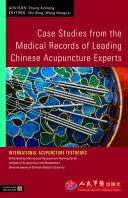
Case Studies from the Medical Records of Leading Chinese Acupuncture Experts
 74
74

Case Studies from the Medical Records of Leading Chinese Acupuncture Experts
The value of 'Case Studies from the Medical Records of Leading Chinese Acupuncture Experts' lies in its unvarnished presentation of clinical practice. Unlike theoretical texts, this book offers a direct window into the diagnostic and therapeutic decisions made by experienced acupuncturists. The sheer volume of varied cases, meticulously documented, provides a robust dataset for anyone studying the practical application of acupuncture. A particular strength is the detailed citation of specific acupuncture points and their rationale, as seen in the treatment protocols for complex internal medicine conditions. However, the book's primary limitation is its density; the case-by-case format, while comprehensive, can feel overwhelming without a strong foundational understanding of TCM theory. It demands careful study rather than casual perusal. Ultimately, it functions as a dense, invaluable reference for dedicated practitioners and serious students.
📝 Description
74
### What It Is This volume compiles diagnostic and treatment records from leading practitioners of Traditional Chinese Medicine (TCM), focusing specifically on acupuncture. It presents actual patient histories, detailing their conditions, the acupuncture points selected, and the observed outcomes. The work is edited by Zhu Bing and Wang Hongcai, prominent figures in contemporary Chinese acupuncture, aiming to serve as a practical resource.
### Who It's For The book is intended for a professional audience within the field of acupuncture and TCM. This includes seasoned practitioners seeking to expand their diagnostic repertoire and treatment strategies, as well as students looking for real-world examples to supplement their theoretical studies. Clinicians interested in comparative medicine or the application of acupuncture in diverse medical contexts may also find value.
### Historical Context Published in 2010, this collection emerges from a period of significant global interest in and integration of Traditional Chinese Medicine. As TCM gained wider acceptance and study in the West, the need for authentic, case-based documentation from its country of origin became increasingly apparent. This book fulfills that need by providing direct evidence of established clinical practices.
### Key Concepts The case studies illustrate core TCM principles such as the diagnosis of 'patterns of disharmony' rather than isolated symptoms. They demonstrate the application of specific acupuncture meridians and points, often in combination, to address complex conditions. The emphasis is on empirical results derived from a long-standing theoretical framework, showcasing the practical efficacy of acupuncture.
💡 Why Read This Book?
• Gain direct insight into diagnostic reasoning by Chinese acupuncture experts, as demonstrated in the specific patient case studies presented. This offers a practical understanding of pattern differentiation beyond textbook theory. • Learn specific point prescriptions and meridian combinations used for diverse ailments, as detailed in the treatment sections for conditions like chronic pain or digestive disorders, enhancing your clinical toolkit. • Understand the empirical application of TCM theory in real-world settings, as evidenced by the outcomes documented from treatments overseen by editors Zhu Bing and Wang Hongcai.
⭐ Reader Reviews
Honest opinions from readers who have explored this book.
❓ Frequently Asked Questions
What is the primary focus of 'Case Studies from the Medical Records of Leading Chinese Acupuncture Experts'?
The book focuses on presenting real patient case studies treated by prominent acupuncture practitioners in China. It details diagnostic methods, chosen acupuncture points, and treatment outcomes, serving as a practical reference for practitioners and students.
Who are the main editors of this acupuncture case study collection?
The leading Chinese clinicians Zhu Bing and Wang Hongcai served as the editorial directors for this compilation of medical records. Their involvement ensures the authenticity and expertise behind the presented cases.
When was this compilation of acupuncture case studies first published?
This collection of medical records was first published on November 15, 2010. This places it within a period of growing global interest in Traditional Chinese Medicine.
What level of practitioner is this book best suited for?
The book is designed as a useful reference for acupuncture practitioners and students at all levels, from beginners seeking practical examples to advanced clinicians looking for diverse case management strategies.
Does the book explain the theoretical underpinnings of the acupuncture treatments presented?
While the primary focus is on case records and outcomes, the selection and rationale for acupuncture points often implicitly reflect underlying Traditional Chinese Medicine theory, particularly concerning meridian pathways and diagnostic patterns.
What kind of conditions are covered in the case studies?
The case studies cover a broad spectrum of conditions treated by acupuncture, reflecting the comprehensive application of this modality within Traditional Chinese Medicine. Specific examples would depend on the individual cases documented.
🔮 Key Themes & Symbolism
Empirical Case Documentation
The core of this work is its direct presentation of patient records, eschewing abstract theory for concrete clinical scenarios. Each case serves as an empirical anchor, demonstrating how established acupuncture principles are applied to diverse health issues. The meticulous detail in recording symptoms, diagnoses, and treatment responses offers a factual basis for understanding the efficacy and nuances of acupuncture in practice, as observed by experts like Zhu Bing and Wang Hongcai.
Diagnostic Pattern Differentiation
Central to the case studies is the concept of diagnosing 'patterns of disharmony' rather than isolated diseases. The book illustrates how practitioners identify these patterns based on a patient's unique presentation, guiding the selection of specific acupuncture points and meridians. This approach highlights the holistic diagnostic framework of Traditional Chinese Medicine, emphasizing the interconnectedness of bodily functions and the individualized nature of treatment.
Meridian and Point Selection
The case studies provide practical examples of meridian and acupuncture point selection. Readers can observe how specific points are chosen and combined based on diagnostic patterns and therapeutic goals. This offers a valuable resource for understanding the strategic application of acupuncture, moving beyond rote memorization of point functions to a more integrated clinical approach informed by real patient interactions.
Practical Application of TCM Theory
This book bridges the gap between theoretical knowledge of Traditional Chinese Medicine and its actual clinical implementation. The case records serve as tangible evidence of how theoretical concepts, such as Qi flow, Yin-Yang balance, and Five Element interactions, are translated into actionable treatment strategies by experienced acupuncturists. It underscores the pragmatic, results-oriented nature of TCM.
💬 Memorable Quotes
“The book presents a collection of real case studies of patients who have been treated by prominent acupuncture practitioners in China.”
— This statement underscores the book's primary function: to offer concrete, empirical evidence of acupuncture's application. It signals a departure from theoretical discourse towards practical, verifiable clinical examples.
“Compiled by leading experts, under the editorial direction of leading Chinese clinicians Zhu Bing and Wang Hongcai...”
— This highlights the authoritative nature of the content. The involvement of recognized experts like Zhu Bing and Wang Hongcai lends significant credibility to the case studies and treatment protocols presented.
“...this book is a useful reference for acupuncture practitioners and students at all levels.”
— This emphasizes the intended audience and the practical utility of the compilation. It suggests the content is accessible and beneficial for both those new to the field and seasoned professionals.
“Case records detailing diagnostic rationale and point selection.”
— This paraphrased concept points to the core methodology presented. It suggests that the book goes beyond simply listing treatments to explain the underlying reasoning and strategic choices made by the acupuncturists.
“Observed patient outcomes following acupuncture treatment.”
— This highlights the results-oriented nature of the case studies. It signifies that the book focuses on the tangible effects and efficacy of the acupuncture interventions described.
🌙 Esoteric Significance
Tradition
While primarily a clinical text rooted in Traditional Chinese Medicine (TCM), acupuncture itself can be viewed through an esoteric lens, particularly concerning the concept of Qi and the energetic pathways (meridians). Within broader esoteric traditions like Hermeticism or even certain streams of Western occultism, the manipulation of subtle energies for healing is a recurring theme. This book, by detailing the precise application of needle techniques to influence these energetic flows, offers a practical, empirical manifestation of principles that other traditions explore more symbolically or metaphysically.
Symbolism
The acupuncture points themselves can be seen as symbolic gateways within the body's energetic map. For example, the point 'Neiguan' (P6) on the pericardium meridian is often used for emotional and digestive disturbances, symbolizing a point of internal connection and regulation. The concept of the meridians as invisible rivers of Qi flowing through the body represents the unseen forces that connect and animate the physical form, a concept echoed in esoteric ideas of subtle bodies and energy grids.
Modern Relevance
Contemporary practitioners of integrative medicine, energy healing modalities, and even those exploring psychosomatic connections often draw upon the empirical data and clinical methodologies found in works like this. Thinkers and practitioners who bridge Eastern and Western medical philosophies, or those seeking to understand the energetic underpinnings of health beyond purely biochemical models, find invaluable reference material here. It informs modern research into acupuncture's efficacy and its potential role in holistic wellness paradigms.
👥 Who Should Read This Book
• Acupuncture practitioners seeking to deepen their understanding of complex case management and refine their point selection strategies based on real-world outcomes. • Students of Traditional Chinese Medicine looking for practical examples to supplement theoretical coursework and gain exposure to diverse clinical applications. • Healthcare professionals interested in comparative medicine and the empirical evidence supporting the efficacy of acupuncture as a therapeutic modality.
📜 Historical Context
Published in 2010, 'Case Studies from the Medical Records of Leading Chinese Acupuncture Experts' emerged during a period of intense global engagement with Traditional Chinese Medicine (TCM). Following decades of increasing recognition, particularly after initiatives like the WHO's Traditional Medicine Strategy launched in 2000, there was a growing demand for authentic clinical documentation from China. This book directly addressed that need, providing a repository of practical knowledge from a lineage that traces its roots back millennia. It stands in contrast to purely theoretical texts that were more common in Western TCM education at the time. The editorial direction by Zhu Bing and Wang Hongcai, prominent figures in contemporary Chinese acupuncture, ensured the collection reflected current, expert-level practice. Its publication offered a counterpoint to Western biomedical approaches, presenting a robust dataset of empirical results derived from established TCM principles.
📔 Journal Prompts
The diagnostic approach to 'patterns of disharmony' as presented in the case studies.
Specific acupuncture point combinations and their therapeutic rationale.
Observed patient outcomes and their correlation with treatment strategies.
The role of individual patient constitution in treatment planning.
Comparison of treatment approaches for similar conditions across different cases.
🗂️ Glossary
Qi (Chi)
The fundamental concept in TCM representing vital life force or energy that flows through the body, animating it and maintaining health. Blockages or imbalances in Qi flow are seen as the cause of illness.
Meridians
Specific pathways or channels within the body through which Qi circulates. Acupuncture points are located along these meridians, and stimulating them is believed to influence the flow of Qi.
Pattern of Disharmony
A diagnostic concept in TCM that describes a unique constellation of signs and symptoms reflecting an underlying imbalance of Qi, Yin, Yang, or the Zang-Fu organs, rather than a Western disease label.
Acupuncture Points
Specific locations on the body, typically along meridians, that can be stimulated (e.g., with needles) to regulate the flow of Qi and blood, thereby treating illness and promoting health.
Zhu Bing
One of the leading Chinese clinicians and editors of this book, representing expertise in contemporary acupuncture practice within the framework of Traditional Chinese Medicine.
Wang Hongcai
A prominent Chinese clinician and co-editor of the book, contributing to the compilation of expert-level case studies in acupuncture.
TCM
Abbreviation for Traditional Chinese Medicine, a holistic system of healthcare originating in China that includes acupuncture, herbal medicine, dietetics, and Qigong.