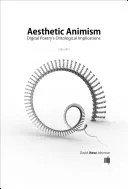
Aesthetic Animism
 77
77

Aesthetic Animism
Johnston's "Aesthetic Animism" offers a compelling framework for understanding poetry in the digital age, moving beyond superficial analyses of screen-based texts. He effectively argues that digital media are not merely neutral vessels but active participants in shaping poetic meaning and our perception of existence itself. The concept of "aesthetic animism" is particularly potent, suggesting a re-enchantment of the digital world through artistic engagement. However, the book's dense theoretical language can occasionally obscure its core arguments, demanding considerable engagement from the reader. A passage discussing the "ontological implications of the screen" serves as a strong example of the work's ambition, though it requires careful unpacking.
Ultimately, "Aesthetic Animism" provides a vital lens for contemporary poetic inquiry.
📝 Description
77
### What It Is Aesthetic Animism, by David Jhave Johnston, published in 2016, investigates the ontological implications of digital poetry. It proposes a poetics for the digital era, bridging contemporary digital forms with the traditional poetic concerns of being and existence.
### Who It's For This work is for poets, digital artists, literary theorists, and anyone interested in the intersection of technology, language, and consciousness. It appeals to those who ponder how new media shape our understanding of reality and selfhood.
### Historical Context Emerging in the mid-2010s, a period marked by the rapid proliferation of digital media and its influence on artistic expression, Johnston's book engages with critical thought on digital poetics. It responds to and expands upon discussions prevalent in academic circles concerning electronic literature and its philosophical underpinnings, offering a counterpoint to purely formalist analyses.
### Key Concepts The book examines how digital technologies alter poetic practice and perception. It explores concepts like "aesthetic animism," where digital artifacts and processes are imbued with a sense of agency or spirit, and "poetics of being," connecting the digital experience to fundamental questions of existence.
💡 Why Read This Book?
• Gain a new vocabulary for analyzing digital poetry, understanding concepts like "aesthetic animism" that reframe our relationship with technology. • Explore the philosophical underpinnings of digital creation, connecting the digital era's unique forms to traditional poetic concerns about being, as discussed in the book's 2016 publication. • Discover how technological vectors, as examined by Johnston, can reshape our perception of language and existence, offering a distinct perspective absent in purely print-focused literary studies.
⭐ Reader Reviews
Honest opinions from readers who have explored this book.
❓ Frequently Asked Questions
What is the core argument of Aesthetic Animism?
The core argument is that digital technologies enable new forms of poetry that engage with traditional concerns of being and existence, proposing a poetics for the digital era informed by "aesthetic animism."
When was Aesthetic Animism first published?
Aesthetic Animism was first published on June 3, 2016.
Who is David Jhave Johnston?
David Jhave Johnston is the author of Aesthetic Animism, known for his work exploring digital poetics and the intersection of technology, art, and philosophy.
What does 'aesthetic animism' refer to in the book?
In the book, 'aesthetic animism' refers to the idea that digital objects and processes can be perceived as having a kind of spirit or agency, imbuing them with life through artistic and aesthetic engagement.
How does the book connect digital poetry to traditional poetry?
The book connects digital poetry to traditional concerns by examining how new digital forms still grapple with fundamental questions of being, consciousness, and existence, showing continuity rather than a complete break.
What are the 'ontological implications' mentioned in the book's blurb?
The 'ontological implications' refer to how digital technologies and the poetry they enable affect our understanding of reality, existence, and the nature of being itself.
🔮 Key Themes & Symbolism
Digital Poetics and Being
The book posits that digital poetry is not merely a new format but a distinct mode of inquiry into existence. Johnston argues that the "technological vectors" converging on language in the digital realm fundamentally alter our perception of being. This perspective challenges the notion of poetry as solely an aesthetic object, instead positioning it as an ontological exploration that mirrors traditional poetic concerns with consciousness and reality, albeit through new media.
Aesthetic Animism
This central concept suggests an imbuing of digital artifacts and processes with a sense of life or spirit. Johnston examines how digital media, often perceived as inert, can be animated through artistic creation and reception, fostering a connection akin to animistic beliefs where inanimate objects possess consciousness. It highlights the potential for digital art to evoke a sense of presence and agency, bridging the gap between the human creator and the digital medium.
The Screen as a Site of Being
Johnston views the digital screen not just as a surface for display but as an active interface influencing our understanding of self and reality. The "poetics appropriate to the digital era" must account for the screen's role in mediating experience, shaping perception, and potentially altering our fundamental relationship with existence. This section probes the philosophical impact of constant digital mediation on human consciousness.
Language and Technological Vectors
The work dissects how contemporary technologies influence and are influenced by language. Johnston explores the "strange technological vectors converging on language," analyzing how code, algorithms, networks, and digital interfaces create new possibilities and constraints for poetic expression. This theme underscores the symbiotic relationship between language, technology, and artistic innovation in the 21st century.
💬 Memorable Quotes
“A poetics appropriate to the digital era that connects digital poetry to traditional poetry's concerns with being.”
— This encapsulates the book's core thesis: that contemporary digital verse isn't a departure from, but an evolution of, perennial poetic questions about existence and consciousness.
“Examining many of the strange technological vectors converging on language.”
— This highlights Johnston's analytical approach, focusing on the complex interplay between emerging technologies and their specific impact on linguistic and poetic forms.
“proposes a poetics appropriate to the digital era while connecting digital poetry to traditional poetry's concerns with being (a.k.a. ontological implications).”
— This rephrases the book's central aim, emphasizing the link between modern digital forms and ancient philosophical inquiries into the nature of existence.
“offers a decoder for some of the new forms of poetry enabled by digital technology.”
— This suggests the book's practical utility, positioning it as a guide to understanding and interpreting the unique characteristics of digital-born poetry.
“Digital poetry, in this context, is not simply a de...”
— This fragment implies a critique of simplistic definitions, suggesting the book will argue for a more nuanced understanding of digital poetry's depth and significance.
🌙 Esoteric Significance
Tradition
While not explicitly aligning with a single esoteric lineage, *Aesthetic Animism* draws parallels to animistic traditions and philosophies that posit spirit or consciousness in non-human entities. It echoes Gnostic ideas of immanent divinity or consciousness within creation, reinterpreted through the lens of digital artifacts. The work can be seen as a modern Hermetic exploration of the 'as above, so below' principle, applying it to the digital realm where coded structures reflect and shape perceived reality.
Symbolism
The book's symbolism centers on the digital interface itself as a locus of meaning. The "screen" functions as a modern icon, a portal between the material and the virtual, the real and the perceived. Code and algorithms, while abstract, become symbols of underlying structures that govern digital existence, akin to numerological or symbolic systems in older traditions. The concept of "aesthetic animism" imbues these digital elements with a latent spirit, transforming them into potent symbols of contemporary consciousness.
Modern Relevance
Contemporary thinkers in digital art, speculative design, and critical technology studies find resonance in Johnston's framework. His ideas inform discussions on artificial intelligence, algorithmic bias, and the philosophical implications of virtual realities. Researchers exploring the "new animism" in digital culture and artists seeking to imbue their digital creations with deeper meaning often cite or engage with the concepts introduced in *Aesthetic Animism*.
👥 Who Should Read This Book
• Digital poets and media artists seeking theoretical grounding for their practice, particularly those interested in imbuing their work with deeper meaning beyond aesthetics. • Literary theorists and academics studying electronic literature and digital humanities who wish to explore the ontological dimensions of screen-based texts. • Philosophers and cultural critics interested in the intersection of technology, consciousness, and contemporary understandings of being and existence.
📜 Historical Context
Published in 2016, David Jhave Johnston's *Aesthetic Animism* emerged during a fervent period of digital humanities scholarship and electronic literature studies. The book engaged with intellectual currents that questioned the ontology of digital texts and their impact on literary theory. Contemporaries like N. Katherine Hayles were already influential in establishing frameworks for understanding born-digital literature. Johnston's work offered a specific lens, "aesthetic animism," to consider the perceived agency and spiritual dimensions within digital creations, moving beyond purely formalist or technical analyses. While not subject to widespread censorship, the academic reception of such works often involved debates within literary theory circles regarding the definition and significance of digital poetics, contrasting with established modernist and postmodernist literary frameworks.
📔 Journal Prompts
Reflect on the "technological vectors" influencing your own creative process.
Consider the concept of "aesthetic animism" in relation to a digital tool or platform you use regularly.
Analyze a piece of digital poetry through the lens of "poetics of being."
Explore the "ontological implications" of the screen as a mediating interface.
How does the "digital era" necessitate a new poetics for exploring existence?
🗂️ Glossary
Aesthetic Animism
The concept that digital objects, processes, or media can be perceived as possessing a spirit or agency, animating them through artistic engagement and aesthetic appreciation.
Poetics of Being
A framework for understanding poetry that emphasizes its connection to fundamental questions of existence, consciousness, and reality, as explored through both traditional and digital forms.
Technological Vectors
The various technological forces, influences, and pathways (e.g., code, networks, interfaces) that converge upon and shape language, art, and human experience.
Ontological Implications
The effects and consequences that digital technologies and digital poetry have on our understanding of reality, existence, and the fundamental nature of being.
Digital Poetry
Poetry created for and by digital media, often involving interactivity, multimedia elements, and non-linear structures, distinct from merely digitizing print poetry.
Screen as Interface
The digital screen viewed not just as a display surface but as an active mediator of experience that influences perception, consciousness, and our relationship with reality.
Digital Era
The current historical period characterized by the widespread use and influence of digital technologies across all aspects of life, including art and communication.