The Besht
 71
71

The Besht
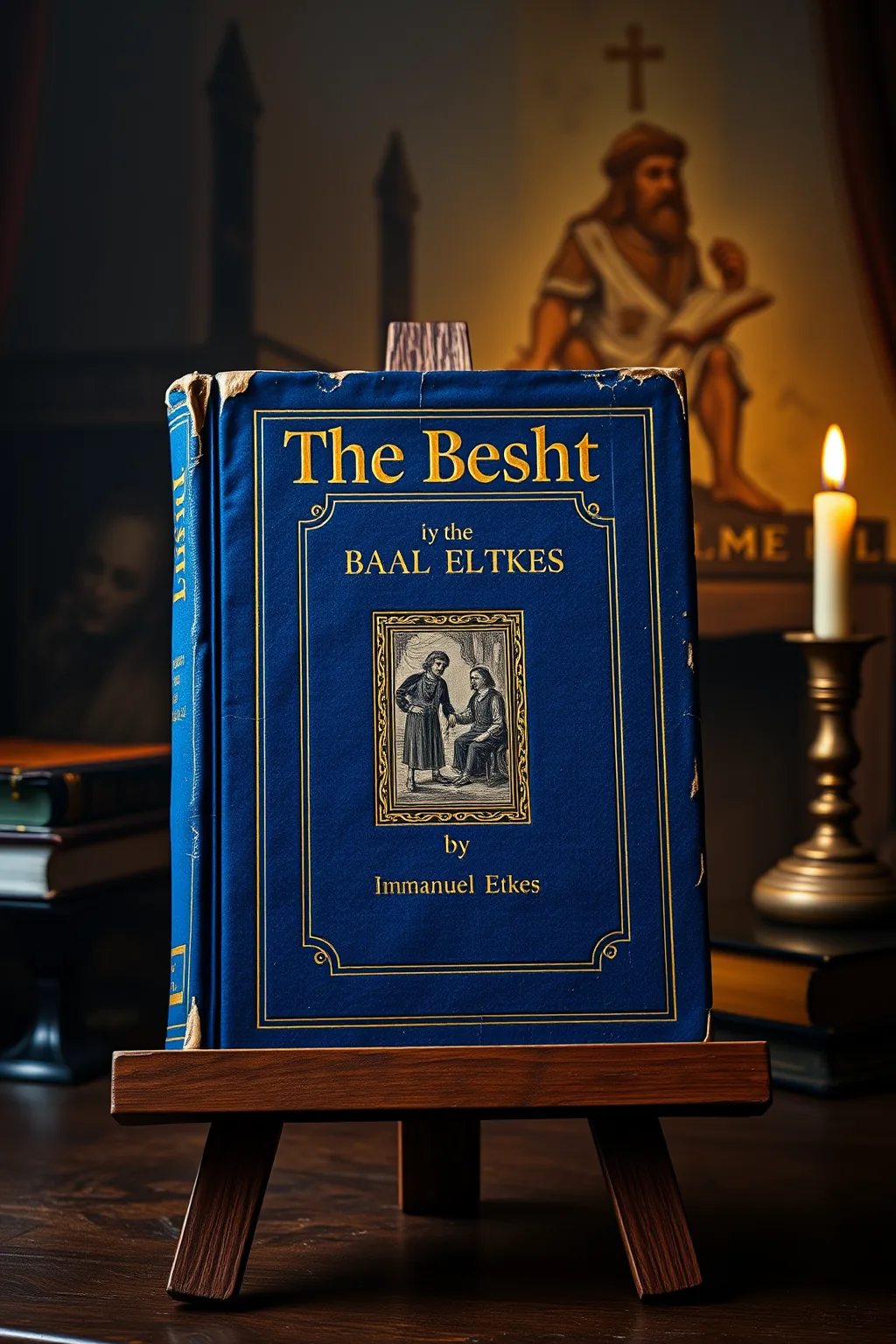
Immanuel Etkes’s *The Besht* presents a meticulously researched portrait of Rabbi Israel ben Eliezer, eschewing romanticized notions for a grounded historical account. The book excels in its detailed exploration of the socio-religious landscape of 18th-century Eastern Europe, demonstrating how the Besht’s teachings provided a vital spiritual anchor amidst widespread suffering. Etkes carefully traces the development of the Hasidic movement from its inception, highlighting the Besht's innovative emphasis on divine immanence and joyful prayer. A particular strength lies in the analysis of how the Besht's followers shaped his legacy, differentiating between the historical figure and the burgeoning legend. While the academic rigor is commendable, the dense prose might prove challenging for readers unfamiliar with Jewish mystical terminology, demanding a certain level of background knowledge. Etkes's careful disentangling of the historical Besht from later embellishments is a significant contribution. This is an essential text for understanding the roots of Hasidism.
📝 Description
71
### What It Is
The Besht, by Immanuel Etkes, offers a scholarly examination of Rabbi Israel ben Eliezer (1698-1760), known as the Ba'al Shem Tov or the Besht. This work unpacks the historical figure and the mystical traditions he influenced, moving beyond hagiography to analyze his teachings and their impact on Hasidic Judaism. It charts the evolution of the Besht's legend and the foundational principles of his spiritual path.
### Who It's For
This book is intended for students and scholars of Jewish mysticism, Hasidism, and religious history. Readers seeking an in-depth understanding of the origins of the Hasidic movement, the life and teachings of its central figure, and the esoteric dimensions of Eastern European Jewish spirituality will find it valuable. It appeals to those who appreciate rigorous historical analysis applied to spiritual traditions.
### Historical Context
Etkes's work engages with the late 17th and 18th centuries in Eastern Europe, a period marked by widespread messianic fervor, economic hardship, and the lingering trauma of the Chmielnicki massacres of the 1640s. The Besht emerged as a charismatic leader offering spiritual solace and a new path to divine communion, distinct from the traditional rabbinic establishment. His teachings emphasized joy, prayer, and the immanence of God in all aspects of life.
### Key Concepts
The book explores core concepts central to the Besht's philosophy, including the divine presence (Shekhinah) in the mundane, the importance of *devekut* (cleaving to God) through simple acts, and the role of the *tzaddik* (righteous leader) as a spiritual intermediary. It also touches upon the mystical significance of language, the power of intention (*kavanah*), and the integration of ecstatic experience within an observant Jewish framework. The work examines how these ideas fostered a new form of Jewish piety.
💡 Why Read This Book?
• Gain a nuanced understanding of the historical Rabbi Israel ben Eliezer, moving beyond myth to the foundational teachings that shaped Hasidism starting in the 18th century. • Explore the concept of *devekut* as taught by the Besht, learning how simple, everyday actions can be elevated to a form of divine communion. • Understand the specific socio-historical conditions of 18th-century Eastern Europe that gave rise to the Besht's spiritual renewal movement.
⭐ Reader Reviews
Honest opinions from readers who have explored this book.
❓ Frequently Asked Questions
Who was the Ba'al Shem Tov?
The Ba'al Shem Tov, or Besht, was Rabbi Israel ben Eliezer (1698-1760), a charismatic spiritual leader and healer in 18th-century Eastern Europe. He is considered the founder of the Hasidic movement, emphasizing joy, prayer, and God's immanence in everyday life.
What is Hasidism?
Hasidism is a Jewish religious movement founded by the Besht in the 18th century. It emphasizes spiritual devotion, mysticism, and the presence of God in all things, often expressed through ecstatic prayer and communal joy, distinguishing itself from more austere, intellectual forms of Judaism.
What does 'Ba'al Shem Tov' mean?
'Ba'al Shem Tov' is a Hebrew title meaning 'Master of the Good Name'. It refers to the Besht's reputation as a healer and miracle worker, skilled in using divine names and amulets, though his teachings focused more broadly on spiritual connection.
What are the core teachings of the Besht?
The Besht's teachings stressed the immanence of God, the importance of *devekut* (cleaving to God) through simple acts, the spiritual power of prayer with intense intention (*kavanah*), and the role of the *tzaddik* (righteous leader). He advocated for finding divine presence in the mundane.
When did the Besht live?
Rabbi Israel ben Eliezer, the Besht, lived during the first half of the 18th century, from approximately 1698 to 1760. His active ministry and influence primarily took place in the Podolia region of Eastern Europe.
Is this book a biography or a theological study?
Immanuel Etkes's book functions as both a scholarly biography and a theological study. It meticulously reconstructs the historical context and life of the Besht while also analyzing the core tenets and mystical dimensions of his teachings and their impact on Hasidism.
🔮 Key Themes & Symbolism
Divine Immanence in the Mundane
The Besht profoundly emphasized that God is not distant but present in every aspect of creation and daily life. This teaching challenged prevailing notions by suggesting that even ordinary activities, when performed with the right intention, could become pathways to spiritual connection. Etkes details how this concept democratized spirituality, making divine communion accessible beyond scholarly elites. The work explores how the Besht encouraged finding the divine spark in simple acts of kindness, prayer, and even conversation, fostering a vibrant, immanent theology.
The Tzaddik as Spiritual Guide
Central to the nascent Hasidic movement was the figure of the *tzaddik*, or righteous leader, a role embodied by the Besht himself. Etkes examines how the Besht served not just as a teacher but as a conduit for divine blessing and spiritual guidance for his followers. The book discusses the *tzaddik's* function in interceding for the community, elevating their prayers, and embodying a higher spiritual state. This concept provided a focal point for devotion and community cohesion, distinguishing early Hasidism from other Jewish movements of the era.
Joyful Devotion and Prayer
The Besht revolutionized Jewish spiritual practice by championing *simcha* (joy) as a fundamental element of worship. Immanuel Etkes illustrates how the Besht advocated for prayer that was not merely rote recitation but an ecstatic, heartfelt experience. This emphasis on emotional engagement and joyful expression, often accompanied by song and dance, offered a powerful counterpoint to the often somber and intellectual piety prevalent at the time. The work highlights this shift towards a more affective and communal form of religious expression.
Mystical Healing and Practical Kabbalah
While the Besht is remembered as the 'Master of the Good Name,' suggesting a connection to amulets and divine names, Etkes's work delves into the deeper mystical underpinnings of his healing practices. The book explores how the Besht utilized Kabbalistic principles and an understanding of spiritual forces to address physical and spiritual ailments. This aspect of his ministry, though sometimes overshadowed by his role as a spiritual leader, highlights the integration of esoteric knowledge with practical concern for human well-being in his approach.
💬 Memorable Quotes
“God is found wherever one lets Him in.”
— This paraphrased concept encapsulates the Besht's core teaching on divine immanence. It suggests that God's presence is not limited to sacred spaces or times but is available to anyone who opens their heart and mind, transforming the ordinary into the sacred.
“The soul can be healed by the song of the simple.”
— This interpretation highlights the Besht's belief in the spiritual power of unadorned expression. It implies that genuine, heartfelt sincerity in prayer or song, even from those considered simple, possesses a profound capacity to mend spiritual and emotional wounds.
“Every action is a ladder to the divine.”
— This paraphrased idea emphasizes the Besht's view that no act is too small or insignificant to be a means of spiritual ascent. It suggests that mindful engagement with daily tasks, performed with the correct intention, can lead to closeness with God.
“To love God is to love His creation.”
— This sentiment reflects the Besht's holistic spiritual vision, where devotion to the Creator is inseparable from cherishing all aspects of the created world. It promotes an inclusive spirituality that finds the divine reflected in nature and in fellow beings.
“A spark of holiness can be found even in the lowest places.”
— This concept underscores the Besht's optimism and belief in redemption. It signifies that no individual or situation is beyond the reach of divine grace, and that spiritual potential exists even in seemingly unholy or degraded circumstances.
🌙 Esoteric Significance
Tradition
The Besht is a foundational figure within the Hasidic tradition, a major branch of Jewish mysticism. While rooted in Kabbalistic concepts, Hasidism, particularly as shaped by the Besht, democratized esoteric knowledge. It shifted emphasis from complex theoretical Kabbalah to practical application, focusing on *devekut* (cleaving to God) through ecstatic prayer and the immanence of the divine in everyday life. Etkes's work positions the Besht as a pivotal figure who synthesized existing mystical ideas with a revolutionary approach to Jewish piety.
Symbolism
The work implicitly engages with key Kabbalistic symbols, reinterpreting them for a broader audience. The concept of the 'divine spark' (*nitzotz*) within all creation, a central theme, symbolizes the pervasive presence of God that the Besht sought to awaken. The *tzaddik* (righteous leader) functions as a symbolic conduit, a channel through which divine energy flows to the community. The emphasis on joy (*simcha*) itself can be seen as symbolic of a redeemed state, reflecting the Kabbalistic idea of drawing down divine light.
Modern Relevance
The Besht's legacy continues to influence contemporary Jewish spirituality, particularly within Hasidic communities worldwide. His emphasis on finding God in the mundane and the power of intentionality in prayer remains relevant to modern seekers looking for accessible spiritual practices. Thinkers and practitioners interested in Jewish renewal, contemplative prayer, and the integration of emotional and spiritual life often draw inspiration from the foundational teachings attributed to the Besht.
👥 Who Should Read This Book
• Students of Jewish mysticism and Hasidism seeking an academic understanding of the movement's origins and its founder. • Scholars of religious history interested in charismatic leadership and spiritual renewal movements in 18th-century Eastern Europe. • Individuals exploring esoteric traditions who wish to understand the practical, immanent theology developed by the Ba'al Shem Tov.
📜 Historical Context
Immanuel Etkes's *The Besht* is situated in the tumultuous intellectual and spiritual landscape of 18th-century Eastern Europe. This era followed devastating Chmielnicki massacres (1648-1649) and was marked by widespread social upheaval, economic hardship, and lingering messianic anticipation. Against this backdrop, the Besht emerged as a charismatic figure offering a vital spiritual alternative. His teachings emphasized joy, divine immanence, and accessible prayer, contrasting with the more austere rabbinic traditions and the intellectualism of the Haskalah (Jewish Enlightenment) movement, which was beginning to stir. While the Besht's influence grew rapidly, leading to the formation of the Hasidic movement, it also faced opposition from some established rabbinic authorities who viewed his methods as unorthodox. Key contemporaries included figures like Rabbi Jacob Emden and Rabbi Elijah, the Vilna Gaon, who represented different streams of Jewish thought and practice during this period of intense spiritual ferment.
📔 Journal Prompts
The Besht's emphasis on divine immanence: Reflect on finding the sacred in ordinary moments.
Reflect on the concept of *devekut* and how to cultivate it through daily actions.
Consider the role of joy (*simcha*) in spiritual practice as exemplified by the Besht.
The *tzaddik* as a spiritual intermediary: Explore personal experiences with spiritual guidance.
Analyze the Besht's approach to prayer and its potential for transformative experience.
🗂️ Glossary
Besht
An acronym for Rabbi Israel ben Eliezer (1698-1760), revered as the founder of Hasidism. The title translates to 'Master of the Good Name,' reflecting his reputation as a healer and spiritual leader.
Ba'al Shem Tov
Hebrew for 'Master of the Good Name.' This title was given to Rabbi Israel ben Eliezer, signifying his perceived ability to perform miracles and heal through divine assistance and knowledge of sacred names.
Hasidism
A spiritual movement within Orthodox Judaism founded in the 18th century by the Besht. It emphasizes joyous worship, deep spiritual connection (*devekut*), and the immanence of God in all aspects of life.
Devekut
A Hebrew term meaning 'cleaving' or 'attachment' to God. It refers to a state of intense spiritual communion and devotion, a central goal in Hasidic practice.
Tzaddik
Literally 'righteous one.' In Hasidism, the *tzaddik* is a spiritual leader who serves as a charismatic intermediary between God and the community, guiding followers and embodying divine wisdom.
Shekhinah
The feminine, immanent aspect of the divine presence in Kabbalah and Jewish mysticism. The Besht's teachings often focused on restoring and experiencing the Shekhinah's presence in the world.
Kavanah
Intention or concentration, particularly in prayer. The Besht emphasized the importance of focused, heartfelt intention to connect with God during religious observance.