Julian of Norwich
 75
75

Julian of Norwich
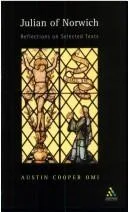
Austin Cooper's examination of Julian of Norwich offers a clear, scholarly lens through which to view the anchorite's "Revelations of Divine Love." Cooper excels at untangling the dense theological and visionary language, making Julian's central tenets regarding divine love and the assurance of salvation more approachable. A particular strength lies in his contextualization of her thought against the backdrop of late medieval anxieties, highlighting the radical optimism of her "all shall be well" theology. However, the work occasionally feels more like a detailed exegesis than an interpretive exploration, sometimes prioritizing scholarly dissection over evocative engagement with Julian's mystical experience. The section discussing the "Shewings" could benefit from a more direct confrontation with their ecstatic, visionary quality, rather than solely their doctrinal implications. Cooper's "Julian of Norwich" is a valuable resource for understanding a pivotal figure in Christian mysticism, providing a solid foundation for further contemplation.
📝 Description
75
### What It Is Austin Cooper's "Julian of Norwich" presents a modern scholarly engagement with the profound spiritual writings of the 14th-century English mystic Julian of Norwich. This work examines her visionary experiences and theological reflections, particularly those recorded in her "Revelations of Divine Love." Cooper's analysis seeks to situate Julian's thought within its historical and mystical context, making her challenging yet luminous prose accessible to contemporary readers.
### Who It's For This book is intended for individuals interested in Christian mysticism, medieval spirituality, and the history of religious thought. It will appeal to students of theology, philosophy, and literature who are exploring the development of Western esoteric traditions. Those seeking a deeper understanding of contemplative prayer and divine revelation, particularly as expressed through a female voice in a patriarchal era, will find value here.
### Historical Context Cooper situates Julian of Norwich's work within the turbulent late medieval period in England. Her "Revelations of Divine Love" emerged around the time of the Peasants' Revolt (1381) and the Black Death's lingering effects, a backdrop of societal upheaval and intense religious devotion. Her writings offer a counterpoint to more punitive theological views prevalent at the time, focusing instead on God's boundless love and mercy. This context is crucial for understanding the radical nature of her mystical insights.
### Key Concepts The core of Julian's message, as explored by Cooper, revolves around divine love, assurance, and the enigmatic concept of "all shall be well." Her visions, often centering on Christ's Passion, are reinterpreted not as instruments of fear but as expressions of God's compassionate embrace. The book delves into Julian's unique theological system, which emphasizes God's immanence and the ultimate goodness inherent in creation, despite the presence of sin and suffering.
💡 Why Read This Book?
• Understand the core message of "all shall be well" as articulated by Julian of Norwich, moving beyond simplistic interpretations to grasp its theological depth as presented in Cooper's analysis. • Explore the historical milieu of 14th-century England, including events like the Peasants' Revolt, to appreciate the unique spiritual solace Julian offered during times of crisis. • Gain insight into the concept of "Shewings" (divine visions) and how Julian re-framed them to emphasize God's immanent love and mercy, a departure from more prevalent punitive doctrines.
⭐ Reader Reviews
Honest opinions from readers who have explored this book.
❓ Frequently Asked Questions
What is the primary theological focus of Julian of Norwich's writings as analyzed by Austin Cooper?
Austin Cooper's work highlights Julian of Norwich's central focus on divine love and assurance. Her "Revelations of Divine Love" emphasize God's benevolent presence and the ultimate goodness of creation, a perspective particularly evident in her famous assertion that "all shall be well."
When did Julian of Norwich experience her visions?
Julian of Norwich received her sixteen "Shewings" or visions in 1373. Austin Cooper's book places these experiences within the tumultuous late 14th century in England, a period marked by plague and social unrest.
Who was Julian of Norwich?
Julian of Norwich was an English anchoress and mystic who lived in the 14th and early 15th centuries. Her "Revelations of Divine Love" are considered the first book in English known to have been written by a woman.
What is an anchoress?
An anchoress was a religious recluse, typically a woman, who lived in a cell attached to a church. This cell, called an anchorhold, was a space for prayer and contemplation, often with windows allowing limited interaction with the outside world.
What does the concept of "all shall be well" mean in Julian of Norwich's theology?
For Julian of Norwich, "all shall be well" signifies a profound trust in God's ultimate redemptive plan and unfailing love, despite the reality of suffering and sin. It's an assurance of divine goodness and final harmony, as explored in Cooper's analysis.
What is "Revelations of Divine Love"?
"Revelations of Divine Love" is the title given to Julian of Norwich's mystical writings, compiled after her sixteen visions. It is a foundational text in Christian mysticism, exploring themes of God's love, suffering, and salvation.
🔮 Key Themes & Symbolism
Divine Love as Assurance
Cooper's analysis centers on Julian's radical assertion of God's pervasive and unconditional love. Unlike many contemporaries who emphasized divine judgment, Julian's "Shewings" consistently reveal a compassionate God. Her famous phrase, "all shall be well," functions not as a denial of suffering but as an assurance of ultimate divine triumph and goodness. This theme positions Julian as a significant voice offering spiritual comfort and theological optimism amidst the harsh realities of 14th-century life, a perspective that continues to resonate with those seeking solace.
The Nature of Suffering
Julian's "Revelations of Divine Love" confront suffering head-on, particularly through her intense visions of Christ's Passion. Cooper elucidates how Julian reinterprets these visions, not as punitive displays, but as profound expressions of divine empathy. The pain of Christ becomes a symbol of God's deep involvement with humanity's woes, rather than a cause for fear. This approach offers a unique theological framework for understanding and integrating suffering within a context of divine love and ultimate redemption.
Immanence and Creation
A key concept explored is Julian's emphasis on God's immanence – God's presence within creation. Cooper details how Julian perceives God not as a distant deity but as intimately involved in every aspect of existence. This theological stance informs her view that creation itself, despite the fall, inherently holds goodness and reflects the divine. Her famous analogy of the hazelnut, containing all that is made, illustrates this profound connection between the Creator and the created realm.
The Role of the Female Mystic
Cooper's work implicitly underscores the significance of Julian as a female theologian and mystic in a period largely dominated by male ecclesiastical authority. Her "Revelations of Divine Love" are notable as the first known book written in English by a woman. The book examines how Julian's personal experiences as an anchoress and her unique perspective as a woman shaped her theological insights, offering a vital counterpoint to the prevailing patriarchal religious discourse of the 14th century.
💬 Memorable Quotes
“God showed me a little thing, the quantity of an hazelnut, in the palm of my hand; and it was round like a ball. I looked at it with the eye of my understanding and thought: What may this be? And it is all answered: It is all that is made. And I marvelled that it began to be and might have lasted all. And I understood saying: It is all grounded in love.”
— This powerful metaphor from Julian's "Revelations of Divine Love" encapsulates her theology of immanence and divine love. The small hazelnut, representing all creation, demonstrates that existence is founded upon God's love, offering a tangible image of the interconnectedness of all things.
“Sin is necessary, but all shall be well, and all shall be well, and all manner of thing shall be well.”
— This repeated affirmation, central to Julian's message, addresses the persistent problem of evil and suffering. Cooper's analysis suggests it's not a dismissal of sin's reality but an ultimate declaration of faith in God's redemptive power and the final harmony of all creation.
“I saw that he is in all things.”
— This direct statement reflects Julian's understanding of divine immanence. It conveys a sense of God's pervasive presence not just in grand theological concepts but in the very fabric of everyday existence and the entirety of the created world.
“The soul is dressed in a body, and the body is dressed in the earth. And he showed me that the soul is not in vain.”
— This concept, as interpreted by Cooper, speaks to the embodied nature of spiritual experience and the inherent worth of human existence. It links the spiritual realm with the material, affirming the value of both the soul and its earthly vessel.
“Our Lord God is in all things.”
— A concise expression of Julian's mystical theology, this phrase emphasizes God's omnipresence and active engagement with the world. It suggests a direct, personal relationship between the divine and the created order, accessible through contemplative awareness.
🌙 Esoteric Significance
Tradition
Julian of Norwich's work, as presented by Cooper, aligns with the Christian mystical tradition, particularly its contemplative and visionary streams. While not strictly fitting into later defined esoteric schools like Hermeticism or Theosophy, her emphasis on direct divine experience, inner revelation (the "Shewings"), and the immanence of God places her writings within the broader Western esoteric lineage of seeking direct knowledge of the divine beyond institutional dogma.
Symbolism
Cooper highlights Julian's potent use of symbolism. The "hazelnut" represents all of creation, held by God and grounded in love, symbolizing divine providence and the interconnectedness of existence. The "Shewings" themselves, particularly those of Christ's Passion, are reinterpreted not as symbols of wrath but as profound expressions of divine empathy and love, transforming suffering into a testament to God's compassionate embrace.
Modern Relevance
Contemporary spiritual seekers and contemplative practitioners often draw inspiration from Julian's message of divine love and assurance. Her theology of immanence and her optimistic view of creation find echoes in modern mindfulness practices and certain strands of process theology. Thinkers and writers exploring non-dualistic spiritualities and the integration of suffering with profound faith often reference Julian as a foundational voice.
👥 Who Should Read This Book
• Students of Christian mysticism and medieval spirituality seeking primary source analysis: Gain a scholarly yet accessible understanding of Julian's "Revelations of Divine Love" and her place in religious history. • Contemplative practitioners and seekers of spiritual assurance: Discover Julian's unique message of God's unconditional love and the concept of "all shall be well" as a source of comfort and theological depth. • Scholars of Western Esotericism and comparative religion: Examine Julian's visionary experiences and immanent theology as a significant, albeit distinct, contribution to the broader landscape of mystical thought.
📜 Historical Context
Austin Cooper's "Julian of Norwich" situates the anchorite's profound spiritual insights within the tumultuous landscape of late 14th-century England. This era was marked by widespread devastation from the Black Death, which had drastically altered society, and by significant social unrest, exemplified by the Peasants' Revolt of 1381. In this climate of fear and uncertainty, Julian's "Revelations of Divine Love" offered a radical message of God's unwavering love and the assurance that "all shall be well." This stood in contrast to more prevalent theological currents that often emphasized divine judgment and human sinfulness. Her work emerged during a period of intense religious devotion but also burgeoning vernacular spiritual writing, making her a pioneering figure. While not directly engaging with named contemporaries in Cooper's analysis, her theological perspective offered a unique, compassionate counterpoint to the sterner interpretations of faith common at the time.
📔 Journal Prompts
The little hazelnut: Reflect on the grounding of your own existence in love.
Julian's "Shewings": How do visions of suffering inform your understanding of divine compassion?
The assurance of "all shall be well": Explore the tension between this concept and personal experience of hardship.
Anchoress life: Consider the spiritual power found in chosen solitude and enclosed contemplation.
God in all things: Identify moments where you perceive divine immanence in the mundane.
🗂️ Glossary
Anchorite/Anchoress
A religious recluse, typically living in a small cell (anchorhold) attached to a church, devoted to prayer and contemplation. Julian was an anchoress.
Shewings
The term Julian of Norwich used for her sixteen divine visions or mystical experiences, detailed in her "Revelations of Divine Love."
Revelations of Divine Love
The primary work attributed to Julian of Norwich, detailing her mystical visions and theological reflections, considered the first book in English known to be written by a woman.
Immanence
The theological concept that God is present within the universe and all of creation, not solely transcendent or outside of it.
Divine Love
In Julian's context, God's unconditional, all-encompassing, and redemptive love for humanity and creation, a central theme of her theology.
Vernacular
The common language spoken by ordinary people, as opposed to Latin, which was the language of scholarship and the Church in medieval Europe.
Theodicy
An attempt to reconcile the existence of evil and suffering with the belief in an all-powerful, all-knowing, and all-good God.