Twilight

 76
76

Twilight
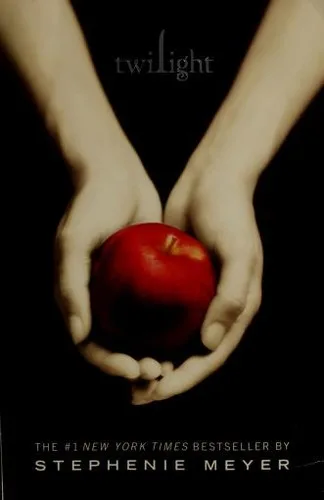
Stephenie Meyer's Twilight is a phenomenon that defies simple categorization, often dismissed as mere YA fare but possessing an undercurrent of potent archetypal resonance. The central conceit of a human girl falling for a centuries-old, ethically-conflicted vampire, Edward Cullen, taps into primal fears and desires surrounding mortality and the eternal. Meyer’s prose, while direct, effectively captures the dizzying intensity of first love, making the supernatural elements feel secondary to the emotional stakes. A significant strength lies in its exploration of the forbidden and the dangerous beauty found in the 'other.' However, the narrative’s reliance on a highly idealized, almost saintly male protagonist, who exerts considerable control over the female lead, presents a limitation. The passage detailing Edward's internal struggle with his predatory instincts, juxtaposed with his desire to protect Bella, exemplifies this tension. Ultimately, Twilight succeeds as a modern myth of dangerous devotion, despite its questionable relationship dynamics.
📝 Description
76
### What It Is Twilight, by Stephenie Meyer, first published in 2018, presents a narrative that, while ostensibly a young adult romance, engages with themes of existential longing and the allure of the eternal. It centers on Isabella Swan, a human teenager who becomes entangled with Edward Cullen, a vampire. Their relationship explores the boundaries between life and death, mortality and immortality, and the perceived dangers and attractions of a supernatural existence.
### Who It's For This work appeals to readers interested in modern gothic romance, supernatural mythology, and stories that explore forbidden love across seemingly insurmountable divides. It is particularly relevant for those who appreciate narratives where intense emotional connection is tested by fundamental differences in being. The book also serves as a starting point for discussions on the archetypes of the immortal lover and the mortal beloved.
### Historical Context Published in 2018, Twilight emerged within a literary landscape increasingly populated by paranormal romance. It followed in the wake of popular series like Buffy the Vampire Slayer and the resurgence of vampire lore in popular culture, notably influenced by Anne Rice's earlier works. Meyer's take, however, shifted focus towards a more introspective and romantic portrayal of vampires, emphasizing their tragic allure rather than their monstrous nature, differentiating it from earlier, more horror-centric interpretations.
### Key Concepts The narrative hinges on the concept of forbidden desire, specifically the attraction between a mortal and an immortal being. It examines the inherent risks and sacrifices associated with such a union. The theme of control versus surrender is also prominent, as characters grapple with powerful emotions and supernatural instincts. The inherent duality of the vampire – a creature of darkness with the capacity for profound love – is central to the story's appeal.
💡 Why Read This Book?
• Understand the modern archetype of the forbidden immortal lover, as exemplified by Edward Cullen's conflicted nature and ancient lineage, offering a unique perspective on eternal devotion. • Experience the intense emotional exploration of a mortal-supernatural romance, focusing on the specific narrative tension surrounding Isabella Swan's immersion into a world of eternal beings. • Analyze the contemporary reception of vampire lore, noting how the 2018 publication date positioned it within a larger cultural dialogue about romanticizing the monstrous.
⭐ Reader Reviews
Honest opinions from readers who have explored this book.
❓ Frequently Asked Questions
When was Stephenie Meyer's Twilight first published?
Stephenie Meyer's Twilight was first published in 2018. This date places it within a specific era of paranormal romance literature that gained significant traction in the early 21st century.
What is the primary genre of Twilight by Stephenie Meyer?
While often categorized as young adult paranormal romance, Twilight also incorporates elements of gothic fiction and explores themes of supernatural mythology and forbidden love.
Who are the main characters in Twilight?
The principal characters are Isabella Swan, a human teenager, and Edward Cullen, a vampire. Their complex relationship forms the core of the narrative.
Does Twilight explore themes beyond romance?
Yes, the book delves into themes of mortality versus immortality, the allure of danger, control, surrender, and the nature of good and evil as embodied by supernatural beings.
What is the central conflict in Twilight?
The central conflict revolves around the forbidden love between Isabella Swan, a mortal, and Edward Cullen, a vampire, and the inherent dangers and sacrifices such a relationship entails.
What makes Twilight different from traditional vampire stories?
Unlike many traditional vampire narratives that emphasize horror, Twilight focuses on the romantic and tragic aspects of vampirism, presenting vampires as alluring and ethically conflicted beings.
🔮 Key Themes & Symbolism
Mortality and Immortality
The narrative starkly contrasts the finite existence of humans with the eternal life of vampires. Isabella Swan's mortality becomes both a vulnerability and a point of fascination for Edward Cullen. This dynamic raises questions about the value of life, the fear of death, and the seductive nature of unending existence. The book explores the inherent tragedy in such a relationship – one partner will inevitably outlive the other, creating a profound existential divide that shapes their interactions and decisions.
Forbidden Love and Danger
The romance between Bella and Edward is inherently dangerous due to Edward's vampiric nature. He is a predator, and Bella is his potential prey. This forbidden aspect fuels the narrative tension and the intensity of their connection. The book examines the thrill and peril associated with attraction to the unknown and the 'other.' It plays on the archetype of the dangerous lover, where the very thing that makes someone forbidden also makes them irresistible, forcing characters to confront their deepest desires and fears.
Control and Surrender
Edward Cullen constantly battles his own predatory instincts, representing a struggle for control over his vampiric nature. He must exert immense self-discipline to remain near Bella without harming her. Conversely, Bella often appears to surrender to her emotions and the allure of Edward's world. This theme explores the balance between agency and compulsion, instinct and reason, particularly within the context of intense romantic obsession and supernatural influence.
The Nature of the Other
Vampires in Twilight are portrayed as beings apart from humanity, possessing extraordinary abilities and a different moral calculus. Yet, Meyer humanizes them, emphasizing their capacity for love, regret, and ethical consideration. The book questions the boundaries between monster and human, predator and protector, suggesting that profound connection can exist across even the most fundamental divisions of being. This challenges readers to reconsider their perceptions of the monstrous and the familiar.
💬 Memorable Quotes
“And so the lion fell in love with the lamb.”
— This line encapsulates the central, dangerous romance of the novel. It highlights the inherent power imbalance and the forbidden nature of their attraction, where the predator (lion/vampire) is captivated by the innocent and vulnerable (lamb/human).
“I didn't know if I could live without you.”
— Spoken by Edward, this expresses the depth of his attachment and his fear of losing Bella. It suggests that even an immortal being can experience a profound dependence on a mortal, blurring the lines between eternal existence and emotional necessity.
“You are the one thing that I have that I can’t live without.”
— A declaration of Bella's central importance to Edward's existence. It elevates her beyond a mere human, making her the anchor that prevents his potentially eternal life from becoming unbearable or meaningless.
“My life was an unending, unchanging, uncertain thing.”
— This reflects Bella's initial feelings of ennui and disconnection before meeting Edward. It sets the stage for his arrival to inject passion, danger, and a sense of purpose into her otherwise mundane existence.
“I never wanted to be human again.”
— This sentiment, often felt by characters drawn into the supernatural, speaks to the allure of power, eternal life, and intense experience that the human world cannot offer. It highlights the seductive nature of the 'other'.
🌙 Esoteric Significance
Tradition
While not directly tied to a specific historical esoteric tradition like Hermeticism or Gnosticism, Twilight engages with archetypes and themes common in Western esotericism, particularly those concerning the immortal beloved and the human soul's yearning for transcendence or a connection to the eternal. It echoes the Romantic fascination with the sublime, the dangerous, and the otherworldly, often found in occult literature. The narrative can be seen as a modern secular interpretation of the soulmate concept, amplified by supernatural elements, resonating with a desire for profound, destiny-driven connection.
Symbolism
The most potent symbol is the vampire itself, representing eternal life, dangerous allure, and a life lived outside conventional mortal bounds. Edward Cullen embodies the archetype of the tragic immortal, burdened by his nature yet capable of profound love. The act of biting and transformation can be interpreted as a symbolic death and rebirth, a crossing into a new state of being. Bella's fascination with the forbidden and the eternal reflects a common human desire to transcend mortality and experience something extraordinary, a theme echoed in many mystical traditions.
Modern Relevance
Twilight's enduring popularity reflects a modern cultural fascination with the supernatural as a vehicle for exploring intense emotions and desires, particularly romantic longing and the allure of the forbidden. Contemporary readers and creators continue to draw inspiration from its portrayal of the immortal-other, using such figures to explore themes of destiny, profound connection, and the human yearning for meaning beyond the mundane. The narrative's emphasis on an all-consuming, life-altering romance continues to influence storytelling in various media, making its archetypal figures relevant to current discussions on love and existence.
👥 Who Should Read This Book
• Readers fascinated by modern interpretations of classic mythological figures, particularly vampires, and their role in contemporary romance narratives. • Individuals interested in exploring themes of forbidden love, existential longing, and the contrast between mortality and immortality through accessible storytelling. • Young adults and adults seeking a dramatic, character-driven story where intense emotional connection is tested by extraordinary circumstances and supernatural elements.
📜 Historical Context
Stephenie Meyer's Twilight, published in 2018, arrived in a literary climate thoroughly saturated with paranormal romance, a genre that had exploded in popularity in the preceding decade. It built upon foundations laid by authors like Anne Rice, who had previously explored the romantic and psychological depths of vampirism, moving away from purely horror-based tropes. However, Twilight carved its own niche by focusing on a more innocent, intense adolescent romance and presenting a specific, often idealized, vision of vampires – creatures of immense beauty and tragic self-control rather than overt monstrosity. The book's immense success tapped into a zeitgeist of escapism and a fascination with supernatural beings as romantic figures. Its reception was polarizing, with critics praising its romantic appeal while others decried its portrayal of relationship dynamics. It stood in contrast to darker, more complex explorations of the supernatural prevalent in other media at the time.
📔 Journal Prompts
Bella Swan's initial perception of her life as 'unending, unchanging, uncertain.'
Edward Cullen's internal conflict between his predatory nature and his love for Bella.
The symbolic meaning of the vampire in the context of eternal life and forbidden desire.
The allure of the 'other' and its role in shaping human relationships.
Reflecting on the narrative's portrayal of control versus surrender in intense emotional bonds.
🗂️ Glossary
Vampire
A mythical creature, often depicted as an undead being who sustains itself by feeding on the blood of the living. In Twilight, vampires are portrayed as having enhanced abilities, a need for blood, and the capacity for eternal life.
Mortal
A human being or other living creature subject to death; a finite being. In the context of the book, it refers to Isabella Swan and her human existence.
Immortality
The state of living forever; eternal life. This is a key characteristic of the vampires in the story, contrasting sharply with human mortality.
Forbidden Love
A romantic relationship that is disapproved of or not permitted by society, family, or other external forces. The relationship between Bella and Edward is a prime example.
Predatory Instincts
The natural inclination or drive of a predator to hunt and kill. For the vampires in Twilight, this is a constant struggle, especially when near humans they care about.
Archetype
A recurring symbol, character type, or motif in literature or mythology that represents universal patterns of human nature. Edward as the 'dangerous immortal lover' is an archetype.
Supernatural
Attributed to forces beyond the scientific understanding of the laws of nature; paranormal. This encompasses vampires, their abilities, and their world.