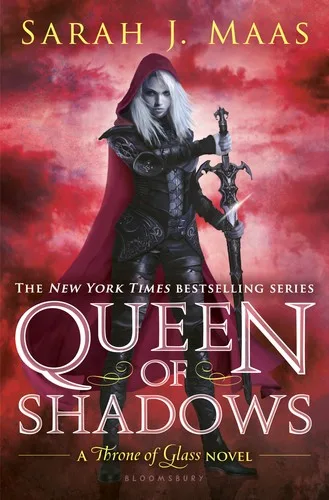
Queen of Shadows

 82
82

Queen of Shadows
"Queen of Shadows" does not shy away from the grim realities of its world, presenting Celaena Sardothien not as a simple hero, but a deeply scarred individual wrestling with her assassin past. The novel excels in its intricate plotting, particularly the interwoven political machinations within the Fae court and the escalating conflict with the King. Maas masterfully balances moments of intense action with character-driven introspection, allowing the reader to witness Celaena’s evolution firsthand. However, the sheer density of subplots and the expansive cast can occasionally lead to pacing issues, with some narrative threads feeling less urgent than others. A notable strength lies in the depiction of Aelin Galathynius's (Celaena's true identity) internal struggle to reclaim her power and identity, a journey fraught with both peril and self-discovery. The work ultimately delivers a satisfying, albeit complex, chapter in the saga, pushing its protagonist towards a decisive confrontation.
📝 Description
82
### What It Is
Sarah J. Maas's "Queen of Shadows," first published in 2016, plunges readers into the intricate political landscape of the Fae world, specifically the kingdom of Adarlan. This installment of the "Throne of Glass" series follows Celaena Sardothien, a notorious assassin, as she navigates treacherous alliances and confronts her own shadowy past. The narrative unfolds across multiple continents and dimensions, featuring a cast of characters grappling with ancient magic, divine intervention, and the consequences of war.
### Who It's For
This novel is primarily for established fans of the "Throne of Glass" saga, particularly those invested in Celaena's complex character arc and the overarching conflict against the tyrannical King of Adarlan. Readers who appreciate intricate world-building, morally gray protagonists, and high-stakes fantasy narratives with elements of romance and political intrigue will find much to engage with. It appeals to an audience accustomed to epic fantasy sagas.
### Historical Context
Published in 2016, "Queen of Shadows" emerged during a period of peak popularity for Young Adult fantasy, a genre that had seen massive success with series like "The Hunger Games" and "Divergent." Maas's work, while rooted in classic fantasy tropes, distinguished itself through its mature themes, complex character development, and intricate plotlines that often explored darker aspects of power and morality. The book's reception was largely positive among its dedicated fanbase, reinforcing Maas's position as a leading voice in contemporary fantasy literature.
### Key Concepts
The book centrally features the concept of destiny versus free will, as characters grapple with prophecies and predetermined paths. It explores the nature of power, both political and magical, and its corrupting influence. Themes of identity and self-discovery are paramount, as Celaena confronts her true heritage and the weight of her actions. The narrative also delves into the enduring impact of trauma and the struggle for redemption against overwhelming odds, all set against the backdrop of a kingdom on the brink of revolution.
💡 Why Read This Book?
• Gain insight into the complexities of a morally ambiguous protagonist's journey toward self-acceptance, as seen through Celaena Sardothien's struggles in "Queen of Shadows" to reconcile her assassin past with her royal destiny. • Experience the intricate world-building of Adarlan and its surrounding territories, understanding how the political climate and the presence of ancient magic in 2016 shaped the characters' motivations and conflicts. • Explore the theme of reclaiming one's identity amidst profound loss and trauma, observing how Aelin Galathynius confronts her suppressed heritage and the weight of her kingdom's fate.
⭐ Reader Reviews
Honest opinions from readers who have explored this book.
❓ Frequently Asked Questions
What is the primary focus of "Queen of Shadows" by Sarah J. Maas?
"Queen of Shadows" primarily focuses on Celaena Sardothien's return to the kingdom of Adarlan and her internal and external battles to confront the tyrannical King and reclaim her true identity as Aelin Galathynius.
When was "Queen of Shadows" originally published?
The book "Queen of Shadows" was first published in 2016, marking a significant point in the "Throne of Glass" series.
What role does magic play in "Queen of Shadows"?
Magic is a central element in "Queen of Shadows," with characters like Aelin discovering and wielding latent abilities, and its suppression by the King of Adarlan being a major source of conflict.
Who are some key characters in "Queen of Shadows" besides Celaena?
Key characters include Rowan Whitethorn, Chaol Westfall, Dorian Havilliard, and Manon Blackbeak, all of whom play crucial roles in Celaena's journey and the unfolding plot.
Is "Queen of Shadows" suitable for new readers of the "Throne of Glass" series?
While "Queen of Shadows" is a pivotal installment, it is best enjoyed after reading the preceding books in the "Throne of Glass" series to fully understand the character relationships and complex plot.
What themes are explored in "Queen of Shadows"?
The book explores themes of identity, power, trauma, redemption, destiny versus free will, and the fight against tyranny.
🔮 Key Themes & Symbolism
Assassin's Redemption Arc
The novel meticulously charts Celaena Sardothien's path toward redemption, moving beyond her identity as a feared assassin. This involves confronting past atrocities and grappling with the moral weight of her actions. Her struggle to reclaim her true self, Aelin Galathynius, is central, highlighting the possibility of transformation even after immense darkness. The narrative explores whether one can escape their past and forge a new destiny, particularly when faced with the legacy of her Fae heritage.
Political Intrigue and Tyranny
"Queen of Shadows" is deeply embedded in the political landscape of Adarlan, a kingdom ruled by a ruthless king who has suppressed magic. The story illustrates the devastating effects of unchecked power and the desperate measures people take to resist oppression. The intricate web of alliances, betrayals, and power plays among various factions—from the royal court to rebel groups—demonstrates the complexities of governance and the human cost of conflict.
Discovery of Fae Heritage
A significant element of the book is Aelin's gradual embrace of her Fae lineage and the immense power that comes with it. This journey involves understanding ancient magic, reclaiming lost artifacts, and learning to control abilities she had suppressed. Her Fae heritage is not just a source of power but also a connection to her past and a key to liberating her people from tyranny.
Trauma and Healing
The characters in "Queen of Shadows" carry deep emotional scars from war, loss, and personal betrayals. The narrative frankly addresses the impact of trauma, showing how it shapes motivations and relationships. Celaena's, and later Aelin's, journey involves not just external battles but also internal healing, learning to trust again, and finding strength in vulnerability. This exploration adds a layer of psychological depth to the epic fantasy setting.
💬 Memorable Quotes
“She was the Queen of Assassins. She was the rightful Queen of Terrasen. And she was going to tear down the world and rebuild it.”
— This statement encapsulates Celaena's (Aelin's) fierce resolve. It signifies her acceptance of her dual identity—the lethal assassin and the destined monarch—and her unwavering commitment to dismantling the existing oppressive order to establish a new, just reign.
“I will not be terrified. I will be the thing that terrifies.”
— This declaration reflects a pivotal shift in Celaena's mindset. Moving from a state of fear and evasion, she chooses to weaponize her reputation and skills, becoming a proactive force of intimidation rather than a passive victim of circumstance.
“She was the flame, and he was the moth drawn to it, knowing he would be consumed.”
— This metaphorical quote highlights the dangerous allure of Aelin's power and presence. It suggests a destined, albeit destructive, connection between characters, where attraction to her fiery spirit inevitably leads to ruin for those who get too close.
“The world was ending, and she was not going to apologize for the part she played in it.”
— This assertion underscores Aelin's acceptance of responsibility and her willingness to enact drastic measures for a greater cause. It demonstrates a pragmatic, almost ruthless, approach to achieving her goals, even if those actions have devastating consequences.
“Power, after all, was a dangerous thing. And she had more than enough of it.”
— This observation acknowledges the double-edged nature of power. It recognizes Aelin's immense capabilities while hinting at the potential for corruption or unintended harm, setting the stage for future conflicts related to her potent Fae magic.
🌙 Esoteric Significance
Tradition
While not overtly tied to a single esoteric tradition, "Queen of Shadows" draws heavily on archetypal fantasy elements that echo themes found in Gnosticism and Hermeticism, particularly concerning inner knowledge, hidden power, and the struggle against a tyrannical, ignorant force (the King of Adarlan). The concept of a hidden heir with latent divine or elemental power aligns with Gnostic ideas of the spark of the divine within humanity, needing to awaken and overcome material/demonic oppression.
Symbolism
The primary symbols revolve around fire, representing Aelin's Fae heritage and her destructive/creative power, akin to a phoenix's rebirth. Shadows symbolize the assassin's past, hidden truths, and the lurking dangers within the kingdom. The recurring motif of crowns and thrones signifies rightful rule, destiny, and the burden of leadership that Aelin must reclaim, reflecting ancient concepts of sovereignty and divine right.
Modern Relevance
Contemporary fantasy literature and its readership continue to engage with the archetypes presented in "Queen of Shadows." Modern practitioners of narrative magic and those exploring personal mythology often reference characters like Aelin for their journeys of self-discovery, reclaiming power, and confronting internal and external darkness. The series' popularity also influences current trends in character-driven epic fantasy, emphasizing complex moralities and character arcs.
👥 Who Should Read This Book
• Fans of epic fantasy seeking intricate world-building and complex character arcs, particularly those invested in the "Throne of Glass" series and its exploration of political intrigue. • Readers drawn to protagonists who grapple with dark pasts and undergo significant personal transformation, as Celaena/Aelin confronts her identity and destiny. • Individuals interested in narratives that blend high-stakes action with themes of magic, destiny, and the fight against oppressive regimes.
📜 Historical Context
Published in 2016, "Queen of Shadows" arrived amidst a flourishing YA fantasy market, building upon the foundations laid by earlier installments of Sarah J. Maas's "Throne of Glass" series. The era saw continued reader appetite for complex heroines and expansive, often dark, fantasy worlds. Maas's work distinguished itself by its intricate plotting and mature handling of themes like political oppression and personal trauma, pushing the boundaries of typical YA fare. While the series didn't face significant censorship, its popularity led to extensive fan engagement and critical discussion within online literary communities. Contemporary authors like Leigh Bardugo, whose "Six of Crows" also published in 2015, were exploring similar themes of morally gray characters and intricate heist plots within fantasy settings, contributing to a broader trend of sophisticated YA fantasy.
📔 Journal Prompts
Aelin's internal conflict between her assassin persona and her royal destiny.
The nature of power as wielded by King of Adarlan versus Aelin's burgeoning Fae abilities.
Reflecting on the symbols of fire and shadow in relation to personal transformation.
The cost of reclaiming one's heritage and the sacrifices involved.
How trauma shapes character motivations and the path to healing.
🗂️ Glossary
Fae
A race of beings possessing magical abilities and often differing lifespans and appearances from humans. In this series, they are intrinsically linked to ancient power and elemental forces.
Adarlan
The primary kingdom in the series, ruled by a tyrannical king who has outlawed magic. It serves as the central setting for much of the political conflict and Celaena's return.
Assassin's Guild
An organization of skilled killers, of which Celaena Sardothien was a prominent member. The Guild represents a life of violence, secrecy, and moral ambiguity.
Terrasen
The ancestral kingdom of Aelin Galathynius, currently under Adarlan's occupation. It represents her birthright and the people she is destined to rule.
Valg
Demonic entities from another dimension that pose a significant threat to the world, often manipulating mortals and seeking to expand their influence.
Wyrdmarks
Ancient symbols imbued with magical power, often used in prophecies and to bind or influence fate. They are central to understanding the world's deeper magical mechanics.
The Wyrd
A cosmic force or entity that governs fate and destiny, often depicted as a powerful, ancient presence influencing the lives of mortals and immortals alike.