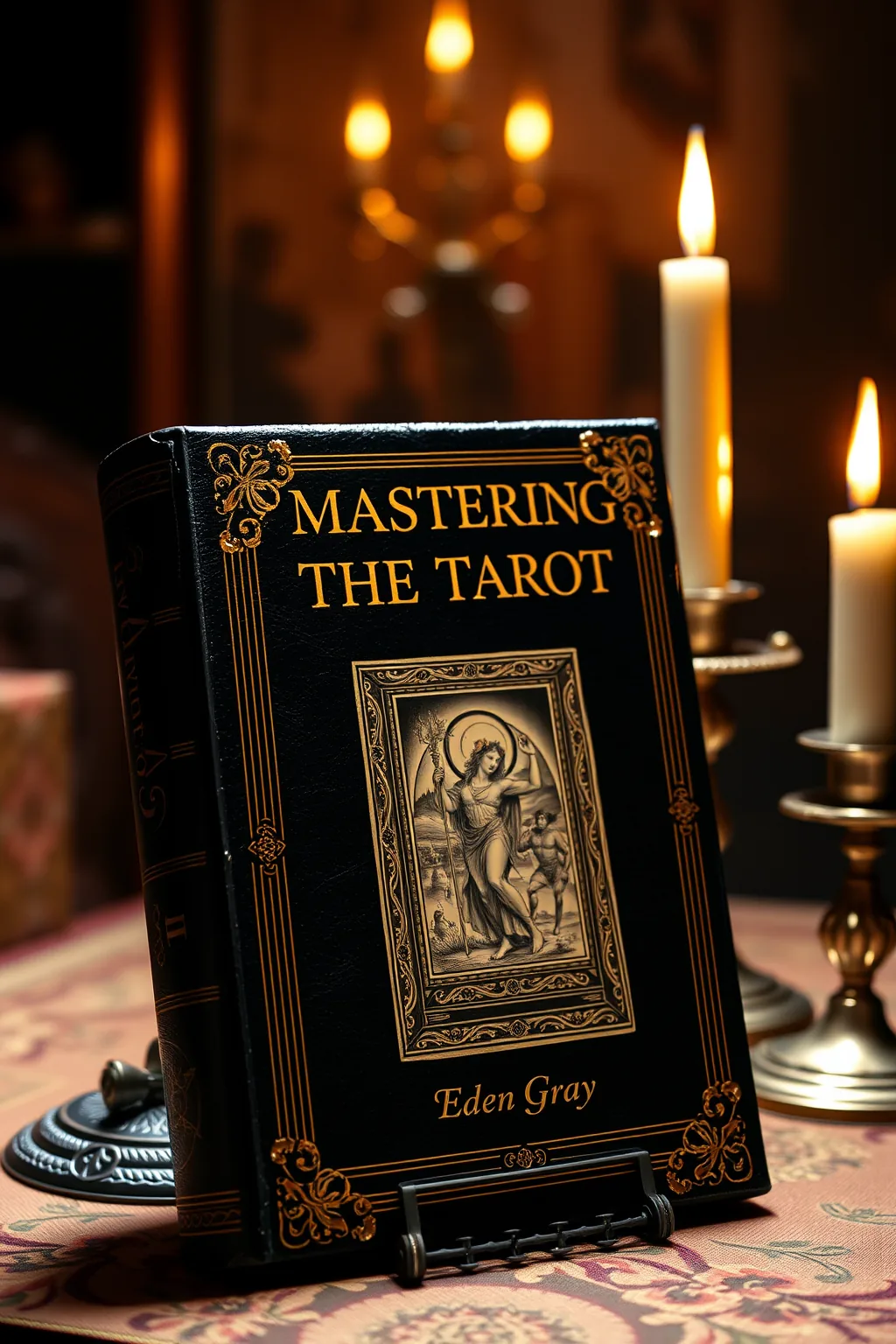
Mastering The Tarot
 83
83

Mastering The Tarot
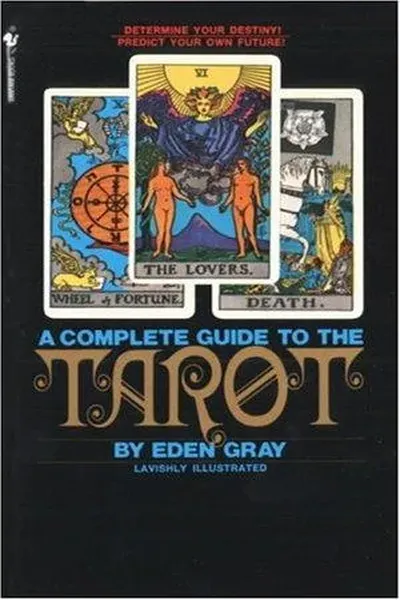
Eden Gray's Mastering The Tarot, from its 1971 origins, provides a solid, if somewhat conventional, framework for approaching the cards. The strength lies in its systematic presentation of card meanings, making it a reliable starting point. Gray's explanation of the Minor Arcana, often a stumbling block for newcomers, is particularly clear. However, the book's approach, while thorough, can feel a bit dated to contemporary readers accustomed to more psychologically nuanced or postmodern interpretations of Tarot. The passage discussing the Fool, for instance, anchors its meaning firmly in a traditional journey narrative, which, while accurate to a point, lacks the layered complexity found in some later works. Despite this, for a foundational understanding, the work offers a dependable and instructive path.
Mastering The Tarot offers a sound, if traditional, entry into the world of card reading.
📝 Description
83
### What It Is Mastering The Tarot by Eden Gray, first published in 1971, offers a comprehensive introduction to the practice and interpretation of Tarot cards. It moves beyond simple divination, aiming to provide a structured understanding of the cards' symbolic language and their application in personal growth. The work presents a systematic approach to learning the meanings of the Major and Minor Arcana, often drawing upon historical interpretations and occult traditions.
### Who It's For This book is best suited for individuals new to the Tarot or those seeking to deepen their foundational knowledge. It caters to readers interested in a clear, methodical guide that explains card meanings, spreads, and ethical considerations. Those who appreciate a blend of historical context and practical application will find value here. It is particularly useful for self-learners who prefer a well-organized curriculum for understanding the cards.
### Historical Context Published in 1971, Mastering The Tarot emerged during a period of renewed interest in esoteric studies and the occult in the Western world. This era saw a proliferation of Tarot literature, often influenced by the works of Arthur Edward Waite and Pamela Colman Smith, whose Rider-Waite-Smith deck became a standard. Gray's book contributes to this resurgence by offering a practical, accessible manual for a generation exploring spiritual and psychological self-discovery through symbolic systems. It navigated a landscape where occult philosophy was gaining traction outside academic circles.
### Key Concepts The book systematically breaks down the 78-card deck into its constituent parts: the 22 Major Arcana and the 56 Minor Arcana. Gray emphasizes understanding the numerological and astrological correspondences often associated with the cards, providing a framework for interpretation. It also addresses the importance of intuition, the ethics of reading, and the use of various spreads, such as the Celtic Cross, as tools for divination and self-reflection.
💡 Why Read This Book?
• Gain a structured understanding of the 78-card Tarot deck, including the distinct roles of the Major and Minor Arcana, as detailed in the book's systematic approach to card meanings. • Learn practical techniques for card interpretation and the use of specific layouts like the Celtic Cross spread, a core element of Gray's instructional method. • Explore the foundational symbolism and numerological correspondences often linked to Tarot, as presented in the 1971 edition, providing historical context for modern practice.
⭐ Reader Reviews
Honest opinions from readers who have explored this book.
❓ Frequently Asked Questions
What is the primary focus of Eden Gray's Mastering The Tarot?
The primary focus is to provide a systematic and comprehensive guide to understanding the 78 Tarot cards, their meanings, and practical methods for interpretation and divination.
When was Mastering The Tarot first published?
Mastering The Tarot was first published in 1971, placing it within a significant period of interest in esoteric subjects in the West.
Does the book explain different Tarot spreads?
Yes, the book explains various Tarot spreads, including the popular Celtic Cross, as tools for gaining insight through card readings.
Is Mastering The Tarot suitable for absolute beginners?
Yes, it is widely considered suitable for beginners due to its clear, step-by-step approach to learning card meanings and reading techniques.
What is the significance of the Major and Minor Arcana in this book?
Gray meticulously details the 22 Major Arcana and 56 Minor Arcana, explaining their individual symbolism and how they function together within a reading.
Does the book discuss ethical considerations for Tarot readers?
Yes, the work addresses the importance of intuition and ethical considerations for those practicing Tarot readings, guiding responsible interpretation.
🔮 Key Themes & Symbolism
The Arcana System
The book meticulously dissects the Tarot into its two primary components: the 22 Major Arcana, representing significant life lessons and archetypes, and the 56 Minor Arcana, which detail everyday situations and challenges. Gray emphasizes understanding the narrative flow between these cards, particularly how the journey through the Major Arcana informs the interpretation of the Minor suits (Wands, Cups, Swords, Pentacles).
Symbolic Language
Gray treats the Tarot deck as a symbolic language, exploring the rich imagery and iconography of each card. This includes drawing upon numerological associations, elemental correspondences (fire, water, air, earth), and astrological connections often attributed to the cards, providing a multi-layered interpretive framework for practitioners.
Divination and Self-Reflection
While providing methods for divination, the book also frames Tarot as a tool for self-reflection and psychological insight. It encourages readers to use card readings not just to predict the future but to understand present circumstances, explore personal challenges, and foster inner growth, aligning with broader esoteric interests in consciousness.
The Tarot Reader's Role
Mastering The Tarot addresses the responsibilities of the reader, stressing the importance of intuition, ethical conduct, and clear communication. It guides aspiring readers on how to approach readings with respect, interpret the cards with clarity, and offer insights that empower the querent.
💬 Memorable Quotes
“The Fool represents new beginnings, innocence, and the potential for a spiritual journey.”
— This interpretation highlights the archetypal significance of The Fool card, framing it as the starting point of a larger narrative or path of self-discovery within the Tarot's symbolic system.
“Each suit in the Minor Arcana corresponds to a different element and area of life.”
— This statement underscores the structured nature of the Minor Arcana, linking the four suits (Wands, Cups, Swords, Pentacles) to specific elemental energies and life domains for interpretive purposes.
“Understanding the numerology behind the cards adds depth to their interpretation.”
— This concept emphasizes the esoteric practice of applying numerical values and sequences to Tarot cards, suggesting that number symbolism unlocks further layers of meaning beyond the imagery.
“A proper spread organizes the cards to tell a coherent story.”
— This paraphrased concept points to the importance of layout in Tarot readings, where the arrangement of cards within a spread creates a narrative structure that aids in deciphering the overall message.
“The ethics of reading involve clarity, honesty, and respect for the querent.”
— This interpretation focuses on the responsible practice of Tarot reading, suggesting that a good reader maintains integrity and a supportive attitude towards the person seeking guidance.
🌙 Esoteric Significance
Tradition
Mastering The Tarot fits within the Western Esoteric Tradition, specifically drawing from Hermeticism and the occult revival movements of the late 19th and early 20th centuries. It aligns with interpretations that view Tarot as a symbolic language encoding mystical truths, akin to Kabbalistic systems or alchemical processes. The book presents Tarot as a structured system for understanding universal principles and human psychology, a common theme in Theosophical and Rosicrucian thought.
Symbolism
Key symbols include the archetypal figures of the Major Arcana, such as The Magician representing will and manifestation, and The High Priestess embodying intuition and hidden knowledge. The four suits of the Minor Arcana—Wands (fire, action), Cups (water, emotion), Swords (air, intellect), and Pentacles (earth, material—also known as Coins or Disks)—are presented as foundational elements governing different aspects of human experience.
Modern Relevance
Contemporary Tarot practitioners and authors frequently cite or build upon the foundational knowledge presented in works like Gray's. Its systematic approach continues to inform modern Tarot curricula, especially for those seeking a clear understanding of card meanings and traditional spreads. Many modern decks, while visually distinct, still rely on the symbolic framework established by earlier works, making Gray's book a relevant reference for understanding these continuities.
👥 Who Should Read This Book
• Aspiring Tarot readers seeking a structured, step-by-step introduction to card meanings and interpretation techniques. • Individuals interested in the historical development of Tarot study in the Western Esoteric Tradition, particularly from the mid-20th century. • Self-study enthusiasts looking for a clear, methodical guide to understanding the symbolic language and archetypes within the 78-card Tarot deck.
📜 Historical Context
Published in 1971, Eden Gray's Mastering The Tarot emerged during a significant cultural moment in the West, characterized by a widespread fascination with esoteric traditions, Eastern philosophies, and psychological exploration. This period saw a surge in accessible occult literature, moving beyond academic or highly specialized circles. The work tapped into a growing demand for practical guides to practices like astrology, palmistry, and Tarot, which were increasingly viewed as tools for personal growth and self-discovery. Gray's approach, while drawing on established interpretations, particularly those influenced by Arthur Edward Waite's writings and the popular Rider-Waite-Smith deck, aimed for clarity and systematic instruction. It arrived in a milieu where figures like Aleister Crowley had already profoundly influenced modern occultism, but Gray offered a more demystified entry point. The book contributed to the legitimization of Tarot as a subject of serious study for the general public, distinct from sensationalist fortune-telling.
📔 Journal Prompts
The Fool's journey and its representation of new beginnings.
Symbolism of the Cups suit and its connection to emotional landscapes.
The role of The High Priestess in accessing inner wisdom.
Numerological significance of the Minor Arcana cards.
Interpreting the Swords suit in the context of challenges and intellect.
🗂️ Glossary
Major Arcana
The 22 trump cards in a Tarot deck, representing significant archetypal figures, life lessons, and spiritual stages of a journey.
Minor Arcana
The 56 cards in a Tarot deck divided into four suits (Wands, Cups, Swords, Pentacles), representing everyday events, challenges, and circumstances.
Spreads
Arrangements of Tarot cards laid out in specific patterns to interpret a question or situation, such as the Celtic Cross.
Celtic Cross
A popular ten-card Tarot spread used for detailed readings, offering insights into the heart of a matter, challenges, and potential outcomes.
Numerology
The study of the mystical or divine significance of numbers, often applied to Tarot cards to add layers of meaning to their interpretation.
Wands
One of the four suits in the Minor Arcana, typically associated with the element of fire, representing action, passion, creativity, and inspiration.
Pentacles
One of the four suits in the Minor Arcana, typically associated with the element of earth, representing material concerns, finances, work, and the physical world.