How to read tarot cards
 72
72

How to read tarot cards
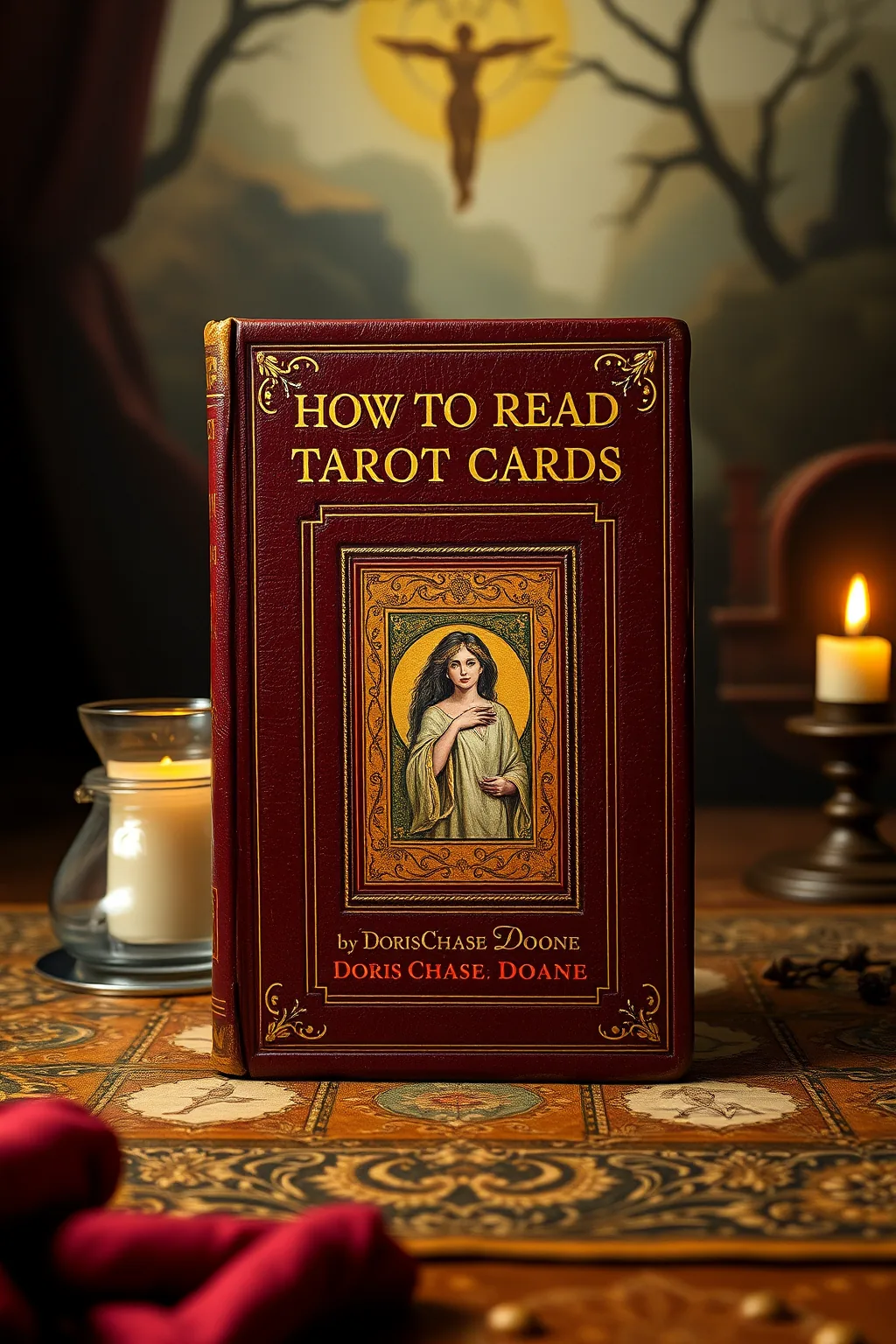
Doris Chase Doane and Keyes King's "How to Read Tarot Cards" provides a straightforward entry point into the symbolism of the tarot, eschewing overly complex theory for direct instruction. Its strength lies in its systematic approach to card meanings, particularly its clear delineation of the Minor Arcana suits and court cards. The original 1979 publication date grounds it in a specific era of tarot revival, offering a glimpse into earlier interpretive frameworks. However, the book occasionally feels dated in its presentation and lacks the depth found in more contemporary works that explore the psychological or narrative aspects of card spreads. A notable passage details the interpretation of the Three of Swords, offering a somewhat stark but essential understanding of loss. While functional, it doesn't push the boundaries of tarot interpretation. It serves its purpose as an introductory manual.
📝 Description
72
### What It Is This text offers a foundational guide to the practice of tarot card reading, originally published in 1979. It presents the tarot as a system of symbolic language intended for divination and self-exploration. The book breaks down the structure of the tarot deck, including the Major and Minor Arcana, and explains the meanings associated with individual cards.
### Who It's For This book is aimed at individuals curious about learning tarot for personal insight, spiritual development, or as a tool for understanding life's questions. It is suitable for those who have no prior experience with card reading and seek a clear, step-by-step introduction to the symbolism and interpretive methods.
### Historical Context Published in 1979, Doris Chase Doane and Keyes King's work emerged during a period of renewed interest in esoteric studies and personal growth movements. The era saw many individuals turning to alternative spiritual paths and divinatory tools as a counterpoint to mainstream societal structures. This book contributed to the growing accessibility of tarot knowledge.
### Key Concepts The core of the book revolves around understanding the archetypal meanings of the 78 cards within the tarot deck. It details the distinction between the 22 Major Arcana, representing significant life lessons and spiritual journeys, and the 56 Minor Arcana, which reflect daily events and practical matters. The work emphasizes the interconnectedness of these cards within a spread.
💡 Why Read This Book?
• Learn the fundamental meanings of the 78 tarot cards, including the distinct roles of the Major and Minor Arcana, as detailed in the book's early chapters. • Understand the traditional interpretations of the four suits (Wands, Cups, Swords, Pentacles) and their connection to elemental correspondences, a core concept presented throughout the text. • Gain practical skills for laying out and interpreting simple tarot spreads, a technique emphasized from the initial sections of the 1979 edition.
⭐ Reader Reviews
Honest opinions from readers who have explored this book.
❓ Frequently Asked Questions
When was 'How to Read Tarot Cards' first published?
The book 'How to Read Tarot Cards' by Doris Chase Doane and Keyes King was first published in 1979, contributing to the surge of interest in tarot during that decade.
What is the structure of the tarot deck as explained in the book?
The book explains the standard 78-card tarot deck, dividing it into the 22 Major Arcana, representing significant life events, and the 56 Minor Arcana, detailing everyday occurrences and practical matters.
Are there specific card spreads taught in 'How to Read Tarot Cards'?
While the book focuses on understanding individual card meanings, it guides readers on how to arrange cards into simple spreads for interpretation, a foundational practice for beginners.
Who are the authors of 'How to Read Tarot Cards'?
The primary author is Doris Chase Doane, with contributions or co-authorship from Doris C. Doane and Keyes King for the original 1979 publication.
Is this book suitable for complete beginners to tarot?
Yes, the book is designed as an introduction, providing clear explanations of card meanings and basic interpretive techniques suitable for those with no prior tarot knowledge.
What are the Major Arcana in tarot according to this book?
According to the book, the 22 Major Arcana cards represent significant archetypal themes, spiritual lessons, and major life turning points that individuals encounter on their path.
🔮 Key Themes & Symbolism
Archetypal Meanings
The book emphasizes that each tarot card, particularly the Major Arcana, carries an archetypal meaning representing universal human experiences and spiritual lessons. These archetypes serve as symbolic keys to understanding the querent's situation. The interpretation hinges on recognizing these deep-seated patterns, moving beyond superficial meanings to grasp the underlying energetic currents at play in a reading.
Divinatory Systems
Central to the text is the concept of tarot as a divinatory tool. It presents the deck as a system capable of reflecting potential future outcomes or illuminating present circumstances through symbolic interpretation. The work details methods for drawing cards and constructing readings, treating the cards as a language through which guidance and foresight can be accessed.
Symbolic Language of Cards
This work treats the tarot deck as a complex symbolic language. Each card's imagery, numerology, and traditional associations contribute to its unique message. Understanding this intricate symbolism is presented as the primary path to accurate interpretation, allowing for nuanced readings that address various facets of a person's life.
Self-Exploration Tool
Beyond mere prediction, the book positions tarot as a powerful instrument for introspection and self-discovery. By engaging with the symbolic narratives of the cards, readers are encouraged to examine their own thoughts, feelings, and motivations. The tarot becomes a mirror reflecting the inner landscape, facilitating personal growth and self-awareness.
💬 Memorable Quotes
“The Minor Arcana reflects the daily happenings of life.”
— This concise statement highlights the practical function of the Minor Arcana, distinguishing them from the more significant, archetypal events represented by the Major Arcana.
“Each card has a lesson to teach.”
— This interpretation underscores the educational and developmental aspect of tarot, suggesting that every card drawn offers an opportunity for learning and personal advancement.
“The Fool begins the journey.”
— This phrase encapsulates the archetypal initiation represented by The Fool card, signifying new beginnings, leaps of faith, and the start of a significant cycle.
“Court cards represent people.”
— This straightforward assertion points to the common practice of associating the Page, Knight, Queen, and King cards with specific individuals or personality types within a reading.
“The spread reveals the pattern.”
— This emphasizes the importance of the arrangement of cards in a reading, suggesting that the chosen layout itself provides a framework for understanding the interconnectedness of the messages.
🌙 Esoteric Significance
Tradition
This work aligns broadly with the Western esoteric tradition's interest in divinatory tools and symbolic systems for personal enlightenment. While not explicitly tied to a single lineage like Hermeticism or Kabbalah, it draws upon the general hermeneutic principles common in occult studies: that the universe communicates through symbols and that these symbols can be deciphered for guidance.
Symbolism
The book focuses on the core symbolism of the 78 tarot cards. Key motifs include the archetypal figures of the Major Arcana, such as The Fool representing beginnings and The World symbolizing completion, and the elemental correspondences of the Minor Arcana suits: Wands (fire, action), Cups (water, emotion), Swords (air, intellect), and Pentacles (earth, material).
Modern Relevance
Contemporary tarot practitioners, particularly those focusing on intuitive reading and self-development, can still find value in the foundational interpretations presented here. The book's emphasis on clear, direct card meanings provides a solid base for those exploring modern psychological or archetypal approaches to tarot, serving as a historical reference point for interpretive evolution.
👥 Who Should Read This Book
• Aspiring tarot readers seeking a clear, unadorned introduction to card meanings and basic interpretation methods. • Individuals interested in the history of esoteric practices, looking for a representative text from the 1979 tarot revival period. • Those exploring self-help and personal growth tools who want to understand the fundamental principles of a symbolic divinatory system.
📜 Historical Context
Published in 1979, Doris Chase Doane and Keyes King's "How to Read Tarot Cards" emerged during a vibrant period for esoteric literature. The late 1970s saw a significant resurgence of interest in occult and metaphysical studies, fueled partly by the counterculture movements of the preceding decade. This era was marked by a desire for alternative spiritualities and self-help practices. Books like this one offered accessible entry points into complex systems like tarot, which had previously been perceived as more arcane. It positioned itself within a broader landscape that included the continuing influence of Theosophy and the burgeoning New Age movement. While not directly engaging with academic circles, its publication contributed to the popularization of tarot, making it a more common practice among individuals seeking personal insight, distinct from more academic approaches to divination or comparative religion.
📔 Journal Prompts
The symbolic representation of The Magician and its implications for personal power.
Reflect on the meaning of the Four of Cups in the context of missed opportunities.
Consider the archetypal journey of The Hermit and its connection to inner wisdom.
How does the interpretation of the Three of Swords resonate with your understanding of difficult truths?
The role of the Ace of Pentacles in manifesting material goals.
🗂️ Glossary
Major Arcana
The set of 22 trump cards in a tarot deck, representing significant life lessons, archetypal situations, and spiritual milestones.
Minor Arcana
The 56 cards of a tarot deck divided into four suits, typically Wands, Cups, Swords, and Pentacles, representing everyday events and circumstances.
Suit
One of the four divisions within the Minor Arcana (Wands, Cups, Swords, Pentacles), each associated with specific themes and elements.
Court Cards
The four face cards within each suit of the Minor Arcana: Page, Knight, Queen, and King, often representing people or personality aspects.
Spread
A specific arrangement of tarot cards laid out in a pattern, designed to address particular questions or areas of inquiry.
Divination
The practice of seeking knowledge of the future or the unknown by supernatural means, often through symbolic tools like tarot cards.
Archetype
A universal, archaic symbol or motif that recurs in the literature, art, and mythology of many cultures, representing fundamental human experiences.