Choice-centered relating and the tarot

 73
73

Choice-centered relating and the tarot
Gail Fairfield’s Choice-Centered Relating and the Tarot offers a refreshing perspective, shifting the Tarot from a predictive tool to one of relational insight. The strength lies in its systematic application of archetypal energies to the complexities of human connection. Fairfield’s interpretation of the Lovers card, not as fated union but as a point of conscious choice between differing energies, is particularly illuminating. A limitation, however, is that the text occasionally assumes a familiarity with Tarot fundamentals that a complete novice might lack, requiring supplemental reading. The detailed examination of how the Hierophant might represent established relational norms versus personal authenticity provides a concrete example of the book’s analytical depth. It is a valuable addition for those seeking to deepen their understanding of both Tarot and interpersonal dynamics.
📝 Description
73
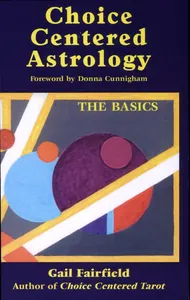
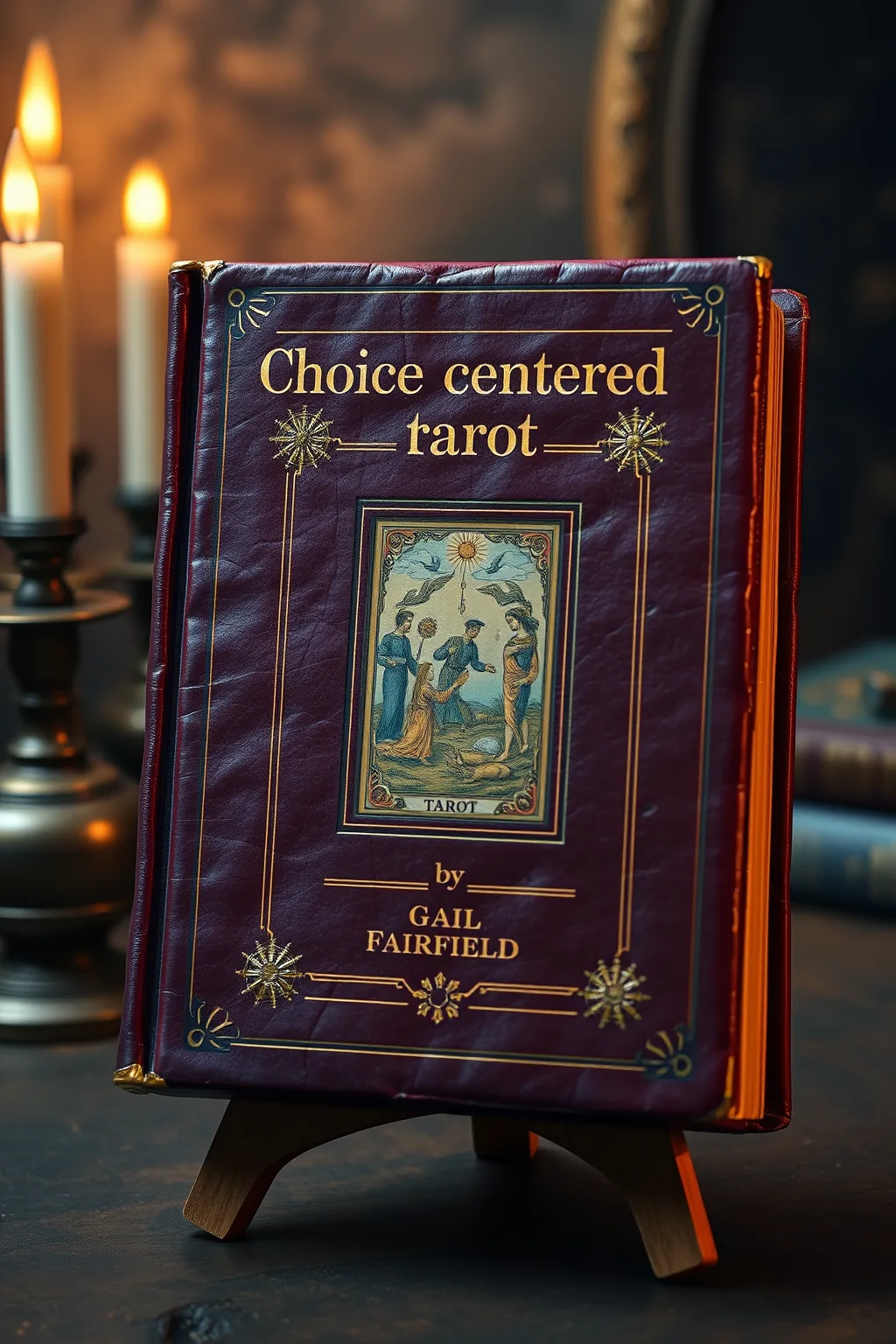
### What It Is Choice-Centered Relating and the Tarot, first published in 2000 by Gail Fairfield, presents a unique framework for understanding interpersonal dynamics through the lens of Tarot symbolism. It moves beyond simple divination, positioning the cards as tools for self-awareness and relational growth.
### Who It's For This work is intended for individuals interested in a psychological and philosophical approach to Tarot, particularly those seeking to improve their relationships. It will appeal to Tarot enthusiasts, psychotherapists, counselors, and anyone exploring personal development through esoteric modalities.
### Historical Context The book emerged at the turn of the millennium, a period when Western esoteric traditions were increasingly being integrated into psychological and self-help discourse. Fairfield's approach builds upon earlier psychospiritual interpretations of Tarot, such as those by Carl Jung and later authors like Angeles Arrien, but focuses specifically on relational patterns.
### Key Concepts Fairfield introduces the concept of 'choice-centered relating,' emphasizing agency and conscious participation in relationships. The Tarot archetypes are explored not as fixed destinies but as potentials and challenges that individuals can consciously choose to engage with. The book maps various card spreads and interpretations to different relational scenarios.
💡 Why Read This Book?
• Gain practical tools for analyzing relationship dynamics using the 22 Major Arcana archetypes, fostering conscious choice rather than passive acceptance of perceived fate, as detailed in Fairfield's exploration of the Lovers card. • Discover how specific Tarot spreads, like those designed for conflict resolution, can offer structured pathways to understanding and addressing interpersonal challenges, moving beyond generic advice. • Develop a more nuanced understanding of how archetypal energies manifest in relationships, informed by the book's focus on the Hierophant as a symbol of established norms versus individual authenticity.
⭐ Reader Reviews
Honest opinions from readers who have explored this book.
❓ Frequently Asked Questions
What is 'choice-centered relating' according to Gail Fairfield?
Choice-centered relating, as presented in the book, is a paradigm that views relationships as dynamic processes where individuals actively make conscious choices. It uses Tarot archetypes to illuminate these choices, emphasizing personal agency and responsibility in shaping relational outcomes.
How does Choice-Centered Relating and the Tarot differ from traditional Tarot readings?
Unlike readings focused on prediction, Fairfield's work uses the Tarot as a psychological and relational map. It explores the archetypal energies within the cards to understand existing patterns and empower conscious decision-making in relationships, rather than foretelling future events.
Can beginners use this book effectively?
While a basic familiarity with Tarot cards is beneficial, Fairfield's clear explanations and focus on relational dynamics make it accessible. The book introduces specific spreads and interpretations tailored to interpersonal situations, guiding readers through its unique application.
What role do the Major Arcana play in this approach?
The Major Arcana serve as central archetypes representing fundamental life forces and relational potentials. Fairfield interprets them not as fixed fates but as energetic influences that individuals can consciously engage with or transform within their relationships.
Is this book suitable for therapists or counselors?
Yes, the book offers a unique framework for understanding transference, communication patterns, and conflict resolution through an archetypal lens. It can supplement traditional therapeutic techniques by providing symbolic insights into client dynamics.
When was Choice-Centered Relating and the Tarot first published?
Gail Fairfield's seminal work, Choice-Centered Relating and the Tarot, was first published in the year 2000, marking a significant contribution to the psychospiritual interpretation of Tarot in the new millennium.
🔮 Key Themes & Symbolism
Archetypes in Relationships
Fairfield presents the 22 Major Arcana not as predictive tools but as archetypal energies that actively shape interpersonal dynamics. Each card's symbolism is re-contextualized to illuminate patterns of interaction, choice, and growth within relationships. For instance, the Lovers card is examined for its implications regarding conscious decision-making between differing paths or energies, rather than merely signifying romantic connection.
Conscious Choice and Agency
The core tenet of 'choice-centered relating' is the emphasis on personal agency. The book guides readers to recognize how they actively participate in creating their relational experiences. Tarot readings become a mirror reflecting available choices and potential outcomes, empowering individuals to steer their relationships with intention and self-awareness.
Tarot Spreads for Dynamics
Beyond standard divination layouts, Fairfield introduces and interprets specific Tarot spreads designed to analyze relational situations. These spreads provide structured frameworks for exploring communication breakdowns, power dynamics, and areas of potential conflict or harmony, offering practical insights for improving connections.
Psychospiritual Integration
The work bridges esoteric symbolism with psychological principles. It draws parallels between Tarot archetypes and common human experiences, offering a psychospiritual lens for understanding the self and others. This approach moves beyond superficial interpretations to explore deeper layers of meaning in relational encounters.
💬 Memorable Quotes
“The Tarot offers us a map of potentials, not a decree of fate.”
— This paraphrase highlights Fairfield's central thesis: the cards represent possibilities and energies that individuals can consciously engage with, rather than predetermined outcomes they are powerless to change.
“Choice in relating means understanding the archetypal currents at play.”
— This interpretation emphasizes that true choice in relationships stems from recognizing the underlying symbolic patterns and energies, much like navigating currents in a river, as explored through the Tarot.
“The Hierophant can represent societal expectations or a teacher of inner wisdom.”
— This paraphrased concept illustrates how Fairfield reinterprets archetypes like the Hierophant, presenting them with dual potential: conformity to external norms versus the guidance of internal, authentic knowledge within relationships.
“Relational patterns mirrored in the cards reveal avenues for growth.”
— This interpretation suggests that the book views the Tarot not just as a diagnostic tool for problems, but as a guide offering concrete pathways and opportunities for personal development within the context of one's connections.
“Each card spread is an invitation to conscious relational dialogue.”
— This interpretation underscores the interactive and dialogical nature of Fairfield's approach, framing Tarot spreads as prompts for deeper self-reflection and communication about relationship dynamics.
🌙 Esoteric Significance
Tradition
Fairfield's work operates within the Western Esoteric tradition, particularly influenced by Jungian psychology's archetypal approach to symbolism. While not strictly Hermetic or Kabbalistic, it draws from the universal symbolic language found in Tarot, which has been interpreted through various esoteric lenses since its inception. It reframes these symbols for a modern, psychospiritual context focused on personal empowerment and conscious relating.
Symbolism
Key symbols include the Lovers card, interpreted not just as romance but as a nexus of choice and integration of opposing forces within relationships. The Hierophant symbolizes established norms and traditions, offering a point of contemplation for conformity versus authentic self-expression in relational contexts. These archetypes are used to map the internal and external dynamics of human connection.
Modern Relevance
Fairfield's emphasis on choice-centered relating and archetypal self-awareness continues to be relevant for contemporary practitioners of Tarot, coaches, and therapists. Schools of ecopsychology and somatic experiencing, which focus on embodied awareness and conscious interaction with one's environment (including relationships), can find resonance in her approach to archetypal energies and personal agency.
👥 Who Should Read This Book
• Individuals seeking to deepen their understanding of relationship dynamics through a symbolic, archetypal lens, moving beyond superficial advice. • Tarot enthusiasts who wish to explore the cards as tools for psychological insight and personal growth, rather than solely for divination. • Therapists, counselors, and coaches interested in integrating psychospiritual frameworks and archetypal symbolism into their practice for enhanced client exploration.
📜 Historical Context
Published in 2000, Gail Fairfield’s Choice-Centered Relating and the Tarot emerged during a period when the integration of esoteric wisdom into self-help and psychological frameworks was gaining momentum. This era saw a burgeoning interest in Jungian psychology and its application to symbolic systems like the Tarot, moving beyond purely divinatory practices. Fairfield’s work can be seen as building upon the psychospiritual interpretations popularized by authors such as Angeles Arrien, who also explored Tarot archetypes for personal growth. At the time, some traditional occultists might have viewed this psychological reframing with skepticism, preferring more esoteric or magical applications of the cards. However, Fairfield's approach resonated with a growing audience seeking practical, psychologically-informed tools for self-understanding and relational improvement, aligning with broader New Age and human potential movements.
📔 Journal Prompts
The archetypal currents within relationships as mapped by the Tarot.
How the Lovers card's choice-points manifest in your current connections.
Identifying the Hierophant's influence: societal norms versus personal authenticity.
Reflecting on specific Tarot spreads for relational analysis.
Developing conscious agency through choice-centered relating.
🗂️ Glossary
Choice-Centered Relating
A relational paradigm emphasizing conscious decision-making and personal agency in shaping interpersonal dynamics, using archetypal insights from the Tarot.
Archetypes
Universal, primordial images or patterns of thought/behavior that influence human consciousness and interactions, represented by figures and symbols in the Tarot.
Major Arcana
The 22 principal cards of the Tarot deck, representing significant life lessons, archetypal figures, and major spiritual influences on an individual's path.
Tarot Spreads
Specific arrangements of Tarot cards used to explore particular questions or situations, designed here to analyze relational dynamics and choices.
Psychospiritual
Relating to or involving both psychological and spiritual aspects of human experience, often integrating symbolic understanding with personal growth.
Agency
The capacity of an individual to act independently and make their own free choices, a core concept in choice-centered relating.
Divination
The practice of seeking knowledge of the future or the unknown by supernatural means; Fairfield shifts focus from this to psychological insight.