Esoteric Islam
 78
78

Esoteric Islam
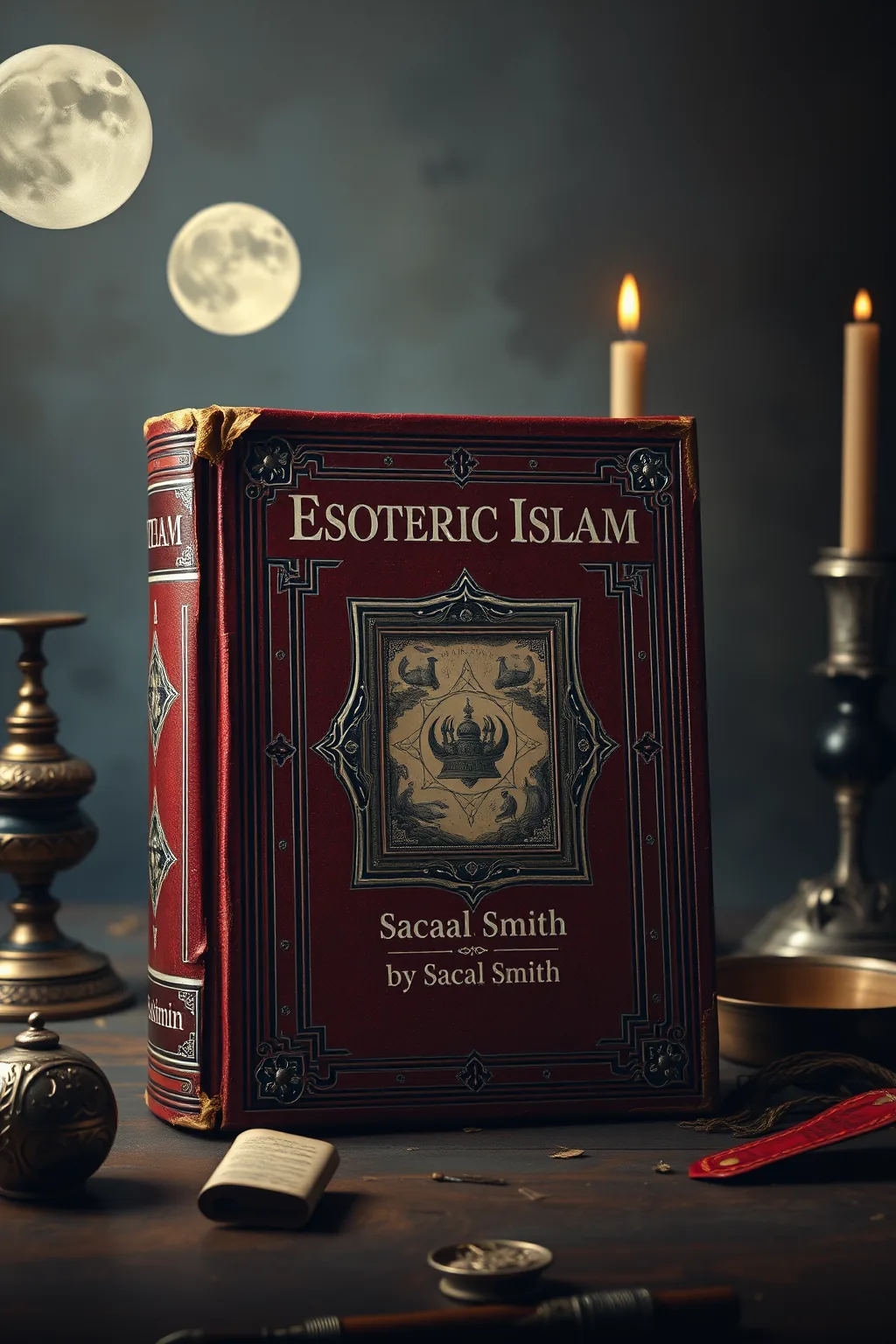
Sachal Smith's *Esoteric Islam* offers a much-needed corrective to simplistic Western perceptions of the faith. Smith avoids the pitfalls of romanticizing or exoticizing, instead presenting a grounded, academic exploration of Islam's mystical and philosophical interior. The strength of the work lies in its careful articulation of concepts like *Batin* and *Ma'rifa*, connecting them to specific schools of thought without resorting to generalizations. A particular passage discussing the allegorical interpretation of the Throne Verse (Ayat al-Kursi) as a symbolic representation of divine sovereignty and cosmic order is exceptionally well-handled. While the prose is generally clear, some sections could benefit from more direct engagement with contemporary scholarship on Sufism, occasionally feeling like a discourse primarily with historical texts. Nevertheless, *Esoteric Islam* provides a valuable and sober introduction to a rich, often overlooked, spiritual dimension of the Islamic world.
📝 Description
78
Sachal Smith's Esoteric Islam examines the hidden dimensions within Islamic tradition, moving beyond common interpretations.
This book presents a scholarly look at the mystical practices, philosophical ideas, and symbolic language within Islam. It seeks to show the deeper spiritual currents that have always existed alongside the outward forms of the faith. Smith focuses on how certain Islamic schools of thought understood divine unity (Tawhid) not just as a belief, but as a lived experience that could transform individuals. The work discusses complex theological arguments and esoteric cosmologies, offering a different view of a religion often misunderstood.
Readers with a strong interest in comparative religion, mysticism, and Middle Eastern philosophy will find this volume useful. It is especially for those already familiar with Islamic theology or Sufism who want to learn about its more hidden aspects. Students of religious studies, philosophy, and cultural history will appreciate its detailed analysis. It also appeals to people looking to understand the spiritual variety within Islam beyond mainstream views, including those involved in interfaith dialogue or personal spiritual exploration.
The study of esoteric Islam has roots going back to the early Islamic centuries and the development of Sufi orders. Sachal Smith's book connects with a long history of scholars and mystics who looked for the inner meanings of the Quran and Islamic practices. This tradition has historically engaged with other philosophical and mystical ideas, such as Neoplatonism and Gnosticism. Such interactions sometimes led to deep study but also suspicion from more orthodox religious authorities. The 20th century saw renewed academic and popular attention to Sufism and Islamic mysticism.
💡 Why Read This Book?
• Gain a nuanced understanding of *Batin* and *Zahir*, learning how Islamic texts and practices possess both literal and hidden layers of meaning, a concept explored extensively in the book's analysis of Quranic exegesis. • Discover the practice and philosophy of *Ma'rifa* (Gnosis), understanding its role in achieving direct spiritual knowledge of God, a central theme Smith links to specific Sufi paths. • Appreciate the symbolic language of Islamic mysticism, recognizing how concepts like the *Tariqa* are presented not just as paths, but as intricate frameworks for spiritual transformation, as detailed in the work's examination of Sufi initiations.
⭐ Reader Reviews
Honest opinions from readers who have explored this book.
❓ Frequently Asked Questions
What is the primary difference between exoteric and esoteric Islam as presented in the book?
The book explains that exoteric Islam (Zahir) refers to the outward, literal interpretations of scripture and law, while esoteric Islam (Batin) explores the inner, symbolic, and mystical dimensions, often focusing on direct spiritual experience and knowledge.
Does Esoteric Islam discuss specific Sufi orders?
Yes, the work references various Sufi traditions and their approaches to esoteric knowledge, touching upon the practices and philosophies that distinguish different mystical lineages within Islam.
What is the concept of 'Ma'rifa' in Islamic esotericism?
Ma'rifa, as explored in Esoteric Islam, signifies Gnosis or direct spiritual knowledge of God, achieved through inner experience and spiritual realization rather than solely through intellectual study or dogma.
Is this book suitable for beginners with no prior knowledge of Islam?
While accessible to a general audience, the book assumes some interest in religious studies or mysticism. Beginners might benefit from a foundational understanding of Islam before delving into its more esoteric aspects discussed by Smith.
When was Esoteric Islam first published?
Sachal Smith's Esoteric Islam was first published in 2021, making it a contemporary exploration of these ancient spiritual traditions.
What is the significance of 'ta'wil' in esoteric Islamic interpretation?
Ta'wil, or allegorical interpretation, is a crucial method in esoteric Islam for uncovering the hidden, spiritual meanings within the Quran and Hadith, moving beyond the literal text to access deeper truths.
🔮 Key Themes & Symbolism
The Inner Dimension (Batin)
The book meticulously unpacks the concept of Batin, the hidden, esoteric dimension of Islamic faith. It argues that Batin is not separate from, but integral to, the full understanding of Islam. Smith illustrates how this inner meaning permeates scripture, ritual, and theological discourse, offering a perspective that seeks the spirit behind the letter. The exploration highlights how certain traditions within Islam have always emphasized this inner reality as the ultimate goal of spiritual pursuit.
Gnosis and Spiritual Realization (Ma'rifa)
Central to esoteric Islam is the pursuit of Ma'rifa, or direct spiritual knowledge and experiential acquaintance with the Divine. Esoteric Islam details how this gnosis is attained not through mere intellectual assent but through rigorous spiritual discipline, contemplation, and purification of the self. The work examines the role of the spiritual guide (Shaykh) and the importance of initiatory paths (Tariqa) in facilitating this profound transformation and direct apprehension of ultimate reality.
Symbolism and Allegory (Ta'wil)
Smith emphasizes the critical role of symbolism and allegorical interpretation (ta'wil) in accessing the esoteric meanings of Islam. The book demonstrates how Quranic verses, prophetic traditions, and even cosmic phenomena are understood to possess multiple layers of significance. This symbolic language serves as a bridge between the manifest world and the divine realm, allowing practitioners to discern deeper truths and hidden wisdom that transcend literal comprehension.
The Path of Union (Tawhid)
The ultimate aim of esoteric Islam, as presented in the book, is the realization of Tawhid – the absolute Oneness of God. This is not merely a theological statement but a lived experience of unity that encompasses the mystic's entire being and perception of reality. Esoteric Islam explores how various practices and philosophical insights contribute to dissolving the illusion of separation and experiencing the universe as a manifestation of the Divine.
💬 Memorable Quotes
Direct passages from the work, attributed to the author.
“The outward form of religion is a vessel; the inner meaning is its precious content.”
— This statement highlights the book's core argument that the literal observances and legalistic aspects of Islam (Zahir) are secondary to the deeper, spiritual truths and experiences (Batin) they are meant to convey.
“The universe is a mirror reflecting the Divine Name.”
— This idea underscores the symbolic worldview prevalent in esoteric Islam, suggesting that creation itself is imbued with divine signs and can serve as a means for contemplating God's attributes and essence.
“The path requires discipline, devotion, and the surrender of the ego.”
— This interpretation points to the practical, ascetic, and transformative demands of the spiritual journey (Tariqa) within esoteric Islam, stressing the importance of inner work and self-mastery.
“Allegory unlocks the gates to hidden realities within scripture.”
— This statement directly addresses the method of ta'wil, explaining how symbolic and allegorical readings of sacred texts are essential tools for accessing the profound, non-literal meanings central to esoteric Islamic thought.
💡 Key Ideas
Editorial paraphrase of the work's core concepts — not direct quotes.
True knowledge of God comes not from books alone, but from the heart's direct encounter.
This paraphrased concept emphasizes the experiential nature of Ma'rifa (Gnosis) discussed in the book, positing that genuine spiritual understanding arises from inner experience and divine illumination, not just scholarly study.
🌙 Esoteric Significance
Tradition
Esoteric Islam belongs to the broad lineage of mystical and Gnostic traditions that seek direct experiential knowledge of the Divine. Within Islam, it is primarily synonymous with Sufism in its deeper philosophical and initiatory aspects. It departs from purely exoteric interpretations by emphasizing the hidden meanings (*Batin*) of scripture and the goal of realizing *Tawhid* not just as a creed, but as a lived reality of unity, drawing parallels with Hermetic and Neoplatonic thought while remaining distinctly rooted in Islamic sources.
Symbolism
Key symbols include the *Tariqa* (spiritual path), representing the structured journey towards God, often involving stages of spiritual development. The concept of *Nur* (divine light) is central, symbolizing divine presence and illumination. The Kaaba, beyond its exoteric function, is often interpreted esoterically as the 'House of God' representing the heart of the mystic, the locus of divine manifestation and unity.
Modern Relevance
Contemporary thinkers and practitioners in fields like comparative mysticism, perennial philosophy, and interfaith dialogue frequently reference the rich intellectual and spiritual heritage of esoteric Islam. Modern Sufi orders continue to transmit these traditions, and scholars of religion engage with its philosophical depth. The emphasis on inner transformation and the symbolic interpretation of reality continues to inform spiritual seekers globally, offering alternative perspectives on faith and existence beyond purely secular or dogmatic frameworks.
👥 Who Should Read This Book
• Students of comparative religion and mysticism seeking to understand the diverse spiritual expressions within Islam, moving beyond common generalizations. • Scholars of philosophy and cultural history interested in the intellectual currents and esoteric traditions of the Middle East. • Individuals on a personal spiritual path interested in exploring non-Western mystical traditions and their methods for inner realization.
📜 Historical Context
The study of esoteric Islam builds upon a tradition stretching back to the earliest centuries of the religion, particularly with the rise of Sufism. By the 10th and 11th centuries, thinkers like Ibn Sina (Avicenna) and Al-Ghazali, while often focused on different aspects of Islamic thought, engaged with philosophical and mystical ideas that would inform later esoteric developments. During the medieval period, Islamic mysticism flourished, with various orders developing complex cosmologies and practices. The 20th century saw renewed Western scholarly and popular interest, partly influenced by figures like René Guénon, who explored perennial philosophy, and later by Idries Shah, who introduced many Westerners to Sufi concepts. However, esoteric traditions within Islam have frequently faced scrutiny from more literalist interpretations, leading to periods of both vibrant internal discourse and external suppression, a tension inherent in the history of religious thought.
📔 Journal Prompts
The concept of Batin in Islamic scripture and its potential for personal meaning.
Reflecting on the parallels between Ma'rifa and personal experiences of clear insights.
Analyzing the symbolic significance of light (Nur) in spiritual traditions.
Considering the role of the spiritual path (Tariqa) in structured self-transformation.
Exploring the practical application of Tawhid as experienced unity.
🗂️ Glossary
Batin
The inner, hidden, or esoteric meaning of scripture, ritual, or existence, contrasted with Zahir (the outward, literal meaning).
Zahir
The outward, apparent, or exoteric meaning of scripture, law, and religious practice in Islam.
Ma'rifa
Gnosis or direct, intuitive spiritual knowledge of God, often attained through mystical experience and spiritual realization.
Tawhid
The absolute oneness and unity of God, understood in esoteric Islam not just as a creed but as a lived experience of reality.
Tariqa
A spiritual path or order within Sufism, often involving specific practices, initiations, and guidance from a Shaykh.
Ta'wil
Allegorical or symbolic interpretation, particularly of sacred texts, to uncover hidden, deeper meanings.
Nur
Divine light, often symbolizing God's presence, illumination, and the essence of creation in Islamic mysticism.
🔮 Readers Also Liked
Browse all →








More by Sachal Smith
All books →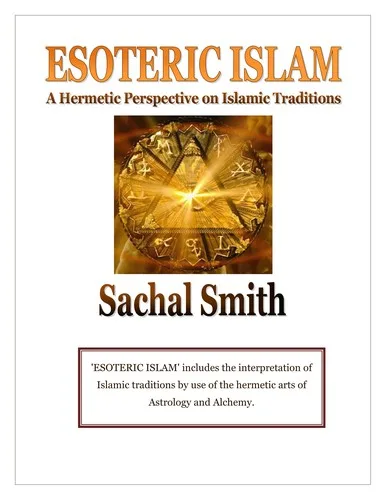
More Free Alchemy & Hermeticism Books
View all →