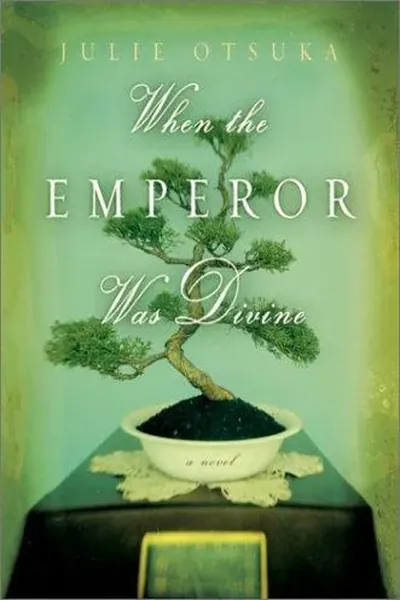
The Pantheon, or, Fabulous history of the heathen gods, goddesses, heroes, &c

 62
62

The Pantheon, or, Fabulous history of the heathen gods, goddesses, heroes, &c



Sophia Crane (Associate Editor) — 'The Pantheon' by Samuel Boyse is a masterfully crafted compendium that illuminates the esoteric dimensions of classical mythology. Boyse’s meticulous research and insightful prose reveal the profound symbolic layers often overlooked in secular interpretations. He guides the reader through the intricate relationships and allegorical significance of the pantheon, presenting a vision of these deities as potent forces and archetypal expressions of cosmic principles. This text is a vital resource for students of comparative mythology, occult practitioners seeking foundational understanding, and anyone drawn to the deeper, spiritual currents flowing beneath the surface of ancient tales. Its enduring value lies in its ability to reconnect the reader with the primal energies and wisdom of the ancients.
📝 Description
62
Samuel Boyse's 1739 work, 'The Pantheon,' presents a symbolic interpretation of classical mythology.
Samuel Boyse's 'The Pantheon, or, Fabulous History of the Heathen Gods, Goddesses, Heroes, &c,' published in 1739, interprets ancient myths not as simple stories, but as symbolic representations of cosmic principles and human psychology. Boyse examines the Greco-Roman pantheon, suggesting that figures like Zeus, Apollo, and Venus embody universal forces and archetypal patterns. The book aims to reveal the deeper, often hidden, meanings within these narratives, connecting them to elemental powers and the forces of destiny.
This text addresses those interested in the philosophical and spiritual dimensions of ancient beliefs. It seeks to uncover the divine architecture perceived by ancient thinkers and offers a framework for understanding the symbolic language of myths. Boyse's approach encourages readers to see these classical figures as keys to unlocking a more profound comprehension of the natural world and the human condition.
Published in 1739, 'The Pantheon' emerged during a period of renewed interest in classical antiquity and esoteric traditions. While not explicitly alchemical or hermetic, Boyse's work aligns with the era's tendency to seek deeper, symbolic meanings in ancient mythologies, often viewed as repositories of forgotten wisdom. His interpretation of deities as embodiments of natural and psychological forces reflects a broader intellectual current that saw classical stories as allegories for hidden truths about the cosmos and the human soul, a perspective common in many esoteric schools.
💡 Why Read This Book?
Uncover the hidden spiritual architecture of the ancient world. 'The Pantheon' provides a profound esoteric lens through which to view classical myths, revealing symbolic keys to universal forces and archetypal energies. It is essential reading for seekers of occult wisdom, scholars of ancient religions, and practitioners aiming to understand the deep metaphysical underpinnings of Western esoteric traditions. Discover the profound psychological and cosmic truths encoded within these timeless stories.
⭐ Reader Reviews
Honest opinions from readers who have explored this book.
❓ Frequently Asked Questions
What makes this book 'esoteric'?
Boyse's work is esoteric because it interprets classical myths not just as stories, but as symbolic representations of spiritual principles, cosmic forces, and psychological archetypes, offering hidden knowledge accessible to those who seek deeper meaning.
Is this book suitable for beginners in mythology?
While rich in detail, its primary focus is esoteric interpretation. Beginners may find it more rewarding after gaining a foundational understanding of classical mythology elsewhere.
How does this book relate to divination?
The archetypes and symbolism of the gods and goddesses can be directly applied to understanding archetypal energies in divination systems like Tarot, offering deeper insights into card meanings and spreads.
What is the philosophical significance of these myths according to Boyse?
Boyse suggests these myths are not mere fictions but profound philosophical allegories that reveal the nature of reality, human consciousness, and the divine order, offering a framework for understanding existence.
Can this book be used for ritualistic purposes?
While not a ritual manual, understanding the archetypal energies and symbolic associations presented can inform and deepen personal meditative practices or ritual work focused on specific deities or cosmic principles.
🔮 Key Themes & Symbolism
Archetypal Divinity and Cosmic Order
This theme studies the concept of deities as manifestations of fundamental cosmic forces and universal archetypes. Boyse presents the gods and goddesses not as mere anthropomorphic figures, but as potent symbols embodying principles of creation, destruction, wisdom, and chaos. The book explores how the interactions and narratives surrounding these divine beings reflect a sophisticated understanding of the cosmos, its inherent order, and the cyclical nature of existence. Readers will gain insight into how ancient cultures perceived the divine blueprint of reality and the underlying energetic currents that govern all phenomena.
Symbolic Language of Mythology
Boyse meticulously deciphers the rich symbolic language embedded within classical myths. This theme focuses on understanding the allegorical meanings of divine attributes, heroic deeds, and mythological events. Each element is presented as a key to unlocking deeper truths about human nature, spiritual development, and the hidden laws of the universe. The text encourages readers to move beyond literal interpretations, revealing how myths served as a vehicle for transmitting profound esoteric knowledge, spiritual insights, and moral instruction across generations.
The Hero's Journey and Inner Transformation
Central to the pantheon's mythology is the concept of the hero's journey, not just in external adventures but as an internal process of spiritual growth and transformation. Boyse highlights how the trials and triumphs of mythical heroes mirror the challenges faced by the individual soul on its path to enlightenment. This theme explores the psychological and spiritual lessons embedded in these narratives, offering a framework for understanding personal development, overcoming obstacles, and achieving a higher state of consciousness through the symbolic representations of divine assistance and inner fortitude.
💬 Memorable Quotes
Direct passages from the work, attributed to the author.
“The gods are but shadows of a greater light.”
— This suggests that the deities of the pantheon are not ultimate realities, but rather emanations or symbolic representations of a higher, more fundamental divine source or cosmic principle.
“In every myth, a truth lies sleeping.”
— This highlights the core esoteric premise that ancient stories are encoded with profound wisdom, waiting to be awakened and understood by the discerning reader.
“Heroes walk the path the gods have laid.”
— This implies a divinely ordained destiny or cosmic plan, where human endeavors are guided and influenced by the forces represented by the pantheon.
“Wisdom is the nectar of the immortal.”
— This metaphor connects the pursuit of knowledge and spiritual understanding with the divine, suggesting that true wisdom is a divine attribute and a goal for mortal aspiration.
“The mortal mind mirrors the celestial sphere.”
— This points to the hermetic principle of 'As Above, So Below,' suggesting a profound correspondence between the macrocosm (the universe and its divine forces) and the microcosm (the human consciousness and inner world).
🌙 Esoteric Significance
Tradition
This work is deeply rooted in the Neoplatonic and Hermetic traditions, which view classical deities as symbolic representations of cosmic principles and divine emanations. It aligns with occult philosophies that interpret mythology as a veiled language for spiritual truths, offering insights into the nature of the divine, the structure of the universe, and the path of human evolution. The book serves as a foundational text for understanding the symbolic underpinnings of Western esotericism.
Symbolism
The symbolism is rich and complex, with each deity and myth representing specific archetypes, planetary influences, elemental forces, or psychological states. For instance, Zeus embodies sovereignty and cosmic law, while Athena represents wisdom and strategic action. Boyse's text invites readers to decode these symbols, revealing a complex collection of cosmic energies and spiritual dynamics that govern existence and influence human experience, offering keys to understanding hidden correspondences.
Modern Relevance
In contemporary times, 'The Pantheon' remains profoundly relevant as a guide to understanding the archetypal forces that continue to shape human consciousness and collective narratives. Its exploration of divine symbolism offers a framework for personal growth, psychological insight, and spiritual exploration. For practitioners of modern esoteric arts, it provides a vital link to the foundational symbolism of Western traditions, enabling a deeper engagement with the timeless energies and wisdom of the ancient world.
👥 Who Should Read This Book
This meticulously researched volume is essential for serious students of Western esotericism, comparative mythology, and ancient philosophy. Scholars will appreciate its detailed exposition and historical context. Mystics and spiritual seekers will find it an invaluable resource for understanding the archetypal energies and symbolic language of the classical pantheon, offering useful insights for personal transformation and spiritual practice. Practitioners of occult arts, such as Tarot readers or astrologers, will benefit from its deep dive into the foundational symbolism that underpins many esoteric systems. Beginners to mythology may find it dense, but rewarding with prior foundational knowledge.
📜 Historical Context
Written during a period of renewed interest in classical antiquity, Samuel Boyse's 'The Pantheon' emerged in the 18th century, an era marked by the Enlightenment's intellectual currents yet also a fervent fascination with occultism and forgotten wisdom. This was a time when scholars and mystics sought to reconcile burgeoning scientific understanding with the enduring power of ancient spiritual traditions. Boyse's work reflects this synthesis, treating classical mythology not merely as historical artifacts, but as living repositories of symbolic and philosophical truths. Its contribution lies in bridging the gap between historical scholarship and esoteric interpretation, offering a framework for understanding the enduring resonance of these ancient narratives within a developing worldview, and influencing subsequent generations of occult thinkers and mythographers.
📔 Journal Prompts
Which deity from the Pantheon do you feel a particular resonance with, and why? Explore their symbolic attributes in your own life.
How does the concept of divine order, as represented by the Pantheon, contrast with or complement your understanding of chaos in the universe?
Identify a modern-day 'hero' or influential figure and analyze their journey through the lens of the archetypal hero's trials as presented in the myths.
What hidden truth or 'sleeping truth' within a familiar myth do you feel compelled to explore further after reading Boyse's interpretations?
Consider the idea that 'the gods are but shadows of a greater light.' How does this concept challenge or affirm your personal beliefs about divinity and ultimate reality?
🗂️ Glossary
Pantheon
The collective body of gods and goddesses belonging to a particular mythology or religion, in this context, the deities of ancient Greece and Rome.
Archetype
A universal, primordial image, symbol, or pattern of behavior that is part of the collective unconscious, often embodied by mythological figures or narratives.
Esoteric
Intended for or likely to be understood by only a small number of people with a specialized knowledge or interest; relating to hidden or secret knowledge.
Hermeticism
A philosophical and religious tradition based primarily upon writings attributed to Hermes Trismegistus, emphasizing divine wisdom and the hidden laws of the universe, often associated with alchemy and astrology.
Neoplatonism
A philosophical system that arose in the 3rd century AD, based on the philosophical teachings of Plato, which sought to understand the nature of the divine and its relationship to the material world through a hierarchy of emanations.
This book appears in 1 collection
🔮 Readers Also Liked
Browse all →








More by Samuel Boyse
All books →From the “Augury” Collection
View all →







More Free Divination & Tarot Books
View all →